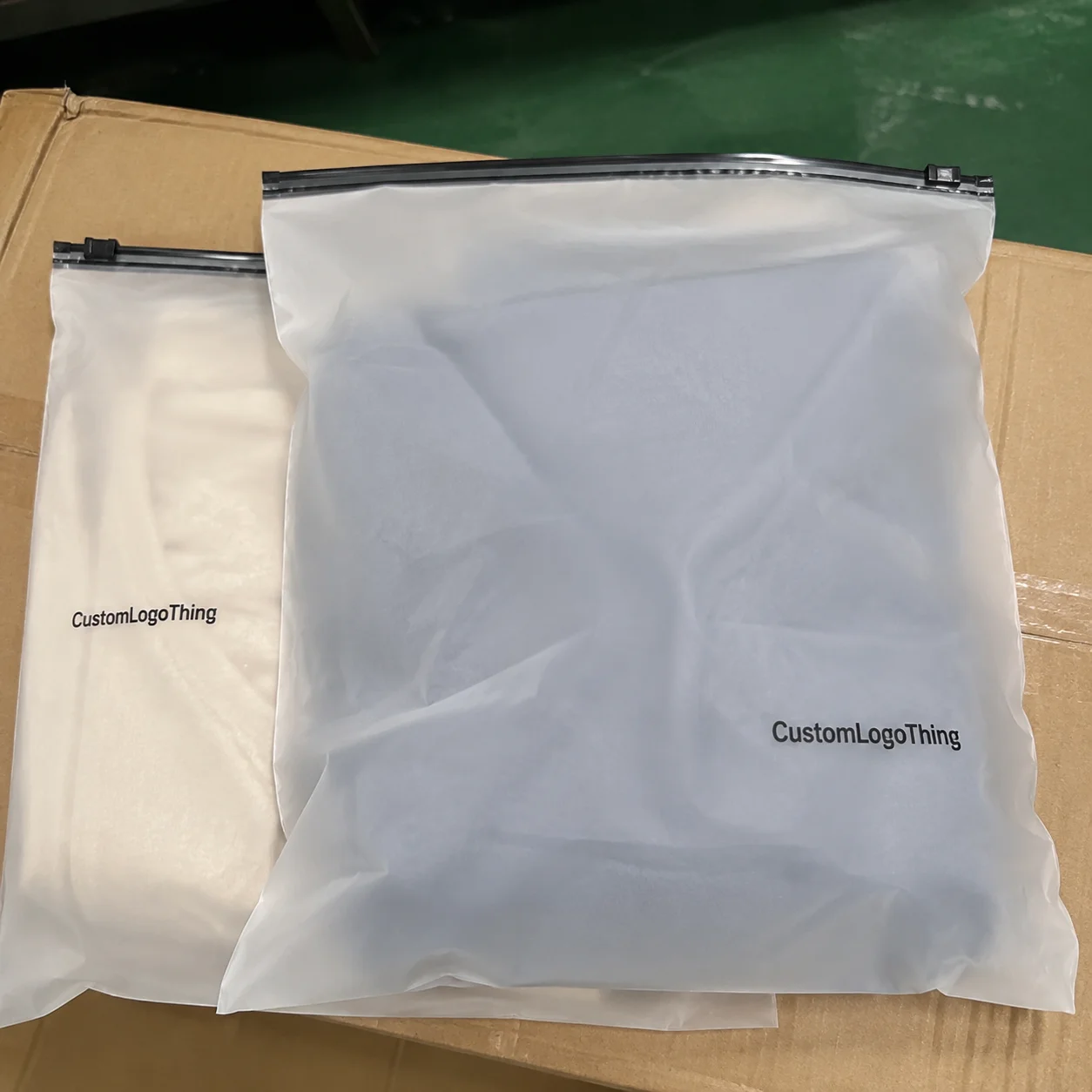
If you’re building a launch around garment poly Bags for Boutique retailers retail launch checklist, the bag is probably the last thing getting the attention it deserves. That is how launch budgets get bent out of shape. The logo gets approved, the tags get approved, the rack looks great in mockups, and then someone asks, “What are we putting the clothes in?”
Garment Poly Bags are simple plastic sleeves used to protect folded apparel, keep items clean, and make products look consistent on the shelf or in transit. For boutique retailers, they are not just packing material. They are part of the merchandising system, inventory workflow, and customer perception all at once. Ignore them and the whole launch starts looking more improvised than curated.
This checklist covers sizing, material choices, branding, cost, lead times, and the mistakes that quietly wreck margins. If you are launching tees, blouses, knitwear, sets, or giftable pieces, packaging details matter more than most teams expect. Packaging always looks easy until you need 2,000 units that actually fit the same way every time.
Why boutique launches get packaging wrong faster than merch
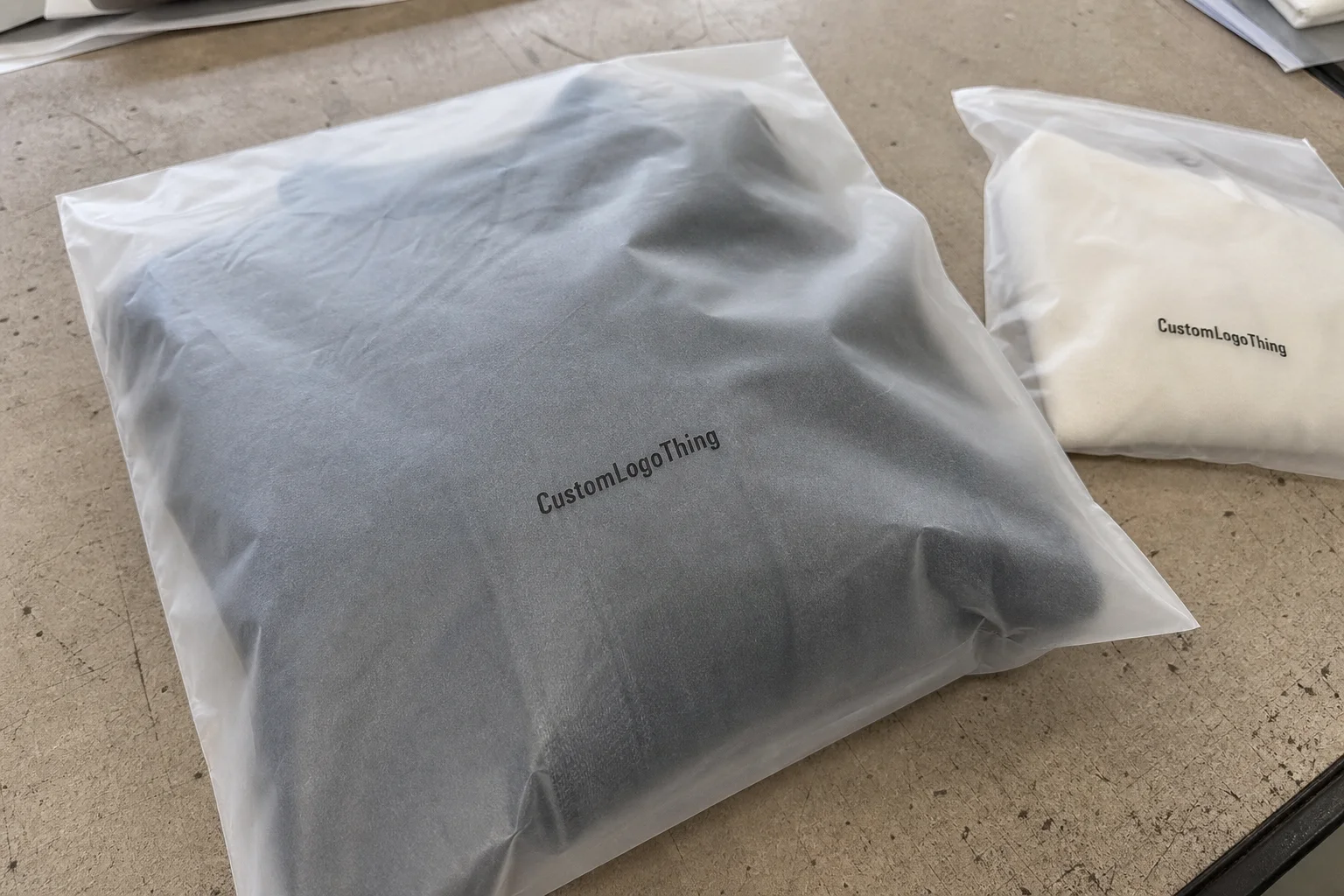
Boutique owners usually spend weeks on product selection, photography, and storefront styling. Packaging gets squeezed into the final stretch. That is how you end up ordering the wrong bag size, choosing film that looks cloudy under store lighting, or approving a closure style that slows down packing.
Garment packaging should be part of the launch plan before the visual merch plan is frozen. Why? Because packaging changes how garments fold, stack, display, and ship. A bag that works for a thin knit tank will not necessarily work for a structured blouse or a folded two-piece set. Different products need different widths, different thicknesses, and sometimes a different closure altogether.
In practical terms, a garment poly bag is a protective sleeve made from plastic film, usually clear or printed. Its job is plain: keep dust off, reduce handling marks, preserve a clean fold, and make inventory look orderly. In a boutique, it also affects how premium the rack feels. Customers may not comment on the bag, but they absolutely notice whether the product looks crisp or crowded.
Most boutique launches need a balance of three things:
- Protection for storage and handling
- Presentation for display and unboxing
- Operational speed for folding, labeling, and replenishing
That balance is why a garment Poly Bags for Boutique Retailers retail launch checklist has to cover more than “get clear bags.” You need a repeatable system. Not glamour. Systems.
“The best packaging choice is usually the one your staff can pack correctly fifty times in a row without getting sloppy.”
How garment poly bags work in a boutique retail system
The workflow is simple on paper. The garment gets folded to a set size, inserted into the bag, sealed or closed, then moved to shelf storage, display, or shipping. The details are where launches usually wobble. If the fold standard is not fixed, the bag fit will drift. If the bag is too narrow, the garment wrinkles at the edges. Too large, and the item looks sloppy, wastes material, and stacks badly.
There are a few common bag formats. Open-top bags are fast and straightforward, which makes them common for backroom storage. Resealable adhesive flap bags give a cleaner retail finish and more dust protection. Suffocation warning bags are often used for retail and e-commerce compliance. Hanging retail sleeves work for items that stay on hangers or need to remain visible on the floor.
For boutiques selling across store and online channels, packaging also helps with inventory control. A consistent bag size makes it easier to count, stack, and replenish. It also helps staff pull the right item faster when an online order comes from store stock. That matters if the store is also doing fulfillment, which many boutiques end up doing whether they planned to or not.
Visibility and branding are separate decisions, even though people keep treating them like one. Clear bags let the product do the selling and keep the operation simple. Frosted bags soften the look and can feel more premium. Printed bags add branding, but they also increase unit cost and require tighter artwork control. Barcode labels, size stickers, and SKU marks need their own space. If you do not plan for that, your team will start covering logos with labels. Great look.
For items that are folded and shelved in-store, the bag changes how the product reads from a few feet away. A clean seam, a consistent flap, and a straight label line can make the whole rack look more expensive. Small detail. Very visible result.
For packaging systems beyond apparel, many retailers pair garment bags with Custom Packaging Products so the branding stays consistent across inserts, tissue, and shipping materials. If your launch includes e-commerce orders, pairing apparel bags with Custom Poly Mailers can keep your store and shipping experience from feeling like two different brands.
Key specs that affect cost, pricing, and fit
Material choice is where budget and performance start arguing. The most common films are LDPE, CPP, and recycled-content films. LDPE is flexible, soft, and familiar. CPP tends to feel crisper and can offer better clarity. Recycled-content film may support sustainability goals, but clarity and finish can vary depending on the blend. If the marketing team promises “eco” without checking the actual material spec, that promise can age badly fast.
Thickness matters just as much. For basic dust protection and in-store handling, lighter gauges may be enough. For repeated handling, shipping, or a more premium retail feel, a heavier film is usually better. In practice, boutique apparel bags often land around 1.5 mil to 3 mil, though the right choice depends on fold style, product weight, and whether the bag is only for storage or also for shipment. Thinner saves money. Thicker protects better. Tradeoff. As usual.
Fit is not guesswork. Measure the folded garment first. Then add allowance for the seam, flap, adhesive, or zipper-style closure. A folded blouse that measures 10 x 12 inches is not automatically a 10 x 12 bag. You need clearance for insertion and a bit of breathing room so the garment does not crumple the second it goes in. A bag that is too tight looks bad and slows down packing. A bag that is too loose looks worse.
Branding changes unit cost in a few predictable ways:
- One-color print is usually cheaper than full-color print
- Simple logo placement costs less than all-over coverage
- Custom sizing costs more than standard stock dimensions
- Matte or specialty finish can raise price versus standard glossy film
MOQ and pricing structure matter too. Larger quantities almost always reduce the per-unit price, but over-ordering creates storage issues and locks you into branding that may age quickly if the launch changes direction. For a boutique launch, a realistic range for custom Garment Poly Bags might be around $0.12 to $0.38 per unit depending on size, thickness, print coverage, and quantity. Smaller runs and heavier customization sit at the high end. Simple clear bags in larger volumes sit lower.
| Option | Typical use | Pros | Tradeoffs | Relative cost |
|---|---|---|---|---|
| Clear stock bag | Basic folding, storage, fast packing | Lowest cost, quick to source, easy visibility | Minimal branding, generic look | Low |
| Printed stock-size bag | Branded retail display, standard apparel sizes | Better shelf presence, moderate cost | Less flexible for unusual folds | Medium |
| Custom-sized printed bag | Specific garment categories, premium presentation | Best fit, strong brand control | Higher MOQ, longer lead time | High |
| Recycled-content film | Sustainability-led branding | Better brand story, often slimmer footprint | Clarity and finish can vary | Medium to high |
If sustainability is part of your positioning, check the actual claim. Packaging should align with real material specifications and accepted standards, not just a nice sentence for the website. The EPA recycling guidance is a decent place to sanity-check material expectations, and FSC matters if you are pairing apparel bags with paper inserts or branded inserts made from certified sources.
Process and timeline for a boutique retail launch
Packaging Lead Times are where launch calendars get humbled. The standard sequence is simple: request quote, confirm specs, approve artwork, sample if needed, run production, pack, then ship. The trouble starts when people approve art late or change dimensions after the quote. That creates a domino effect: more revisions, more setup, more time.
For stock-style garment bags without print, timing is usually faster. Custom printed or custom-sized bags take longer, especially if artwork needs cleanup or a sample has to be verified before production. A practical planning range is often 7 to 12 business days for simpler orders after approval, and 12 to 20 business days for more customized runs. Freight can add several more days, especially if the store opening date is fixed and, naturally, cannot move. Those dates always “cannot move” right up until someone forgets the packaging.
The biggest pressure points are usually:
- Artwork revisions that reset approval
- Custom sizing that needs a different die or setup
- Sampling when folding standards are not settled
- Rush freight that eats margin because the order started late
Build packaging into the launch calendar early. Before photoshoots if possible. Before final merchandising if that is too optimistic. At minimum, before inventory is already inbound. If you wait until the collection is on the water or already in receiving, you will be choosing between the wrong bag and an expensive emergency order. That is not a fun choice. It is also very common.
One practical way to reduce risk is to keep a small backup supply of the most common bag size. Another is to choose standard dimensions whenever possible. The more unusual the size, the more likely you are to pay for it in setup, lead time, or both. If you need packaging to stay aligned across apparel sleeves, inserts, and shipping materials, browsing Custom Packaging Products can help keep the spec plan from turning into a spreadsheet with attitude.
Step-by-step retail launch checklist for garment packaging
Here is the practical checklist for a boutique launch. Not the polished version. The version that avoids reorders, delays, and shelf chaos.
- List every garment category and note the folded dimensions for each SKU group, not just the hero product.
- Decide the use case: display only, storage only, shipping only, or a mix of all three.
- Choose the bag format: open-top, adhesive flap, suffocation warning, or hanging sleeve.
- Select thickness based on handling, shelf presentation, and whether the item travels in the bag.
- Confirm print requirements: logo placement, size labels, barcode space, and any compliance copy.
- Order samples or a short run before the full order.
- Test real garments with the actual folding method your staff will use.
- Check stacking and shelf fit so the bags do not bow, slide, or wrinkle under pressure.
- Finalize counts by SKU and add overage for damage, misprints, and seasonal growth.
- Lock the delivery window against your store opening, photoshoot, and receiving schedule.
That checklist sounds basic because it is. Basic is good. Basic keeps launches from turning into improv theater. The brands that do this well have one spec sheet and a clean approval trail. Everyone else has six versions of the same bag in a shared drive and nobody is sure which one is final.
Common mistakes that wreck presentation and margins
The first mistake is buying one bag size for every garment and hoping it somehow works out. Tees, blouses, knits, and sets behave differently when folded. A universal bag usually means some items swim around while others get crammed in.
The second mistake is chasing the lowest quote without checking clarity, seal strength, or overall appearance. A cheap film that clouds up under store lighting can make a $68 blouse look like it belongs in the discount bin. That is not a savings. That is self-sabotage.
Other common failures show up later:
- Ignoring suffocation warning needs where required
- Forgetting space for barcode labels or size stickers
- Skipping samples and discovering the bag wrinkles knits
- Not checking whether printed apparel inserts scratch inside the bag
- Ordering too late and paying for rush freight or split shipments
Compliance is another area people treat casually until they cannot. Depending on your market and channel, you may need suffocation warnings, recycling messaging, or other labeling considerations. If your store ships online orders, packaging also needs to survive transit conditions that are less forgiving than a boutique shelf. For shipping-oriented testing, industry references like ISTA are useful for thinking about drop risk and package integrity. You do not need to become a packaging engineer. You do need to stop assuming a bag that looks good will automatically perform well.
Expert tips for cleaner merchandising and smarter reorders
Standardize by apparel category. Tops should have one spec. Bottoms another. Sets and accessories may need their own. That keeps reorders cleaner and saves your team from guessing during receiving. A master spec sheet should include dimensions, film thickness, closure style, print location, and any warning copy.
Keep a small safety stock for bestsellers and seasonal transitions. Boutique launches move in waves, and the items that sell best are usually the ones you run out of first. Running short on packaging for your top SKU is avoidable. It also happens more often than people admit.
If sustainability matters to your customer base, ask for recycled-content options or a slightly thinner gauge that still protects the garment. Do not slap “eco” on the bag just because it sounds better in a sales meeting. The material has to back it up. Real specifications beat vague claims every time.
Track which products actually need printed bags. Not every item deserves full branding. For some categories, clear bags are the smarter move because they are faster to pack and cheaper to reorder. Save printed packaging for hero SKUs, giftable items, and products that benefit most from a premium presentation.
The cleanest launch packaging is the one your team can repeat without errors. That means fewer styles, tighter specs, and a clear reorder path. Fancy is nice. Consistent is better.
Next steps before you place the first order
Start by auditing your product lineup and defining the folded dimensions for each apparel category. Then decide the minimum viable spec: clear or printed, bag style, thickness, and closure. Do not overbuild the first order unless your packaging requirements are already stable. Most boutique launches are still learning on the fly.
When you request quotes, give exact quantities, artwork details, closure preference, and delivery date. That makes pricing comparable and stops you from comparing a real quote to a fantasy quote. If the bags will be seen on the selling floor or in customer unboxing, approve a sample first. No exceptions. A sample costs far less than 2,000 units of the wrong thing.
Build the reorder note into your launch playbook now. Include the approved spec, supplier contact, lead time, and a reorder trigger point based on sales velocity. That turns a future headache into a simple process. Boring? Yes. Useful? Also yes.
If you are sourcing Garment Poly Bags for Boutique retailers retail launch checklist planning, the smartest move is to treat the bag like part of the product, not an afterthought. Get the size right, keep the spec tight, and leave enough lead time to avoid last-minute panic. Your racks will look better, your packing will run faster, and your next reorder will be less annoying. Which, frankly, is the point.
FAQs
What size garment poly bags for boutique retailers should I order first?
Start with the folded dimensions of your most common apparel piece, then add room for the closure and a bit of presentation margin. If you sell multiple product types, do not force one size to cover everything. Order a sample or short run first if your sizing is not finalized.
How much do custom garment poly bags usually cost for a boutique launch?
Cost depends on size, thickness, print coverage, and quantity. Higher MOQs usually lower unit price, but custom printing and specialty sizing raise the total. The cheapest quote is not always the best if the bag looks thin, cloudy, or arrives late.
How long is the lead time for custom apparel poly bags?
Simple stock-style bags are faster than custom printed or custom-sized versions. Artwork approval, sampling, and freight can add time, so plan early. If your launch date is fixed, build a buffer for revisions and shipping delays.
Do boutique retailers need printed garment poly bags or clear bags?
Clear bags work well when product visibility and fast packing matter most. Printed bags improve branding and can look more premium on the floor. A mixed approach is common: branded bags for hero SKUs and clear bags for standard inventory.
What should I check before reordering garment poly bags for boutique retailers?
Confirm the exact size, film thickness, closure style, and print details from the last approved spec. Check whether any product assortment or folding method changed since the previous order. Review stock levels so you do not reorder too late and pay for rush production.