A Garment Poly Bags for ecommerce brands reorder timing memo should do one job: prevent a routine replenishment from turning into a rush purchase. The bag itself is inexpensive, but a late reorder can create expedited freight, partial receiving, or a stop in packing that costs far more than the material.
The memo should work as a single source of truth for the next buy. It needs the exact bag dimensions, film gauge, closure style, warning copy, print placement, carton count, and reorder trigger. “Same as last time” is not a spec. It is a shortcut to drift.
Garment poly bags for ecommerce brands reorder timing memo
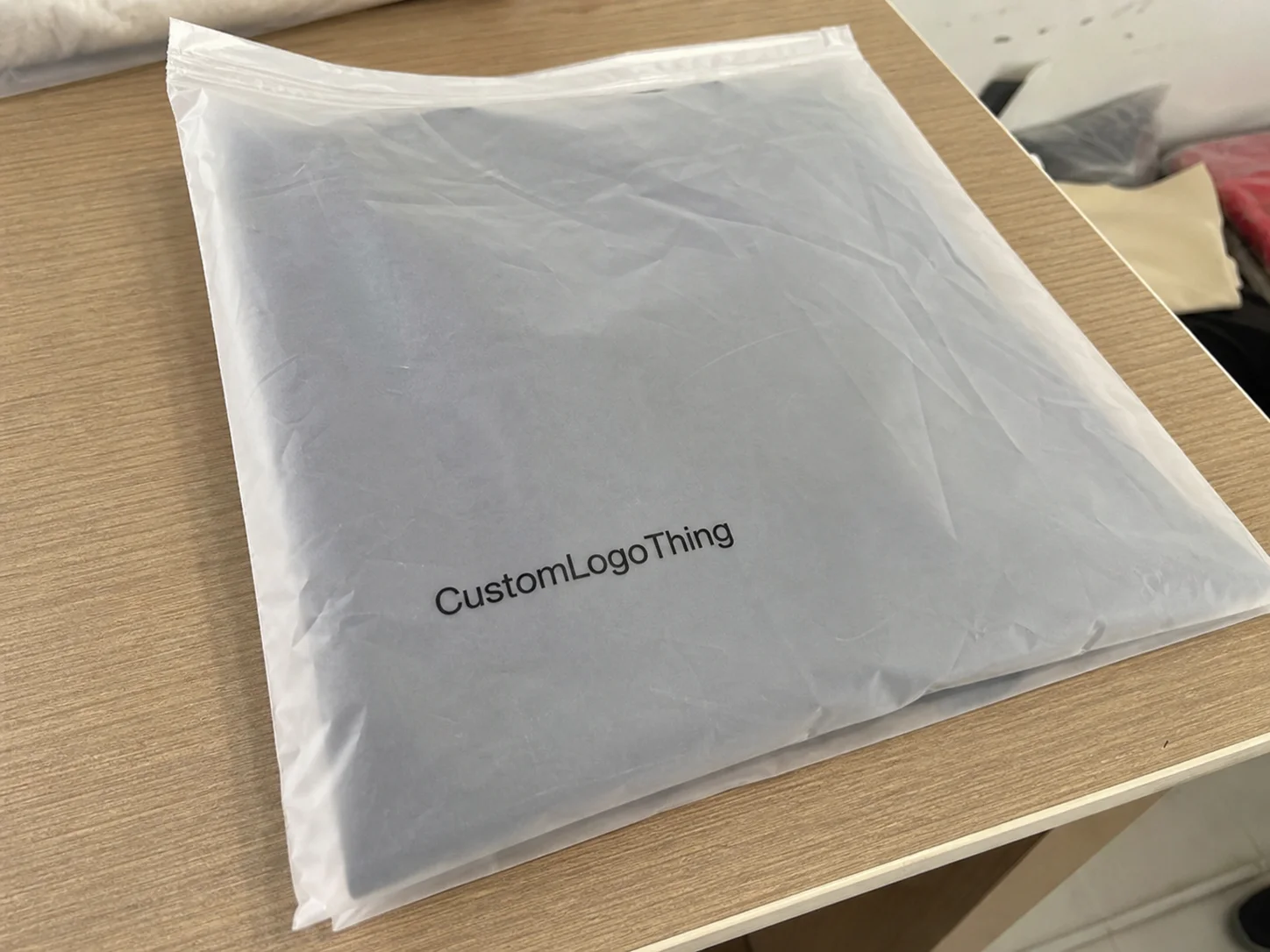
The best memo is short, specific, and easy to compare against the last purchase order. It should let operations know what to pack, procurement know what to approve, and the supplier know what to reproduce without interpretation.
The cost problem is usually not the bag price. It is the disruption around it. A late run can push a brand into emergency freight, a temporary spec change, or a partial shipment that complicates receiving and creates uneven packaging across SKUs. Saving a few cents per unit does not help if the warehouse has to pause for two days waiting for replacement stock.
A written memo reduces that risk by freezing the current specification set. It also cuts proof churn, makes quote comparisons cleaner, and limits the chance that staff changes or old email threads alter the next order. For broader packaging context, Custom Packaging Products is useful when the team needs to compare apparel packaging against other formats without assuming every item serves the same purpose.
The main question the memo should answer is simple: can this order be repeated without anyone having to guess what changed since the last run?
What to include in a repeat-order spec sheet
A repeat-order spec sheet should be built for production, not presentation. Start with the bag style and the product class. Flat poly bags suit folded tees and lightweight tops. Gusseted bags handle hoodies, sweaters, and bulkier garments. Resealable options make sense for return-friendly packing or premium presentation. If warning text is required, include the exact language on the sheet so it is not revised during production.
Then lock the measurable specs: width, length, gusset depth, seal style, opening direction, venting, and hole placement if relevant. A product label alone is not enough. “Medium tee bag” can mean several things depending on who wrote the note, and that ambiguity slows packing or creates a poor fit.
Keep one approved physical sample if possible. A retained sample is better than a forwarded PDF because it gives the next buyer something concrete to compare against. If the sample has a barcode sticker, different seal, or shifted print placement, the difference will usually show up during the next reorder review.
For brands with multiple packaging programs, the memo should identify which products share a base spec and which do not. Shared specs reduce confusion and make future ordering easier, while separate specs prevent accidental substitutions across size runs.
Thickness, clarity, and fit that protect apparel
Film gauge is one of the fastest ways to save or lose money. Thickness affects puncture resistance, feel, and handling durability. A bag that is too thin may tear during packing or collapse in transit. A bag that is too heavy adds cost without improving the customer experience. For many ecommerce apparel programs, 1.5 to 2 mil works for lighter garments, while heavier items or repeated handling may justify 2.5 to 3 mil.
Clarity matters because the bag still affects presentation. High-clarity LDPE or LLDPE film makes folded garments look cleaner on arrival. Frosted film sends a different signal. Recycled-content film may support a sustainability message, but buyers should sample it first because stiffness and appearance can change enough to affect pack-out and shelf presentation. If the brand makes a recycling claim, the wording needs to match the actual material and local guidance. The EPA recycling guidance is a better baseline than a guess.
Fit is the third variable, and it matters more than buyers often admit. A tee, hoodie, and dress do not belong in the same bag size unless the brand intentionally standardizes the presentation. Oversized bags waste material and carton space. Undersized bags slow packing and risk split seams. The right fit protects against dust, moisture, and scuffing without forcing the warehouse to fight the packaging.
A simple family map helps when assortments vary. Use one size for tees and tanks, another for sweatshirts, and a larger format for dresses or layered sets. That reduces decision-making at the station and makes reordering easier because each bag maps to a known product class rather than a vague product name.
Buyers should also test how the film behaves during real handling. Static cling, curling, or a seal that opens too easily can slow the line even if the bag looks fine in a sample. A spec that works on paper but hurts packing speed is not a good spec.
Cost, pricing, MOQ, and quote drivers for reorder buys
The price of an apparel poly bag usually comes down to a few variables: resin type, thickness, dimensions, print coverage, warning text, and whether the order needs special packing or labeling. A clean memo should capture those details so the supplier does not have to guess.
MOQ changes the economics of repeat buys. A lower MOQ helps smaller brands avoid excess stock, but it often raises unit cost. A higher MOQ can reduce unit price, but if usage is uneven, the savings may disappear into storage, slower turnover, or obsolescence when sizes change. The lowest unit price is not always the best order.
Comparing landed cost is the better way to judge a reorder. Freight, duty, palletization, receiving, and storage all affect the real number. A quote that looks cheaper by a few cents per bag can still cost more once transport and handling are included. That is why landed cost should sit beside MOQ in every approval conversation.
| Option | Typical unit price at 5,000 pcs | Best use case | Main tradeoff |
|---|---|---|---|
| Clear flat poly bag, unprinted | $0.04-$0.08 | Simple apparel packing, fast reorders | Lowest cost, least brand presence |
| Printed flat bag with warning text | $0.08-$0.16 | Branded ecommerce fulfillment | More proofing and setup time |
| Gusseted or heavier-gauge bag | $0.10-$0.20 | Bulkier garments, better puncture resistance | Higher resin usage and carton cube |
| Resealable or specialty closure bag | $0.14-$0.28 | Returns-friendly or premium presentation | Best experience, highest cost |
For predictable reorder cycles, compare the new quote against the last PO before approving another run. That prevents drift and makes it obvious whether the supplier changed something meaningful or simply restructured the line items.
If the order includes print, confirm whether the quote assumes one ink color, multiple ink stations, or a full repeat of the previous plate setup. Buyers often skip that detail and are surprised when the number changes. The supplier is usually reflecting real job complexity, not inventing a surcharge.
For teams that want a broader packaging baseline, the archive in Case Studies shows how packaging choices affect operations beyond the line item itself.
Process and lead time from proof to delivery
The process should be written in order so delays are easier to spot. A clean reorder usually moves through inquiry, spec confirmation, artwork check, proof approval, production, quality control, packing, and shipment. Most delays happen between those steps, not inside the run itself.
A repeat order can move faster if the dimensions, material, and print stay unchanged. In that case, the supplier may skip sampling and go straight to production after proof approval. A plain clear poly reorder will usually move faster than a multi-color printed bag with compliance text and custom carton labeling.
Typical lead times vary, but a simple repeat order can often land in 7 to 12 business days after approval, while a more complex printed run may take 12 to 18 business days before freight. Add transit, and the schedule changes again. That is why the memo should be built around a reorder buffer, not a “we still have some left” mindset.
It also helps to understand where garment bags sit relative to other protective formats. A garment poly bag is usually faster and cheaper than a custom mailer, but it does not replace a mailer when shipping protection is the priority. If the team is weighing internal apparel packaging against outbound shipping formats, the product detail page for Custom Poly Mailers helps clarify the difference.
Lead time also depends on approvals. If artwork, carton markings, and ship dates sit with separate teams, the reorder slows down even when production is ready. The fix is one owner, one approval path, and a clean record of what changed since the last PO.
Supplier checks that reduce risk on repeat packaging orders
Repeat orders still need supplier checks. Start by asking whether the supplier stores approved specs, retained samples, and prior art files. If they do, the next run has a better chance of matching the last one. If they do not, the buyer carries more risk because subtle changes can slip through even when the order form looks the same.
Ask for tolerance ranges on width, length, and thickness. Those tolerances affect folding, packing speed, and fit. A bag can technically meet the order and still behave differently on the line if the dimensions sit at the edge of the allowed range.
Quality control questions should focus on operational reality: lot traceability, overrun policy, defect handling, and whether the supplier can document material consistency across reorders. Ask how minor revisions are handled as well. If the logo moves, the warning copy changes, or the size shifts slightly, does the supplier treat that as a new job or a documented revision?
Sample retention matters too. If a supplier cannot produce the approved sample when a dispute comes up, the buyer has less leverage and less clarity. A retained sample is evidence, not a formality.
For teams standardizing multiple packaging programs, the FAQ page at FAQ is a useful internal reference point, especially when apparel bags, mailers, and inserts follow different buying cycles.
One check is easy to overlook: ask whether the supplier will flag a material substitution before production, not after packing. If resin grade, film finish, or print process changes, that needs to be visible before approval. Otherwise the reorder is only “repeat” on paper.
Next steps for a cleaner reorder memo and faster approval
The fastest way to clean up a reorder is simple: pull the last PO, a physical sample, the approved artwork, and the shipment history into one file before requesting the next quote. That gives procurement, operations, and the supplier the same evidence set.
Set the reorder trigger on usage rate, not intuition. If current stock will not cover the next production window plus transit time, update the memo immediately. Brands that wait until the bags are almost gone are the ones that end up paying for rush freight.
Then send the supplier a single decision package: spec sheet, target quantity, preferred ship date, any change requests, and the prior order reference. A cleaner package gets cleaner pricing and shortens the time to proof because the supplier can compare the new request against the last confirmed spec set instead of rebuilding it from scratch.
If the team keeps one internal file name, use the full Garment Poly Bags for ecommerce brands reorder timing memo phrase and store it where operations can find it without asking procurement for an old thread. Review the memo again after the shipment arrives. If carton count, lead time, or fit changed, capture it while the details are still visible.
Frequently Asked Questions
How do garment poly bags for ecommerce brands affect reorder timing?
They should be treated as replenishment items with a planned trigger point, not as an ad hoc purchase after inventory is already low. The reorder window needs to cover proof approval, production, transit, and any receiving delay at the warehouse.
What should be in a garment poly bag reorder memo before I ask for a quote?
Include the exact dimensions, thickness, bag style, print copy, quantity, ship-to location, and whether the old sample is still the approved reference. Attach the prior PO or invoice so the supplier can compare the new request against the last confirmed spec set.
How does MOQ change the unit cost on repeat poly bag orders?
Higher quantities usually lower unit cost because setup and production overhead are spread across more pieces. If the MOQ is above your real usage rate, the savings can disappear into storage costs and slower inventory turnover.
What lead time should I expect after artwork approval?
Simple repeat orders can move faster than first-time orders because the spec and print files are already approved. Lead time still depends on quantity, print complexity, and shipping method, so it should be confirmed in writing on every reorder.
Can a supplier match my current garment poly bag exactly on a repeat order?
Usually yes, if the supplier has the prior spec sheet, approved sample, and print file, but the buyer should still verify tolerances and material details. If the old order had issues, the memo should note them explicitly so the same problem is not repeated.


