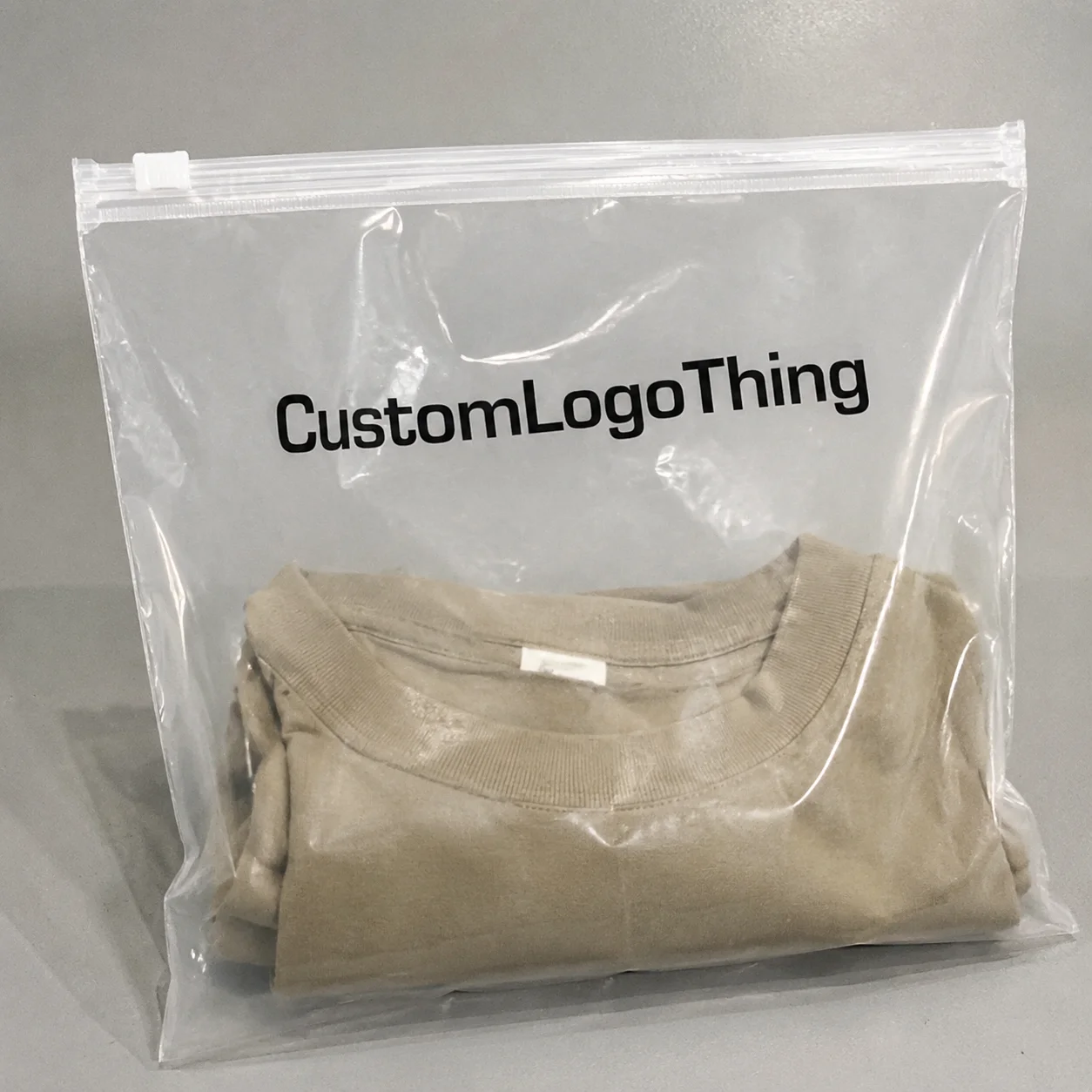
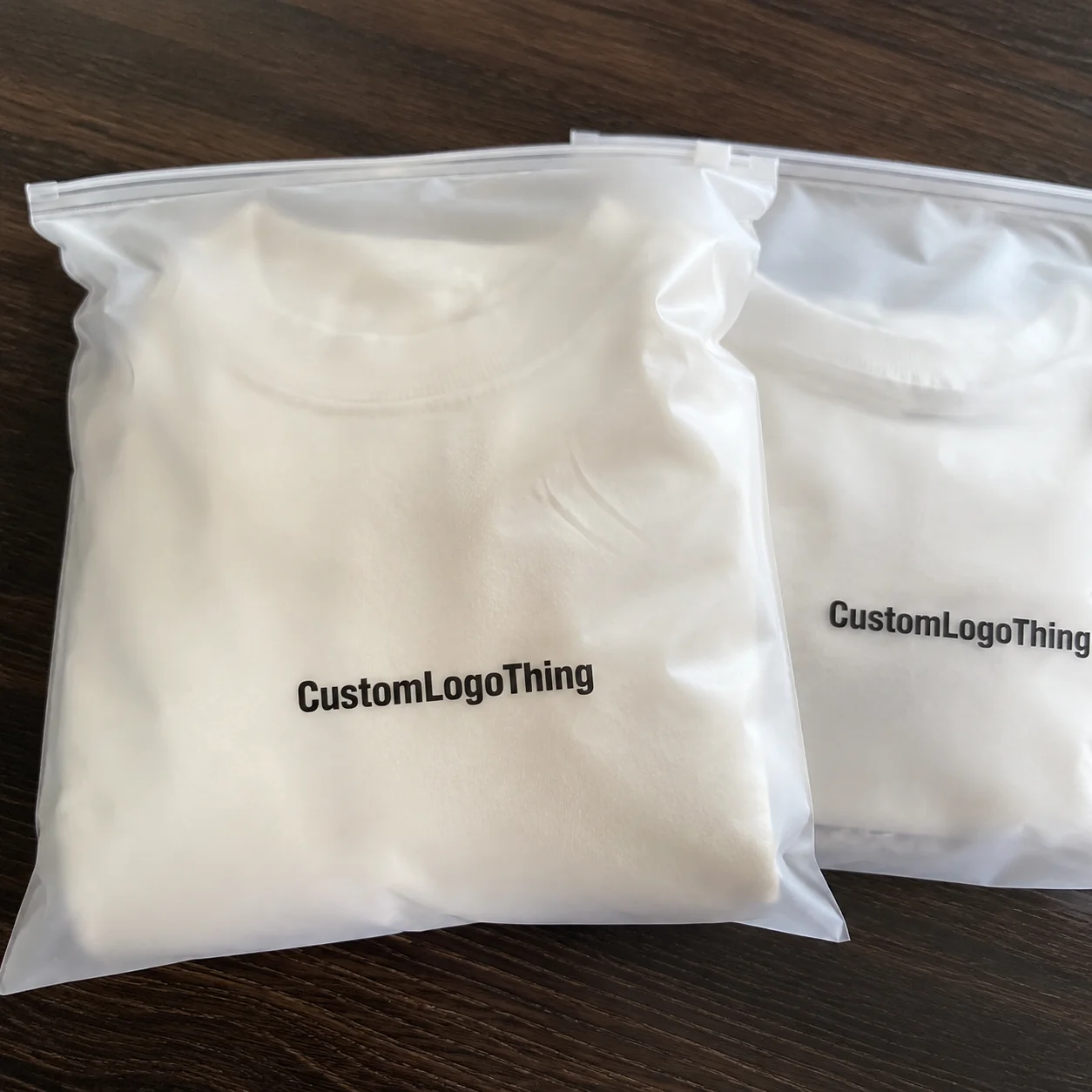
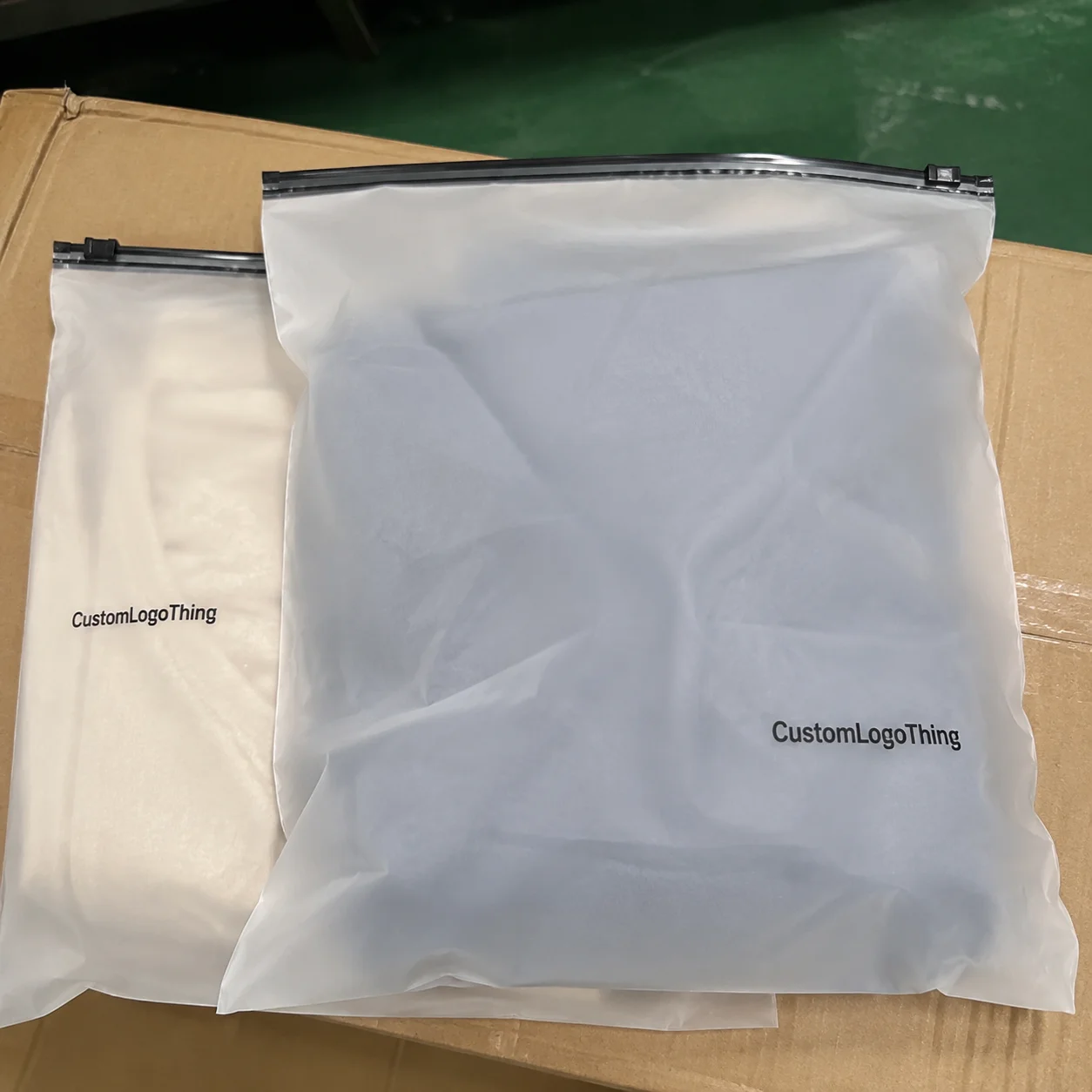
Most brands do not think seriously about packaging until the first shipment shows up late, wrinkled, or packaged like an afterthought. That is usually the moment Garment Poly Bags for Apparel brands moq planning stops being a procurement phrase and starts affecting cash flow, launch timing, and presentation. The bag is inexpensive. The mistakes around it are not.
Poly bags sit at the intersection of product protection, warehouse efficiency, and brand consistency. They are often the first physical layer a buyer, packing team, or retail partner sees. If the bag is too small, too flimsy, or printed badly, the product looks less finished. If the order quantity is wrong, the unit price climbs and the reorder schedule gets awkward fast.
That is why MOQ planning deserves more attention than it usually gets. Brands that treat bag purchasing like a one-line item tend to pay twice: once in avoidable cost and again in rework, delays, or inconsistent presentation. Nothing dramatic. Just a slow leak of margin. Lovely stuff.
Why garment poly bags still matter for apparel brands
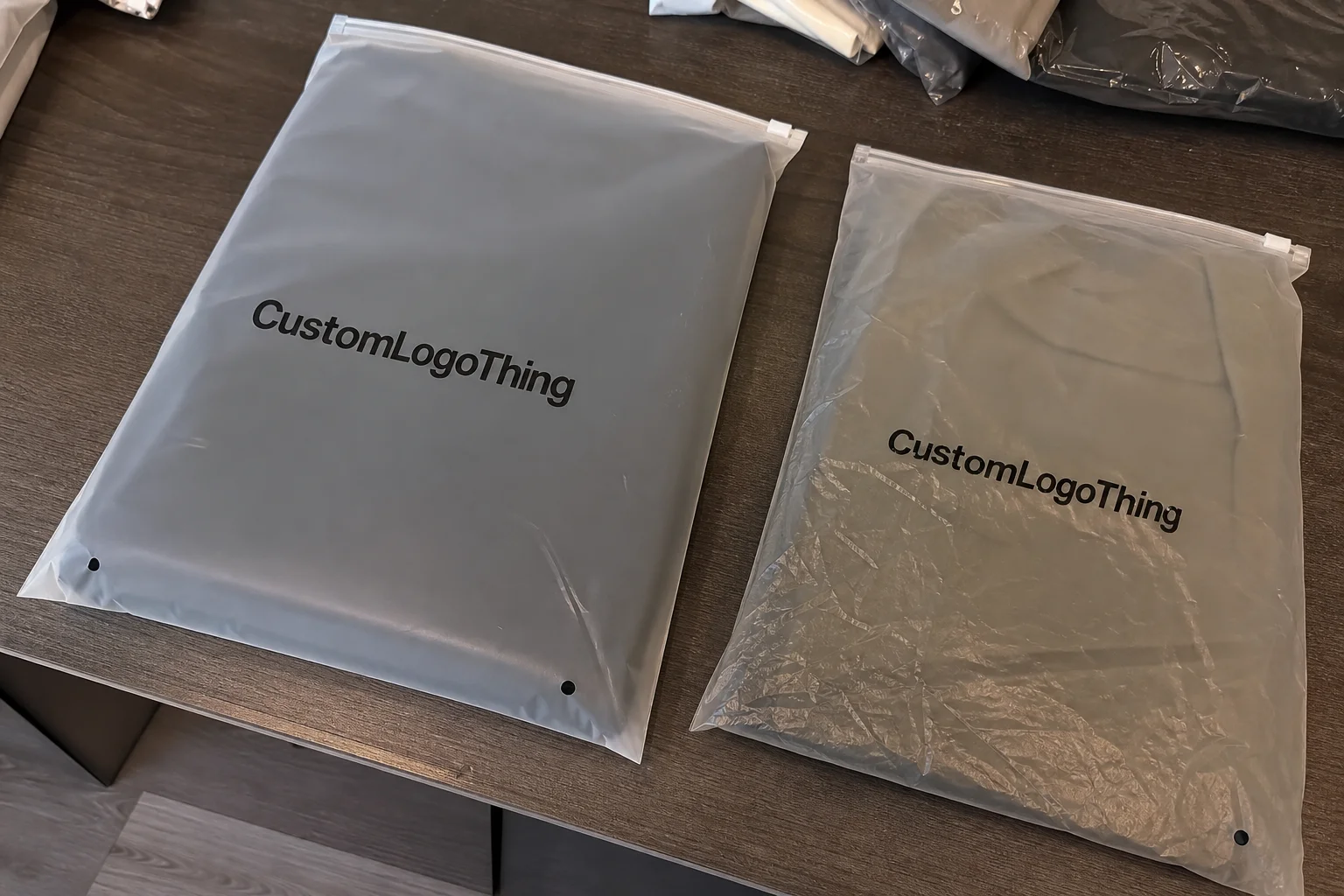
Garment Poly Bags remain the default packaging choice for tees, basics, intimates, activewear, and many folded apparel styles because they solve a practical problem without blowing up the budget. They keep dust off finished goods, reduce scuffing during handling, and make cartons easier to organize. For most product lines, that is enough.
There is also a warehouse benefit that gets ignored until operations starts complaining. Consistent bag sizing makes picking faster, keeps carton contents tidy, and reduces the visual mess that happens when every SKU is packed differently. For ecommerce, that tidiness matters even if the customer never sees the bag itself. Fulfillment teams notice the difference immediately.
For brand teams, the real value is control. A clear or lightly printed poly bag gives you a repeatable way to present folded garments without adding much cost. A flat white tee in a bag with the right dimensions, logo placement, and size marking looks intentional. The same shirt in an oversized sleeve looks like someone packed it during a fire drill.
These bags are not premium packaging. They do not pretend to be. That is part of the appeal. Low material cost, predictable production, and straightforward storage make poly bags a practical choice for apparel brands that need volume without drama. The key is matching the spec to the garment and the sales forecast instead of defaulting to whatever size last year’s vendor had in stock.
Practical rule: if the bag protects the garment and supports presentation, specify it like a real component. Otherwise you are just buying plastic and hoping the problem disappears.
Formats, closures, and print options that affect the order
Not every bag format fits every product. The right structure depends on the folded garment size, the thickness of the item, whether the bag is being used for retail display or ecommerce packing, and how quickly the line needs to move.
Common formats and where they fit
- Flat bags: common for tees, underwear, lightweight folded items, and straightforward ecommerce packing.
- Side-gusset bags: better for thicker knits, hoodies, or folded sets that need more room.
- Wicketed bags: useful for high-speed packing because staff can load them quickly.
- Header bags: used when hanging display or retail presentation is part of the packaging plan.
- Resealable bags: fit return-friendly programs, kits, or products that may be opened more than once.
Closures are more than a convenience detail. Adhesive strips work well for simple apparel packing and one-time sealing. Zip-style reseal options improve usability, but they add cost and can increase MOQ because of the extra material and processing steps. Some brands also need a suffocation warning flap or printed warning text, depending on the bag size and market requirements. Skip that, and you may end up with packaging that cannot be used where you planned to sell it.
Print should serve function first. One-color logo printing is often the cleanest route for apparel packaging because it keeps setup simple and usually offers the best pricing at lower and midrange volumes. Add size labels, SKU markers, barcodes, or compliance text only where they are useful. Full-color artwork can work, but it raises proofing complexity and often pushes pricing higher than brands expect. Decorative packaging for a low-margin item is a fast way to feel very creative and very broke.
If MOQ planning matters, reduce the number of bag variants. One size per garment family is usually enough. Multiple print versions, special finishes, and extra closures sound nice in a meeting, then they multiply confusion on the production floor. Every extra decision creates another approval step, another setup fee, or another delay.
Specs: sizes, thickness, and material choices
If the specification is vague, the quote will be vague too. A useful RFQ for poly bags should include width, height, gusset depth if needed, thickness in mil, closure type, print coverage, and any warning or compliance text. Without those details, suppliers are guessing. Sometimes generously. Sometimes not.
Size should be based on the folded garment, not the flat garment. That mistake happens constantly. A standard tee may fit in a 10 x 13 inch bag depending on the fold style. Hoodies, fleece, and bulkier items often need 14 x 18 inches, 15 x 20 inches, or a gusseted design. Leggings, kidswear, and sets each have their own packaging profile. Copying the same bag size across all SKUs is efficient only if you enjoy overpaying for empty film.
Typical size ranges by garment type
- T-shirts: often 9 x 12, 10 x 13, or 11 x 14 inches.
- Hoodies and fleece: commonly 14 x 18, 15 x 20, or gusseted formats.
- Leggings and activewear: often 9 x 12 or 10 x 14 inches with a tighter fold.
- Kidswear: smaller dimensions reduce waste and can lower unit cost.
- Sets and multipacks: usually need extra room, a gusset, or reseal capability.
Film thickness has a direct effect on cost and performance. Thinner film is cheaper and takes up less storage space. Thicker film feels sturdier and reduces puncture risk, especially for garments with trims, zippers, or dense folds. For apparel, common thicknesses often fall between 1.5 mil and 3 mil, though the exact choice depends on the product, the packing method, and whether the bag is only for dust protection or part of a retail-ready presentation.
Material selection affects clarity, feel, and sealing behavior. LDPE is widely used because it is flexible, economical, and clear enough for most apparel applications. CPP can offer a crisper look and better optical clarity in some cases. Recycled-content poly is increasingly requested, but any recycled claim should be backed by actual documentation and tested for the same seal performance and clarity you expect from virgin film. Sustainability language is cheap. Verified material performance is not.
Retail and ecommerce needs are not identical. Retail packaging often has stricter visibility requirements, clearer warning text, and more obvious branding. Ecommerce usually cares more about pack speed, storage efficiency, and carton density. The bag spec should reflect which channel matters more. If both matter, plan for the stricter requirement first.
For general packaging and material references, resources from the Packaging Institute and environmental guidance from the EPA can help frame disposal and sustainability questions. Your supplier still needs to confirm what is actually true for your target market and your final film construction.
MOQ, cost, and unit pricing
MOQ is shaped by bag size, thickness, print complexity, material availability, and whether you are ordering a stock item or a custom-made format. A plain clear bag in a common size can start lower. Add custom print, warning text, special closures, or unusual dimensions, and the minimum order usually climbs. That is not a penalty. It is just how setup-heavy production works.
The first quantity jump is often where the economics become visible. A run of 3,000 pieces may carry a noticeably higher unit price than 10,000 pieces because the setup cost is spread across fewer bags. Jumping again to 20,000 may reduce the price further, but the savings usually flatten after the major setup charges are absorbed. Compare pricing by tier, not by headline number. A cheap quote with a large hidden setup fee is still not cheap.
These ranges are useful for planning, though actual pricing depends on specification and market conditions:
| Order Type | Typical MOQ | Indicative Unit Cost | Notes |
|---|---|---|---|
| Stock clear garment bag | 500-1,000 pcs | $0.03-$0.08 | Fastest option; limited sizing and no custom print. |
| Custom one-color printed bag | 3,000-5,000 pcs | $0.08-$0.18 | Common choice for branding with manageable setup cost. |
| Custom printed bag with warning text and label areas | 5,000-10,000 pcs | $0.12-$0.25 | Better for retail programs and more detailed artwork. |
| Resealable or specialty format | 10,000+ pcs | $0.18-$0.35+ | Higher material and processing cost; useful for premium or return-friendly packaging. |
The main cost drivers are easy to identify once you look at the spec sheet: dimensions, thickness, color count, closure type, and packing method. Tooling or setup fees may be separate from unit cost. Freight matters too, especially when a bag is light but bulky enough to affect carton count. A quote that looks low before shipping can become much less charming after freight, duties, and packaging fees are added.
For Garment Poly Bags for apparel brands moq planning, the useful question is not “What is the cheapest possible order?” It is “What order quantity matches the forecast without forcing a rushed reorder?” A small test run feels cautious, but if it drives up unit cost and causes a late replenishment, the supposed savings disappear quickly.
As a rule, try to align MOQ with one or two production cycles, or with a stable seasonal forecast. If the same bag will be used across multiple styles, standardization usually improves both price and replenishment speed. If a bag is only for a top-selling line, a custom version may still make sense. Just do the math before approving the artwork.
Lead time and production steps
A clean process prevents more problems than rush fees ever will. Typical production flow looks simple: confirm specs, approve artwork, produce samples if needed, run production, inspect quality, and book freight. Skip any one of those steps and you usually create the delay yourself.
Most approval problems are annoyingly ordinary: missing dimensions, blurry artwork files, inconsistent logo placement, unclear warning text, or a last-minute change in color. Each one adds another round of proofing. That is why packaging should be finalized earlier than most teams want to admit. Once production is underway, change is expensive.
Typical lead times vary by order type:
- Stock bags: often 5-10 business days if inventory is available.
- Simple custom printed bags: often 12-15 business days after proof approval.
- More complex custom bags: commonly 15-25 business days, sometimes longer if material sourcing is tight.
New brands often underestimate the time needed for approval, internal alignment, and freight booking. If the bags are tied to a seasonal launch, retail onboarding, or distributor deadline, build buffer time into the schedule. It is cheaper to wait a few extra days before production than to pay expedited freight because the bag order started late. Transit is not sentimental. It will punish bad planning without hesitation.
Packaging decisions should also happen before the rest of the packaging stack drifts too far. Garment labels, hangtags, insert cards, and carton specs all depend on the bag size and fold method. If those items are finalized out of sequence, the whole packing workflow gets more complicated than it needs to be.
For shipment behavior and transit testing, ISTA resources are useful for understanding how packed goods perform under stress. If a bag includes recycled or paper-based components, the FSC framework is relevant for those specific materials. The supplier should still provide documentation for any claim tied to the plastic film itself.
Supplier selection and quality control
A good supplier should be able to provide a spec sheet, proof, quantity-based pricing, sample options, and a realistic timeline. If any of those pieces are missing, the quote is not complete. It is just a number with confidence issues.
There is a meaningful difference between a direct factory and a middleman. A factory can sometimes offer tighter control over production and pricing. A broker or sourcing partner may provide flexibility across formats or regions, but the communication chain is longer and the final costs may be less transparent. Neither is automatically better. What matters is whether they can handle your volume, your timeline, and your approval process without creating mystery.
Ask basic questions before you commit:
- What exactly is included in the price?
- Are setup charges or tooling fees separate?
- How are proofs handled and who signs off on them?
- What is the sample cost and turnaround time?
- What happens if dimensions or print elements change after approval?
Quality control should be boring and specific. Check seal strength, print alignment, film clarity, thickness consistency, and whether the bag dimensions actually fit the garment after folding. One sample that looks fine tells you very little. A full production run with inconsistent seals or weak film tells you everything you need to know, and usually after it is too late to be cheerful about it.
Warning signs are easy to spot if you are paying attention. Vague quotes, no proof approval process, no breakdown of MOQ by tier, and pricing that sounds magical are all reasons to slow down. If a supplier refuses to explain what changes the unit price, they are asking you to buy blind. That is rarely a good use of money.
For comparing packaging formats and related buying patterns, our Custom Packaging Products page and Case Studies can help you see how different specs affect order planning and production choices.
How to request an accurate quote
Before asking for pricing, put together a spec packet that is actually useful. Include the garment type, folded dimensions, target bag size, film thickness, closure style, print file, required compliance text, and the quantity range you are considering. The more precise the request, the less back-and-forth you will have to endure later.
Then compare quotes on the same terms. Keep the internal table simple.
- MOQ
- Unit cost at each quantity tier
- Lead time after proof approval
- Material and thickness
- Print method and color count
- Sample cost and sample timeline
One practical approach works better than trying to optimize every SKU separately: choose one bag spec that fits most of your line, then reserve custom variations for products that genuinely need them. Standardization reduces storage chaos, simplifies reorders, and usually improves unit pricing. Five bag sizes for garments that differ by a half inch is not a system. It is a warehouse tax.
If the project is new, request a physical sample or pre-production proof before approving the full run. Digital mockups are helpful, but they do not show how the film folds, seals, or stacks in cartons. They also hide minor issues in opacity, print sharpness, and fit. The rendered version can look perfect right up until the production sample looks like its tired cousin.
For brands building a repeatable purchasing process, Garment Poly Bags for apparel brands moq planning should sit in the packaging calendar, not in the last week before launch. Finalize the spec, get comparable quotes, approve the proof, and leave enough time for production and freight. That is the difference between a controlled rollout and a scramble dressed up as urgency.
If you need a starting point, review our FAQ and compare options across our Custom Poly Mailers and related packaging categories before locking the apparel bag spec.
FAQ
What MOQ should apparel brands expect for garment poly bags?
MOQ usually depends on size, thickness, print colors, and whether the bag is a stock item or fully custom. Stock options can be lower, while custom printed runs often start in the low thousands. The better question is how much inventory your sales forecast can support without forcing an expensive reorder too soon.
How do I estimate the right size for garment poly bags for apparel brands?
Measure the folded garment, not the flat garment. Leave room for insertion, sealing, and label visibility. A small number of standardized bag sizes across similar SKUs usually makes Garment Poly Bags for Apparel brands moq planning easier and cheaper to manage.
What affects pricing the most on custom apparel poly bags?
Bag dimensions, material thickness, closure style, and print complexity are the biggest drivers. Higher volume usually lowers unit cost after setup is spread out. Extra colors, specialty closures, and custom compliance text can push the price up quickly.
How long does production usually take after approval?
Stock bags usually move faster than custom printed runs. Custom production often takes longer because of proofing, material sourcing, printing, and quality checks. The safest schedule is the one with buffer time built in before a launch or retail deadline.
Can garment poly bags be customized with logos and compliance text?
Yes. Most apparel brands print logos, size information, warning text, and SKU details on the bag. The print method and number of colors affect both MOQ and cost. Compliance wording should be confirmed before production so the bags are usable in your target market.