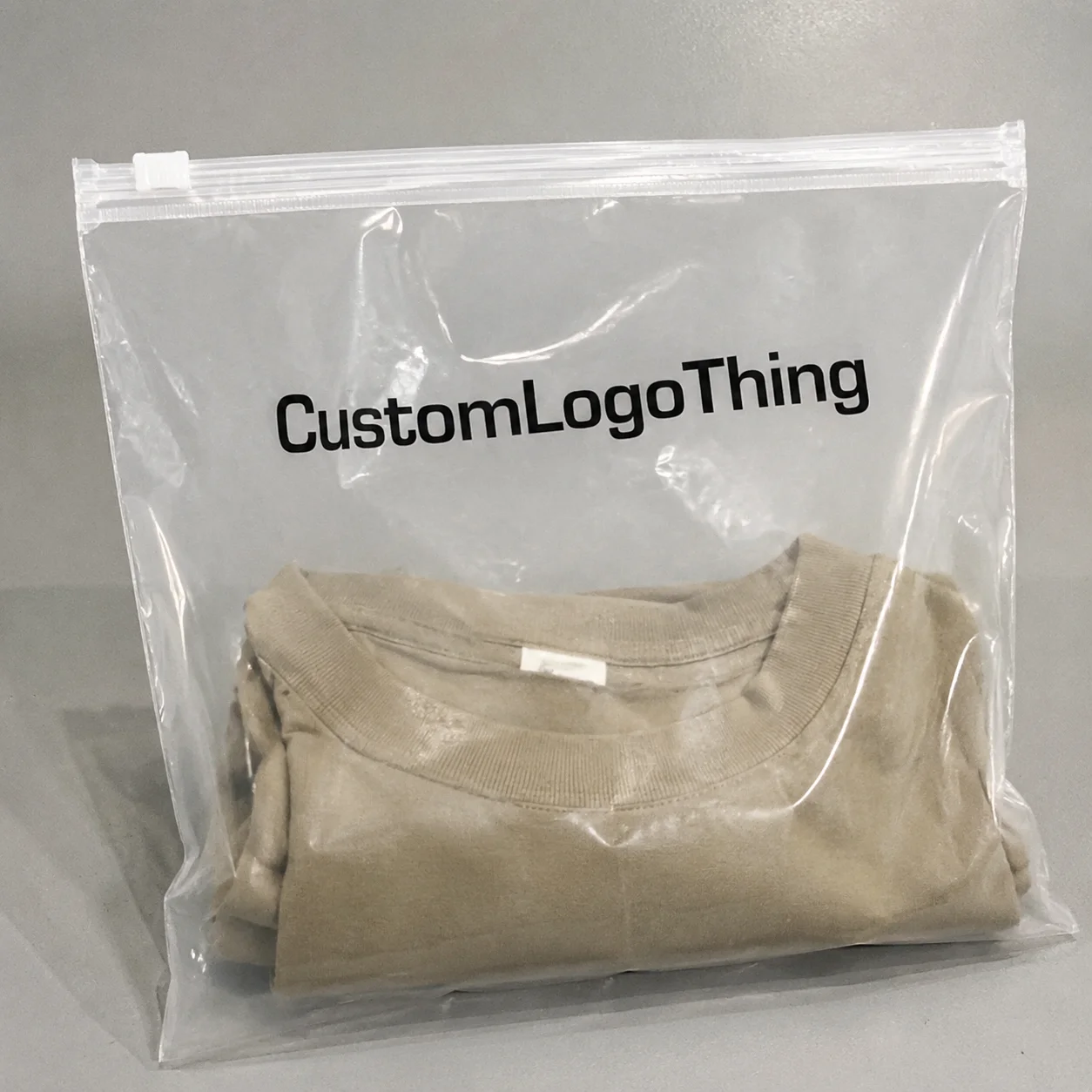
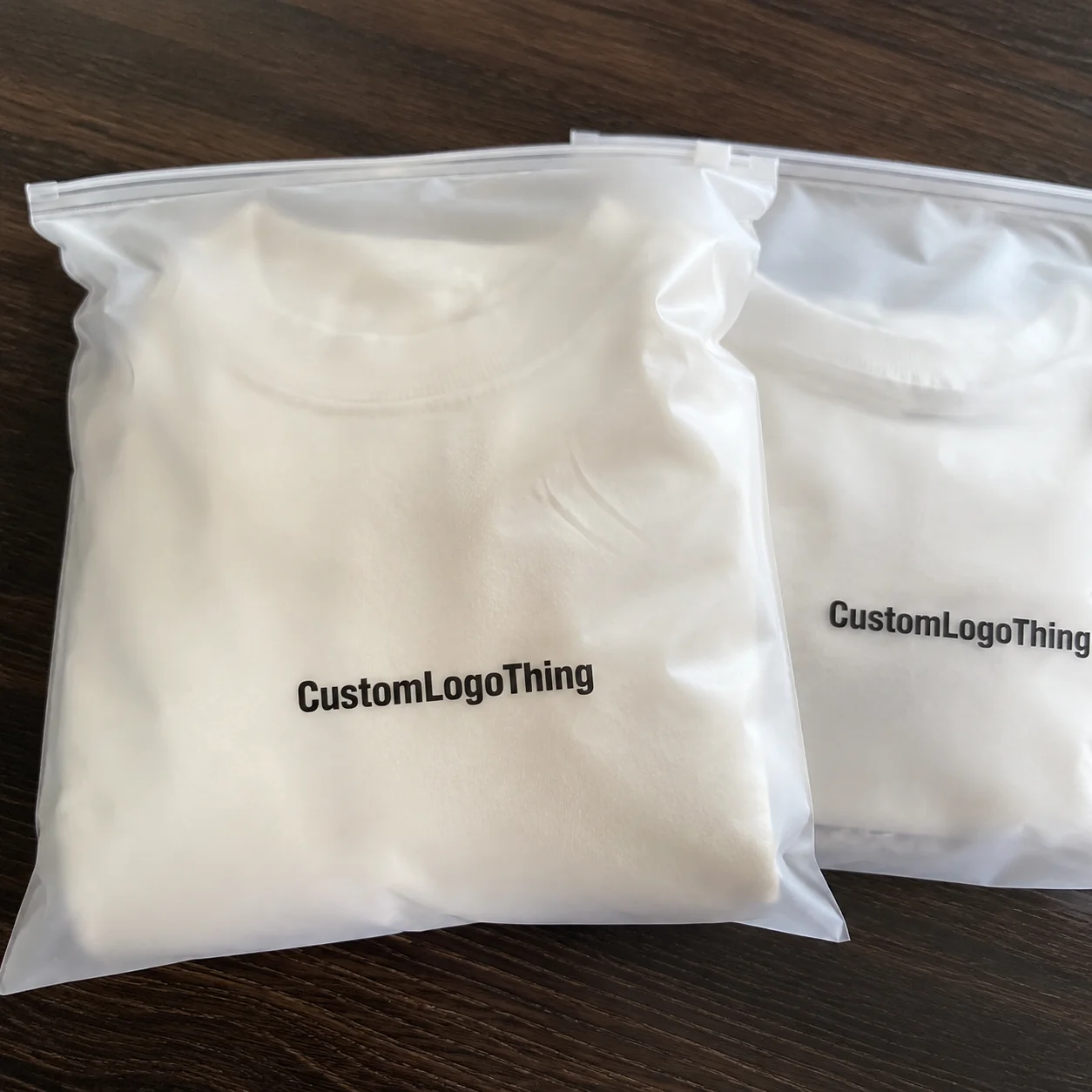
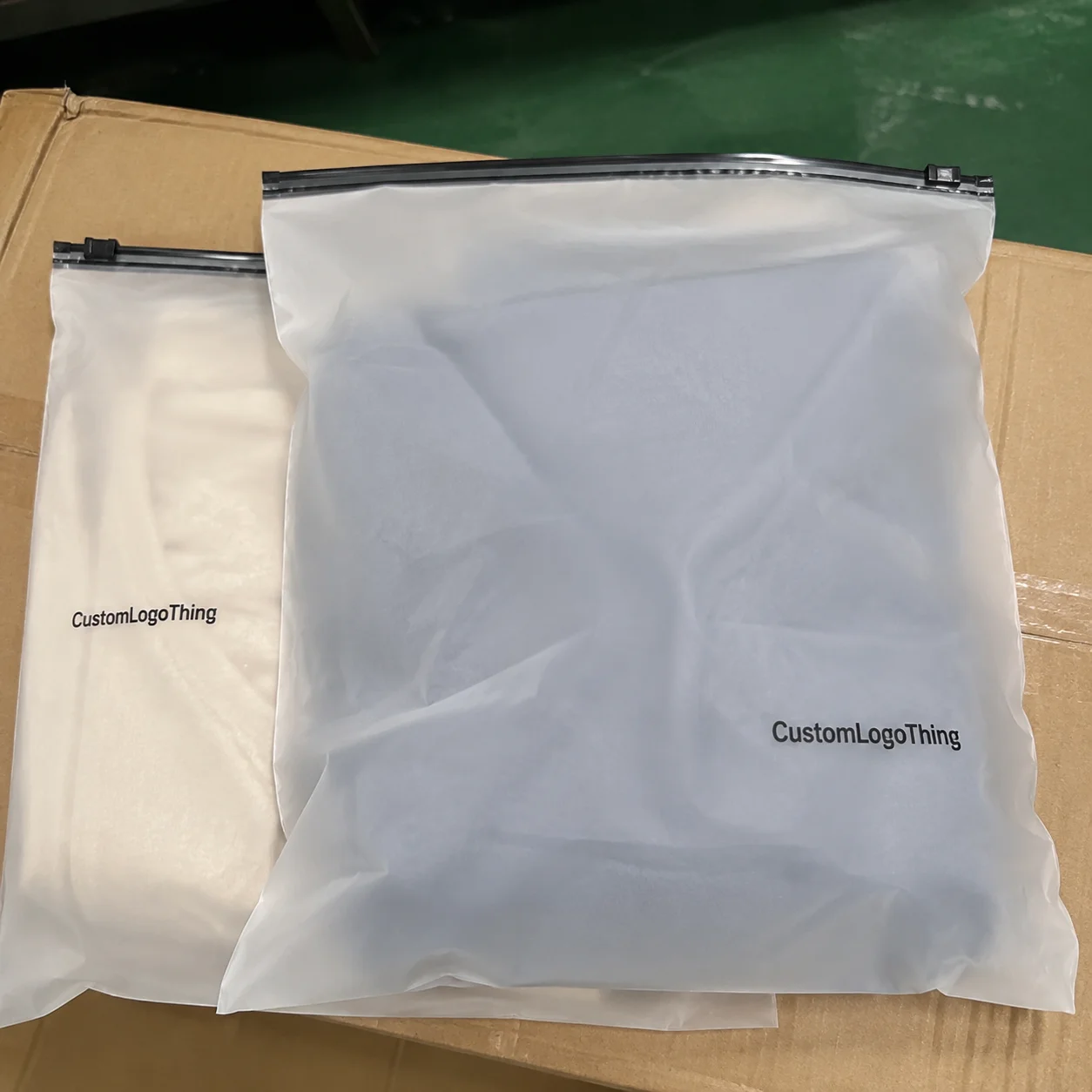
Garment Poly Bags for apparel brands material comparison matters because the wrong film can create rejects, wrinkled goods, and a cheap-looking presentation. The right one keeps garments clean, stacks efficiently, and supports the brand without adding unnecessary cost.
Garment Poly Bags do three jobs at once: protect against dust and moisture, keep folded apparel organized in transit, and preserve presentation from packing table to customer. Two bags can look similar in a sample set and still behave very differently once sealed, stacked, and shipped at scale.
Most buyers are balancing four priorities: damage reduction, visibility, cost control, and retailer or sustainability requirements. Those goals do not always line up. A clearer bag may look better on shelf, but a tougher film may be the smarter choice for heavy knits, denim, or long warehouse runs.
Why the “cheap bag” choice can quietly hurt apparel sales
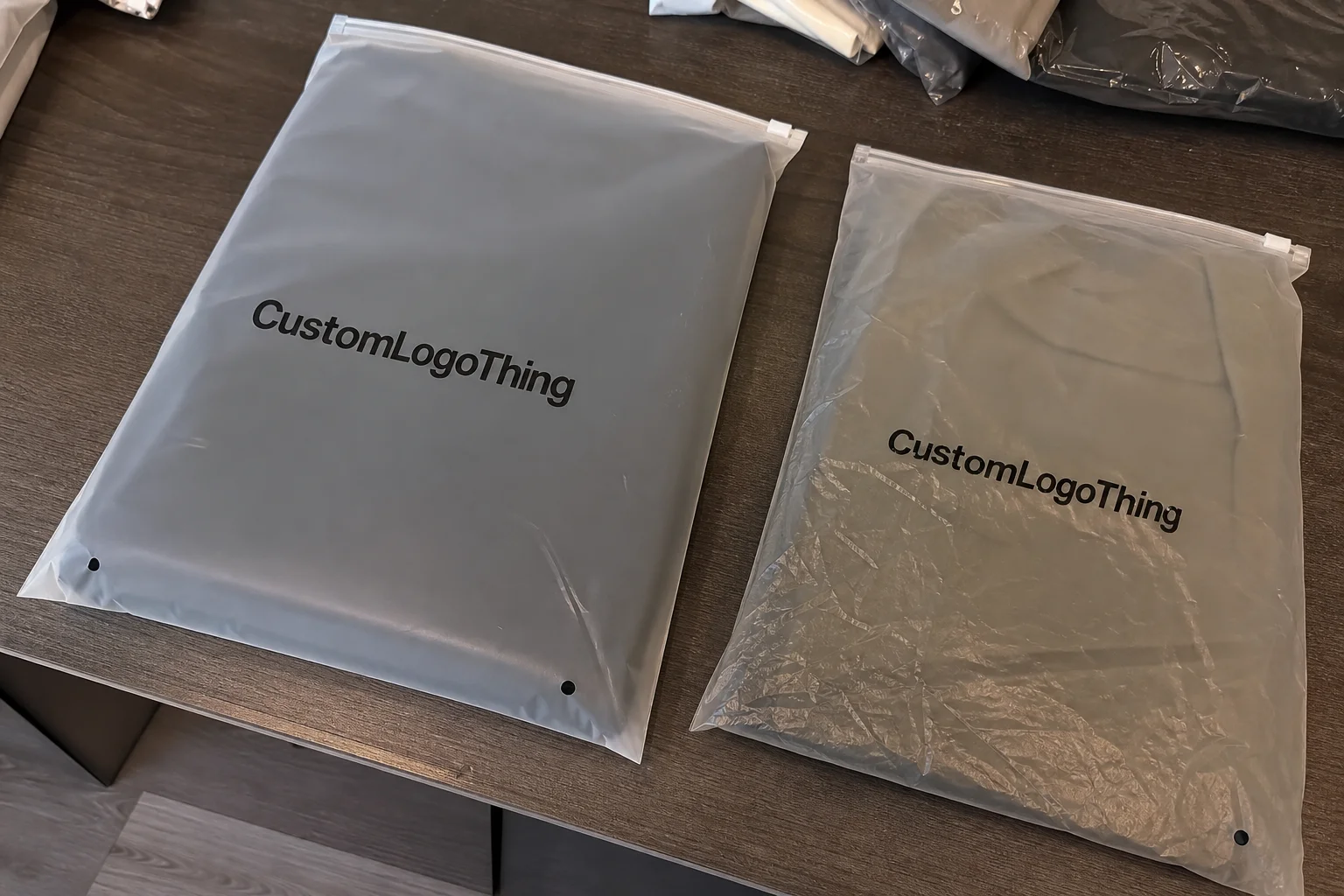
A premium tee in a cloudy, flimsy poly bag does not feel premium. If the bag splits in transit, the garment often arrives wrinkled or marked, and a small packaging save turns into a merchandising problem.
Garment Poly Bags are the clear or semi-clear sleeves used for folded apparel, retail prep, and bulk packing. Apparel brands use them because they are lightweight, inexpensive relative to the product, and easy to standardize across styles. In practice, they influence presentation, warehouse efficiency, and shipping protection all at once.
That is why material selection should start with use case, not just sticker price. A bag for e-commerce order packing may need stronger seal integrity and better puncture resistance. A bag for retail display may need higher clarity and a cleaner finish. A warehouse bulk pack may care more about cost per thousand and stackability than shelf appearance.
Compliance can also become part of the decision. Some retailers want packaging specs documented. Some brands need recycled-content claims backed up. Some programs are moving away from mixed materials and need the packaging system to make sense as a whole. If the packout also includes corrugated cardboard cartons, kraft paper inserts, or biodegradable packaging for other components, the poly bag still has to fit the rest of the stack.
“The cheapest bag is rarely the cheapest option once you count rejects, returns, and the brand hit from a bad unboxing.”
How garment poly bag materials actually work
Most garment bags are built from a small group of film families, and the differences are practical rather than glamorous. LDPE, LLDPE, HDPE, CPP, and recycled blends each behave differently in sealing, clarity, softness, and puncture resistance.
LDPE is the common all-rounder. It has a softer hand feel, good clarity, and solid moisture resistance. LLDPE is tougher and more puncture resistant, which helps when garments are bulky, tightly folded, or handled roughly. HDPE is stiffer and more crisp, but it usually looks less refined for premium retail presentation because the film can feel noisier and less smooth.
CPP brings a cleaner, glossier look and often reads as more premium than standard PE films. It can be a strong option when visual presentation matters enough to justify the higher cost. Recycled blends, including post-consumer waste content, can support sustainability goals, but consistency and clarity may vary more than virgin film.
Thickness changes performance as much as resin type. A 1.5 mil film and a 2.5 mil film may both be “poly bags,” but they do not behave the same in sealing or tear resistance. Additives matter too: anti-static additives help with cling, slip agents improve stacking, and UV stabilizers can help with storage if the bags sit around for a while. A decent supplier should explain the film spec clearly.
Clarity matters more than many buyers expect. If the bag needs to show a hang tag, size label, or front-back print, the film has to stay optically clean enough to avoid haze. If the brand wants a softer, less reflective look, that shifts the material choice.
Material comparison for garment poly bags for apparel brands
If you are doing Garment Poly Bags for Apparel brands material comparison seriously, compare the material against the garment and the channel. Here is the practical version.
| Material | Strengths | Tradeoffs | Best use cases | Typical buyer fit |
|---|---|---|---|---|
| LDPE | Soft feel, good clarity, easy sealing, solid moisture protection | Moderate puncture resistance; can feel too plain for luxury presentation | Tees, knits, general retail packing | Mid-market and value brands |
| LLDPE | Higher tear and puncture resistance, better for rough handling | Can be slightly less glossy; may not look as refined as CPP | Denim, heavy knits, shipping bags, warehouse packs | Brands prioritizing durability |
| HDPE | Stiff, crisp, cost-efficient at times | Less premium hand feel; can look noisy and less clear | Bulk packaging, utility packing | Cost-sensitive programs |
| CPP | Glossy look, strong presentation, good seal appearance | Higher cost; less forgiving if abused in transit | Premium folded garments, retail display | Premium brands |
| Recycled blend | Sustainability story, often acceptable strength | Clarity and consistency can vary; samples matter | Sustainability-led packaging programs | Brands with verified claims |
For tees and basic knitwear, LDPE is often the most balanced option. It gives decent presentation without pushing cost too high. For denim or thick hoodies, LLDPE usually earns its keep because it resists punctures better during folding, packing, and carton movement. For intimates and premium folded garments, CPP may justify the higher unit cost if the visual presentation supports the brand positioning.
For e-commerce packing, the choice depends on whether the bag is only a dust sleeve or part of the shipping system. If it rides inside a mailer or carton, Custom Poly Mailers may be a better companion product than over-specifying the garment bag itself. If the order is retail-facing or store-stocked, the bag becomes part of the display story and should be treated that way.
Recommendation by brand position:
- Value brands: LDPE or HDPE with simple print and standard thickness.
- Mid-market brands: LDPE or LLDPE for a better balance of appearance and durability.
- Premium brands: CPP or higher-clarity LDPE with careful gauge control.
- Sustainability-led brands: recycled blends, but only with tested performance and clear claims.
If you are comparing suppliers, ask for sample sets in the exact film family and thickness you plan to order. A 20% difference in clarity or a slight shift in stiffness can change how the bag folds around the garment. You will catch that in a sample. You will definitely catch it after 8,000 units if you skip the sample.
Cost and pricing: what changes your unit cost the most
Material cost is only one part of the price. The biggest unit-cost drivers are resin type, thickness, bag size, print coverage, recycled content, and order quantity. A small custom bag with simple one-color print can still be expensive if the MOQ is low, because setup and waste get spread across fewer units.
For rough planning, plain stock-style garment bags at higher volumes may land in a lower unit range than custom printed bags. Custom runs often move into something like $0.03-$0.10 per unit for simpler specs at scale, while thicker or premium printed bags can climb higher depending on size, film choice, and finishing. Low MOQ orders can push unit cost up fast.
Here is where buyers get surprised: a bag with a zipper, vent holes, gusset, or custom sizing can cost more than expected even before you add print. Special closures and tighter tolerances increase both material use and production time. A recycled blend may also cost more, especially if the film needs tighter sorting and better incoming resin control.
If you need a price-efficient program, spend where it affects failure rate. A slightly thicker bag that avoids tears in transit is usually worth more than a decorative detail nobody remembers. On the other hand, do not pay for a premium film when the bag is going inside a carton and never seen by the customer.
Simple spending rule:
- Pay more for better film when the bag is visible, handled a lot, or protecting heavy garments.
- Keep specs simple when the bag is mainly a dust barrier inside another package.
- Ask for volume breaks early; 5,000, 10,000, and 25,000 pieces can price very differently.
If your packaging mix also includes kraft paper inserts, FSC certified cards, or corrugated cardboard shipper boxes, compare the whole packout cost, not just the bag line. Brands often save two cents on the sleeve and lose five cents somewhere else.
Process and lead time: from spec sheet to shipped cartons
The ordering process is straightforward if the buyer sends real information. First comes sizing: flat width, length, gusset if needed, and closure type. Then material selection, print details, thickness, and packing method. After that comes artwork approval, sampling, production, inspection, and carton packing. Most delays come from unclear specs, artwork changes, or late size revisions.
Typical lead times depend on complexity. Simple stock-style bags can move faster, sometimes within 7-12 business days after proof approval if inventory and line capacity line up. Custom printed runs often take 12-20 business days. Specialty film, recycled content, or more complex construction can stretch that further. If the supplier needs a sample round, add time.
For apparel buyers, the fastest way to shorten lead time is to send a complete spec sheet up front. Include garment type, folded dimensions, target bag size, target thickness or gauge, print area, quantity, ship-to destination, and any retailer requirements. If the bags must work with warehouse automation or a specific packing station, mention that too.
Practical checklist before requesting quotes:
- Garment type and folded dimensions
- Bag size, closure, vent holes, or gusset needs
- Film preference: LDPE, LLDPE, HDPE, CPP, or recycled blend
- Print colors and coverage area
- Target quantity and reorder expectations
- Retail, DTC, or bulk warehouse use
- Any sustainability claims that must be documented
If you need broader packaging support beyond poly bags, it helps to work from a packaging system view instead of buying one item at a time. Brands that coordinate garment bags with cartons, tissue, labels, and outer mailers usually get cleaner pricing and fewer mismatched specs. You can see that kind of coordinated planning in our Custom Packaging Products range, or review broader packaging examples in our Case Studies.
For shipping performance and material handling context, it also helps to check recognized guidance from groups like ISTA and EPA recycling resources.
Common mistakes apparel brands make when choosing poly bag materials
The first mistake is picking by price alone. Cheap film that splits at the fold line or turns hazy after handling is not a bargain. It is a future rework cost with a low sticker price.
The second mistake is choosing a material that fits the garment but not the operation. A soft LDPE bag might look great for retail, yet if the warehouse stacks dense denim bundles all day, LLDPE may survive far better.
The third mistake is ignoring seal strength, thickness, and static issues. Lightweight synthetics can cling badly without the right additive package. Heavy fabrics can punch through a thin film during folding or carton movement.
The fourth mistake is leaving compliance and claims until the last minute. If you are using recycled materials, make sure the claim is backed by actual resin content and supplier documentation. If you want to reference biodegradable packaging, make sure the claim is valid for the component and not a fuzzy marketing sentence.
One more thing: do not assume “clear” means “better.” Some garments photograph better in a cleaner gloss, while others look more premium with a softer finish and less glare. The correct answer depends on the product and channel.
Expert tips for choosing the right film, spec, and supplier
Start with the garment and the channel. Retail display, DTC shipping, and bulk warehouse packing are different jobs, so they need different bag specs. A display bag should emphasize clarity and neat folding. A shipping bag should emphasize protection and consistency. A bulk pack needs repeatable sizing and stack efficiency.
Ask for samples in the exact thickness and closure style you plan to buy. Not a “similar” sample. Not a “close enough” version. The difference between 1.8 mil and 2.2 mil, or between a zipper and a flap seal, changes how the bag performs in the real packing line.
Request a tolerance range on size and gauge before you approve production. Reasonable suppliers can give you a width and length tolerance, plus expected clarity and seal performance. If they cannot, that is a signal.
Use a simple decision rule:
- Protection first for shipping and warehouse handling.
- Clarity first for retail presentation and visual merchandising.
- Sustainability claims only when they are documented and verifiable.
One practical sourcing tip: if your brand also uses paper-based packaging, ask whether the supplier can help align the poly bag with the rest of the packout. A packaging set that mixes corrugated cardboard, kraft paper, and a recycled-content bag can look much more intentional than a random assortment of materials.
If you are comparing Garment Poly Bags across multiple SKUs, build one spec sheet template and reuse it. It keeps quoting clean, reduces revision cycles, and makes reorders much easier.
What is the best material for garment poly bags for apparel brands material comparison?
LDPE is usually the most balanced option for softness, clarity, and general apparel use. LLDPE works better when puncture resistance matters more than crystal-clear presentation. The best choice depends on garment weight, handling, and whether the bag is for retail display or shipping.
How thick should garment poly bags be for apparel brands?
Lightweight garments often use thinner films, while heavier items need more gauge to avoid tears. Common buying ranges are usually chosen based on product weight and warehouse handling, not just appearance. Ask for samples if you are unsure, because a bag that looks fine can still fail in packing.
Are recycled garment poly bags as strong as virgin film options?
They can be strong enough, but performance depends on resin quality, blend ratio, and film structure. Recycled content may slightly affect clarity or consistency, so samples matter. If your brand needs a premium visual, test first before committing to a full run.
What affects the cost of custom garment poly bags the most?
Material type, thickness, size, print coverage, and order quantity are the biggest drivers. Special features like closures, vents, or custom sizing raise the unit cost. Low MOQ orders usually cost more per bag.
How long does it take to produce custom garment poly bags?
Simple stock-style orders move faster than fully custom printed or specialty material orders. Artwork approval, sampling, and spec changes can add time. Send complete specs early if you want a smoother turnaround and fewer delays.
Bottom line: the right film choice comes down to product, channel, and budget. LDPE is the reliable all-rounder, LLDPE handles abuse better, HDPE is more utilitarian, CPP looks cleaner, and recycled blends can work well if the performance is tested. Match the bag to the garment and the operation, not to the cheapest quote in the inbox.