A good quote sheet is not just about price. It is about getting the same product quoted by every supplier, on the same assumptions, with the same packing and delivery terms. That is the whole point of a Garment Poly Bags for Gift shops supplier quote checklist. Without it, you are comparing a clean spec from one vendor against a vague estimate from another and pretending the numbers mean the same thing.
Gift shops sell presentation as much as they sell the item inside the bag. If the film is too thin, the product looks cheap. If the bag is oversized, the display looks sloppy. If the finish is too shiny, the lighting turns every wrinkle into a distraction. The bag is not the star, but it can absolutely ruin the scene.
That is why the first job is not finding the lowest quote. It is defining the bag so tightly that the quote means something.
Why the cheapest quote can create the highest total cost
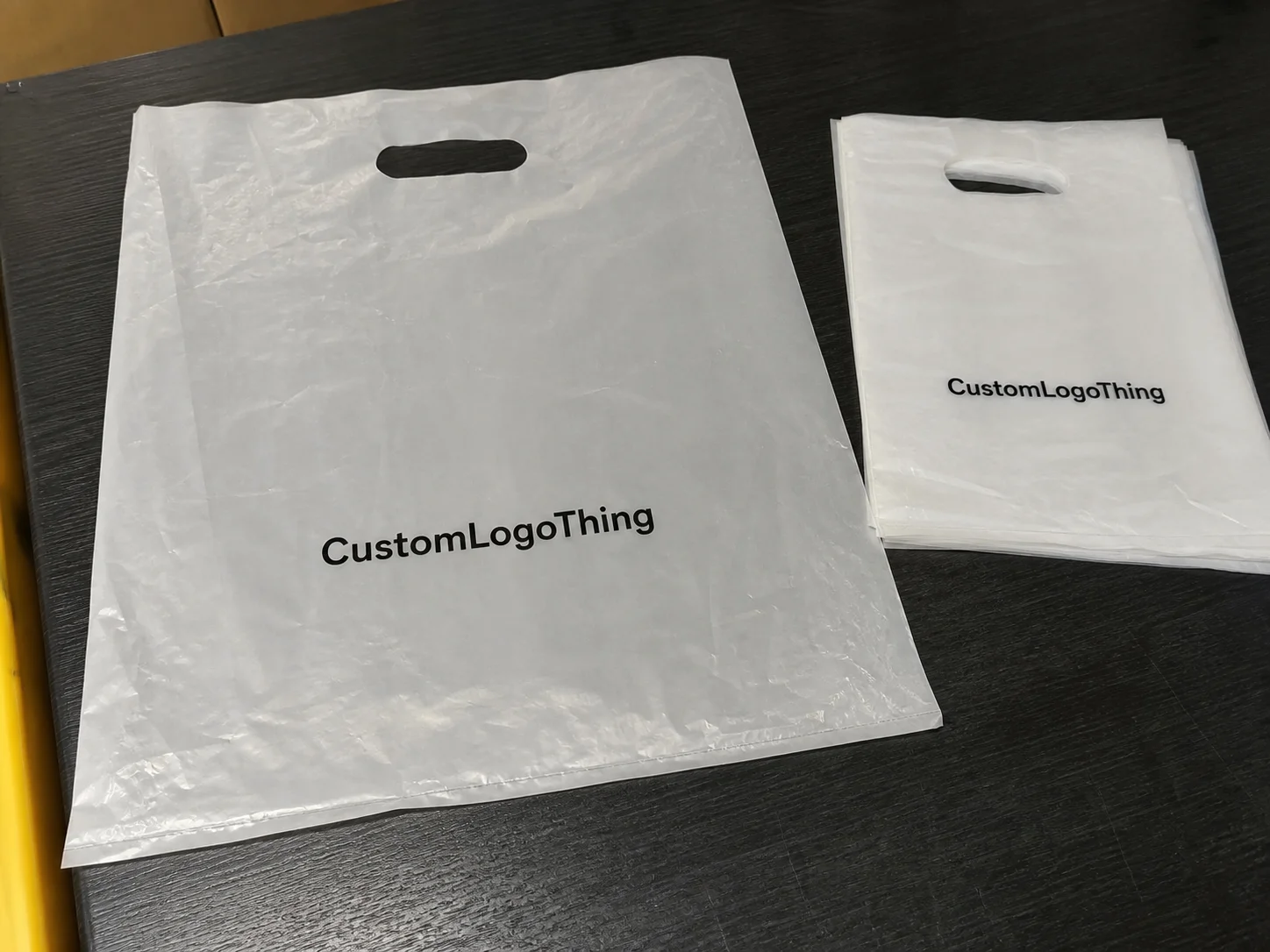
The lowest number on a quote is often the least useful number. One supplier may be pricing a 1.8 mil flat bag with loose tolerances and plain carton packing. Another may be quoting 2.5 mil film, tighter sizing, stronger seals, and better inner packing. Those are different products. Comparing them line for line is how buyers end up with a bargain that turns expensive later.
The real cost shows up in labor, waste, and presentation. A bag that is too large makes folded apparel slide around. A bag that is too thin wrinkles, tears, or scuffs during handling. A bag with poor clarity hides the item instead of framing it. None of that is dramatic, but all of it hits the shelf, and customers notice faster than buyers do.
There are also indirect costs that never appear in the first quote. Oversized cartons increase freight cube. Poorly packed inner bundles slow down store staff. Vague artwork proofing creates rework. Seasonal orders that miss their window force rush freight. Those costs add up quickly, and they rarely show up in a supplier’s headline number.
The fix is straightforward: force the same assumptions across every supplier. Size, thickness, film type, closure style, print coverage, carton count, and delivery terms need to be locked before the RFQ goes out. Otherwise one vendor prices the easy version, another prices the durable version, and the spreadsheet becomes a fiction with columns.
A cheap bag that makes the product look discounted is not cheap. It is a margin leak with a lower invoice.
For buyers who want to see what else is available beyond a single bag format, Custom Packaging Products is the broader category. If the need is shipping rather than shelf presentation, Custom Poly Mailers may be the better fit. Retail display and outbound shipping are not the same problem, and the bag should not pretend otherwise.
Bag formats that fit apparel, accessories, and gift sets
Flat poly bags cover a lot of ground. They are simple, cheap to stock, and easy to size for tees, scarves, socks, and other lightweight folded goods. They also stack well in drawers and under counters, which matters in a gift shop where staff need to move fast and keep the display tidy.
Once the product gets thicker, flat bags start fighting the merchandise. Sweater sets, bundled gifts, and heavier folded items usually need gusseted bags so the package does not bulge or pinch at the corners. That extra depth keeps the silhouette clean and reduces the chance of seal stress. Resealable styles are useful for accessories and gift sets that may be opened and handled more than once.
The format should match the SKU mix. A store that sells folded tees, scarves, socks, jewelry cards, and seasonal sets should not try to force one generic bag size across every item. That leads to either excess air in the bag or crushed corners inside it. Both look bad. Both are avoidable.
Clarity and finish matter more than people want to admit. High-clarity glossy film gives a crisp view of the product, but it can reflect hard under store lighting. Matte or lower-gloss finishes reduce glare, though they can soften the visual impact. Neither is always right. The better choice depends on whether the merchandise needs sparkle or restraint.
Print placement also changes the feel. A small logo at the top corner behaves very differently from a full-panel printed bag. So does a bag with a flap, adhesive strip, zipper, or side seal. If hang tags, insert cards, or stickers are involved, say where they sit before the quote goes out. Small layout choices can change how the bag opens, closes, and stacks.
There is one simple test I use mentally: if the bag makes staff slow down, the format is wrong. If it adds a step at checkout or on the shelf, that cost will show up somewhere else.
That is also why fit matters more than flair. A crisp fold inside a clear, correctly sized bag reads as organized and premium. A loose fit reads as rushed. Packaging does not need to be clever. It just needs to stay out of the way of the product.
Size, thickness, finish, and seal specs to include in the RFQ
Do not ask for a “strong” bag. That tells the supplier nothing useful. Give thickness in mils or microns, because that is how film is priced and controlled. For retail garment bags, common buyer targets land somewhere around 1.5 to 3.0 mil, depending on the item weight, how often it will be handled, and whether the bag is expected to be reused by the customer.
Size must be written in a way the factory can measure without guessing. Include open width, length, gusset depth if needed, and any acceptable tolerance. If a folded tee needs a 10 x 14 inch bag with a 1 inch bottom gusset, say exactly that. “Close enough” creates the two classic failures: too much spare space or a seal that sits too tight around the product.
Finish and resin type are not decoration. LDPE is common for flexibility and toughness. CPP is often chosen where extra clarity or a crisper feel matters. Seal type also changes performance: side seal, bottom seal, zipper closure, self-adhesive lip, and resealable flap all behave differently in use. If the buyer wants the bag to be opened and closed multiple times, the seal choice matters more than the print.
Print specs need the same discipline. List artwork size, print position, color count, ink coverage, and acceptable registration tolerance. A single-color logo in one corner is not priced the same way as a full-panel print with heavy coverage. If the supplier is still guessing at setup after the RFQ has gone out, the quote is not ready.
Measurement discipline matters because quotes only compare cleanly when the underlying data is tight. Packaging groups and transit-testing standards like Packaging and ISTA exist for a reason: small spec mistakes become large logistics problems once the product moves through storage, handling, and shipping.
Carton packing deserves the same level of detail. State pieces per inner pack, inners per carton, master carton dimensions, and whether the cartons need to fit a shelf bay, a storage rack, or a pallet pattern. Freight cost is heavily driven by cube. A good bag spec with a bad carton spec is still a bad buy.
Garment poly bags for gift shops supplier quote checklist
This is the part that keeps the RFQ honest. Open every supplier request with the same Garment Poly Bags for Gift shops supplier quote checklist so each vendor prices the same assumptions. If the spec changes from one supplier to another, the comparison is broken before it starts.
Start by separating each SKU. A 9 x 12 inch flat bag for scarves should not be grouped with a 12 x 18 inch gusseted bag for sweaters. Separate by size, use case, and print status. Ask for pricing at several quantities, not one. A single number is usually a sales number, not a buying tool.
| Bag Type | Typical MOQ | Best Use | Planning Price Range | Main Risk |
|---|---|---|---|---|
| Clear flat blank bag | 1,000-3,000 pcs | Tees, scarves, socks | $0.05-$0.11/unit | Oversizing makes the display look loose |
| Gusseted blank bag | 2,000-5,000 pcs | Thicker folded apparel, bundled gifts | $0.08-$0.16/unit | Bad depth spec creates puffing or pinch points |
| One-color printed bag | 3,000-5,000 pcs | Branded gift shop presentation | $0.12-$0.22/unit | Artwork setup and registration can add cost fast |
| Full-panel printed or resealable bag | 5,000-10,000 pcs | Seasonal sets, premium retail packs | $0.18-$0.35/unit | Freight, waste, and proofing can erase savings |
Ask for the line items separately: material, printing, setup or plate charge, sample charge, inner pack, carton charge, and freight terms. If the quote comes back as one lump sum, that is not transparency. That is camouflage. A proper quote should show which costs are one-time and which are recurring.
Shipping terms need to be explicit too. EXW, FOB, and delivered pricing are not interchangeable, and a low factory price can turn into a middling landed cost once freight, duties, and handling are added. If you can, compare landed cost only. If not, at least normalize freight before deciding who actually wins.
Ask for sample timing as well. A mockup may be quick, a blank physical sample usually takes a little longer, and a printed approval sample can add more time if artwork or tooling is involved. Suppliers that skip this detail tend to miss the real schedule later.
For buyers building a larger retail packaging program, the checklist should also capture whether the bag needs to match other components such as tissue, inserts, hang tags, or cartons. Consistency across the pack often matters more than any one item looking perfect on its own.
Cost, MOQ, and unit-price thresholds that change the deal
The biggest price drop usually happens when you cross a production threshold, not when you bargain over the last cent. That is why I ask for pricing at 1,000, 3,000, 5,000, and 10,000 pieces whenever the supplier can quote it. Setup cost gets spread across more units, so the unit price often drops. Not always in a smooth line, though. Sometimes the jump is obvious. Sometimes it is barely there.
MOQ shifts with size, thickness, and print complexity. A standard blank bag in a common size usually has a lower MOQ than a custom-printed gusseted bag. Bigger dimensions use more film. More colors mean more setup. More setup means more cost. None of this is mysterious. It is just production.
For gift shops, blank bags often make sense when the product mix is broad and the brand mark is light. Printed bags work better when the store wants a stronger identity or a more polished presentation. The price gap between blank and printed can be modest at higher volume, but at low volume it can be wide enough to change the buying decision entirely.
Landed cost is the only number that matters if the comparison is real. A factory quote that looks attractive can lose its edge once freight, duties, sample charges, and carton fees are added. That is why the cheapest supplier is not automatically the best supplier. More often, it is just the first one to leave out the expensive parts.
There is also a presentation tradeoff that gets ignored too often. Printed bags are not just decoration. They can reduce the need for extra stickers or tags and make the item feel more intentional on the shelf. That does not make print free. It does mean the cost should be judged against the extra retail value it creates, not against blank plastic in a vacuum.
If the order is small and seasonal, prioritize the format that keeps waste and rework low. If the order repeats every month, focus on price bands, delivery reliability, and consistency over time. Unit price matters more as volume rises, but inconsistency gets more expensive even faster.
Production steps, lead time, and delivery workflow
Keep the workflow simple: inquiry, spec confirmation, artwork proof, sample approval, production, inspection, shipment. If a supplier cannot explain those steps clearly, that is a problem. You do not need theater. You need a process that does not drift halfway through the order.
Ask for sample lead time and bulk lead time separately. Those are different schedules. A digital mockup can come back quickly, but a physical sample takes longer, especially if the bag is printed or uses custom tooling. Bulk production should not start until the sample is approved. That sounds obvious. It still gets missed.
Color approval matters more on printed bags than on blanks. A small shift in a seasonal logo or brand color can make the bag look off under bright retail lighting. If the artwork is new or the supplier is new, leave room for one round of corrections. Skipping that time just moves the pain downstream.
Inspection is not optional if the bags are going to customers or sit in visible retail space. Ask what the supplier checks before shipment: print alignment, film thickness, seal quality, carton count, and visible defects. For transit-heavy orders, ask whether the cartons were packed with compression and handling in mind. A bag can be perfect and still arrive useless if the pack-out is sloppy.
That is where testing standards earn their keep. ISTA methods are a practical reference when cartons need to survive repeated handling. If the order includes paper inserts, sleeves, or carton labels, FSC-certified paper components can also matter for buyers who track responsible sourcing. The film bag itself is usually PE, so keep the material categories separate instead of pretending everything is one eco story.
Storage conditions matter too. Poly film stored in a hot, damp back room can pick up static, dust, or curl at the edges. If the supplier is quoting bags for a gift shop chain or a seasonal roll-out, ask how they recommend packing and storing the cartons before use. A good spec should survive actual retail storage, not just a clean sample table.
Next steps before you release the order
Before you approve the order, send one clean spec sheet with bag size, thickness, quantity, print requirement, finish, carton count, and delivery destination. Then ask for three things in the first reply: unit cost by tier, MOQ, and production lead time. That is the minimum useful response. Everything else can follow after the numbers are real.
Request a physical sample if the bag will be handled by customers or used in display. A screen mockup will not tell you how the seal feels, how the film looks under store lighting, or whether the bag sits cleanly around the folded item. A sample is cheaper than a bad batch. That is not clever. It is basic risk control.
Compare suppliers on quote completeness, proofing discipline, and delivery reliability, not just the headline price. A supplier that returns a line-item quote and manages proofs properly is often worth more than the one that saves two cents and loses two weeks. That trade is easy to miss on a spreadsheet and hard to forgive in season.
The simplest habit is also the most effective: use the same checklist every time. Once the spec is tight, the quote stops being a guess and starts being a decision.
What should I include in a garment poly bag quote request for a gift shop?
Include bag size, thickness, quantity, and whether you need blank or printed bags. Add the delivery destination, carton requirements, and shipping terms. If the order needs sample approval first, say so before the quote is issued. The supplier should not have to guess any of that.
How do I compare garment poly bag suppliers without missing hidden costs?
Ask for a line-item quote that separates material, printing, setup, packaging, sample charges, and freight. Then compare landed cost instead of factory price alone. A quote that looks cheap before freight can turn mediocre fast once the real logistics are added.
What MOQ is normal for printed garment poly bags for gift shops?
MOQ depends on bag size, film thickness, and print complexity. Smaller standard bags usually have lower MOQ than custom sizes or full-panel printed versions. Ask for price breaks at several quantities so you can see where the unit cost starts to improve.
How long do sample approval and production usually take?
Sample lead time and bulk lead time are separate, so ask for both. Digital proofs are faster than physical samples, and printed approvals usually take longer than blanks. If the bags are tied to a seasonal launch, build in extra time for corrections before production begins.
Which detail changes unit cost the most on garment poly bags?
Order quantity usually has the biggest impact because setup cost gets spread across more units. Print complexity, film thickness, and bag size also move pricing more than most buyers expect. Freight and carton packing can change the final landed cost enough to affect the supplier choice.


