Garment Poly Bags for Gift Shops: MOQ Planning That Actually Holds Up
Garment Poly Bags for gift shops moq planning sounds like a narrow topic until you look at the invoices. One wrong size, one overconfident order quantity, and the “cheap” packaging turns into wasted film, slow packing, and a reorder that arrives after the season has already moved on. The bag is not expensive. The mistake usually is.
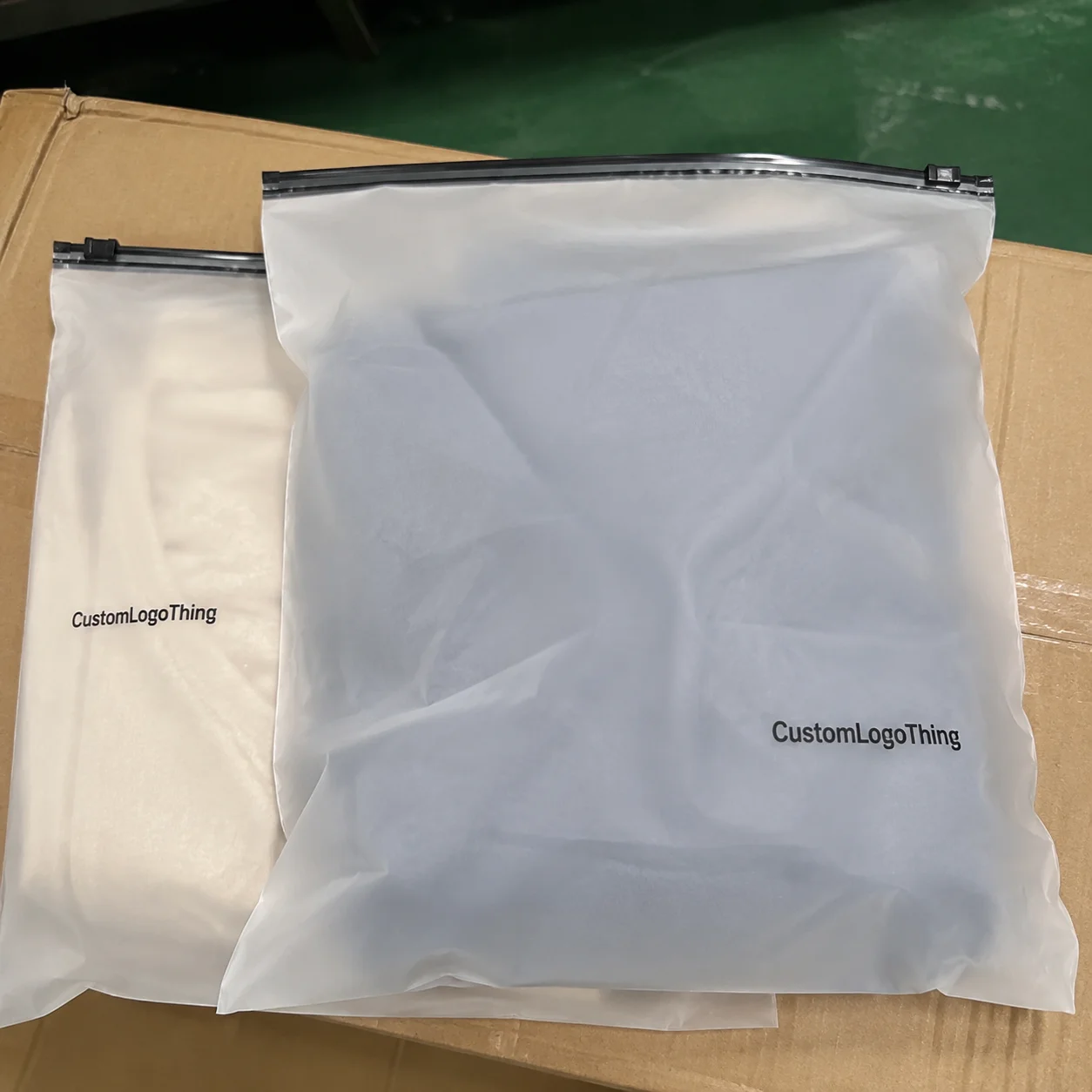
Gift shops use Garment Poly Bags for more than protection. The bag affects how an item looks on the shelf, how quickly staff can pack it, and whether the product still looks tidy after a customer has handled it twice. A clear bag that fits well can make a folded tee or scarf look retail-ready. A sloppy one does the opposite. It makes the whole item feel more fragile and less considered.
The real issue is that buyers often start with price, then size, then presentation. That order is backwards. Fit comes first. Then material. Then MOQ. If those three are off, the rest of the decision is noise.
Why gift shops overpay when they order the wrong bag size
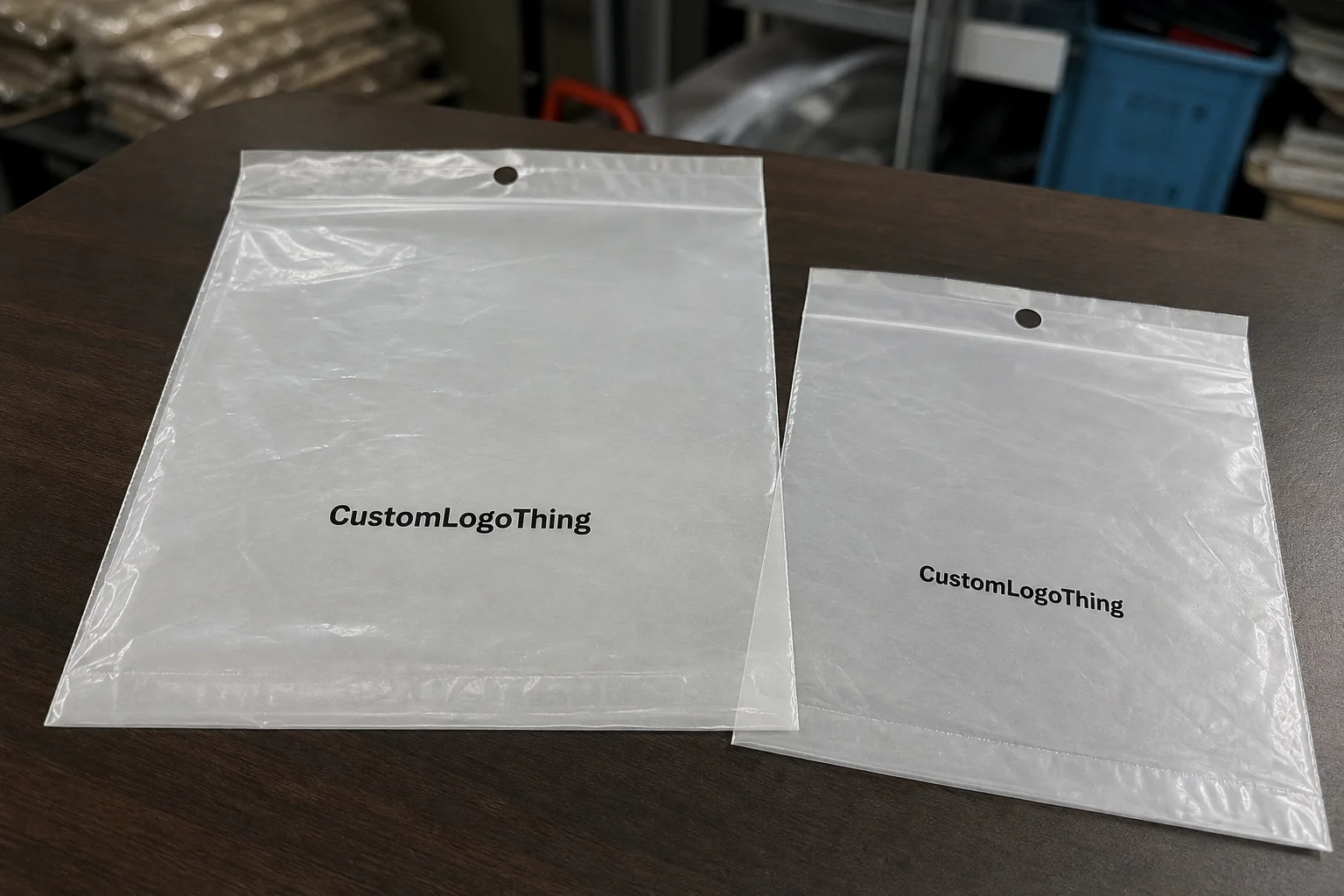
Gift shops do not buy garment poly bags just to get products from one point to another. They use them for display, dust protection, handling, and presentation at the counter. That means the bag has to work like part of the product, not like leftover warehouse packaging. A bag that is too large leaves too much empty space and lets the garment slide around. That creates wrinkles and a messy look. A bag that is too tight slows packing and can stress seams or folded edges.
Most pricing problems start with a size mistake. Buyers look at a photo, guess the dimensions, and assume there is enough room for the folded item. Then the sample shows up and the bag is either awkwardly loose or annoyingly snug. Both versions cost time. Both versions lead to complaints from the packing table.
There is also the MOQ trap. If the order quantity is too low, the unit cost is higher and the next reorder happens too soon. If the order quantity is too high, the shop ends up holding cartons of bags that no longer match the current line. The same mistake gets expensive in two different ways. Funny how that works.
The safer method is simple: measure the folded product first, then choose the bag around that finished size. Leave room for easy insertion and a clean seal. If the product is folded for hanging display, measure it in that state. If it is packed flat for drawer display, measure that version instead. Packaging buyers who skip this step usually pay for it later.
“The bag is never just a bag. In retail, it is part of the presentation, and bad sizing shows up immediately.”
For gift shops, the difference between an acceptable bag and a good one often comes down to a few millimeters. That is not dramatic. It is just annoying enough to matter every day.
Product details that matter before you request a quote
Before asking for pricing, define the bag style. Clear flat poly bags are the standard for visibility. Resealable flap bags make more sense when staff need speed and repeat handling. Header bags help when the product sits on a peg or rack and needs a branded top section. Vented bags reduce trapped air for items that need a flatter, cleaner profile. Hanging-hole options are useful for display, but the hole size and placement need to match the retail fixture.
For gift shop buyers, the most useful specs are clarity, seal type, tear resistance, static behavior, and print area. If the film clouds up under store lighting, the product looks cheaper than it is. If the seal strip fails after a few openings, staff stop trusting it. If the film clings to the garment, packing slows down. None of that is glamorous. All of it affects sellability.
The product itself matters too. Folded tees usually need a flat bag with enough side room to slide in cleanly. Scarves often need a taller bag because the fold stack creates bulk. Kidswear can use smaller formats, but size labeling still needs room. Socks and lightweight accessories often work best with a simple clear bag and a header card. For bundled gift sets, a cleaner seal and more deliberate print can make the package look like a finished retail item instead of a repack.
Custom printing is not required for every shop, but it does solve a few real problems. It can carry logo branding, size information, collection names, or a simple retail message. Plain stock bags are quicker and usually cheaper to start with. Custom bags take more coordination, but they keep the packaging aligned with the brand instead of making the shop look like it borrowed supply-chain leftovers from somewhere else.
If the same business also ships online orders, the packaging logic should not get mixed up. A garment bag for in-store merchandising is not the same as a shipping mailer. The [Custom Packaging Products](/products.php) page is a useful reference point, and the [Custom Poly Mailers](/product-detail.php?category=poly-mailers) page is worth checking if ecommerce packaging is part of the same buying cycle. Different job. Different spec.
Specifications to lock in before you approve samples
Do not approve a sample until the basics are confirmed: width, height, film thickness, material, seal style, and print coverage. That sounds obvious. It still gets skipped. A sample that looks fine on a desk can behave very differently once a folded garment goes in and out several times. Measure the real product in its folded state. Not the flat garment. Not a guess. The actual packed version.
Material choice affects both look and handling. LDPE is the flexible workhorse. It opens easily, tolerates handling well, and is forgiving on the packing line. CPP is used when clarity and a crisper finish matter more, especially in premium retail presentation. If recycled content is part of the buying brief, ask whether it is post-consumer or post-industrial. Those are not interchangeable labels, and suppliers sometimes use “eco” as if that settles the question. It does not.
Thickness usually sits in a practical range rather than a perfect one. Lightweight retail bags often land around 1.5 to 2 mil. Heavier handling or a more premium feel often pushes the spec to 2.5 to 3 mil. Thicker film generally gives more tear resistance and a better hand feel, but it also raises cost and can make the bag stiffer. A stiffer bag is not always a better bag. It depends on whether the item needs presentation or flexibility.
Finishing details cause more frustration than most buyers expect. Perforation changes how easily the bag opens. A euro hole or hanging hole changes how the product hangs on a display rack. Adhesive strip quality decides whether staff trust the seal. Lip size matters because too little lip is difficult to handle and too much lip wastes material. Even anti-slip behavior matters when stacks are being moved around the counter. If the bags slide all over the place, the display looks sloppy no matter how good the garment is.
Sample approval should always include the real folded item, not just the artwork file. The bag can be correct on paper and still feel wrong in use. That is the part buyers tend to underestimate. Good packaging is not a render. It is a physical fit check.
For basic quality control, ask for a proof, then test the sample on the actual product and a second unit from the same size run. Check the opening, the seal closure, and how the film behaves after handling. If the order includes paper inserts or header cards, ask for FSC-certified stock where appropriate so the paper component matches the shop’s sustainability claims. For shipping durability, standards from groups like [ISTA](https://ista.org) are a useful reference even if the order is not a formal transit-tested shipper. For recycling and material guidance, [EPA](https://www.epa.gov/recycle) resources are practical and easy to share with buyers who need a plain-language reference.
That is the part that keeps Garment Poly Bags for Gift shops moq planning from turning into guesswork. The quote only works if the bag, the product, and the handling conditions are all checked together.
Cost, pricing, and MOQ planning without guesswork
Poly bag pricing is usually driven by a handful of variables: size, thickness, film material, print colors, finishing, and quantity. Bigger bags use more resin. Thicker film uses more resin. More print colors add setup. Special features such as venting, hanging holes, or custom seals add labor. None of that is mysterious. The mistake is comparing quotes that are not actually the same product.
For gift shops, the right MOQ is the one that fits sell-through, storage space, and seasonality. If a style moves steadily all year, a larger run can reduce unit cost and limit reorders. If it is tied to a seasonal line or a short promotion, a smaller run is safer even if the price per piece is higher. Holding inventory that misses the sales window is not a savings strategy.
Here is a practical planning frame for common buying paths:
| Option | Typical MOQ | Cost per piece | Best for | Tradeoff |
|---|---|---|---|---|
| Plain stock clear bags | 500 to 2,000 | $0.04 to $0.09 | Fast replenishment, simple folded apparel, fit testing | Less branding and fewer customization options |
| Custom printed standard film | 3,000 to 10,000 | $0.10 to $0.22 | Repeat styles, shelf presentation, brand consistency | Setup and tooling increase first-order cost |
| Heavier or specialty film | 5,000 to 15,000 | $0.14 to $0.30 | Premium presentation, stronger handling, custom features | Higher minimum spend and more storage required |
The numbers above are planning ranges, not a fixed rate card. A one-color logo on a standard bag is a different job from a multi-color retail graphic on thicker film. If the supplier uses plate-based printing, tooling fees can run roughly $60 to $200 per color or print position, sometimes more if the artwork is complicated or the cylinders need extra work. Ask for those fees early. If they appear late, the quote was never complete.
The cleanest way to compare bids is to compare the same dimensions, the same film thickness, the same closure style, the same print coverage, and the same freight terms. Otherwise one quote looks better because the bag is smaller, thinner, or less finished. That is not savings. That is a different spec wearing a cheaper number.
If the design will repeat, a slightly higher MOQ can still be the better move. It spreads tooling costs across more units and lowers the chance of rush freight later. If the design is new and untested, do not overbuy just to chase the headline price. A dead carton of bags is still dead, no matter how good the per-piece math looked on paper.
Process and timeline: from artwork approval to delivery
The process is usually straightforward. First comes the inquiry and spec confirmation. Then artwork setup and proofing. After that comes sample approval, production, inspection, and shipment. The sequence does not change much. What changes is whether the buyer sends enough information at the start to keep the process moving.
Send the bag dimensions, quantity, artwork files, color targets, seal style, and destination details in the first round. If the product type is known, include that too. A quote for folded tees is not the same as a quote for scarves or sweatshirts. The supplier can size the bag more accurately when the actual use case is clear, and that avoids the round of revisions that always seems to appear right when the schedule is getting tight.
Timeline depends on material availability and print complexity. Stock bags can move quickly, sometimes in a few business days if inventory is ready. Custom printed bags take longer. A realistic production window is often 12 to 20 business days after proof approval, with shipping added on top. If the art needs revisions or the material is constrained, the schedule stretches. That is normal. Rushed jobs almost always cost more, and there is no magic system that changes that.
Seasonal ordering needs a buffer. Holiday traffic does not care that a proof got delayed. If the bags support a product launch, build in enough time for revisions, production, and transit. A late packaging order is not a small problem. It can hold up the whole launch.
For shops handling both retail display and ecommerce shipments, consistency matters just as much as the initial spec. A repeat order should not require re-litigating the same dimensions and artwork every time. The better suppliers keep approved specs on file, preserve artwork history, and make reorders boring. Boring is good here. Boring means the line keeps moving.
How we help gift shops choose the right bag fast
Gift shop buyers usually need three things at once: the bag has to fit the product, the price has to fit the margin, and the timing has to fit the season. That sounds simple until the assortment includes tees, scarves, socks, kidswear, and small seasonal items that all pack differently. One-size-fits-all thinking breaks down fast.
In practice, the quickest path is often a short list of options instead of a long menu. A stock clear bag for fast movers. A custom printed version for hero SKUs. Maybe a second size for items that fold differently. That approach keeps the buying decision focused on real use, not on trying to make one spec cover everything.
A physical sample is the fastest filter. If the bag is too loose, too short, or too flimsy, the problem is visible immediately. If the packing team can insert the product smoothly and the finished bag stays flat and clean, the spec is probably close. The sample stage is where the bad assumptions get exposed without wasting a full run.
If your store needs a broader packaging mix, the [FAQ](/faq.php) page covers common ordering questions, and the [Custom Packaging Products](/products.php) page shows how garment bags fit within a broader retail packaging program. If ecommerce is part of the same operation, [Custom Poly Mailers](/product-detail.php?category=poly-mailers) may be the cleaner companion product. Different packout. Same need for clear specification and repeatability.
Direct communication also helps prevent drift. Fewer middle steps means fewer chances for size notes, print placement, and color expectations to wander. If a reorder happens later, the original record keeps the second run consistent with the first. That consistency matters more than people admit. It saves time, and it saves money quietly.
Next steps to place a smarter order before stock runs out
Before requesting quotes, prepare five things: target bag size, garment type, quantity estimate, print artwork, and preferred delivery date. That is enough for a supplier to give a useful starting quote instead of a vague number that changes after two more emails. If the garment is folded in a specific way, include that too. It affects fit more than buyers usually expect.
A simple MOQ plan works best for most gift shops: test order, steady reorder quantity, seasonal buffer stock. The test order checks fit and presentation. The steady quantity keeps the unit cost under control. The buffer protects the shop from peak traffic and transit delays. That structure keeps cash tied to actual demand rather than optimism.
It also helps to ask for two quotes when the decision is still open: one for stock bags and one for custom printed bags. The comparison usually makes the tradeoff obvious. Stock bags win on speed. Custom bags win on branding and repeat presentation. Neither is better in the abstract. The right answer depends on the margin, the product, and how often the style will be reordered.
Do not commit based on a mockup alone. Put the real folded item into the real bag and let the packing team handle it. If the product slides around or the seal feels awkward, the spec needs work. If the fit is clean and the bag closes quickly, the order is close to ready.
That is the whole point of Garment Poly Bags for Gift shops moq planning: keep the fit honest, keep the MOQ tied to actual sell-through, and keep the timeline ahead of the season instead of chasing it from behind.
FAQ
What MOQ should I plan for garment poly bags for gift shops?
Start with monthly sell-through and storage space, not the lowest quote. Smaller custom runs usually cost more per unit, while larger runs improve pricing but increase inventory risk. If the item is seasonal, add a buffer so you do not end up reordering in the middle of peak traffic.
Which poly bag thickness works best for gift shop garments?
Lightweight folded items often work well with thinner film, while heavier handling or a more premium presentation usually needs thicker material. A practical starting range is 1.5 to 2 mil for lighter retail use and 2.5 to 3 mil for more durable handling. Test the bag on the real folded product before approving the thickness.
Are custom printed garment bags worth it for small gift shops?
Yes, if branding and shelf presentation matter. Plain bags are cheaper and faster, but they do not carry the same retail identity. Custom print makes more sense when you reorder the same styles regularly and want the packaging to look like part of the product instead of an afterthought.
How long does production usually take?
Stock bags move faster than custom printed bags. Artwork approval, sample revisions, and shipping method all affect timing. A custom run often takes 12 to 20 business days after proof approval, and that does not include shipping. Plan early if the order is tied to a holiday or a seasonal launch.
What should I send for a quote on garment poly bags for gift shops?
Send bag dimensions, film thickness preference, quantity, artwork files, and seal style. Add the product type you are packing so sizing can be checked correctly. Include your delivery deadline so MOQ and production options can be matched to it without guessing.