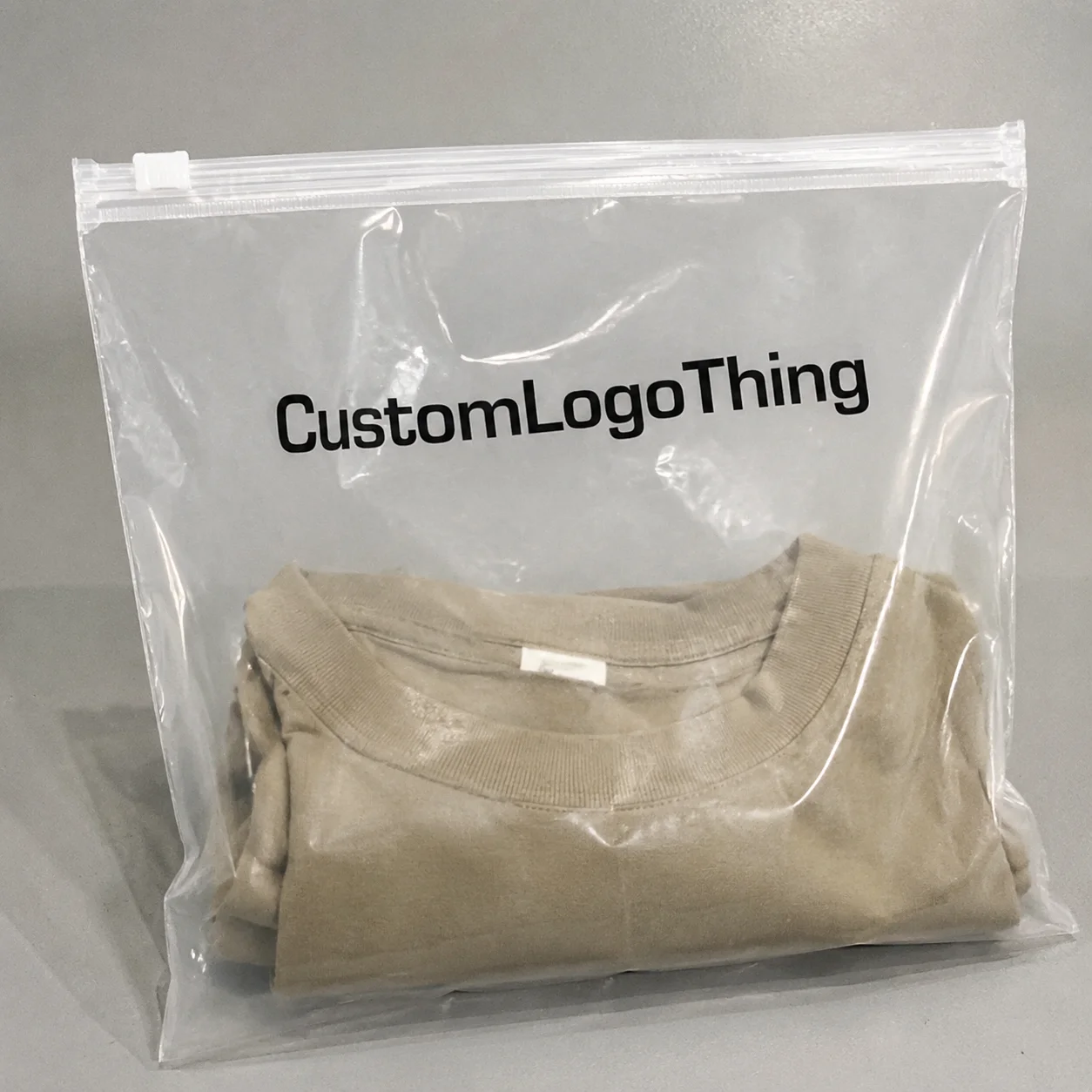
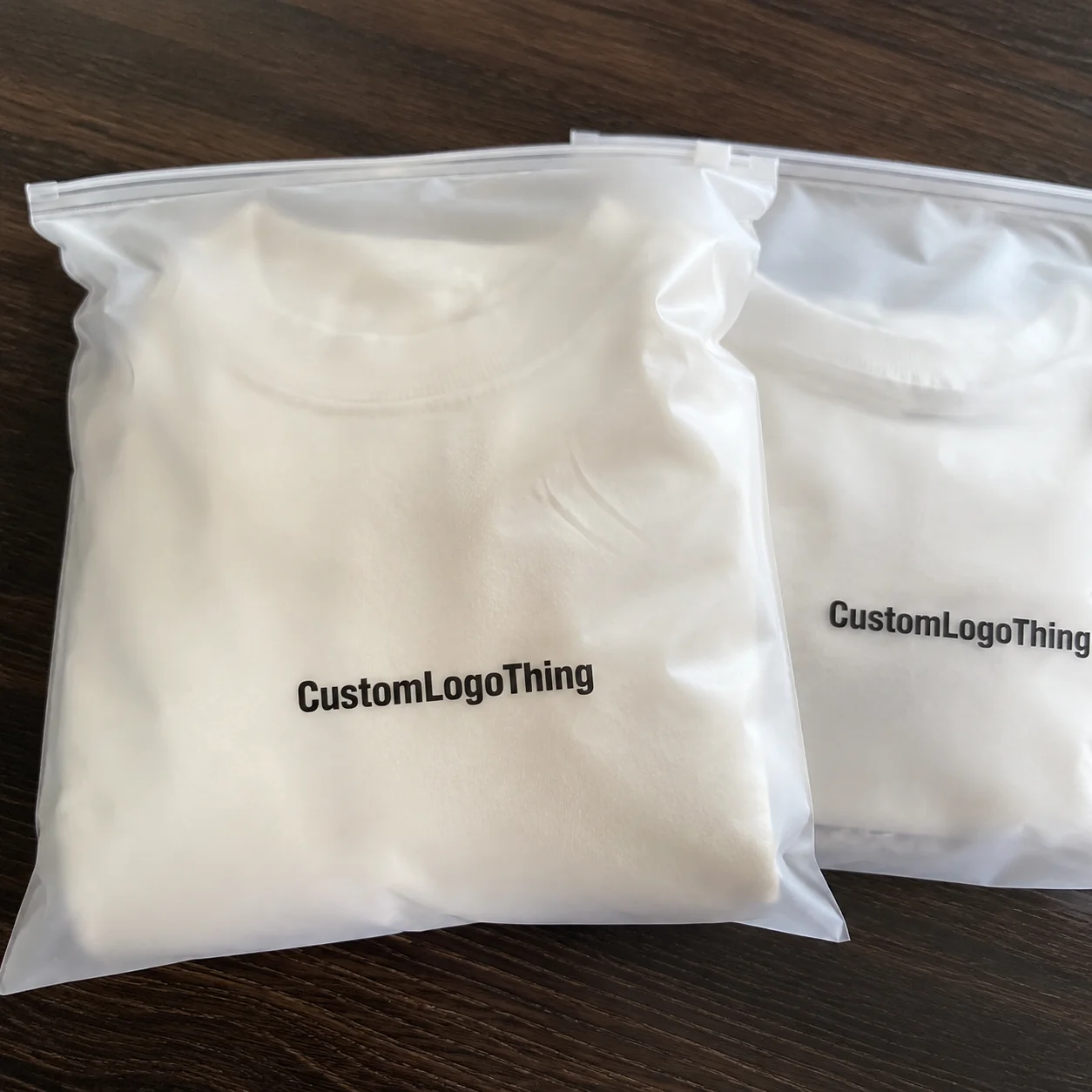
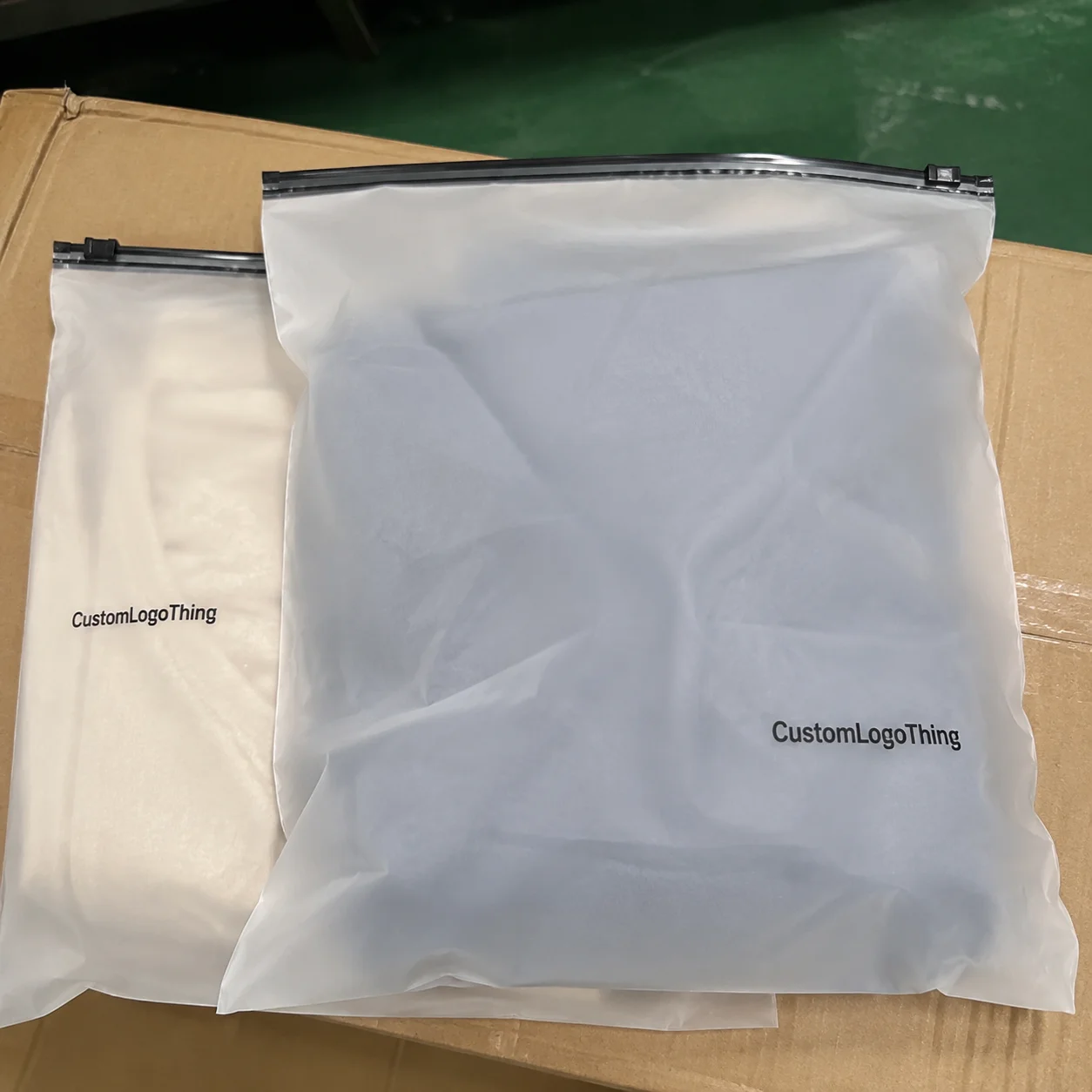
For hotel operations, Garment Poly Bags for hotel groups quality inspection guide checks are not about plastic film in the abstract. They decide whether uniforms arrive clean, stay presentable in storage, and move efficiently through laundry, distribution, and property-level issue. A weak bag creates small problems fast: wrinkles, dust, tears, miscounts, and extra handling.
In this setting, Garment Poly Bags are usually polyethylene sleeves or flat bags used for folded uniforms, dry-cleaned pieces, branded apparel, and guest-facing textiles. The best buying decisions do not start with the cheapest quote. They start with fit, seal quality, clarity, and repeatability. If those are off, the packaging becomes another source of work instead of a control point.
The inspection standard is simple: confirm that every bag protects the garment, works cleanly on the packing line, and holds up across storage and transport. That is the core of any serious buyer review. Everything else is detail, and in packaging, detail is usually where the failure lives.
Why garment poly bags matter in hotel uniform packing

Hotel groups live with volume and variation. One property may run uniforms through a central laundry. Another may pack locally. A third may split duties between a hub and multiple sites. The packaging has to behave the same way in all three setups. If it does not, the result is predictable: slower packing, more rework, and more complaints from the people who actually touch the bags all day.
These bags also sit closer to the guest experience than buyers sometimes admit. They are not front-and-center like a welcome card, but they shape how staff uniforms are stored, moved, and issued. A clear, well-sized sleeve helps teams identify contents fast. A cloudy, flimsy, or undersized bag makes the process feel sloppy.
Packaging organizations such as the Association for Packaging and Processing Technologies and transport-testing groups like ISTA both focus on consistent material performance and handling reliability. That principle translates directly to hotel uniform packaging. Do not approve a bag because it is "clear enough" or "cheap enough." Approve it because it survives real use.
Buyer rule of thumb: a size error of a few millimeters can multiply across hundreds or thousands of uniforms, especially when multiple properties use the same spec.
That is why the inspection process matters. It is not bureaucracy. It is the cheapest place to catch a mistake.
How the inspection process works for uniform packaging
A useful inspection process starts before finished bags ever reach the dock. Suppliers should check raw film or roll stock for gauge consistency, clarity, contamination, and seal behavior. If the film is inconsistent, the finished bags usually show it in weak seams, uneven cuts, or an opening that does not stay square.
Finished-bag inspection should cover dimensions, thickness, seal style, print placement if there is branding, and any hole punch or ventilation detail. Buyers receiving the order should compare cartons against the approved sample or spec sheet, then sample bags from several cartons instead of checking only the top layer. Top layers can look perfect while the rest of the shipment drifts.
On the production side, the line should watch film tension, sealing temperature, cut accuracy, and carton labeling. If the same item goes to multiple sites, a mislabeled case or mixed count creates a receiving headache immediately.
For warehouse handling and transport, it helps to think in terms of drop resistance, compression tolerance, and material consistency. If the shipment will travel through more than one handoff, the bag needs to remain intact after ordinary pressure, not only in a short visual check. EPA guidance on recovery and materials reduction can also be useful for buyers balancing packaging performance and waste goals: EPA recycling and materials guidance.
Inspection is not just a supplier-side job. If the hotel buyer does not define the acceptance criteria clearly, the factory will fill in the gaps with assumptions. That is usually where arguments start.
Key quality factors buyers should verify
The spec sheet should be specific. For hotel uniform packaging, the important variables are polyethylene type, thickness or gauge, seal style, bag length and width, opening size, clarity, and whether the bag is plain, frosted, or printed. If there is a hanger slot, flap, adhesive strip, or perforation, that must be listed too. "Standard" is not a specification.
Fit matters more than many buyers expect. A bag that is too large wastes space and makes folded garments look loose. A bag that is too tight compresses the fabric, increases wrinkle risk, and slows packing. The best fit lets the garment slide in cleanly, then holds it without excess slack.
Clarity is functional, not decorative. A clear or lightly frosted bag lets staff identify contents quickly, which reduces opening, checking, and resealing. If the bag looks cloudy, oily, or hazy, it creates work.
Durability testing should look at puncture resistance, seam tear resistance, and repeated handling. Jackets, robes, and multi-piece uniforms put more strain on film than a folded shirt. In those cases, a slightly thicker film often saves money by reducing split bags and labor waste. For many hotel programs, 1.0 to 1.5 mil is common for lighter garments, while heavier items may need more film depending on the folding method and transport path.
Material choice also affects workflow. If the team sorts garments by size, property, or department, the bag should support that process with predictable opening size and clean stacking behavior. A bargain bag that twists, sticks, or opens unevenly will cost more in labor than the quote suggests.
For buyers comparing options, separate appearance from function. A glossy, crystal-clear bag is not automatically better than a lightly frosted one. A heavier bag is not automatically better than a right-sized lighter bag. The point is to match the packaging to the garment, the route, and the handling pace.
Pricing, MOQ, and unit cost factors
Price moves with specific variables. Film thickness, bag size, resin grade, print complexity, custom hanger or header features, and whether the item is stock or made to order all affect the quote. A simple clear stock bag can cost far less than a printed, custom-sized bag with special packing, but only if the specs are truly different.
MOQ matters for hotel groups because one spec may need to serve several properties, multiple uniform programs, or different garment sizes. A higher MOQ can make sense if the bag covers a chain-wide shirt program. It can also be wasteful if the item only serves one small department. Ask whether the supplier can hold inventory or release in stages.
Unit cost should never be reviewed alone. Total landed cost includes freight, pallet configuration, carton count, and any rush charge. A quote that looks cheaper can become more expensive if it ships inefficiently or uses a carton size that wastes warehouse space.
| Option | Typical Use | Estimated Unit Cost | Tradeoff |
|---|---|---|---|
| Stock clear poly bag | Basic uniform packing for standard folded garments | $0.03-$0.07 | Lowest cost, least customization |
| Semi-custom bag | Standard size with selected print or hang features | $0.06-$0.14 | Better fit and presentation, moderate setup |
| Fully custom bag | Brand-specific size, print, and packing format | $0.10-$0.22 | Best alignment to workflow, higher MOQ and lead time |
Those ranges only help if the quotes are actually comparable. Compare dimensions, thickness, print coverage, carton count, and shipping terms line by line. If one supplier is cheaper because the bag is thinner or shorter, that is not a better deal. It is a different product wearing the same label.
There is also a timing cost hidden in price. If a low-cost option causes repacking, sorting, or returns, the labor penalty wipes out the savings fast.
Process and lead time: from sample approval to delivery
The usual sequence is straightforward: inquiry, spec confirmation, sample or proof review, production, inspection, packing, and shipment. The part that gets messy is approval. If brand, housekeeping, procurement, and distribution all need to sign off, lead time needs to include that coordination. Otherwise the schedule slips before production even starts.
Stock items usually move faster because they skip tooling and most proofing. Semi-custom orders take longer if the supplier needs print setup or a changed pack format. Fully custom bags can require plates, special sizing, and extra sample rounds. A realistic production window for simpler custom runs is often around 12 to 15 business days after proof approval, but that depends on factory load, order size, and shipping method.
The sample stage deserves real attention. One approved sample should mean something across every property. If the buyer rushes that step, the wrong fit gets locked into the entire program. After approval, the reorder path gets easier if the supplier keeps a master sample and a written spec file.
Inventory planning matters just as much as production timing. Uniform volume can jump during peak occupancy, staff changes, or renovation work. If packaging is tied to a laundry schedule or a distribution window, the buffer needs to be real, not optimistic.
For sustainability-minded hotel programs, FSC-certified paper cartons or inserts may still be relevant on the packaging side even when the poly bag itself remains plastic. If your internal policy touches paper components, the Forest Stewardship Council is a useful reference point. The bag spec and the outer packaging spec are not the same thing.
Step-by-step inspection checklist for hotel buyers
- Match the shipment against the approved spec sheet before opening too many cartons. Confirm dimensions, gauge, seal style, and print details.
- Sample bags from multiple cartons. Do not judge the entire lot from one top layer, because variation often hides deeper in the shipment.
- Test the bag with real garments. Use folded shirts first, then heavier items such as jackets or robes to see how the film and seams behave.
- Check the opening size and insertion speed. A bag should slide over the garment cleanly without catching on seams, collars, or hanger features.
- Inspect seal edges, corner strength, and hole punches if present. Small defects here usually become the first failure points in use.
- Verify carton labels, case count, and lot number accuracy. Make sure the packing format matches what the distributor or property team expects.
- Document defects with photos, carton numbers, and sample counts. Clear records speed up supplier follow-up and reduce argument later.
That checklist works because it mirrors how failures actually appear. Bags do not usually fail in a lab first. They fail when someone is moving fast, or when packed garments sit in storage longer than planned, or when receiving discovers a count mismatch at the dock.
Another useful habit is to compare the bag with the broader uniform supply chain, not in isolation. Sometimes a cleaner label, better carton layout, or better interior pack structure saves more labor than shaving a fraction of a cent off the film. If you need adjacent packaging formats, review the broader line of Custom Packaging Products or compare related transit options like Custom Poly Mailers when the use case is closer to outbound distribution than garment storage.
Common quality mistakes that raise costs later
The biggest mistake is buying on price alone. Thin film, weak seals, and inaccurate sizing look harmless in a quote, but they create labor waste, garment damage, and rework. A bag that saves a fraction of a cent and fails once every few dozen uses is not saving anything.
Another common problem is vague language like "standard clear poly bag." That phrase sounds harmless, but it often leads to mismatched expectations between buyer and supplier. One side imagines a light sleeve. The other quotes a thicker pack. Nobody notices the gap until production starts. A written spec should define size, gauge, finish, seal style, and carton count.
Skipping sample approval is risky, especially for hotel groups that need consistent presentation across several properties or laundry partners. One chain may tolerate a looser fit. Another may require a tight fold line and a specific opening. If the sample is not reviewed by the right people, the reorder process gets messy quickly.
Poor carton labeling also creates avoidable pain. Loose packing, missing lot numbers, and inconsistent case counts slow receiving and force distribution teams to count what should have been clear from the start. In a multi-property hotel operation, that kind of friction adds up fast.
One last issue is over-customizing too early. Not every uniform program needs print, special closure features, or a boutique-looking bag. Sometimes the best answer is a clean stock item with the right dimensions and a reliable seal. Custom should solve a problem, not create a prettier version of the same problem.
Expert tips and next steps for hotel group buyers
Request a written spec sheet with exact gauge, dimensions, tolerances, carton count, and acceptance criteria before the order is placed. That gives both sides a fixed reference and makes inspection faster when the shipment arrives. It also makes reorders more reliable months later, when nobody remembers the original email thread.
Keep an approved master sample on file. For repeat programs, that sample becomes the fastest way to settle questions about color, clarity, opening size, and seal appearance. It also helps new staff compare incoming shipments without guessing what "close enough" means.
Plan inventory around occupancy and renovation cycles. Uniform replacement volume changes during property upgrades, new season rollouts, and staffing shifts. Packaging should keep pace. If a busy period is coming, do not wait until the last carton is open to reorder.
When sourcing materials, compare two or three like-for-like quotes, request samples, inspect them with real garments, and confirm lead time before committing. Lock the spec first, then judge the price. That order matters more than most buyers want to admit.
Good packaging is usually the result of clear specs, decent materials, and disciplined receiving. The process is plain, which is exactly why it works.
FAQ
What should hotel groups inspect first in garment poly bags for hotel groups quality inspection guide checks?
Start with the approved spec sheet: size, gauge, clarity, seal style, and any printing or ventilation details. Then verify the bag fits the actual folded garment without excess slack or tight compression, because fit problems usually show up first in daily use.
How do I know if the bag thickness is strong enough for uniforms?
Check the gauge against the garment weight and the handling environment, especially for jackets, robes, or multi-piece uniforms. Ask for a sample test that includes folding, insertion, transport, and repeated handling before you approve bulk production.
What pricing details should hotel buyers compare on quotes?
Compare the exact bag dimensions, material thickness, print requirements, carton counts, and shipping terms. Make sure every quote uses the same spec so the lowest price is genuinely comparable and not hiding a thinner or smaller bag.
How long does production usually take for custom uniform bags?
Stock items can move quickly, while custom sizes or printed bags take longer because of proofing and production setup. Build in time for sample approval, especially if multiple hotel properties or brand teams need sign-off.
What is the best way to handle a shipment that fails inspection?
Document the issue with photos, lot numbers, carton details, and sample counts, then compare the shipment to the agreed spec. Notify the supplier immediately and hold the nonconforming cartons separate until a resolution is confirmed.