When a Clear Bag Saves More Than It Costs
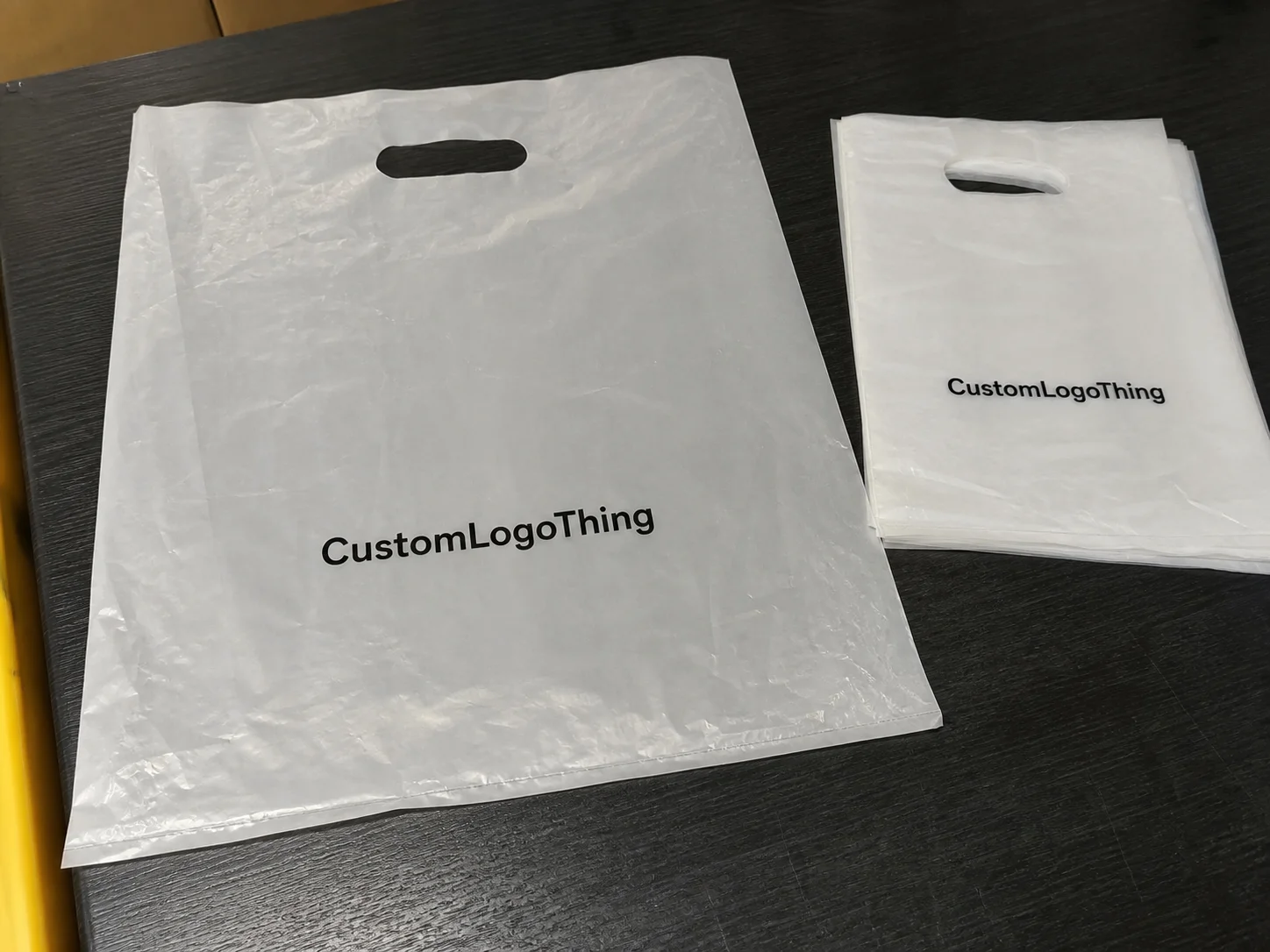
A clean cookie in a cloudy pouch looks ordinary; that same cookie in a properly sized clear resealable bag can look fresher, neater, and easier to buy. Buyers researching Clear Zipper Bags unit cost for bakery orders are rarely looking at price alone. They are trying to balance shelf appeal, food protection, packing speed, retail consistency, and the cost of reordering without surprises.
That balance matters because the bag touches nearly every step after baking: cooling, filling, labeling, display, customer handling, and sometimes storage after the first opening. If the zipper track is weak, staff may spend extra time re-closing bags. If the film is too thin, biscotti corners or granola clusters can puncture it. If the bag is too wide, the product slides around and looks smaller than it is.
Clear Zipper Bags work especially well for bakery items that sell partly on appearance: cookies, brownies, mini pastries, snack mixes, dry bakery toppings, biscotti, cake pops, and retail multipacks. Color, texture, icing, inclusions, and portion size all become part of the presentation. Customers can inspect the product without opening the package, which helps protect food quality and reduces handling at the counter or shelf.
Packaging buyer reality: the lowest cost per piece is not always the lowest total cost. A bag that causes product damage, slow filling, poor seals, or inconsistent presentation can cost more through waste and rework than it saves on the purchase order.
A bakery packing 500 cookie sleeves by hand each week has different needs from a brand preparing 20,000 printed snack mix packs for regional retail. The right answer depends on product shape, moisture level, display method, labor process, and how often the same bag will be reordered. A few cents in packaging can either support the retail pack or quietly create friction in the back of house.
Product Details That Affect Bakery Shelf Appeal
Clear zipper bags are flexible plastic bags with a press-to-close zipper profile, usually supplied flat packed so staff can fill them by hand or run them through light packing operations. The format is simple: open, load, press the zipper closed, label or code if needed, then move the pack to a tray, box, shelf, or peg display.
Common bakery applications include single cookie sleeves, multi-cookie packs, granola bites, mini loaf bags, pastry sample packs, dry ingredient retail packs, cake pop packaging, and small topping packs for sprinkles, streusel, chopped nuts, or baking inclusions. Some bakeries use clear zipper packaging as the final retail pack. Others use it as secondary presentation inside a branded box, gift basket, catering kit, or seasonal bundle.
Clarity is not just decoration. For premium baked goods, visual inspection sells. A crisp polypropylene-style clear bag can show chocolate chips, almond slivers, frosting detail, fruit pieces, or the crumb structure of a brownie more cleanly than a cloudy bag. That said, not every item needs the clearest film available. A simple dry topping pack may benefit more from low cost and reliable closure than from premium optical clarity.
The zipper should feel easy but not loose. Track alignment, repeat closure strength, and a profile that customers can press shut without fighting the film all matter. During packing, the zipper area also needs enough headspace above the product so crumbs, sanding sugar, powdered coating, or oily residue do not interfere with closure. A half-inch of usable breathing room can save a surprising amount of frustration across a full shift.
Optional features should be chosen for a real reason. Hang holes help with peg displays. Tear notches can improve opening if the bag is heat sealed above the zipper. Writable panels, white label blocks, and date-code areas make batch control cleaner. Bottom gussets help some packs stand, though they add complexity and may not be necessary for flat cookie packs. If a barcode is printed directly on clear film, contrast and scan location should be checked before production rather than after cartons arrive.
Bakery products vary too much for one default bag to be correct. Dry biscotti, oily granola, soft cookies, powdered pastry bites, and fragile decorated pieces do not behave the same way in plastic packaging. The bakery should confirm direct food-contact requirements for the specific product and jurisdiction, especially when the bag touches the item directly instead of holding an inner-wrapped product.
Material, Gauge, and Food-Safe Specifications
Most clear zipper bakery bags use flexible plastic structures such as LDPE, LLDPE, CPP, PP, or laminated combinations. The material names get technical quickly, but the buying decision usually comes down to four practical points: clarity, stiffness, puncture resistance, and barrier performance.
Polypropylene often delivers excellent clarity and a crisp hand feel, which can make retail cookies and confections look bright under store lighting. Polyethylene options such as LDPE or LLDPE tend to feel softer and more flexible, useful for hand packing, irregular product shapes, and applications where the bag needs some give. CPP, or cast polypropylene, is commonly considered where clarity and seal behavior are part of the specification.
Gauge is the everyday way buyers talk about film thickness. Lighter films may be economical for small dry items, sample packs, or single-piece bakery packaging. Heavier films feel more substantial and better resist punctures from crisp edges, hard inclusions, or repeated handling. Many bakery zipper applications fall somewhere around 1.5 mil to 4 mil, depending on bag size, product weight, product shape, and desired feel. That range is not universal, but it gives a useful starting point for quote conversations.
Barrier needs deserve a direct discussion. Standard clear zipper bags are suitable for many dry bakery items and short-term retail display, but they are not automatically the right answer for extended freshness, aroma retention, grease resistance, or moisture control. A soft cookie with higher moisture has different packaging needs than dry biscotti. Oily granola can require better grease resistance than a plain sugar cookie. If shelf life is a major requirement, the film structure should be reviewed more carefully and, where appropriate, tested with the actual product.
For sizing, prepare more than one measurement. Note the product width, product height, fill depth, target count per bag, headspace above the zipper, and whether the pack must fit a display tray, box, shelf peg, or shipping carton. Usable inner dimensions matter more than the printed catalog size because side seals, bottom seals, and the zipper reduce fillable space.
Print specifications also affect appearance and unit cost. A one-color logo on the front may be efficient and clean. Multi-color branding, two-sided printing, spot colors, heavy ink coverage, and white ink backup can improve brand presence, but they add setup time and production control. For broader packaging equipment and process context, buyers can review industry resources from PMMI; for packaged goods moving through parcel or distribution networks, transport test expectations may involve groups such as ISTA.
Food-contact details should be confirmed before the order is approved. Ask for material confirmation, lot traceability expectations, labeling space, barcode placement, and any retail or country-specific requirements. Standards and test methods such as relevant ASTM procedures may come into play for film properties, seal performance, or packaging validation, depending on the product and buyer requirements.
Clear Zipper Bags Unit Cost for Bakery Orders
Clear Zipper Bags Unit Cost for bakery orders is driven by quantity, bag dimensions, film thickness, material structure, zipper type, print method, number of colors, artwork complexity, and add-on features. Two bags can look nearly identical in a photo and price very differently if one quote assumes 2 mil LDPE with no print while another assumes a crisper PP structure with a printed logo, hang hole, and tighter inspection requirements.
There are three broad buying paths. Stock clear zipper bags usually carry lower setup cost and faster availability because the size and construction already exist. Custom-size bags improve fit and reduce excess film, especially when the product has a consistent shape or must sit neatly in a display tray. Custom-printed bags add brand value and retail consistency, but they involve artwork proofing, possible plates or digital setup, production scheduling, and inspection.
| Packaging Option | Typical Best Fit | Cost Behavior | Notes to Check |
|---|---|---|---|
| Stock clear zipper bag | Small runs, samples, quick bakery launches | Lower first-order setup; cost per piece may be higher at scale | Confirm usable inner size, film gauge, and food-contact suitability |
| Stock bag with label | Seasonal items, rotating flavors, short retail runs | Bag cost stays simple; label adds separate material and labor cost | Check label adhesion on film and barcode readability |
| Custom printed zipper bag | Retail bakery products, branded multipacks, recurring orders | Higher setup charges, better brand consistency, stronger bulk pricing potential | Review print colors, white ink backup, MOQ, proof approval, and reorder terms |
| Custom-size printed bag | High-volume products with consistent dimensions | Efficient fit over repeated runs, but higher initial coordination | Confirm tooling fees, lead time, case pack, and carton dimensions |
A typical quote may include material, film sourcing or extrusion, bag converting, zipper application, printing plates or digital setup, quality control, carton packing, freight, and food-contact documentation if requested. Some suppliers roll these into one number. Others list setup charges, tooling fees, proofs, samples, and freight separately. Neither structure is automatically wrong, but the buyer needs to compare them line by line.
For planning purposes, plain stock clear zipper bags for bakery use may range from a few cents per piece for small, lightweight formats to noticeably more for larger or heavier-gauge bags. Custom printed bakery zipper bags often move into higher per-piece ranges once setup, ink coverage, print method, and order quantity are included. These are planning ranges, not fixed prices; a very small printed run can cost much more per piece, while a stable high-volume reorder can bring the unit cost down.
MOQ matters. Lower quantities may be practical for stock bags or simple label programs, while custom dimensions and multi-color printing usually require higher minimums to make setup economical. A stock unprinted bag may be available by the carton or case. A custom printed program may require several thousand pieces or more, depending on the construction, size, and print method.
Oversized bags inflate cost twice. First, they use more film. Second, they can reduce case-pack efficiency, meaning fewer bags per carton and more storage volume per thousand pieces. On bakery floors where shelves are already crowded with flour, liners, labels, cups, and seasonal ingredients, carton size is not a minor detail.
Ask for pricing breaks at several quantities: a pilot run, a practical reorder quantity, and a scale quantity. A quote might show one cost per piece at 2,500 bags, a better number at 5,000, and a stronger number at 10,000 or 25,000. Bulk pricing can help, but buying too much packaging ties up cash and creates storage risk if artwork, ingredients, retail requirements, or product size changes.
The sharper way to review packaging cost is to calculate cost per filled unit, not just cost per empty bag. If a slightly better zipper reduces rework, if a better gauge prevents tears, or if a cleaner printed panel improves retail presentation, the packaging may pay for itself outside the packaging line item.
Process, Lead Time, and Production Steps
The order process is straightforward when the specifications are clear. Submit product details, confirm bag size, choose material and thickness, decide on stock or custom printing, receive a quote, approve artwork, review proof, produce, inspect, pack, and ship. Missing details early in the process usually become delays later.
Lead time depends on the path selected. Stock clear bags are typically faster because the product is already made or easier to source. Custom printed bags require artwork review and production scheduling. Fully custom converted bags with special dimensions, gussets, hang holes, or unique zipper requirements need more coordination because the film, converting setup, and inspection criteria must line up.
As a practical planning range, stock bags may ship quickly if inventory is available, while custom printed or custom-size bags often need several weeks after artwork approval. More complex constructions, imported materials, high seasonal demand, or slower freight methods can extend the schedule. The safe habit is to confirm timing at the quote stage and again at proof approval.
The proofing stage prevents many expensive problems. Artwork should be checked for logo placement, zipper clearance, print-safe areas, barcode readability, color expectations, and how the design behaves on transparent film. A logo that looks strong on a white screen can look weaker over chocolate, nuts, or dark dried fruit. White ink backup or a white label panel may be worth quoting if brand color consistency is important.
Physical samples are useful for new launches. Buyers skip them too often because the bag looks simple on paper. A sample can reveal whether staff can fill the bag quickly, whether the zipper closes after crumbs collect near the top, whether the film is stiff enough for shelf display, and whether the filled pack fits a carton or tray without bending.
Production commonly moves through film preparation or sourcing, printing if applicable, curing or drying where relevant, converting into bags, zipper integration, trimming, counting, carton packing, and inspection. Quality-control checks may include visual print review, zipper function testing, seal review, count verification, carton labeling, and packing confirmation. For printed bakery packaging, proof approval should be treated as a production control point, not a casual formality.
Timeline variables include artwork revisions, custom film availability, plate setup, high ink coverage, added features, seasonal demand, and freight method. Even a simple one-color printed bag can slow down if the artwork file is low resolution, if the logo needs cleanup, or if the barcode is placed too close to the zipper or side seal.
Plan the reorder point using actual usage. If a bakery packs 1,200 bags per week and production plus transit can take several weeks, waiting until the last carton is opened creates unnecessary risk. Holiday demand, wholesale promotions, farmers market schedules, and new flavor launches can all increase usage faster than expected. Packaging should not become the bottleneck after the baked goods are ready.
How to Compare Quotes Without Getting Surprised
Two quotes can look similar and still describe different bags. Compare dimensions, film thickness, material type, print colors, setup charges, freight terms, MOQ, and Lead time side by side. If one quote says “clear zipper pouch” and another says “2.5 mil PP zipper bag, one-color front print, hang hole, food-contact material confirmation,” those are not the same level of detail.
Start with size. Ask whether the quoted measurement is the outer dimension or the usable inner dimension. The zipper, side seals, and bottom seal reduce the actual fill area. A bakery packing a thick brownie stack may discover that a bag listed as 5 inches by 7 inches does not comfortably hold the product once zipper clearance is considered.
Next, review what is included in the first order. Plates, proofs, samples, artwork cleanup, and freight can affect first-order cost more than reorder cost. A quote with a lower bag price but higher setup charges may be less attractive for a small pilot run. For repeat orders, the same quote may become competitive once setup is already handled.
Print registration and color expectations deserve attention on clear film. Colors can look different depending on the product background. A red logo over a pale sugar cookie will not look the same over chocolate brownie bites. White ink backup, a frosted panel, or a white block area for label copy may improve readability, though each choice can affect unit cost.
Storage is practical, not theoretical. Ask about case-pack quantity and carton dimensions, especially if bags ship to multiple bakery locations or a small back room. A cost per piece that looks excellent can become awkward if the order arrives in cartons too large for the available storage area.
- Red flag: no material description beyond “plastic.”
- Red flag: no film thickness or gauge listed.
- Red flag: no food-contact clarification for direct bakery use.
- Red flag: unclear MOQ or vague reorder pricing.
- Red flag: no proof approval step for printed bags.
- Red flag: no clear statement on whether the bags are stock, custom-sized, or custom-printed.
To get a more accurate estimate, share photos of the product, target fill weight, current packaging issues, and display method. A generic per-piece estimate may be quick, but it often misses the details that actually drive Clear Zipper Bags Unit Cost for bakery packaging: fit, film, print, and handling performance.
Next Steps to Get an Accurate Bakery Bag Quote
Good quotes start with good measurements. Measure the product width, height, and thickness. Decide how many pieces go into each bag. Note whether the item is dry, oily, crumbly, fragile, or lightly moist. Choose whether the finished pack must hang, stand, or lie flat. Estimate monthly usage so the quote can include sensible quantity breaks rather than one random number.
Prepare artwork before requesting final pricing if possible. Logo files, brand colors, barcode needs, ingredient or allergen label placement, date-code area, batch-code area, and required retail copy all affect the final bag layout. Vector artwork is usually preferred for clean printing, and barcodes should be tested for contrast and placement before production.
Ask for at least two or three quantity breaks. Purchasing can then compare cash flow against per-bag savings. A bakery may find that 5,000 pieces is the right starting point, while 10,000 pieces offers better efficiency for a stable product line. For a seasonal flavor or new wholesale test, a smaller run may be smarter even if the cost per piece is higher.
Custom Logo Things can help narrow down the material, thickness, size, print method, and MOQ based on the bakery’s product and selling channel. A countertop retail cookie pack, a wholesale granola pouch, and a gift-box insert may all use clear zipper formats, but they should not be quoted with the same assumptions.
To confirm clear zipper bags unit cost for bakery packaging, send product dimensions, target quantity, artwork, and preferred timing so the quote reflects the real bag rather than a rough catalog estimate. Request a size recommendation, ask for pricing breaks, review proof requirements, and confirm expected ship timing before approving the order.
FAQ
What affects clear zipper bag pricing for bakery products the most?
The largest cost drivers are order quantity, bag size, film thickness, material type, print colors, zipper style, and whether the bag is stock, custom-sized, or custom-printed. Oversized bags and heavy films increase material usage, while multi-color printing, tooling fees, setup charges, and special features can add cost before production starts.
What MOQ should I expect for custom clear bakery zipper bags?
MOQ depends on the construction. Stock clear bags generally allow smaller orders, while custom printed or custom converted bags usually require higher quantities to cover setup efficiently. For an accurate MOQ, provide dimensions, artwork, print colors, and whether you need a flat bag, gusseted bag, hang hole, writable panel, or another feature.
Are clear zipper bags food-safe for cookies and other bakery items?
They can be food-safe when produced from appropriate food-contact materials and specified for the intended bakery application. Buyers should confirm the product type, direct food-contact needs, grease or moisture concerns, labeling requirements, and any documentation needed before ordering. Not every clear zipper bag should be assumed suitable for direct food contact.
How do I choose the right size clear zipper bag for bakery packaging?
Measure the product width, height, thickness, and fill quantity, then allow enough room for easy loading and a clean closure above the zipper. Do not base the size only on outside dimensions. Ask about usable inner space because side seals, the bottom seal, and the zipper reduce the fillable area.
How long does production take for custom clear zipper bakery bags?
Lead time varies by stock availability, artwork approval, printing method, material selection, custom converting needs, inspection, and freight method. Simple stock orders are usually faster, while printed or custom-size bags require proofing and production scheduling before shipment. The safest approach is to confirm timing before approval and set a reorder point based on weekly packaging use.


