Clear Coffee Bags Sell the Bean Before the Label Does
Put roasted coffee in a clear pouch and the shopper starts judging before reading a single word. Buyers asking for a printed Clear Zipper Bags quote for coffee are usually trying to solve four problems at once: show the product, protect aroma, keep the package easy to reseal, and make the branding look intentional rather than improvised.
That balance matters because whole beans reveal a lot through film. Roast color, oil level, bean consistency, broken pieces, chaff, and freshness cues all become part of the selling surface. A clean medium roast with even color can carry some of the merchandising work on its own, especially for small-batch roasters, sample packs, subscription inserts, seasonal blends, gift assortments, and limited origin releases.
Clear coffee bags are not a shortcut around packaging science. Coffee is sensitive to oxygen, moisture, aroma loss, and light, and those risks do not disappear because the pouch looks attractive on a shelf. A useful quote should never be built from width, height, and logo color alone. Film structure, seal behavior, zipper quality, valve choice, carton packing, and filling method all influence whether the final bag performs after it leaves production.
From a packaging buyer’s perspective, the best pricing starts before the price sheet. Custom Logo Things helps buyers define the pouch construction first, then quote against the real job the bag has to do: how much coffee it holds, whether the coffee is whole bean or ground, how soon after roasting it is packed, whether it must stand upright, how it ships, and how the customer opens and reseals it at home.
Practical rule: if the bag has to protect aroma, display the bean, survive handling, and reseal cleanly, quote the full package specification—not just the decoration.
The sections below cover the details that affect price, material selection, lead time, proofing, and production risk, so a quote request can move quickly without relying on vague assumptions.
Product Details That Matter for Printed Clear Coffee Zipper Bags
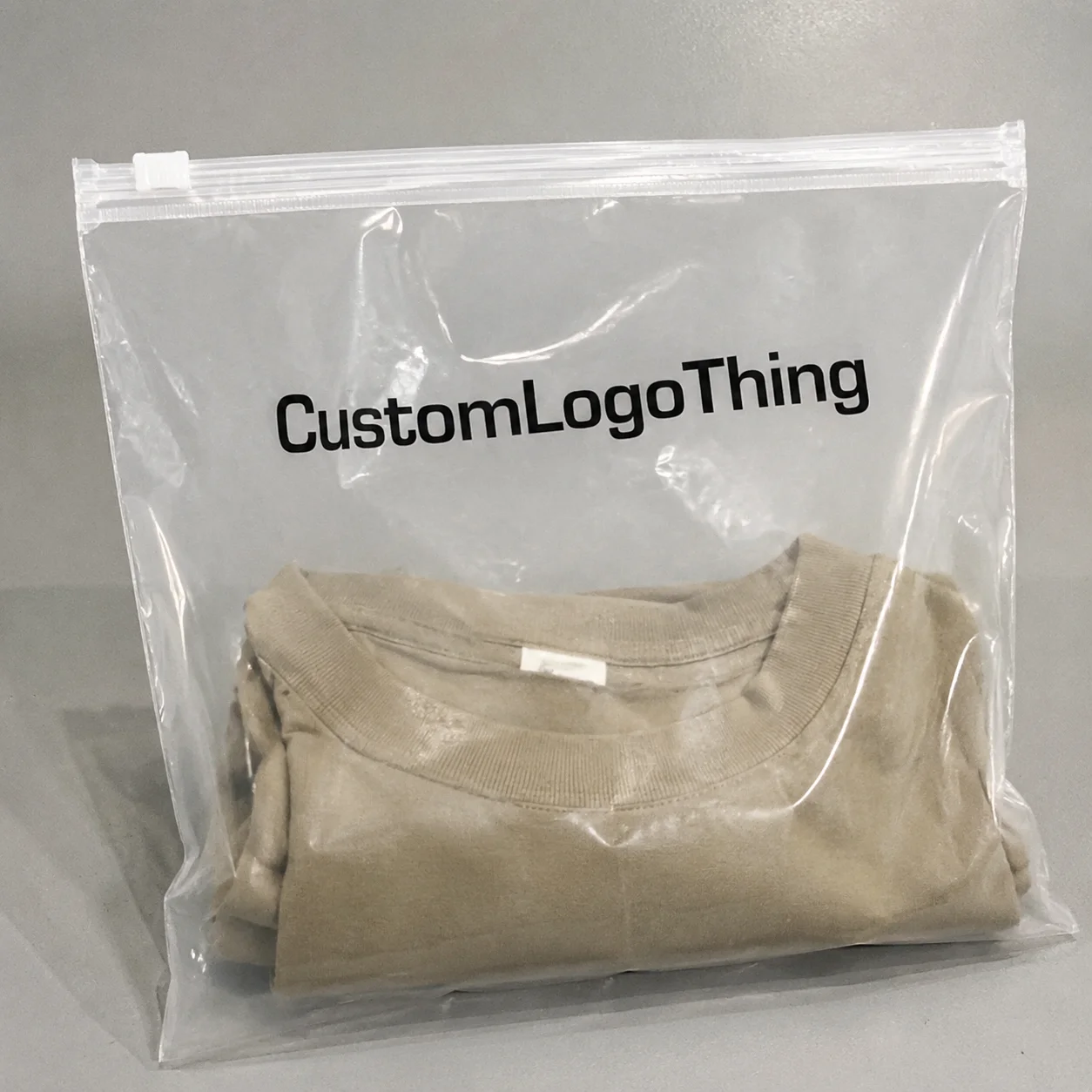
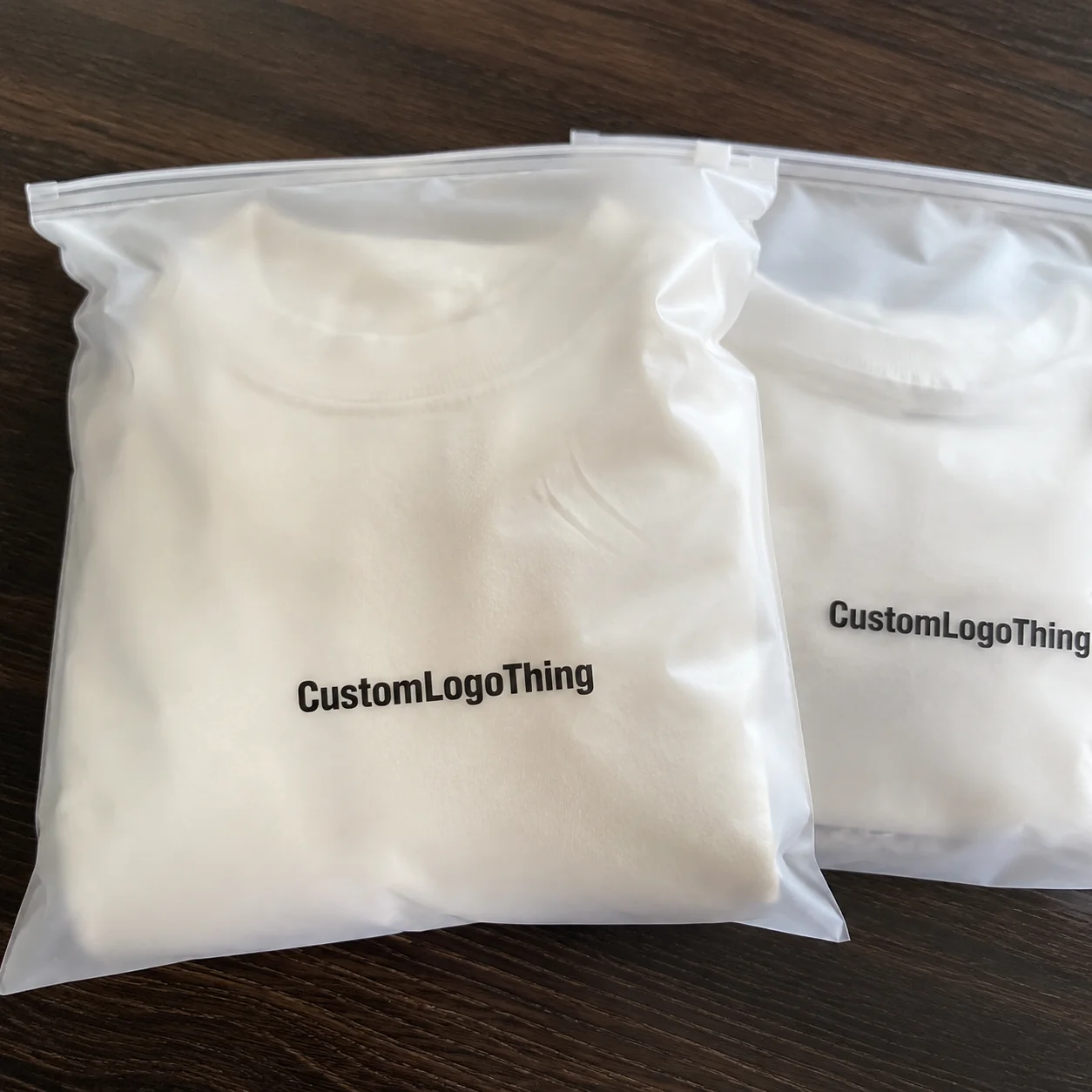
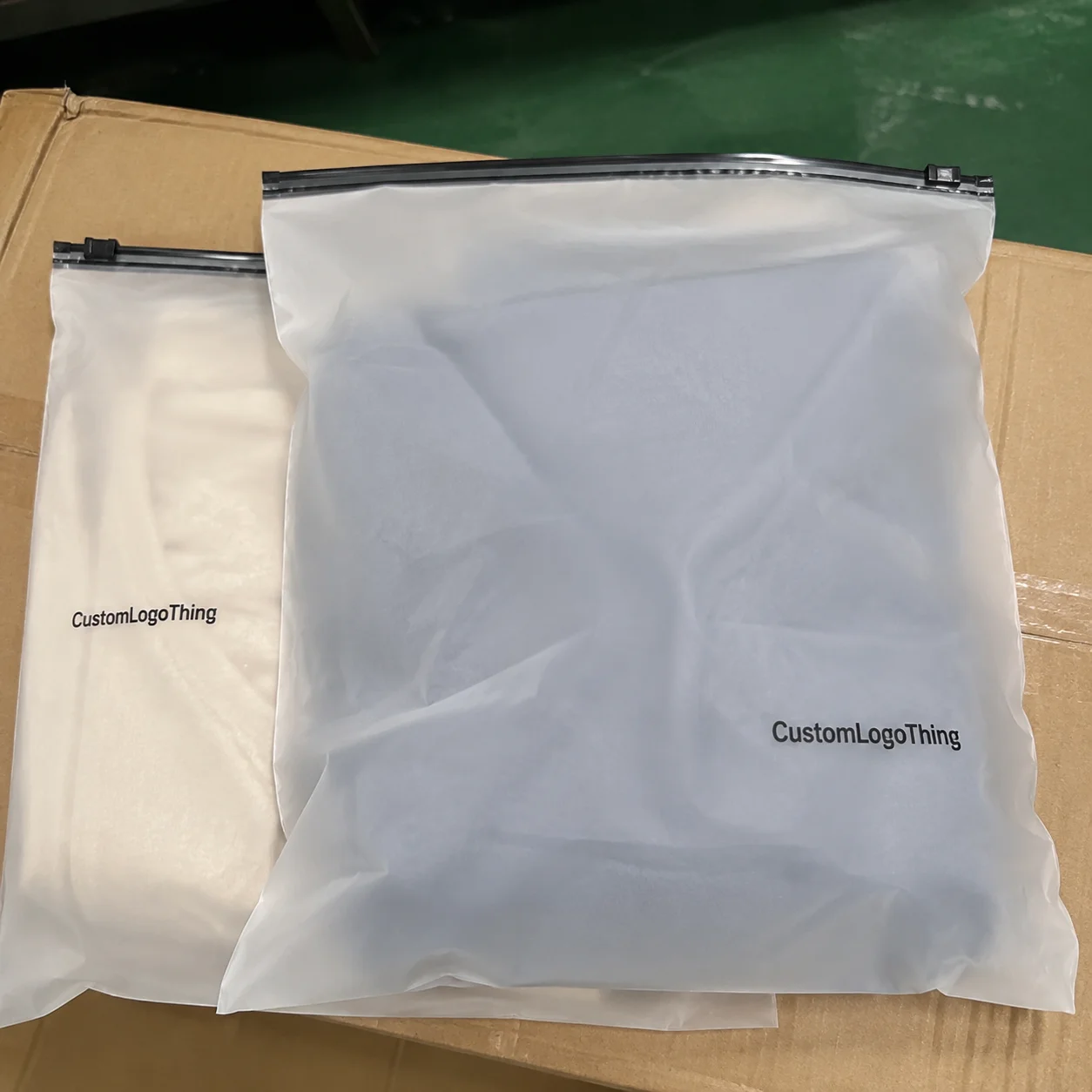
A printed clear zipper bag for coffee is usually a flexible plastic pouch made from transparent laminated film, a press-to-close zipper, heat-sealed edges, and custom printed branding or product information. Depending on the order quantity, artwork coverage, and color requirements, production may use digital printing, flexographic printing, or another method suited to the run.
The pouch format changes how the package behaves. Flat zipper bags are common for 1 oz to 4 oz samples, cupping kits, event handouts, and subscription inserts. Stand-up zipper pouches are more common for 8 oz, 10 oz, 12 oz, and 16 oz retail packs because the bottom gusset lets the bag face forward and hold its shape on a shelf. Larger gusseted clear bags can work for refill packs, foodservice portions, or gift bundles where a broader base and more internal volume are needed.
Clear construction is strongest when the product has a visual story. Whole bean coffee usually presents better than ground coffee because bean shape, roast level, and texture remain visible. Flavored coffee with inclusions, origin samplers, and premium gift assortments can also benefit from transparency, provided the film and seal system match the intended shelf life and distribution path.
The zipper looks simple to the consumer, but it deserves attention during quoting. A press-to-close zipper gives the customer a cleaner reseal after opening, helps slow aroma escape between uses, and improves convenience compared with twist ties, tin ties, or adhesive closures. On a 12 oz retail pouch, even a small zipper alignment issue can make the bag feel cheap, so the conversion quality matters as much as the zipper specification itself.
Barrier choice is usually the harder conversation. A fully clear PET/PE laminate gives visibility, a crisp hand feel, and reliable printability. Metallized PET or foil-based coffee bags generally provide stronger oxygen and moisture protection, but they block the view of the coffee. Higher-barrier clear films may be available for certain applications, though they can cost more and may come with different clarity, stiffness, or recyclability tradeoffs.
Optional features should be quoted only when they serve a real use. Tear notches help the customer open the pouch cleanly above the zipper. Hang holes and euro slots support peg display but can reduce usable header space. Round corners soften handling and presentation. Matte and gloss finishes change shelf appearance and scuff visibility. Spot white backing can make print look brighter over dark roasted beans.
For freshly roasted coffee, the valve decision is practical rather than decorative. Roasted beans release carbon dioxide after roasting. If coffee is packed too soon in a fully sealed pouch without a venting solution, the bag can swell, strain seals, distort cartons, or look overfilled. A one-way degassing valve adds cost, but for many fresh-roasted retail packs it prevents larger problems.
Specifications to Confirm Before Requesting Pricing
Good pricing starts with good specs. Before requesting a Printed Clear Zipper Bags Quote for coffee, prepare the finished width, finished height, bottom gusset depth if applicable, target fill weight, coffee type, packing temperature, and whether the product is whole bean, ground, or a mixed format such as coffee with flavor inclusions.
Fill weight and bag size are related, but they are not the same. A 12 oz whole bean pouch may need more volume than a 12 oz ground coffee pouch because beans create more void space. Dark roasts can be less dense than light roasts. Some roasters also want extra headspace for easier hand filling, while others prefer a tighter, more squared-off appearance for case packing.
Common coffee pouch sizes include 2 oz, 4 oz, 8 oz, 10 oz, 12 oz, and 16 oz, but two bags with the same fill weight can have different dimensions depending on gusset design and desired shelf stance. If you already use a bag that feels close, send photos and measurements. A physical reference prevents many quoting errors, especially around gusset depth and usable opening width.
Film thickness is another place where buyers can be pulled in the wrong direction. Thickness affects hand feel, puncture resistance, stiffness, seal behavior, and cost, but it does not define oxygen or moisture barrier by itself. A 4 mil structure is not automatically better than a 3.5 mil structure if the barrier layer, sealant layer, and lamination are wrong for the product.
Common structures include clear PET/PE laminations for print quality and sealing, higher-barrier clear films for improved aroma retention, and recyclable-ready polyethylene structures where the application allows. The right choice depends on shelf life expectations, freshness claims, clarity requirements, packing method, and retailer preferences. If the bag will be sold quickly through a local counter, the answer may differ from a bag that sits in distribution before reaching a national retail shelf.
Print specs should be just as clear as material specs. Confirm the number of print colors, whether printing is one-sided or two-sided, whether the artwork uses full-coverage ink or simple logo placement, and where clear windows should remain unprinted. Plan barcode placement, nutrition facts, net weight, origin notes, roast level, batch information, and any compliance text before the dieline is treated as final.
Zipper and seal details sound small until production starts. The quote should account for zipper placement, top seal area, tear notch position, usable opening width, and the clearance your filling team needs above the product line. Hand filling may tolerate a different mouth opening than automated filling. If the bag will run on equipment, provide jaw width, fill tube clearance, target seal area, and any known temperature limits if those details are available.
- Bag size: finished width, height, and gusset depth, not just target coffee weight.
- Product format: whole bean, ground, flavored, rested, or freshly roasted.
- Film target: standard clear barrier, higher-barrier clear, or recyclable-ready structure where suitable.
- Print plan: color count, coverage, clear window, white ink backing, barcode zone, and finish.
- Closure details: zipper style, tear notch, valve, and top seal clearance.
How to Read a Printed Clear Zipper Bags Quote for Coffee
A proper printed Clear Zipper Bags quote for coffee should separate the main cost drivers instead of offering only a flat unit price. You want enough detail to know what is being quoted: material structure, bag dimensions, print method, zipper type, optional valve, order quantity, tooling or plate costs, sampling, freight, and shipment packing.
MOQ depends on film availability, print setup, pouch style, color count, and whether the bag is custom sized or based on an existing production format. Digital printing may support lower quantities for a launch or seasonal blend. Larger flexographic runs usually become more economical once setup cost is spread across more bags, although that depends on artwork, material, and quantity.
Unit cost moves with volume. Smaller runs carry more setup cost per bag because artwork setup, machine changeover, material preparation, and quality checks still have to happen. Larger runs often reduce the unit price, but inventory risk then becomes part of the decision. Coffee brands with five or six blends should compare one fully custom bag per SKU against a shared printed bag plus labels, especially during early launch stages.
| Quote Item | What It Affects | Typical Pricing Impact |
|---|---|---|
| Clear PET/PE laminated film | Clarity, print surface, sealability, hand feel | Baseline for many clear coffee pouch quotes |
| Higher-barrier clear film | Aroma retention, oxygen control, shelf life goals | Often higher than standard clear film |
| One-way degassing valve | CO₂ venting for freshly roasted coffee | Common add-on cost per bag plus setup consideration |
| Heavy ink coverage or matte finish | Shelf appearance, scuff resistance, tactile feel | Can increase material, ink, or process cost |
| Multiple artwork versions | SKU separation for blends, origins, or roast levels | May affect setup, proofing, MOQ, and inventory planning |
Exact pricing depends heavily on the specification, but short-run custom clear zipper pouches usually cost noticeably more per unit than large production runs. A small 4 oz sample pouch with simple printing will land differently than a 12 oz stand-up pouch with a valve, bottom gusset, matte varnish, and two-sided artwork. Freight, duties, rush handling, and sampling can also change the landed cost.
Clear printed bags can be more demanding than opaque pouches. Print registration is easier to notice because the product remains visible behind the graphics. Ink opacity matters if the design includes white text, pale colors, or fine lines over dark roasted beans. Clear areas must stay clean, and scuff resistance matters when bags rub against one another inside cartons during parcel shipment.
Ask whether freight is included, whether taxes or duties are separate, how overruns or underruns are handled, and whether the quoted price is based on approved artwork or placeholder artwork. A low quote may reflect thinner film, no valve, lower barrier, fewer colors, a weaker zipper, or a different pouch style. Compare quotes using the same specification, not just the same target fill weight.
Production Steps, Lead Time, and Turnaround Expectations
Production usually follows a clear sequence: specification review, quote preparation, artwork setup, digital proof, sample or pre-production confirmation if needed, material preparation, printing, lamination or curing where applicable, pouch conversion, quality checks, packing, and delivery. Each step exists for a reason. Skipping the wrong one can cost more time than it saves.
Lead time starts most cleanly after three items are approved: final specifications, final artwork, and payment or purchase order terms, depending on the account arrangement. If one of those pieces is still changing, the schedule is still soft. A bag with a valve, custom film, specialty finish, or multiple SKUs can require extra coordination because material, components, and machine time have to line up.
Artwork proofing is a serious checkpoint. Pouch dimensions, zipper location, seal areas, tear notches, clear windows, barcode zones, trim lines, and gusset panels all need review before production. Buyer-side frustration often starts with artwork that looked good as a flat PDF but ignored the fold, gusset, or top seal. That is preventable if the dieline is treated as a production document rather than a design suggestion.
Sampling options vary. Digital mockups help confirm layout and proportion. Printed samples help check color, finish, ink opacity, and clear areas. Production samples verify actual material, zipper, valve, seal strength, and pouch construction. Each option affects timing differently, so the right choice depends on order value, launch deadline, and risk tolerance.
Quality checks should include film clarity, print registration, zipper alignment, seal strength, finished dimensions, gusset formation, valve placement when used, and carton count. For shipping performance, standards from groups such as the International Safe Transit Association can be useful when brands are thinking through parcel, case, or pallet distribution. For paper-based secondary packaging, buyers may also care about responsible sourcing references such as FSC, though the clear zipper pouch itself is generally a plastic flexible package.
If you have a roaster opening, subscription drop, trade show, retail reset, or seasonal promotion, share the deadline during the quote stage. Packaging timing has to include proofing, production, transit, receiving, internal inspection, filling, and a buffer before sale. A realistic schedule is more valuable than an optimistic date that leaves no room for correction.
How Custom Logo Things Helps Reduce Quote Risk
The best packaging support prevents the gap between a mockup that looks good and a pouch that performs reliably on a filling table, inside a shipping carton, or on a retail shelf. That starts with specification discipline.
Custom Logo Things reviews the real-use details behind a Printed Clear Zipper Bags Quote for coffee: product weight, pouch orientation, resealing expectations, artwork coverage, finish preference, shipping environment, and whether the coffee is packed soon after roasting. A 2 oz sample bag and a 12 oz retail stand-up pouch should not be treated as the same package with different dimensions.
Support can include pouch style selection, valve recommendations, clear versus higher-barrier film discussion, zipper placement review, and artwork checks so critical design elements do not land inside seal zones. If the pouch needs a hang hole, euro slot, round corners, or a wide mouth for hand filling, those features should be part of the quote from the beginning rather than added after pricing is approved.
Print readiness is another practical area. Buyers can send vector logos, dielines, bleed settings, safe margins, barcode requirements, transparent window instructions, and color targets. Ink behaves differently over clear film than it does over a white paper label. White backing may be needed behind certain graphics if the design must stay bright over dark beans.
Brand consistency across sizes is worth planning before artwork multiplies. A roaster may need 2 oz sample pouches, 8 oz retail bags, 12 oz flagship blend bags, and 1 lb refill packs. The goal is to make those SKUs look related without forcing every size into the same layout or wasting film on dimensions that do not fit the product.
Fact-based quoting saves time. Buyers receive clearer numbers when pricing is built from real specifications rather than assumptions about film, size, color count, valve use, and finish. If you already have drawings, photos, or a filled sample, send them with your inquiry through Contact Us. If you do not, share the product details and target use so the team can help define a practical starting point.
Next Steps Before You Send Your Bag Quote Request
Before asking for a custom coffee pouch quote, gather the details that drive price and production fit. You do not need to know every film code, but you should know what the package has to do after it is filled.
- Target bag size: finished width, height, and gusset depth if known.
- Fill weight: 2 oz, 4 oz, 8 oz, 12 oz, 16 oz, or another target weight.
- Pouch style: flat zipper bag, stand-up pouch, or larger gusseted format.
- Quantity: total pieces and quantity per SKU or artwork version.
- Artwork files: vector logo, dieline if available, color references, and required text.
- Finish preference: gloss, matte, partial clear window, or white-backed graphics.
- Zipper and valve needs: reseal requirement, roast timing, and degassing needs.
- Delivery location: city, state, postal code, and any deadline tied to filling or launch.
Send photos of current packaging, competitor references, or shelf examples if they help explain the direction. Be clear about what should be copied versus what should only be used to communicate size, clarity, pouch shape, or finish style. A reference photo is useful; a blind copy of another bag’s structure may not be right for your coffee, your fill weight, or your distribution method.
Think through quantities before locking the design. If you sell several coffee varieties, decide whether each blend needs unique printing or whether one common printed clear bag with labels can reduce inventory complexity. Fully custom SKU printing looks polished, but a shared bag can be more practical for early runs, rotating origins, and small seasonal batches.
Operational details matter too. Confirm whether bags are hand filled or machine filled, whether coffee is packed hot or at room temperature, how much headspace is needed, and whether packed bags ship by parcel, case pack, or pallet. If bags are filled soon after roasting, flag that early so valve and film options are reviewed properly.
Ask for pricing breaks at two or three quantities, such as 2,500, 5,000, and 10,000 pieces, or whatever range fits your launch plan. Quantity breaks show where unit cost improves and help purchasing teams compare initial cash outlay against reorder economics.
For the most accurate printed clear Zipper Bags Quote for coffee, provide the real product details together: specs, artwork goals, quantity range, delivery location, and deadline. The package can then be priced for the way it will actually be filled, shipped, displayed, opened, and resealed.
FAQs
What information do I need for a custom printed clear zipper coffee bag quote?
Provide finished bag size, target fill weight, pouch style, order quantity, number of artwork versions, print colors, zipper requirement, valve requirement, finish preference, and delivery location. If sizing is uncertain, share the coffee weight, whether it is whole bean or ground, and any current bag samples or photos so the supplier can recommend a practical starting point.
Do printed clear zipper bags for coffee need a degassing valve?
A one-way degassing valve is recommended when coffee is packed soon after roasting because roasted beans release carbon dioxide that can swell a sealed bag. If the coffee is fully rested before packing or used for short-term samples, a valve may not always be necessary, but the decision should be based on roast timing, shelf life, and storage conditions.
What affects the cost of a printed clear zipper bags quote for roasted coffee?
Key cost factors include bag dimensions, film structure, thickness, print coverage, number of colors, zipper type, valve use, finish, MOQ, sampling needs, freight, and the number of unique designs. Larger quantities usually lower unit cost because setup and material preparation are spread across more bags.
Can clear zipper coffee bags provide enough freshness protection?
They can, but the answer depends on film structure, seal quality, closure style, valve selection, and intended shelf life. Fully clear films prioritize product visibility, while higher-barrier structures may be recommended when aroma retention, oxygen control, or longer shelf life is more important.
How long does it take to produce custom printed clear coffee zipper bags?
Timing depends on artwork readiness, proof approval, material availability, sampling requirements, pouch complexity, order quantity, and shipping method. The cleanest timeline begins after final specs, final artwork, and commercial terms are approved, so buyers with launch dates should share deadlines at the quote stage.