For brands comparing gift set PVC Garment Bags moq, the decision usually starts with price and ends with presentation. That gap matters. A premium shirt, robe, or coordinated apparel set can lose value fast if the bag wrinkles badly, clouds up, or splits before it reaches the shelf or the customer.
From a packaging buyer’s point of view, this is not only about protection. It is about what the customer sees in the first three seconds. Clear structure, controlled fit, and a clean closure can lift perceived quality more than a small change in print coverage ever will.
Why Gift Set Packaging Needs More Than a Standard Poly Bag
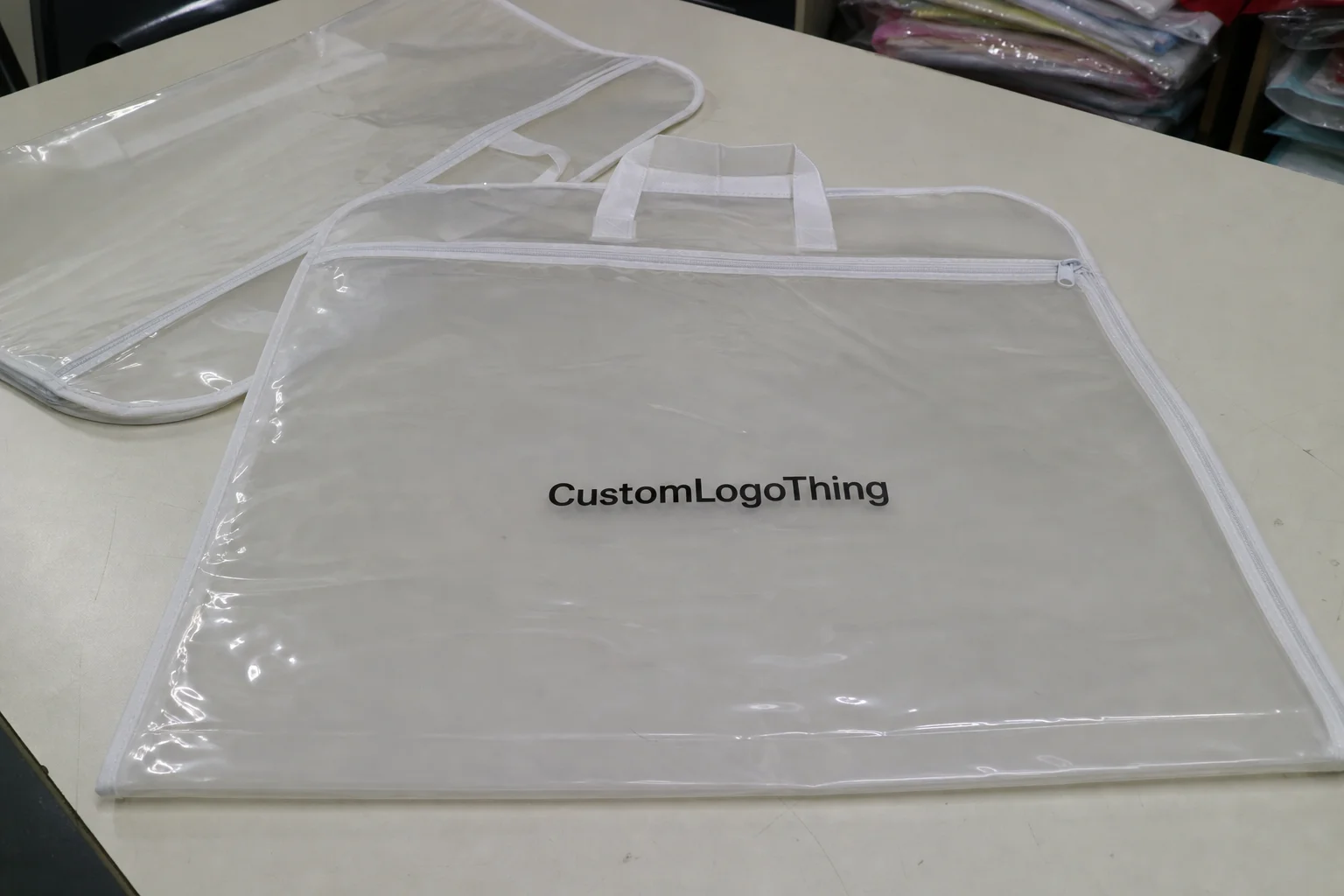
Standard poly bags work well for basic shipping and dust protection. They do not always work well for gift sets, especially when the package itself is part of the product story. If a boxed shirt set, sleepwear bundle, or retail apparel gift pack is meant to feel premium, the outer bag has to do more than stop lint and scratches.
PVC Garment Bags are chosen for three practical reasons: visibility, structure, and moisture resistance. Clear or lightly frosted PVC lets buyers see the product without opening the pack. A heavier film can also hold shape better than thin poly, which helps in merchandising and reduces that cheap, sagging look that often hurts sell-through.
There is also a commercial angle. A well-made bag can reduce returns caused by cosmetic damage during transit, and it can improve shelf appeal in stores where packaging has to sell the product before a salesperson speaks. That is why gift set PVC Garment Bags moq discussions should start with the end use, not just with a material quote.
“Cheap packaging is rarely cheap if it damages conversion. The real question is whether the bag supports the margin on the item inside.”
Low-cost alternatives can still make sense. For short-term campaigns, internal warehouse protection, or promotional sets with low retail expectations, a basic PE bag may be enough. But once clarity, rigidity, and presentation matter, PVC usually earns its place. The buyer should weigh unit cost against the visible effect on the shelf and the hidden effect on damage claims.
One more point: gift set packaging often has to handle more than one component. That makes fit more sensitive. A bag that is too small wrinkles the contents. One that is too large looks sloppy and wastes material. In practice, the right choice often comes from matching the package to the folded garment size, hanger format, or boxed set dimensions rather than choosing the cheapest film.
Gift Set PVC Garment Bags: Material, Closure, and Format Options
Not all PVC garment bags are built the same. Buyers often compare samples side by side and assume the difference is only cosmetic. Usually, it is not. Thickness, finish, closure type, and overall construction can change cost per piece, usability, and the feel of the finished gift set.
Common formats include zippered garment bags, flap-top styles, hanger-access openings, and multi-piece layouts designed for bundled apparel. Zippers are common when the bag needs repeated opening and closing. Flap-top structures can work for retail presentation, especially when the bag is paired with a rigid insert or folded apparel. Hanger openings matter when the garment is displayed hanging rather than folded. For boxed bundles, some buyers prefer a sleeve-style package with a clear front panel and printed backer card.
Material selection should be specified in plain language. Ask for the PVC thickness in microns or mils, the clarity level, whether the film has anti-yellowing treatment, and what finish is used. Glossy PVC often gives a sharper visual effect, while frosted or semi-transparent surfaces can reduce fingerprints and minor scuff visibility. Odor matters too. A strong plastic smell is a warning sign for some retail environments and warehouse storage conditions.
Closure choice affects both function and presentation. Zippers add reusability and a more finished feel, but they can raise the price and require tighter tolerance control. Snaps, Velcro, or adhesive flaps may reduce complexity, though each comes with trade-offs in durability and user experience. If the bag is designed for one-time retail opening, a simple closure may be enough. If the product is intended for travel or storage after purchase, buyers usually prefer a more durable closure.
Common format comparison
| Format | Best for | Typical strengths | Trade-offs |
|---|---|---|---|
| Clear zippered bag | Premium apparel, repeat use | Easy access, strong presentation, reusable | Higher cost, more parts, more QC attention |
| Flap-top clear bag | Retail gift sets, folded garments | Simple construction, lower setup effort | Less secure than a zipper for travel |
| Hanger-access garment bag | Hanging apparel, retail display | Useful for showroom and wardrobe storage | Needs precise hanger-hole placement |
| Multi-piece gift pack bag | Bundled sets, coordinated apparel | Good for bundled presentation | Needs more exact sizing and assembly control |
Bag dimensions deserve more attention than they usually get. A gift set does not need a huge amount of empty air around it. Excess space makes the package look underfilled and can also shift the contents during shipping. For folded garments, the buyer should confirm width, height, and gusset depth before asking for a quote. For hanging apparel, hanger width and hanging hole placement matter just as much.
Specifications Buyers Should Confirm Before Ordering
Before any serious quote, the supplier should have enough detail to price the bag accurately. If the spec is vague, the quote will be vague too. That usually means revisions later, and revisions are where schedules slip.
The core specifications are straightforward. Confirm the finished width, height, and gusset depth. State the PVC thickness. Ask for seal strength or seam construction details. Check zipper quality if the bag uses one. Confirm whether the hanger hole is reinforced, centered, or offset. These details may sound minor, but they affect durability and production consistency.
Branding is another area where buyers can lose time. Logo placement should be clear before artwork is sent. Some brands want a small mark near the top edge; others want a larger print area on the front panel or a printed insert visible through the clear film. If the bag must keep a clear panel unobstructed for shelf appeal, say so early. Printing too close to the viewing area can weaken the presentation.
Buyers should also ask about consistency across batches. PVC film can vary in clarity, stiffness, and surface finish if sourcing is loose. That is especially visible in multi-SKU programs where one colorway looks slightly more blue or cloudy than another. For that reason, request a sample or spec sheet before approving bulk production. A sample is not a luxury. It is the quickest way to prevent a bad assumption from becoming a warehouse problem.
Some practical handling details are easy to overlook:
- Odor level for retail, warehouse, or gift use
- Storage temperature and whether bags may stick together in humid conditions
- Surface finish consistency across a full carton or production run
- Print adhesion if the logo is applied to PVC rather than an insert
- Carton pack count for warehouse efficiency and secondary packaging
If the bag is being used for consumer-facing retail, some buyers also ask about standards and shipping tests. For carton-level transport planning, it is sensible to align with common packaging testing references such as ISTA test procedures. If sustainability language is part of the brief, clarify recycled-content claims and end-of-life expectations rather than guessing at what the material can support. For broader packaging materials context, The Packaging School and industry resources at packaging.org can help buyers benchmark terminology and material categories.
Gift Set PVC Garment Bags MOQ, Cost, and Quote Factors
This is where most buying decisions get real. gift set pvc garment bags moq is rarely a single number that applies to every version. MOQ changes with size, print complexity, closure type, and whether the bag is a standard item or a fully custom build. A simple clear bag may have a lower entry point than a branded multi-part gift set bag with special sizing.
For practical planning, buyers should think in ranges. Simple PVC garment bags with limited customization may start at a lower MOQ than printed retail-ready versions. Once tooling, logo printing, or special closure parts are involved, the minimum often rises. That is normal. Tooling fees and setup charges have to be spread across the order, and the factory needs enough volume to make the run viable.
Below is a useful way to think about pricing pressure. These are directional, not fixed quotes, because film thickness, artwork, and pack format can change the picture quickly.
| Order type | Typical MOQ pressure | Price drivers | Buyer takeaway |
|---|---|---|---|
| Standard clear PVC bag | Lower | Thickness, size, carton pack-out | Best for basic presentation and volume buying |
| Logo-printed gift set bag | Medium | Print setup, color count, artwork prep | Expect setup charges and a higher first-run cost |
| Custom shape or multi-piece pack | Higher | Tooling fees, labor, tighter tolerances | Needs accurate dimensions and firm forecast volume |
Cost per piece falls as quantities rise, but not always in a straight line. A larger run can lower material cost and spread setup charges. Yet if the order includes multiple print colors, special zipper sourcing, or unusually tight dimensional tolerances, the savings may be smaller than expected. That is why buyers should compare bulk pricing against landed cost, not just factory unit cost.
Landed cost includes freight, duty, carton packs, possible inspection charges, and any secondary packaging. A bag quoted at $0.24 per unit may look better than one at $0.29, until the lower quote adds heavier freight because the cartons are oversized or the pack-out is inefficient. In apparel packaging, volume often travels as much as value does.
Here is a realistic planning range many teams use as a starting point: a basic clear PVC garment bag can sit in a lower unit-cost band, while a fully branded gift set version with zipper and custom print can move meaningfully higher. For larger orders, the price gap between standard and premium versions usually narrows in percentage terms, but the absolute dollars still matter. If the bag is customer-facing, a few cents saved on material can cost much more in presentation loss.
The best buying teams ask for quotes in a way that isolates the variables. One quote for a plain bag. One quote for printed branding. One quote for upgraded closure or thickness. That approach makes the impact of each feature obvious and gives real control over the budget.
Production Steps, Lead Time, and Approval Milestones
The production path is simple on paper and often messy in practice. The usual sequence is inquiry, quote confirmation, artwork review, sample approval, manufacturing, inspection, and shipment. Each stage can move quickly if the inputs are clean. Each stage can stall if the spec changes midstream.
Artwork changes are the most common delay. If the logo file is low resolution, the color reference is unclear, or the print area is not fully defined, the factory has to stop and ask questions. Size ambiguity is another common issue. A bag made for a folded shirt is not the same as one made for a bundled two-piece set. One missing measurement can create a rework problem later.
Typical sample timing varies by structure. A straightforward sample can often be produced in about 5 to 10 business days after artwork and dimensions are confirmed. Bulk manufacturing may then take roughly 12 to 20 business days, depending on order size, print complexity, and current factory load. Peak seasons can stretch both windows. Freight planning can stretch the total schedule even more.
Approval milestones matter because they keep responsibility clear. The buyer should approve:
- Dimensions and construction before sample production
- Artwork placement and color before print setup
- Sample quality before bulk release
- Carton pack-out before final shipment
That sequence may feel formal, but it prevents expensive confusion. If a buyer signs off too early on a blurry proof or a speculative size, the finished bag may be technically correct and commercially wrong. For shipping cartons and transit risk, buyers can also reference general packaging handling guidance through EPA packaging and recycling resources when end-of-life or material handling questions matter to the project.
Inspection should not be skipped, even on repeat orders. A quick check for scuffs, cloudy panels, weak seals, zipper alignment, and print consistency can save a lot of trouble. If the program is recurring, keep the approved sample and the final spec sheet locked together. That becomes the baseline for the next reorder.
Why B2B Buyers Choose Our PVC Garment Bag Program
B2B buyers usually do not want drama. They want repeatable size control, predictable print quality, and quoting that does not turn into a moving target. That is the core reason our PVC garment bag program exists. It is built for recurring gift set packaging, seasonal bundles, distributor orders, and private-label apparel lines that need dependable output across multiple SKUs.
Factory-level consistency is the real selling point. When the film thickness, cut size, and seal standard stay controlled, the bag looks the same from carton to carton. That matters more than many suppliers admit. A clear bag with inconsistent transparency can make the whole line look disorganized. A good bag should disappear enough to show the product, but not so much that it looks flimsy.
Customization stays practical. Some programs need simple branding. Others need specific zipper colors, printed logos, or a different hanger-hole layout. Responsive quoting helps brands compare options without dragging the process out for weeks. If a buyer is still deciding between a retail presentation bag and a shipping-oriented format, the quote should show the cost difference plainly.
Quality control matters here too. Common defects such as scuffs, weak seals, off-center prints, and inconsistent transparency can ruin a gift set program even when the unit cost looks attractive on paper. A stronger QC process reduces those misses and protects the margin on the final product. That is especially important for brands that reorder the same bag across seasons and expect the second run to match the first.
For packaging teams balancing presentation and cost, this is a practical supply solution rather than a speculative one. If you need gift set pvc garment bags moq guidance, the useful answer is not a vague promise. It is a spec-backed quote that tells you what you get, what it costs, and where the minimums sit for your exact format.
Next Steps to Get an Accurate Quote and Fast Approval
The fastest way to get a serious quote is to send the facts up front. Include the finished dimensions, quantity, bag style, closure preference, PVC thickness target, logo files, and delivery destination. If you already know whether the bag must support retail display or shipping protection, say that too. It changes the recommendation.
A sample or prototype is worth requesting before bulk approval, especially for Custom Garment Bags with logo printing or special closures. A good sample answers the questions a spreadsheet cannot: clarity, odor, stiffness, zipper feel, and how the package actually sits on a shelf or in a carton.
It also helps to be clear on your budget and timeline. If the target cost per piece is fixed, say so. If the delivery date is non-negotiable, say that too. The quote can only reflect real priorities if the brief is honest. Buyers who present a clean scope usually get more accurate pricing and fewer revision cycles.
For procurement teams comparing options, the next move is straightforward: confirm the MOQ, review the spec, check the sample, and request a formal quote for gift set pvc garment bags moq. That sequence keeps the order grounded in facts, not assumptions. And in packaging, facts save money.
What is the typical MOQ for gift set PVC garment bags?
MOQ depends on size, thickness, printing, and whether the bag is a standard or fully custom build. Simple clear bags usually have lower minimums than branded or multi-part gift set versions. Ask for MOQ by specification, not a blanket estimate.
How does PVC thickness affect price and durability?
Thicker PVC usually costs more but improves stiffness, feel, and resistance to creasing. Thin material lowers unit cost but may reduce shelf presentation and long-term durability. Match thickness to product weight and how the bag will be displayed or shipped.
Can I add a logo to custom garment bags for gift sets?
Yes, logo printing is common, but it may affect MOQ and pricing. Print area, color count, and placement will influence setup complexity and lead time. Request artwork guidance before final approval to avoid production delays.
How long does production usually take after sample approval?
Lead time varies by order size and customization level. Bulk orders generally move faster when dimensions, artwork, and closure details are finalized early. Peak periods and freight planning can extend the overall schedule.
What details should I send to get an accurate quote quickly?
Provide dimensions, quantity, PVC thickness, bag style, closure type, logo files, and delivery destination. Include whether you need retail-ready presentation or shipping protection. Clear specs reduce revisions and improve quote accuracy.


