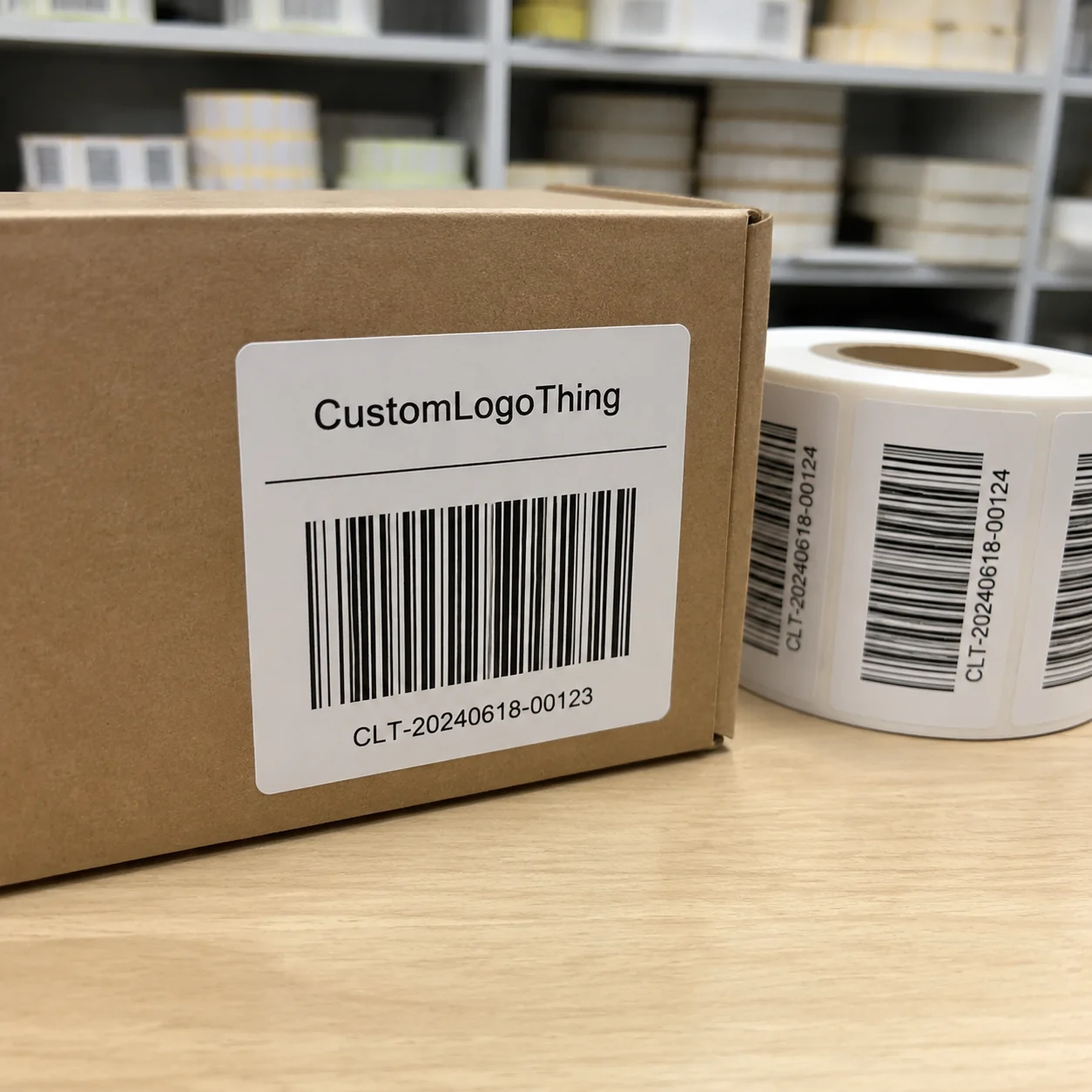
Why book merch hang tags do more than hold a price
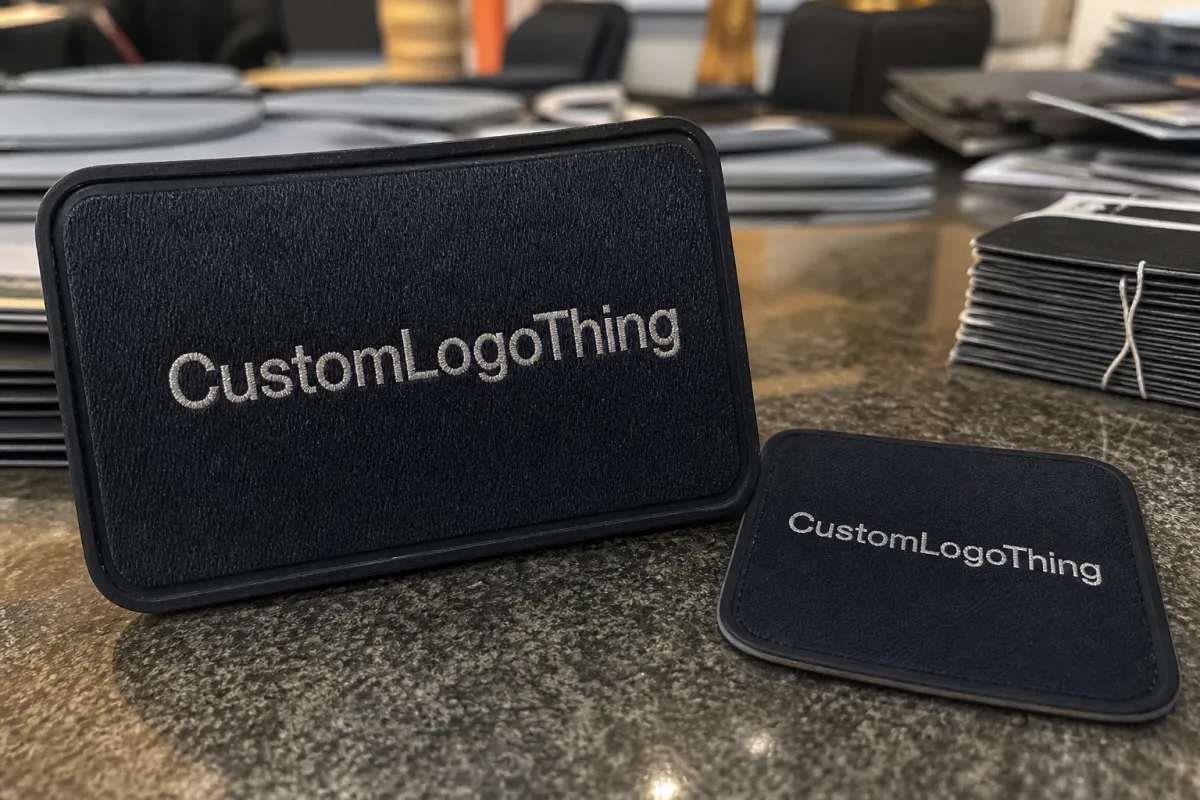
People buy with their eyes first. That is retail behavior, not branding poetry. For Book Merch Brands, a hang tag often does the selling before anyone touches the tote, tee, bookmark, or pin. A solid Hang Tags Supplier Quote for book merch brands should reflect that reality instead of reducing the job to “just a tag.”
Book-related merchandise has a specific job: it has to feel like it belongs to the book, the author, or the series. A tag can carry SKU details, edition numbers, author branding, a short quote, care instructions, retail pricing, and barcode space in one compact piece. That is a lot of work for something many buyers still treat like scrap paper.
The common mistake is simple. Brands save a few cents on the tag and then wonder why the whole product looks undercooked. A better hang tag can make a plain canvas tote or enamel pin feel like a limited release. Same product, different perception. That matters when the audience is already emotionally attached to the content.
In practice, the supplier quote should balance print quality, stock choice, and retail usability. Lowest unit price sounds fine until the tag curls, the barcode fails to scan, or the string snaps on the sales floor. That is not savings. That is a quiet headache.
“A hang tag is tiny real estate, so it has to earn its space. If it does not add clarity or value, it is just decoration.”
Hang tag formats that fit book merch without clutter
Book merch tends to work best with clean, readable formats. You do not need a giant tag shouting over the product. You need enough room to communicate what the item is, why it belongs in the line, and how it should be sold. That is the sweet spot.
The most useful options are straightforward:
- Single-layer tags for simple products and lean budgets.
- Folded hang tags when you need more story copy, care information, or QR code space.
- Die-cut tags for branded shapes, series symbols, or special launches.
- Multi-panel tags for collections that need product specs, author notes, or edition details without clutter.
For common book merch items, these size ranges usually make sense:
- 2 x 3.5 in for tees, bookmarks, and compact accessory tags.
- 2.5 x 4 in for most tote bags, candles, and premium accessories.
- Custom die-cuts when the tag shape is part of the brand identity, not just packaging.
Hole style matters more than many buyers expect. A one-hole tag is fine for lightweight products and standard stringing. Two-hole tags hold better on heavier goods or items that get handled frequently. For attachment, cotton cord feels more polished than cheap plastic loops, while elastic loops can help on packed fulfillment lines. If your merch goes to retail shelves, the attachment should not fight the display fixture.
Front and back content should be planned, not improvised. Front side: logo, product name, series name, and perhaps the edition title. Back side: price, barcode area, SKU, short copy, care instructions, origin notes, and any legal marks. For a brand tied to books, the tag should support the catalog-like feel of the product line. It should not compete with the cover art or the merch itself.
One more practical point: tags that are too large often create the wrong signal. A bulky tag on a small accessory can make the product feel overpriced before anyone reads the copy. A tag that is too small can look cheap even if the stock is excellent. Size is part of perceived value, not just layout.
Material, finish, and print specifications buyers should lock down
If you want an accurate Hang Tags Supplier Quote for book merch brands, you need to specify the material and finish clearly. Vague requests lead to vague quotes. Then everyone acts surprised when the sample does not match the mood board.
Common stock choices include 14pt, 16pt, and 18pt cardstock, coated paper, kraft paper, and textured specialty stocks. For budget-conscious merch runs, 14pt or 16pt cardstock usually gets the job done. If the tag needs to feel more collectible, 18pt or a textured stock gives more substance in hand. Kraft works well for indie or literary aesthetics, but it changes how color reads. Bright reds and subtle gradients rarely behave nicely on kraft.
Finish options change both look and function:
- Matte keeps text readable and feels calm, editorial, and easy to scan.
- Gloss boosts color intensity and works better for vivid artwork.
- Soft-touch lamination adds a premium feel, especially on collector-style merch.
- Uncoated stock gives a more tactile, indie-friendly look and handles writing well.
Special finishes can elevate a tag without making it look overdesigned. Foil stamping is strong for author initials, edition marks, or logo accents. Embossing adds depth. Spot UV can highlight a title or pattern. Edge painting works well on premium drops, especially if the brand wants a collectible feel. Just do not stack every finish on one tag unless you want visual noise.
For print method, digital printing is usually better for short runs and variable artwork. Offset printing makes more sense when quantity climbs and color consistency matters across larger batches. If the brand relies on repeatable colors, ask for Pantone matching. That is especially useful for series branding, author brands, and launch campaigns where the same palette has to hold up across multiple SKUs.
There are also practical spec checks that should not be skipped:
- Hole size should fit the chosen cord or loop without tearing.
- Bleed should be confirmed before proof approval.
- Safe margin matters near edges, folds, and hole punches.
- Barcode placement needs enough quiet space to scan cleanly.
- Ink coverage limits on kraft stock should be reviewed to avoid muddy results.
Color on paper rarely behaves like a screen mockup. Deep blacks can shift slightly warm or cool depending on stock, and pale tones can disappear on textured surfaces. That is why buyers who care about brand consistency usually ask for a proof, then compare it under neutral light instead of approving it on a phone at midnight.
For industry standards around recyclable materials and packaging claims, the Packaging Machinery Manufacturers Institute and FSC are useful references when you are checking material language or sustainability claims. If your merch line includes shipping or secondary packaging concerns too, the EPA has plain-language guidance on packaging and waste reduction that is worth a read.
| Option | Best For | Look and Feel | Typical Tradeoff |
|---|---|---|---|
| 16pt matte cardstock | Standard merch runs | Clean, readable, practical | Less premium in hand |
| 18pt soft-touch laminated stock | Collector or giftable merch | High-end, smooth, polished | Higher cost, less writable |
| Kraft stock | Indie or literary branding | Natural, textured, earthy | Color shifts, limited ink coverage |
| Textured specialty stock | Premium launch drops | Tactile and distinctive | More expensive, may extend lead time |
Cost, pricing, MOQ, and what changes your supplier quote
If you want a realistic Hang Tags Supplier Quote for book merch brands, stop asking for “the price” as if there is only one. Pricing changes with quantity, size, stock, color count, finish complexity, and the shape of the die cut. Add a special cord, custom packing, or foil, and the number moves. That is manufacturing.
For standard custom hang tags, smaller runs usually carry a higher unit price because the setup cost gets spread across fewer pieces. Once quantity rises, the unit cost drops. Standard sizes and common stocks also help keep pricing down because they use existing tooling and simpler production paths.
A rough pricing frame for custom hang tags often looks like this:
| Quantity | Simple Single-Side Tag | Mid-Range Finish | Premium Finish |
|---|---|---|---|
| 500 pcs | $0.45-$0.85 each | $0.70-$1.20 each | $1.10-$2.00 each |
| 1,000 pcs | $0.25-$0.55 each | $0.40-$0.85 each | $0.75-$1.50 each |
| 5,000 pcs | $0.08-$0.18 each | $0.14-$0.28 each | $0.25-$0.55 each |
Those ranges are broad on purpose. A die-cut tag with foil and soft-touch lamination is never going to price like a plain 16pt square tag. If a supplier quotes too low for a detailed spec, ask what they left out. Sometimes it is legitimate. Sometimes the quote is missing dies, stringing, or packing. Buyers get burned by that more than they like to admit.
Watch these hidden costs:
- Setup fees for prepress and press calibration
- Die charges for custom shapes
- Stringing or assembly if tags arrive pre-attached
- Packaging such as bundled counts or retail-ready packing
- Shipping for finished goods, which can be meaningful on heavier stock
MOQ also depends on the production method. Digital short runs can go lower, which helps newer book merch brands test concepts without overbuying. Offset and specialty finishing usually require higher minimums because the setup cost needs to be justified. Standard sizes, one-color layouts, and simpler finishes usually lower the barrier. Complex die-cuts and layered finishes push it up.
Request tiered quotes at two or three quantities. For example: 500, 1,000, and 5,000 pieces. That shows you the pricing breakpoints instead of guessing where the best unit cost lands. A supplier who can quote those tiers cleanly is usually giving you more useful information than the one who only sends a single number.
One caution for smaller publishers and indie merch lines: the cheapest quote is not always the best buy if it creates waste. A tag that feels flimsy, tears during hanging, or ships with inconsistent color can cost more in remakes and lost margin than a slightly stronger spec would have cost upfront.
Production steps and turnaround for custom hang tags
A clean process matters. A supplier can only move as fast as the files and approvals allow. Here is the typical path for a custom hang tag order: quote request, artwork review, proof approval, production, finishing, packing, and shipment. Miss one step and the timeline stretches.
Before you ask for a quote, have these ready:
- Logo files in vector format if possible
- Exact dimensions for the tag
- Copy for front and back
- Pantone references or brand color targets
- Barcode files if retail scanning is required
- Quantity split if you need multiple SKUs or editions
Typical turnaround often lands around 10-15 business days after proof approval for straightforward jobs. More complex orders with custom dies, foil stamping, embossing, or specialty stock can move into the 15-25 business day range, depending on the schedule. If the shop is busy or the proof takes three rounds because the file was not ready, the clock keeps moving.
Rush orders are possible, but only when the artwork is final, the spec sheet is locked, and the supplier has production room. Rushed work plus unclear files equals mistakes. That is not a rush order. That is a rescue mission.
Ask about sampling or proof options before you pay a deposit. A digital proof is useful for layout, text, and placement checks. A physical sample is better if you are comparing stock feel, finish, and color accuracy. Not every job needs a press sample, but if the line is premium or the first launch matters, a sample is cheap insurance.
For packaging buyers who care about shipping performance as well as appearance, it is worth checking whether the hang tags will be packed flat, strung, counted in bundles, or inserted in cartons with the merch. These details affect fulfillment labor and post-print handling. If you want to compare standard specifications with other branded items, our Custom Labels & Tags page is a useful starting point.
There is also a small but real quality-control issue that tends to show up late: hole placement. If the punch is off even a little, tags can hang crooked or sit awkwardly on the product. That kind of flaw is obvious on a retail rack, even if the printing itself looks fine.
Why book merch brands benefit from a supplier who understands retail details
Category experience matters. A supplier who understands merch packaging will know that book launches, author collabs, limited editions, and seasonal drops are not the same thing as generic promo items. Timing, presentation, and repeatability all matter. If the tag is for a launch tied to a release window, the supplier has to treat lead time like a real constraint, not a suggestion.
Quality control is where good suppliers earn their keep. For book merch hang tags, the key checks are straightforward: color consistency, cut accuracy, hole placement, finish alignment, and repeat run stability. If the first batch looks sharp but the reorder drifts, the brand loses consistency. That hurts more than people expect, especially on products sold as a series.
Clear communication is also a quality feature. Vague promises about “premium” mean nothing if the proof is late or the spec sheet is messy. Buyers need direct answers on stock choice, MOQ, production timing, revision limits, and what is included in the price. A supplier that can explain those things clearly is usually easier to work with than the one that talks in adjectives.
Inventory and reorder support matter too. Many book merch brands restock bestsellers or release seasonal collections with a shared branding system. If the supplier keeps the file, spec, and color setup organized, reorders get easier and less expensive to manage. That is not glamorous. It is practical.
The right tags should look intentional, not attached as an afterthought at the end of the packing line. That difference shows on camera, in retail displays, and in customer photos. For brands selling merchandise around books, visual continuity is part of the product experience, not a side issue.
One practical buyer observation: the best-looking hang tags are often the ones that stay focused. They use one strong idea, one clear color path, and one readable hierarchy. Trying to make the tag do everything usually weakens the final result. It reads better, and it prints better, when the design knows its limits.
What to send before you request your hang tags supplier quote for book merch brands
If you want a fast, accurate Hang Tags Supplier Quote for book merch brands, send a complete brief. Half-baked requests lead to half-accurate pricing. Then everyone wastes time doing back-and-forth on basics that should have been included upfront.
Start with the core inputs:
- Product type such as tote, tee, pin, bookmark, candle, or accessory
- Tag size or at least a rough range
- Quantity and any split by SKU
- Stock preference such as matte cardstock, kraft, or specialty paper
- Finish like foil, embossing, spot UV, or none
- Attachment style such as cotton cord, elastic loop, or one-hole punch
Include artwork in a usable format. PDF, AI, or high-resolution layered files are far better than screenshots. If you only have a rough layout, that still helps, but it is better to note what is missing. Brand assets should include logos, color references, and any copy that must appear on the tag. If there is a retail barcode, send that file too. If there is a legal line or care statement, send it before the proof stage, not after. Late copy changes are where easy orders become annoying ones.
Ask for two or three pricing tiers at the same time. A budget option, a best-value option, and a premium option are usually enough to show the tradeoff clearly. You do not need twelve versions of a hang tag quote. You need enough information to make a buying decision without guessing.
Also ask for the proof type, turnaround estimate, and shipping timeline in the same conversation. That avoids the classic “quote looks good, but the delivery date does not work” problem. If the brand is launching on a fixed date, the delivery window matters as much as the unit cost.
Then do the boring but necessary part: compare the final quote against your launch margin. If the tag adds too much cost relative to the merch price, simplify the stock or finish. If the presentation is driving higher perceived value and a better retail price, keep the upgrade. That is the real business decision.
One more detail buyers often forget: ask how the tags will be counted and packed. Bulk-packed tags are cheaper, but pre-stringing or retail bundling can save time downstream. The right answer depends on whether your team is assembling in-house or shipping direct to retail.
Send the specs, approve a digital proof, and confirm the final price before production. If you want help putting that brief together, Contact Us with your product details and quantity targets. The cleaner the input, the cleaner the quote.
What should I include in a hang tags supplier quote for book merch brands?
Include size, quantity, material, finish, printing method, hole style, and any add-ons. Attach artwork or even a rough layout so the supplier can catch production issues early. Ask for shipping, setup, and die or tooling charges in the same quote.
What is the usual MOQ for custom book merch hang tags?
MOQ depends on stock, print method, and finishing. Digital short runs can be lower; offset and complex finishes usually require higher minimums. Standard sizes and simple specs usually lower the MOQ barrier.
How much do custom hang tags usually cost for merch brands?
Cost is driven by quantity, stock, size, print sides, and finishing choices. Basic tags are cheaper per unit; foil, embossing, and custom shapes raise the price. Ask for tiered pricing to see where the best unit cost lands.
How long does production take after I approve the proof?
Typical turnaround depends on the spec and current schedule. Simple tags move faster than jobs with die-cuts, foil, or specialty finishes. Final proof approval and clean files speed things up the most.
Can I order hang tags that match my book cover or series branding?
Yes, matching color palettes and typography is standard. Provide Pantone references or print-ready files for the most accurate result. Series branding works best with consistent size, stock, and finish across all SKUs.
If you need a hang tags supplier quote for book merch brands that reflects the product, the print spec, and the launch timeline, send the details early and compare the options with the same discipline you would use for any retail purchase. Because the tag is small, but the decision is not.