Need a Hang Tags Supplier Quote for supplement brands? The useful kind is tied to real production specs, not a rough estimate that changes after proofing. In supplements, a tag has to survive packing, shipping, and shelf handling while still making the product easier to read in a retail set, subscription box, or bundle.
For Custom Logo Things, a Hang Tags Supplier Quote for supplement brands should reflect size, stock, finish, quantity, print coverage, and attachment method. Leave those out and the first price is often only a placeholder.
Why supplement brands need hang tags that do more than look nice
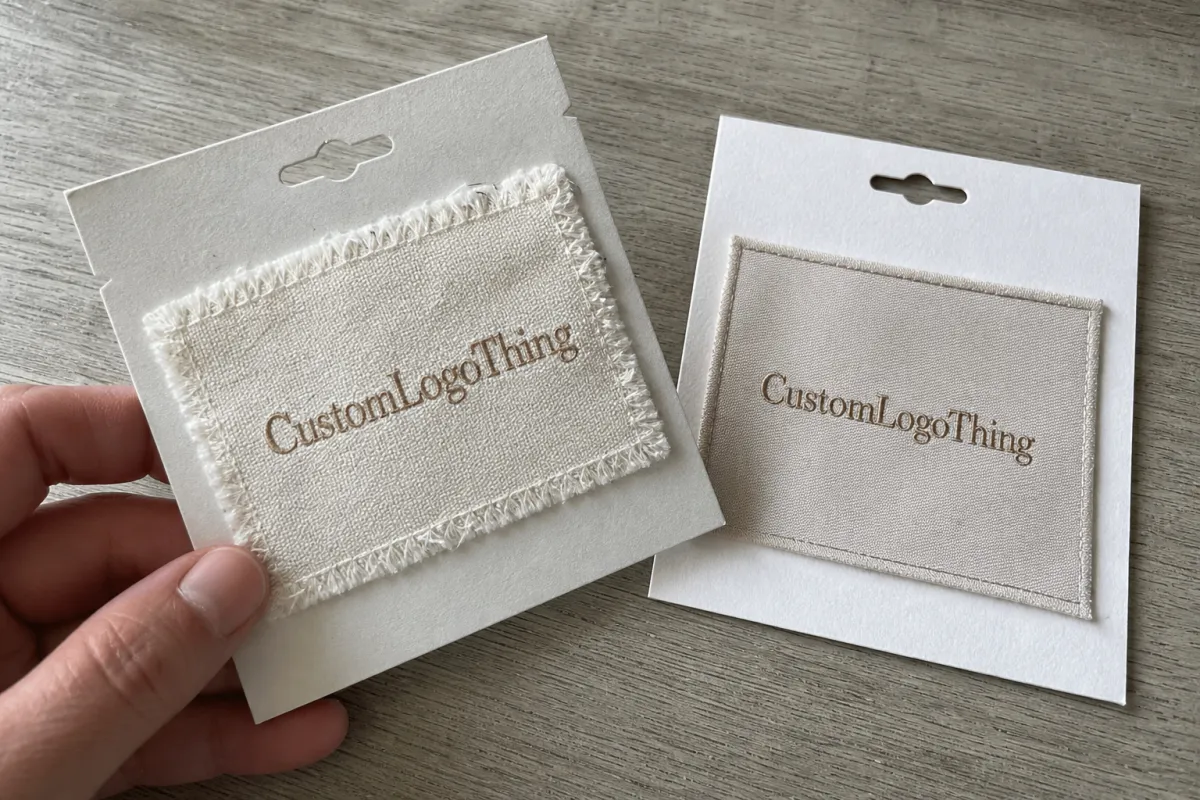
Supplement packaging is crowded by default. Bottles, jars, cartons, shrink sleeves, inserts, and shippers all compete for attention. That leaves little room for extra paper, so a hang tag has to earn its place quickly.
The best tags do three jobs at once: they add clarity, support positioning, and make the pack feel finished. That can mean flavor notes, dosage reminders, bundle contents, subscription instructions, or a short brand message that helps the product feel more deliberate. For premium SKUs, the tag can be part of the value signal. A clean matte card or soft-touch tag reads differently from a thin insert.
That is why buyers searching for a Hang Tags Supplier Quote for supplement brands usually need more than a price. They need confidence that the tag will work in the real path from packing table to customer hands.
Hang tags are especially useful in a few supplement formats:
- Retail shelves, where a tag can help separate closely related SKUs and make product names easier to scan.
- Sample kits, where a tag can explain the product without adding another loose insert.
- Subscription boxes, where a branded tag makes the pack feel intentional rather than improvised.
- Trade show bundles, where product identification needs to be immediate and clear.
They also reduce confusion. If a line includes multiple flavors, formulas, or serving formats, the right tag helps buyers and fulfillment teams tell them apart faster. That matters when a warehouse has to handle three nearly identical SKUs.
Practical rule: if the hang tag does not add clarity, structure, or shelf value, it is probably too expensive for what it delivers.
Tag formats, materials, and finishes that work for supplements
There is no universal best tag for supplements. A probiotic line with clinical positioning should not look like a botanical tea set, and a natural wellness brand usually does not benefit from a heavy, glossy card that feels overly engineered. Format has to match the story.
Common options include single-sided hang tags, folded tags, cardstock tags, laminated tags, and custom die-cut shapes. Single-sided tags are typically the simplest and least expensive. Folded tags give more room for details such as ingredient highlights, bundle instructions, or QR codes. Die-cuts can create a stronger brand cue, but custom tooling usually increases setup cost and minimum order quantity.
Material choice changes the feel immediately:
- Coated paper supports sharper print and brighter color.
- Uncoated stock feels softer and works well for natural or clean-label positioning.
- Kraft stock fits earthy, minimal, or botanical branding.
- Textured stock adds tactility and helps premium lines feel more considered.
- Heavier board adds stiffness and is a better fit for upscale products that need a more substantial feel.
Most supplement buyers end up balancing appearance against handling. A tag that looks elegant but curls, scuffs, or tears in pack-out is not a win. For that reason, heavier paper and board in the 250gsm to 400gsm range are common, depending on the finish and the attachment style. That range gives enough structure for a premium look without turning the tag into a rigid piece that fights the packing line.
Finishes should be chosen with restraint. Matte reads clean and controlled. Gloss makes color punchier. Soft-touch lamination adds a higher-end feel, though it usually increases cost. Foil stamping, spot UV, and embossing can elevate a hero SKU, but only if the rest of the packaging supports that finish.
Rounded corners are worth considering because they hold up better during packing and transport. A rough edge catches, scuffs, and bends more easily. Attachment method matters as well: pre-punched holes, string, or elastic loops all work, but the tag should stay attached through fulfillment and retail handling.
| Tag style | Best for | Typical cost impact | Notes |
|---|---|---|---|
| Single-sided cardstock | Basic supplement SKUs, sample kits | Lowest | Good for clean branding and simple product details |
| Folded tag | Multi-use products, bundled sets | Moderate | More room for instructions, QR codes, or flavor notes |
| Laminated premium tag | High-end vitamins, wellness gifts | Higher | Better durability and a more finished look |
| Foil or spot UV tag | Luxury positioning, hero SKUs | Highest | Use carefully; premium finishes should match the brand level |
Specifications to lock down before requesting a quote
If you want a useful Hang Tags Supplier Quote for supplement brands, the supplier needs production details, not adjectives. “Clean,” “natural,” and “premium” are direction, but they do not tell a factory what to print, cut, or finish.
Start with size and shape. A typical tag might be 2 x 3.5 inches, 2.5 x 4 inches, or a custom shape tied to the logo or product line. Then confirm whether the tag is flat or folded, one-sided or double-sided, and whether rounded corners are needed. Those choices affect stock usage, cutting, and setup time.
Next comes stock thickness. For supplement tags, heavier paper is usually better than thin paper because the tag needs to survive pack-out and shipping. Too much rigidity can make stringing awkward or cause the tag to sit poorly against a bottle. The goal is enough stiffness to feel premium, not so much that the tag behaves like chipboard.
Artwork matters more than most first-time buyers expect. Vector files are best when possible. Include bleed, trim, and safe area. If the tag needs a barcode, QR code, ingredient callout, allergen note, or multilingual copy, those details should already be on the file. Adding them later usually means another proof cycle and another round of delays.
Color expectations should be stated clearly. If the hang tag has to match cartons, bottles, or a display sleeve, share PMS references where possible and mention any critical brand colors. A warm off-white tag can look fine in isolation and still clash with a cool white carton once everything is packed together.
- Size and exact shape
- Stock and thickness
- Print sides: front only or both sides
- Finish: matte, gloss, soft-touch, foil, spot UV
- Hole size and placement
- Attachment style: string, elastic, or pre-punched
- Artwork status: ready file, rough layout, or redesign needed
Compliance-adjacent notes also help. Supplement tags often need room for product name, serving information, flavor notes, warnings, or short usage text. I am not giving legal advice, and a compliance review is still necessary before printing. But if the layout has to carry specific text, say so before quoting.
For packaging standards and sustainability context, it is useful to check recognized industry and environmental sources. The Institute of Packaging Professionals is a practical reference for packaging materials and best practices. The EPA also has guidance on sustainable packaging and waste reduction.
Pricing, MOQ, and unit cost factors for hang tags
Pricing becomes useful only when it reflects the real job. For a hang tags supplier quote for supplement brands, the main cost drivers are straightforward: size, stock, quantity, print coverage, finish, and whether the shape is standard or custom.
Setup cost matters. A larger run often lowers the unit price because the press setup, cutting, and proofing costs are spread across more pieces. Short runs cost more per tag because those fixed steps do not disappear. That is especially noticeable on premium tags, where extra finishing can add handling time even if the artwork itself is simple.
Simple paper hang tags usually have lower entry quantities. Custom shapes, foil, soft-touch lamination, or assembly work often raise the minimum order quantity. If a brand is launching a new supplement line, it is smart to ask for pricing at several quantities, such as 1,000, 3,000, and 5,000 pieces. That shows the break between launch-friendly volume and more efficient production.
Reasonable planning ranges for standard supplement tags often look like this:
- Simple cardstock tag: about $0.12-$0.30 per unit at mid-sized quantities
- Premium finish tag: about $0.25-$0.60 per unit depending on print coverage and finish
- Custom die-cut or foil tag: often $0.40-$0.90 per unit, sometimes more for smaller runs
Those figures are planning ranges, not promises. Heavier coverage, specialty colors, foil, and extra assembly will move the price up. Larger runs and simpler specifications usually move it down.
A few add-ons can change the quote more than expected:
- Extra proof rounds
- Special Pantone color matching
- Custom stringing or loop assembly
- Pack-in sets or bundled tagging
- Protective packing for shipment
If a supplier gives one price and nothing else, ask for a tiered quote. The difference between 1,000 and 3,000 pieces is often more meaningful than the difference between two finishes that sound similar on paper.
Process and timeline: from quote request to delivery
A reliable hang tags supplier quote for supplement brands should come with a clear process: send specs, receive estimate, confirm artwork, approve proof, produce, inspect, and ship. The sequence is simple. The delays come from missing information or late changes.
Lead time depends on complexity. Standard paper tags can sometimes move in 10-15 business days after proof approval if artwork is clean and the schedule is open. Premium finishes, custom die-cuts, or any assembly step usually add time. More involved jobs often fall into the 15-25 business day range.
Most delays happen before the press runs, not during it.
- Unclear files with missing bleed or low-resolution images
- No die-line approval before production
- Color changes after the proof is already close to final
- Last-minute spec changes like size, finish, or hole placement
The fastest accurate quote comes from a complete brief. Send size, quantity, stock preference, finish, print sides, attachment style, and target delivery date. If you already have artwork, include it. If you do not, send a rough layout or reference image. A supplier can estimate much more accurately when the job is visible instead of abstract.
A practical brief sounds like this: 2.5 x 4 inch tag, 350gsm board, matte front, soft-touch lamination, two-sided print, 3,000 units, hole punched for bottle attachment, delivery needed in four weeks.
Good suppliers should also be honest about what is realistic. If the schedule is full or the finish is unusually complicated, a cautious timeline is better than a promise that collapses later.
For durability expectations, especially if tags travel inside cartons or with retail packs, ask whether the supplier checks handling performance or pack-out issues. If the broader package has to survive rough transit, standards like ISTA testing can be relevant at the pack level.
What to expect from a reliable supplement packaging supplier
Reliability is easy to ignore until a launch is delayed. Then it becomes the only thing the team wants to talk about. A dependable supplier should provide clear communication, accurate proofing, consistent color, and on-time delivery.
Sample support matters, especially for first runs. If you are testing a retail version against a DTC version, or comparing matte against soft-touch, a physical sample is often worth the extra time. Digital proofs can show layout and text placement, but they do not tell you much about how the stock feels in hand or how the finish reads under light.
File checking is another basic requirement. A good supplier should catch issues with bleed, missing fonts, incorrect resolution, and unsupported file formats before production starts. They should also help guide material and finish selection if your brand wants a natural look but still needs crisp readability.
Scalability matters once the first order goes well. Can the supplier repeat the same spec without drift? Can they update artwork for seasonal promotions? Can they handle different tag sizes across multiple supplement lines? Those are the questions that matter after launch.
If you want examples of production consistency and packaging execution, reviewing Case Studies can help you judge what finished output looks like. And if your product line includes labels or mixed packaging components, our Custom Labels & Tags page is a useful place to compare formats.
Reliability also saves money in boring ways that matter. Reprints, repacking, delayed shipments, and missed shelf dates cost far more than getting the spec right early.
Next steps to request your hang tags supplier quote
If you are ready to request a hang tags supplier quote for supplement brands, gather the basics first: size, quantity, stock, finish, print sides, attachment method, and delivery target. That alone usually produces a far better estimate than a brief built around adjectives.
If you already have artwork, send it. If not, send a rough layout or a reference image. Suppliers can quote more accurately when they can see whether the job is simple, premium, or custom-shaped. And if you are weighing standard against premium finishes, ask for more than one option.
Before approval, ask for proof details, turnaround time, and any likely constraints. If the supplier cannot explain what happens after proof approval, that is a signal to slow down.
Most supplement brands get better results when the quote is tied to exact specs instead of a vague concept. That gives you a realistic price, a realistic timeline, and fewer surprises in production.
FAQ
What should I include in a hang tags supplier quote for supplement brands?
Include size, shape, quantity, material, finish, print sides, attachment method, and delivery location. Add artwork status and any special requirements like QR codes, foil, or custom die-cuts.
How much do custom supplement hang tags usually cost?
Cost depends on quantity, stock thickness, print complexity, and finish. Simple paper tags are usually cheaper per piece, while premium finishes and short runs raise unit cost.
What is the typical MOQ for custom hang tags?
MOQ varies by material and finish, but standard paper tags often start lower than specialty or heavily finished options. Custom shapes, foil, or complex setups usually require higher minimums.
How long does production usually take after I approve the proof?
Standard tags can move faster, while custom shapes, specialty finishes, or add-on assembly take longer. Ask for a confirmed turnaround estimate before approving so your launch date stays realistic.
Can hang tags be used with supplement bottles and retail bundles?
Yes. They work well on bottles, jars, boxed sets, sample kits, and retail bundles. They are useful for branding, product info, and adding a premium shelf-ready look without changing the main label.


