If you’re requesting a Hang Tags Supplier Quote for soap makers, the tag is already doing work before the bar is touched. It has to explain scent, ingredients, brand tone, and price position in a few square inches. That sounds simple until you compare a tag that feels deliberate with one that looks like a last-minute add-on.
Soap is one of those categories where presentation changes perceived value fast. A well-made hang tag can make a handmade bar feel giftable, retail-ready, and more expensive without changing the formulation or the outer wrap. A weak one does the opposite. It compresses the brand.
The first quote you receive should reflect that reality. If it only covers paper weight and print count, you’re not getting a useful answer yet. You’re getting a starting number.
Why Soap Makers Need Hang Tags That Sell the Product, Not Just Label It
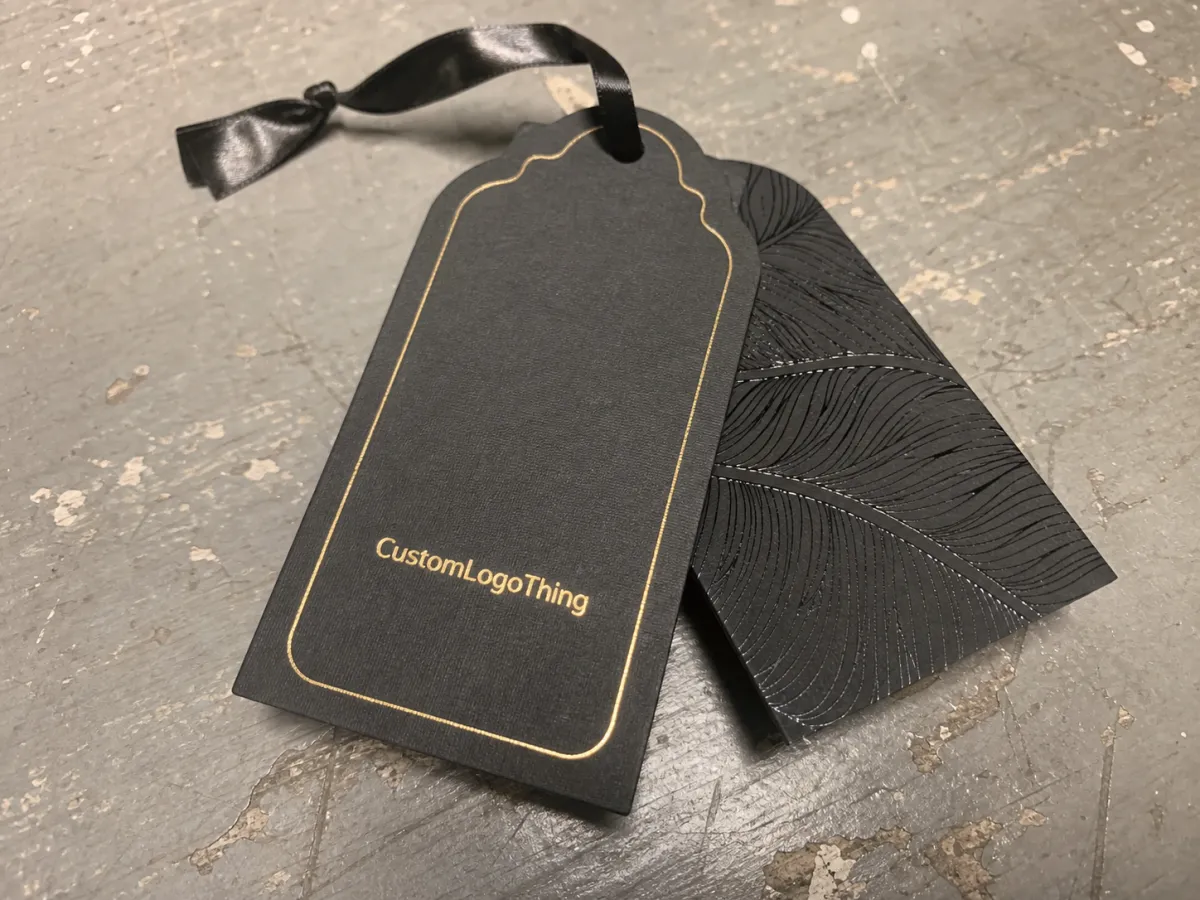
Soap buyers make quick decisions. In a market stall, on a boutique shelf, or in an ecommerce photo, the tag may be the only surface doing the storytelling. A front label can identify the product. A hang tag can explain why the buyer should care.
That extra space matters because soap brands often need to fit more than a name and scent. Ingredient highlights, skin-type notes, batch information, origin claims, care instructions, and short brand messaging all compete for room. A tag gives those details air.
Hang tags are especially useful for:
- Gift sets, where presentation influences the purchase almost as much as the formula.
- Boutique retail, where the product has to look intentional from across the shelf.
- Seasonal or limited runs, where small visual changes help signal a new collection without changing the whole package.
- Natural and handmade lines, which often depend on texture, restraint, and material cues.
- Private label soaps, where the tag may need room for retailer-specific language, SKUs, or compliance text.
The mistake many buyers make is treating the tag as decoration. It is not. A thin card, muddy color, or cramped layout can make a soap bar feel cheaper than it is. That effect is immediate, and it is hard to undo once a customer has picked up the product.
“A good soap tag does not just identify the bar. It raises the perceived value before the customer even reads the ingredients.”
That is why a strong Hang Tags Supplier Quote for soap makers should account for use case, handling, and display conditions, not just the print spec. A tag attached to a wrapped bar in a humid bathroom-adjacent retail space needs different durability from one packed inside a gift box.
Hang Tag Formats, Materials, and Finishes That Work for Soap Packaging
Soap hang tags are available in a few practical formats, and the format changes both price and performance. The simplest option is a flat, single-card tag with one hole punch. It is easy to produce, easy to attach, and usually the most economical choice.
Folded tags add more space without forcing a larger footprint on the front of the package. They work well when a brand wants a clean front panel and a back panel for ingredients, care notes, or a short maker story. Folding adds cost, but it is still manageable when the structure stays standard.
Common formats include:
- Flat hole-punched cards for minimal, low-cost branding.
- Folded tags for more copy and a more finished presentation.
- String-attached tags for quick application during packing.
- Custom die-cut shapes for brands that want a distinct silhouette.
Material choice is where many soap brands make or break the final look. The right stock should match the product’s positioning and still hold up in handling. The wrong one can feel flimsy, obscure small text, or clash with the packaging style.
- Coated cardstock: sharp print, strong color reproduction, good for polished branding.
- Uncoated paper: softer feel, easier to write on, less reflective.
- Kraft stock: a natural, rustic look that suits handmade and eco-focused soap.
- Textured stock: tactile and premium, though tiny text can lose clarity.
- Recycled stock: useful for sustainability messaging if the tone fits the brand.
- Premium rigid board: better for gift sets and luxury positioning, with higher cost and more weight.
Finish matters because it changes how the tag reads from a distance and in hand. Matte tends to suit natural or artisanal soap brands. It reduces glare and feels calm. Soft-touch adds a velvet-like surface and a premium impression, but it can show scuffs if the tags are handled repeatedly. Gloss boosts saturation and can make botanical colors look more vivid. Spot UV is useful when one logo mark or scent name should stand out without coating the entire piece.
For print, most soap hang tags are produced in CMYK because it keeps setup flexible and cost predictable. If brand color accuracy is critical, ask about Pantone matching. It adds complexity, but it helps prevent the familiar problem of a signature color drifting just enough to look wrong next to other packaging elements.
Attachment should be specified early, not treated as an afterthought. Cotton string reads handmade. Twine supports rustic positioning. Ribbon can push the package toward giftable or boutique. Elastic cord is practical when speed matters during assembly. Safety pins are functional, but they are less refined and can scuff softer packaging if used carelessly.
If you leave the attachment method vague, the quote can look lower than it really is. Then the stringing or assembly shows up later, and the budget suddenly expands. It is a common mismatch and easy to avoid.
For related packaging systems, soap makers comparing printed pieces can also review Custom Labels & Tags to see how hang tags fit alongside label formats.
Specification Checklist Before You Request a Hang Tags Supplier Quote for Soap Makers
If you want a quote that can actually be compared, send details. Not general ideas. Not “something natural-looking.” The sharper the spec, the less likely the first quote will be a placeholder.
For a useful Hang Tags Supplier Quote for soap makers, the supplier needs to know the dimensions, shape, stock, print sides, finish, hole size, and attachment style. Each of those choices changes cost and sometimes the production method itself.
Use a checklist like this:
- Size: for example, 2 x 3 in, 2.5 x 4 in, or a custom die-cut outline.
- Shape: rectangle, square, rounded corners, folded format, or custom silhouette.
- Material: kraft, coated cardstock, uncoated paper, textured stock, recycled stock, or rigid board.
- Print sides: single-sided or double-sided.
- Finish: matte, gloss, soft-touch, spot UV, foil, embossing, or none.
- Hole size: standard punch or custom diameter.
- Attachment: string, twine, ribbon, elastic cord, or supplied separately.
- Quantity: ideally with at least two breakpoints for comparison.
- Artwork files: AI, PDF, EPS, or another print-ready format.
Artwork quality affects the whole production run. Editable logo files are better than screenshots. Include the exact product name, scent name, ingredient list, batch code if required, barcode or QR code if needed, and any legal or compliance wording. If the tag needs a website, address, sustainability claim, or certification mark, include that too. A supplier should not have to reconstruct the copy from old files scattered across multiple folders.
Tag size deserves more thought than many buyers give it. A smaller tag can lower unit cost, but it also limits readability. A larger tag gives you more room for storytelling and usually feels more premium, but it uses more material and may look oversized on compact soap bars. Many handmade soap brands end up around 2 x 3 in to 2.5 x 4 in because that range balances readability, cost, and proportion.
A clean layout usually follows a simple split:
- Front: logo, product name, scent name.
- Back: ingredients, care note, brand story, or contact details.
Proofing is where hidden mistakes surface. A digital proof is useful for layout sign-off, but it will not reveal how a matte finish handles light or whether the color is slightly off under certain conditions. If brand color consistency matters across multiple batches, ask for a pre-production sample or physical proof. That extra step costs more up front, but it is cheaper than reprinting an entire run because the finished tags do not match the rest of the package.
If your soap ships through ecommerce, packaging also has to survive handling, stacking, and transit. Standards from organizations such as ISTA are mostly about transport testing, not print aesthetics, but they matter because a tag can arrive bent, scuffed, or curled if the packing method is poor. A beautiful tag that reaches the customer damaged is still a damaged tag.
Cost, Pricing, MOQ, and What Changes Your Unit Cost
A quote is only useful if you know what pushes it up or down. For soap hang tags, the main cost drivers are quantity, size, stock, print coverage, finishing, and whether attachment or assembly is included. The more steps in the process, the more the price rises.
Simple paper tags usually stay in the friendlier price range. Add custom dies, special finishes, foil, embossing, premium board, or individual stringing, and the unit cost climbs quickly. That is normal. The print process is doing more work.
| Option | Typical Use | Relative Unit Cost | Best For |
|---|---|---|---|
| Standard cardstock tag | Simple branding, scent label, retail basics | Lower | Starter soap lines and higher-volume SKUs |
| Kraft or uncoated tag | Natural, handmade, earthy presentation | Low to moderate | Eco-focused brands and rustic packaging |
| Folded premium tag | Extra copy, story, ingredients, care notes | Moderate | Boutique soap and giftable sets |
| Foil, emboss, or spot UV tag | Luxury cues, focal branding, gift retail | Higher | Premium lines with stronger margin |
| Custom die-cut tag | Distinct shape, signature look | Higher | Brands that want shelf recognition |
MOQ changes the math quickly. Lower quantities usually carry a higher unit price because setup costs are spread across fewer pieces. Larger quantities reduce the per-tag number, but they also lock up more cash and inventory. For soap makers, the sweet spot is usually enough to cover a production cycle plus a buffer for breakage, sampling, or seasonal demand.
There are a few quote traps worth watching for:
- Custom die charges not disclosed clearly at the start.
- Assembly fees for attached string, ribbon, or cord added later.
- Foil or embossing billed separately from the base print.
- Multiple scent SKUs increasing setup cost across the order.
- Shipping left out of the first quote and added after approval.
- Reprint terms that are vague if the order arrives with defects.
Comparing only the unit price is a common mistake. A tag that is two cents cheaper can become the more expensive option once tooling, packing, sampling, and freight are added. The full landed cost matters more than the headline number.
One practical detail: if you need FSC-managed or recycled stock, raise it early. Certification can support retailer requirements and sustainability messaging, but it may narrow paper choices or affect lead time. That is easier to solve before artwork approval than after production starts.
Process, Timeline, and Lead Time From Artwork to Delivery
A clear process reduces errors and shortens the approval loop. The usual sequence is straightforward: quote request, spec review, artwork submission, proofing, approval, production, inspection, and shipping. Each step is easier when the file and the spec are complete on the first pass.
Plain CMYK tags move faster than tags with foil, embossing, custom shapes, or extra assembly. That is not a quality issue. It is simply a function of more tooling and more handling. Complex jobs can look better, but they take longer to produce.
A typical timeline looks like this:
- Quote response: usually 1 to 3 business days if the spec is complete.
- Proof revisions: 1 to 3 rounds, depending on artwork readiness.
- Production: often 10 to 20 business days for standard runs, longer for specialty finishes.
- Freight time: depends on shipping method, volume, and destination.
The delays are usually familiar. Missing artwork. An unclear size. A late change to a scent name. A color tweak after proof approval. Quantity changes after production has begun. Those are the predictable time sinks.
If your launch date is fixed, spell that out early. Ask the supplier to separate proof timing, production window, and shipping time. A useful Hang Tags Supplier Quote for soap makers should make those stages visible. If it does not, ask for a breakdown before you compare prices.
When color accuracy is crucial, ask whether a pre-production sample is available. A small sampling charge is easier to absorb than a full batch of tags that miss the brand color by enough to look inconsistent under store lighting.
How a Strong Hang Tag Supplier Helps Soap Brands Avoid Costly Mistakes
A good supplier is doing more than printing. The useful ones ask questions that improve the order before a mistake becomes expensive. The average ones simply print what was sent and move on. That difference shows up quickly when a soap brand has multiple scent variants, holiday runs, or retail accounts with exact presentation standards.
The best questions are practical. Is the tag going on a wrapped bar, a box, or a mesh bag? Will customers handle it often at a market table, or will it sit in a retail tray? Does it need to tolerate humidity, friction, or shipping compression? Those answers reveal whether the supplier understands the packaging context or only the file.
Quality control should cover a few basics:
- Color consistency across the full run.
- Trim accuracy so edges are clean and the shape matches the approved die line.
- Hole alignment so stringing is straight and efficient.
- Text legibility on ingredients, scent notes, and care copy.
- Finish consistency on matte, soft-touch, foil, or spot UV work.
- Packing method so the tags do not arrive bent, rubbed, or curled.
That last point gets overlooked more than it should. A good print job can be ruined by poor carton packing. If tags are loose in a box without enough protection, corners can tire, coatings can scuff, and the first impression suffers before the product leaves the packing table.
Strong suppliers also help with reorders. They keep specs on file, retain artwork versions, and reduce the chance of small drift between runs. That matters when you reorder the same scent line months later and need the new batch to match the old one. A tiny variation in stock or print setup can become obvious once the product is back on shelf.
Ask whether the supplier can support repeat orders with the same stock, same die line, and same print standard. That is where real value sits. Not in the cheapest quote on paper. In the second and third order still coming out the same way.
Next Steps to Request the Right Quote Without Wasting Time
The cleanest quote requests are the ones with no guesswork. Include size, quantity, stock preference, finish, artwork files, and the packaging style the tag will hang from. If one detail is still undecided, give two options: a preferred choice and a backup. That allows the supplier to compare cost and lead time without sending a round of clarifying questions first.
For a better hang tags Supplier Quote for Soap Makers, ask for a breakdown that includes:
- Unit price
- Setup or tooling cost
- Sample or proof cost
- Shipping estimate
- Production lead time
- Reorder terms
That breakdown shows where the real money is going. A low unit price can be offset by tooling, assembly, freight, or minimums. A supplier who shows the full structure is easier to evaluate and easier to trust.
For soap brands still refining packaging, it can help to request two versions: one standard cardstock option and one premium option with the finish or stock you think you want. The comparison usually makes the tradeoff obvious. Sometimes the premium version earns its price. Sometimes the simpler version is the smarter business choice.
If you need a quote matched to a specific soap line, Contact Us with the exact size, stock, finish, and quantity you need. Ask for proof timing before approval. Ask about reorder support. And if you want the fastest path to a useful answer, send the request as a complete specification rather than a vague pricing inquiry that forces the supplier to fill in the blanks.
FAQs
What should I include in a hang tags supplier quote for soap makers?
Include size, quantity, material, print sides, finish, hole style, and attachment preference. Add artwork files, logo format, and any text that must appear on the tag. Mention whether you want a sample, a proof, or a direct production quote.
What is the usual MOQ for custom soap hang tags?
MOQ varies by material, print method, and finishing complexity. Simple paper tags usually allow lower minimums than premium or specialty-finish tags. Ask for pricing at multiple quantities to see where the unit cost improves.
How long does custom hang tag production usually take?
Simple jobs are faster than tags with foil, embossing, or unusual shapes. Artwork approval and proof revisions can add time before production starts. Always confirm production time plus shipping time before committing to launch dates.
Which hang tag material is best for handmade soap?
Kraft works well for natural, rustic, and eco-focused brands. Coated or premium cardstock fits polished boutique soap lines better. Choose based on brand look, readability, and how durable the tag needs to be in handling.
Can I get a lower quote by simplifying the design?
Yes. Fewer finishes, standard shapes, and simpler materials usually reduce cost. Removing custom die cuts, foil, or special coatings can help a lot. The lowest quote is not always the best if readability or brand feel suffers.


