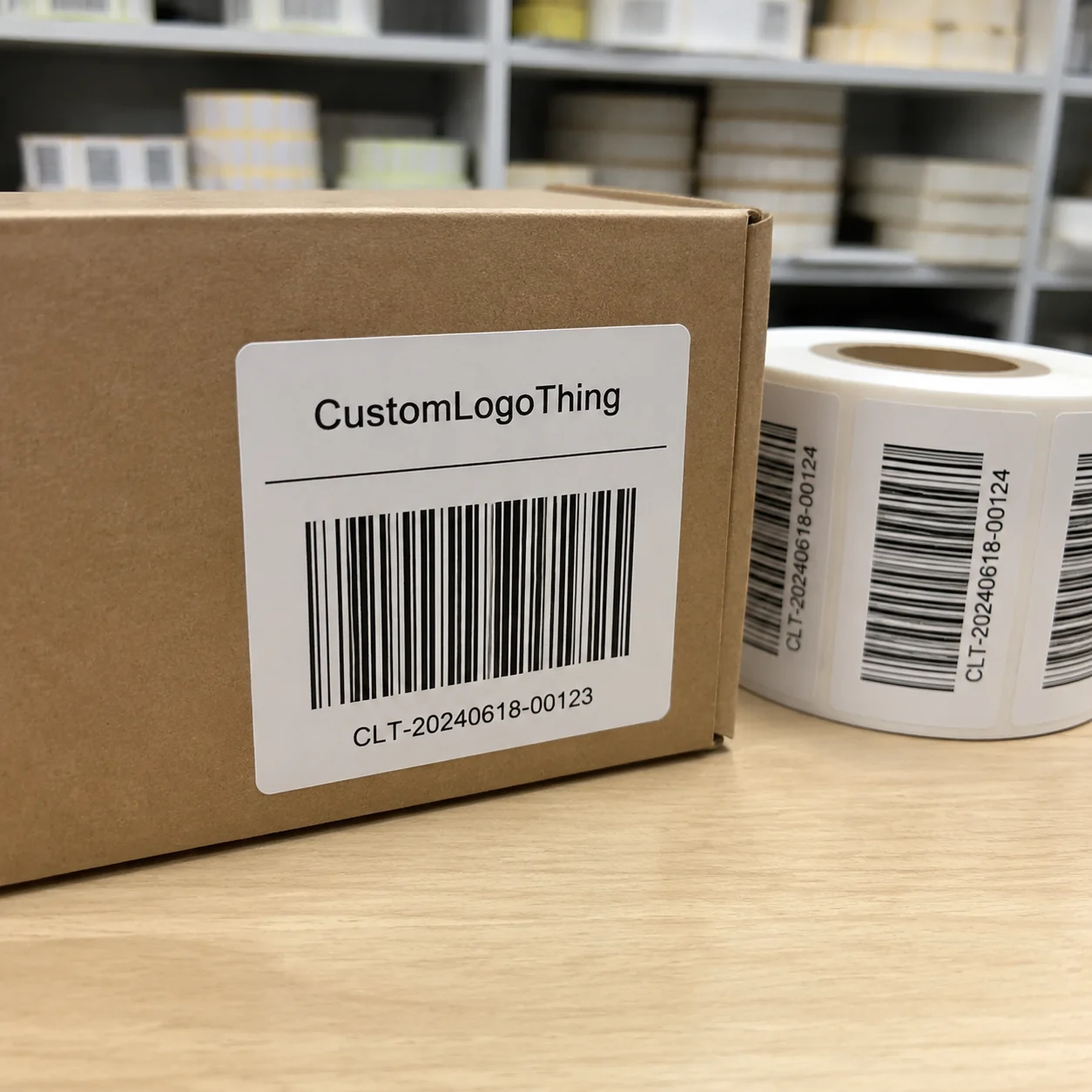
If you need a Hang Tags Supplier Quote for pet treat brands, start with the part most buyers underestimate: the tag is not just a hanger. It is one of the few pieces of packaging that can carry brand story, pricing logic, and practical product information in the same square inch. On a crowded shelf, that matters. In a subscription box, it matters just as much. The tag often decides whether a pouch feels finished or merely packed.
Pet Treat Brands rarely need hang tags for decoration alone. Ingredients, flavor cues, feeding directions, QR codes, barcodes, batch references, and retailer-friendly details all compete for space. That is why the quote is only half the conversation. The other half is the spec. A precise brief usually gets a cleaner price, fewer revision rounds, and a lower chance of reprinting a stack of tags because one line of copy was too small to read.
Why pet treat hang tags do more than look cute
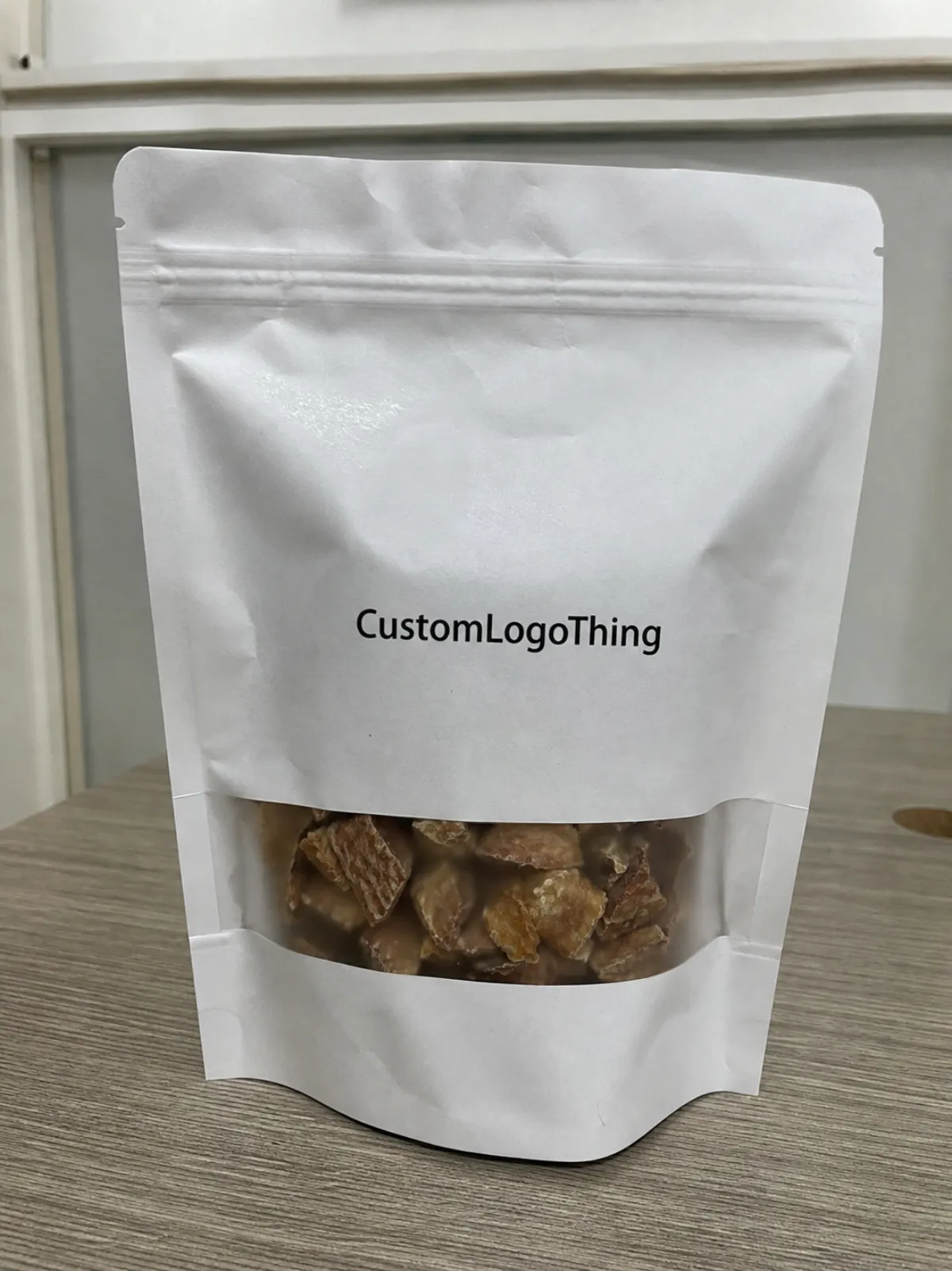
On shelf, in a display box, or inside a bundle, the hang tag often creates the first trust signal before anyone reads the bag in detail. Pet owners inspect packaging with unusual care. They check ingredients the way some people scan a nutrition panel for themselves, and they notice instantly when a brand looks underdeveloped. A well-made tag helps the product look intentional, not improvised.
That trust signal is especially useful for premium-positioned treats. Grain-free, freeze-dried, single-protein, limited-ingredient, or training treat lines all rely on fast visual communication. The tag can highlight the main selling points without forcing the pouch label to carry every word. It also gives smaller brands a way to look retail-ready without redesigning the whole package. In practice, that can be the difference between “good product” and “good product that sells.”
There is also a wholesale angle that gets overlooked. Boutique pet stores, farm shops, gift retailers, and subscription box operators often prefer packaging that photographs well and stacks cleanly. A sturdy tag with legible print and tidy finishing can move a product into a more premium bracket without a complete packaging overhaul. The effect is not magic. It is presentation discipline.
That is one reason founders ask for a Hang Tags Supplier Quote for pet treat brands early in development. They need a look that supports premium pricing, but they still need margin. A tag that costs too much can quietly erode the economics of the whole line. A tag that costs too little can do the opposite problem: it can make a product look disposable.
Functional tags deserve special attention. Decorative tags just hang there. Functional tags carry a barcode, SKU, QR code, storage note, or short compliance copy. Once the tag has to do real work, paper thickness, contrast, hole placement, and fold layout become part of the buying decision. That is where experience usually shows up.
“If the tag only has to look attractive, the spec sheet is flexible. If it has to sell, inform, and scan, every detail starts to matter.”
Tag styles and print details that actually fit pet treat packaging
Most pet treat hang tags are simple at first glance, but the format changes the result. Common versions include single-sided tags, double-sided tags, folded tags, shaped tags, and reinforced hole-punched tags for bagged products. Each one solves a different problem. Single-sided tags are quick and economical. Double-sided tags add room for brand and product details. Folded tags offer the most usable space without making the outside face feel crowded. Shaped tags do more for brand character, though they usually add cost and tooling time.
Material choice affects perception immediately. Coated paperboard gives a cleaner retail look and reproduces color reliably. Kraft stock works well for natural, rustic, or farm-inspired positioning because it signals less polish in a good way. Heavier stock, often in the 300gsm to 600gsm range depending on the format, feels more substantial and stands up better during packing, fulfillment, and store handling. Thin stock may save a few cents, but it can wrinkle, curl, or look cheaper than the product deserves.
Finishing should match the brand story, not just the mood board. Matte coatings keep text easy to read and suit organic or clinical-looking product lines. Gloss makes color pop and can help food photography feel brighter. Soft-touch feels more upscale, though it adds cost and can show scuffs if the packs are handled often. Spot UV, foil, embossing, rounded corners, and custom die cuts can all work, but only if they support the design rather than compete with it. Overdone finishing is easy to spot and usually expensive to correct.
Attachment style has real production consequences. String, twine, elastic loops, plastic fasteners, and pre-tied cords each create different assembly times. If the tag will attach to a heat-sealed pouch, a zipper-top bag, or a gusseted stand-up pouch, hole placement has to respect the package top. A hole that sits too close to a seal or fold can tear in packing or make the bag difficult to display. That tiny issue is exactly the kind that turns into a warehouse complaint later.
Size should follow the use case. For e-commerce, subscription packs, and gift bundles, larger tags make sense because there is room for instructions, story, and compliance text. For compact retail bags, the tag needs to stay readable without dominating the package. Nobody wants a tag that swings around like a supermarket receipt in a wind tunnel.
Readability is not a design luxury. Pet treat brands often need to include ingredient claims, feeding directions, legal notes, or origin details, and those need strong contrast and enough line spacing. Dark text on a light background is still the safest approach. Decorative fonts can work for a headline, but ingredient copy buried in ornate type is a complaint waiting to happen.
Useful reference points for packaging buyers include trade organizations such as the Packaging Machinery Manufacturers Institute for general packaging context and ISTA for transit and handling benchmarks. Not every tag needs formal testing, but if the product will move through distribution, durability matters more than a polished mockup.
Specifications to confirm before you request a quote
A quote is only as good as the brief behind it. Send vague information and you will get a vague number back, then spend time untangling what was actually included. That delay is common, and it is avoidable. A useful quote starts with useful inputs.
Before requesting a Hang Tags Supplier Quote for pet treat brands, confirm the core specs:
- Size — common formats run from 2" x 3.5" to 3" x 5", with larger dimensions for folded layouts.
- Shape — rectangle, rounded corners, oval, custom die-cut, or folded card.
- Stock thickness — usually 300gsm, 350gsm, 400gsm, or heavier for premium builds.
- Print sides — one side, two sides, or multiple internal panels on a folded tag.
- Color count — one-color, four-color process, or spot color construction.
- Coating or finish — matte, gloss, soft-touch, spot UV, foil, embossing.
- Hole size and placement — important for both attachment and retail display.
- Attachment method — string, twine, loop, fastener, or loose supply for in-house assembly.
Artwork setup deserves equal attention. Ask what file format the supplier wants: vector logo, print-ready PDF, or editable source files. Bleed and safe margins should be built into the layout from the beginning. If the design includes a die cut, request the die line early and build around it rather than trying to squeeze text into the shape afterward. That is where amateur files tend to fall apart.
Compliance-related copy also needs a proper review. Pet treat packaging can require space for product name, net weight, ingredients, feeding guidance, country of origin, storage notes, barcode, QR code, or batch coding. If a QR code is too small, it may not scan reliably. If a barcode sits too close to a fold or a punch hole, retail scanners may reject it. That is not a design preference issue. It is a production problem.
For larger orders, ask for a digital proof and, if the run justifies it, a physical sample. Proofing is far cheaper than reprinting, especially when the tag contains legal text or a retailer requires exact barcode placement. A supplier should also tell you whether the proof is a layout check only or a color-accurate press reference. Those are not the same thing.
One practical decision point is rustic kraft versus coated premium stock. Kraft usually suits natural-positioned treats, farm-style branding, and earthy color palettes. Coated stock works better for bright retail presentation, gift sets, and high-contrast photography. Neither is universally better. The right choice depends on where the product sits and what the price point needs to communicate.
If the tag needs only a logo and a short message, keep the format simple. If it has to carry information, go folded or enlarge the card. The goal is not to cram everything into a tiny panel and hope it feels efficient. The goal is to make the product easier to buy and easier to ship.
Cost, pricing, and MOQ: what changes the unit price
Pricing for Custom Hang Tags usually follows a predictable pattern. Size, stock thickness, print coverage, finishing, hole reinforcement, and order quantity are the main variables. If a quote looks surprisingly low without asking any of those questions, it is usually based on a different spec from the one you had in mind.
Unit cost falls as quantity rises because setup is spread across more pieces. Smaller orders carry a heavier share of prepress, cutting, and finishing expense. Larger orders reduce unit cost but tie up more cash and more storage space. That tradeoff is normal. The right order size depends on sell-through speed, seasonal demand, and whether the tags will be used on one SKU or a whole line.
| Tag Type | Typical MOQ | Relative Unit Cost | Best Use |
|---|---|---|---|
| Simple single-sided tag | 250-500 pcs | Lower | Small launches, test runs, local retail |
| Double-sided custom tag | 500-1,000 pcs | Moderate | Standard retail packaging, clearer messaging |
| Folded or shaped tag | 1,000+ pcs | Higher | Premium branding, more content, special packaging |
| Premium finish tag with foil or embossing | 1,000-3,000 pcs | Highest | Gift packs, boutique shelves, seasonal sets |
For budget planning, simple custom tags often land around $0.08-$0.18 per unit at higher quantities, depending on size, stock, and coverage. Add premium finishing, custom shapes, or heavier board, and the number can move into the $0.18-$0.40+ range fairly quickly. Small runs cost more per piece. That is not a supplier trick; it is the fixed-cost structure of print production.
There are also hidden costs to watch. Setup fees, die charges, proofing fees, shipping, and any cord or loop assembly can change the final total. A quote that looks cheap on paper but grows extra charges later is not a useful quote. It is a spreadsheet with a surprise ending.
The best way to compare options is to request tiered pricing at several quantities, such as 500, 1,000, 3,000, and 5,000 units. That shows where the unit price softens. It also helps you decide whether to order enough for a few months or enough to ride out a longer sales cycle. Overordering can hurt cash flow. Underordering can create a stockout right before a retail reset.
Do not overspec the tag just because each finish sounds attractive. Soft-touch, foil, embossing, and a custom die cut can look excellent, but they can also turn a simple packaging piece into an unnecessary expense. Choose the finishes that match the sales channel. A tag for a club-store pallet display does not need the same treatment as a boutique gift line.
For brands comparing tag spending against other packaging components, it helps to review the broader packaging mix. Our Custom Labels & Tags category is a practical reference point for construction choices. If you want a sense of how different packaging decisions affect real products, our Case Studies page is more useful than guesswork.
Production steps and timeline: from quote to delivery
The process is usually straightforward if the buyer sends complete information in the correct order. First comes the inquiry. Then spec review. Then artwork upload. Then quote approval. Then proofing. Then production. After that comes quality control, packing, and shipping. Simple in theory, but a lot can slow it down.
Turnaround depends on construction. Basic digital or offset hang tag orders can often move in 7-12 business days after proof approval for smaller runs if the files are clean and no custom tooling is required. Specialty finishes, shaped die cuts, or larger quantities usually need 12-20 business days, and that can stretch further if the schedule is full or the artwork needs correction.
The biggest delays are rarely mysterious. Missing artwork, weak file prep, slow proof approval, unclear hole placement, new die creation, and holiday production congestion cause most of the trouble. These are planning issues, not printing mysteries. They can be managed if the brief is complete and the schedule is realistic.
Ask for three specifics at the quoting stage: estimated lead time, whether a production slot can be reserved, and whether rush service is actually available. If the supplier cannot tell you when the job enters production, you do not have a schedule. You have a hope.
One useful habit is to lock quantity before final proof approval. Changing the count after proofing can affect pricing, die usage, and lead time. That is normal, but it can also create avoidable friction. If the tag is tied to a launch date, trade show, or retailer appointment, get the timing in writing early and do not assume flexibility that has not been confirmed.
A good supplier will also say no when the spec is unrealistic. That is worth something. A vendor who agrees to every request may sound accommodating, but they can also leave you with a late shipment, rushed finishing, or a file that should have been simplified before print approval.
What sets a reliable hang tag partner apart for pet treat brands
A reliable partner understands that pet treat packaging is not generic print work. Small-batch brands, private label programs, and retail-ready product lines all have different pressure points. The best supplier does not just print a tag. They help you avoid avoidable mistakes before they cost money.
Useful capabilities include material guidance, in-house prepress, proofing support, custom die cutting, and consistent color control across reorders. If a supplier cannot explain how a finish changes the cost or how a hole placement may affect the packaging, they are not thinking like a packaging partner. They are thinking like a file processor.
Communication quality matters as much as production capacity. Fast responses help. Clear pricing helps more. Honest feedback helps most of all, especially when a requested spec is likely to waste budget. A good supplier will tell you when 400gsm stock plus soft-touch plus foil on a 500-piece run is excessive unless the brand story truly depends on that look.
Consistency is another marker. Repeat orders should match the original color, cut, and finish closely enough that the line still looks like one brand. Buyers notice drift. Retail buyers notice it first. If reorders vary too much, the product starts to look unstable even if the treat itself never changed.
The stronger partners can also support related packaging later, such as labels, inserts, or box sleeves. That matters if the brand grows into seasonal sets, multi-SKU bundles, or wholesale programs. Fewer handoffs mean fewer mistakes and less time spent reconciling mismatched files between suppliers.
For buyers who care about paper sourcing and sustainability, it is reasonable to ask about FSC-certified paper or recycled content where the build allows it. If those claims matter to your positioning, request documentation rather than assuming the stock is certified. The FSC site is a solid reference for certification basics. Sustainability claims should be documented, not improvised.
It is also sensible to ask how the supplier checks finished product quality. A simple inspection should cover print registration, cut accuracy, punch placement, barcode readability, and color consistency. If the tags are shipped with bulk product, transport durability should be part of the conversation as well. A tag that looks good in a proof file can still arrive dented, curled, or mismatched if the packing process is careless.
Next steps to get an accurate quote without wasting a round trip
If you want a useful response quickly, send a complete brief. At minimum, include size, quantity, stock, finish, artwork status, and where the tags will be used. With those five elements in hand, the quote becomes much more meaningful.
Reference images help. A competitor sample helps too, if you want a visual direction rather than a vague adjective. “Premium” is not a spec. “Natural” is not a spec either. Suppliers can price a format, not a feeling. A visual target makes the reply more accurate and reduces the back-and-forth that usually slows things down.
It is smart to request two quote options if possible: one value-focused and one upgraded. That gives your team a real comparison between cost and shelf impact. Sometimes the better-looking version only costs a little more. Sometimes the gap is larger than expected. Either way, you should know before production starts.
Ask for the proof timeline, production timeline, and delivery estimate in writing. If the order is attached to a launch, retailer reset, or subscription ship date, there is no room for fuzzy timing. Lead times are only useful when they are visible enough to plan around.
When you are ready to request a hang tags supplier quote for pet treat brands, send the final spec sheet and artwork files together. That reduces correction rounds and gives you a cleaner number first pass. If you need a packaging team to review the brief, Contact Us with your target quantity, finish preference, and any barcode or compliance requirements.
What should I include in a hang tags supplier quote request for pet treat brands?
Include size, shape, quantity, material, print sides, finish, hole style, and attachment method. Add artwork status, barcode requirements, and any compliance copy that must fit on the tag. If you have a reference photo or sample, share that too so the quote matches the intended look.
What is the typical MOQ for custom pet treat hang tags?
MOQ depends on size, print method, and finishing. Simple tags can support lower minimums, while folded formats, specialty shapes, and premium finishes usually require larger quantities. The best approach is to ask for tiered pricing at several quantities so you can compare unit cost before ordering.
How much do custom hang tags cost for pet treat packaging?
Pricing changes with stock thickness, size, color count, special finishes, and order quantity. Basic tags cost less; foil, embossing, soft-touch, and custom shapes raise the unit price. A common range for higher-volume simple tags is about $0.08-$0.18 per unit, while more complex builds can move into the $0.18-$0.40+ range.
How long does production usually take after I approve the proof?
Simple hang tag orders can often be produced in 7-12 business days after proof approval. Specialty finishes, shaped cuts, and larger quantities usually need 12-20 business days or more. Artwork revisions and proof delays often matter more than the print run itself.
Can pet treat hang tags include ingredients, feeding directions, or QR codes?
Yes, provided the layout is planned correctly and the tag has enough space and contrast. QR codes, barcodes, and small regulatory text need proper sizing and careful proof review before production. A supplier should help balance design with the information the product actually needs.