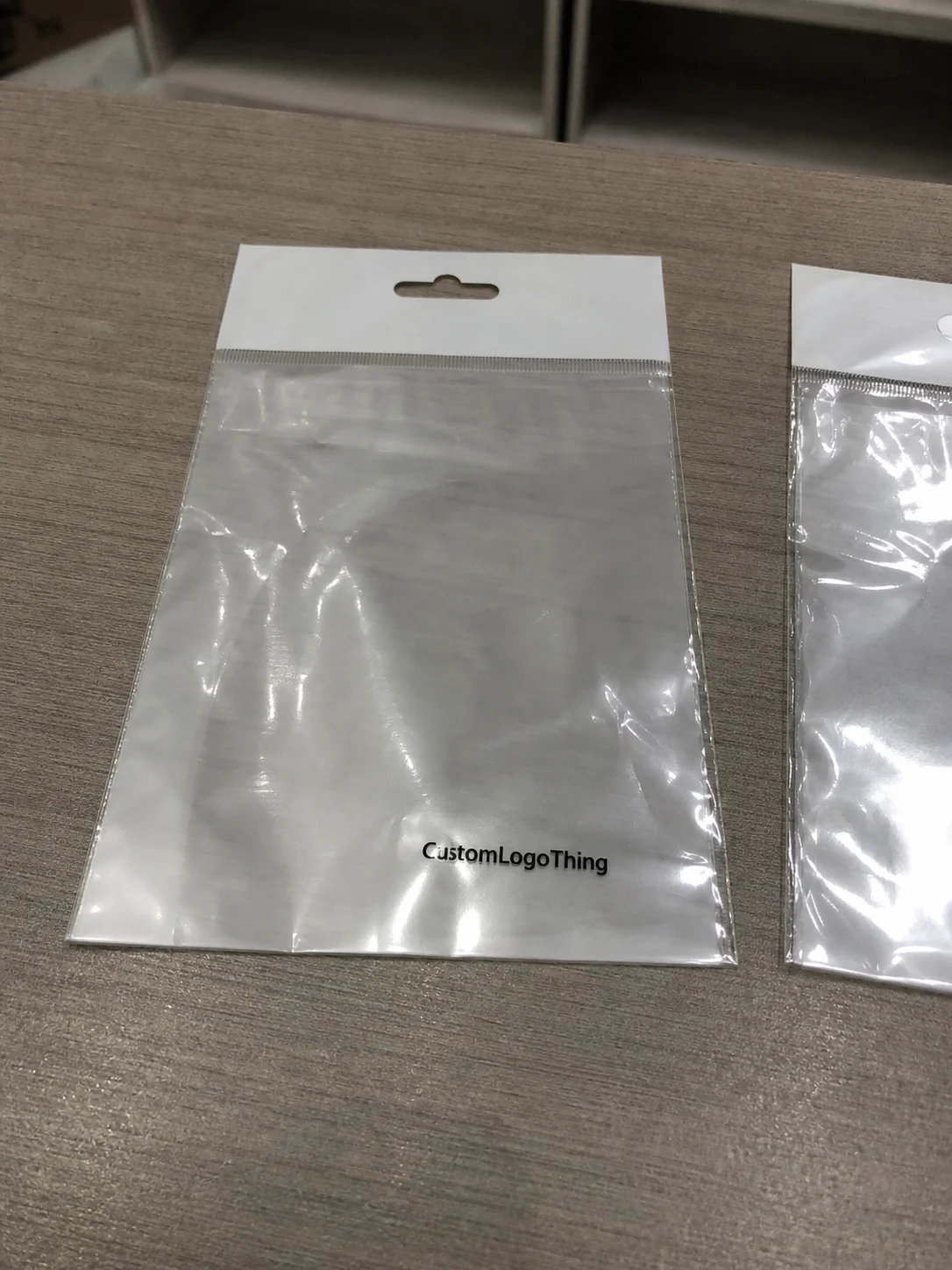
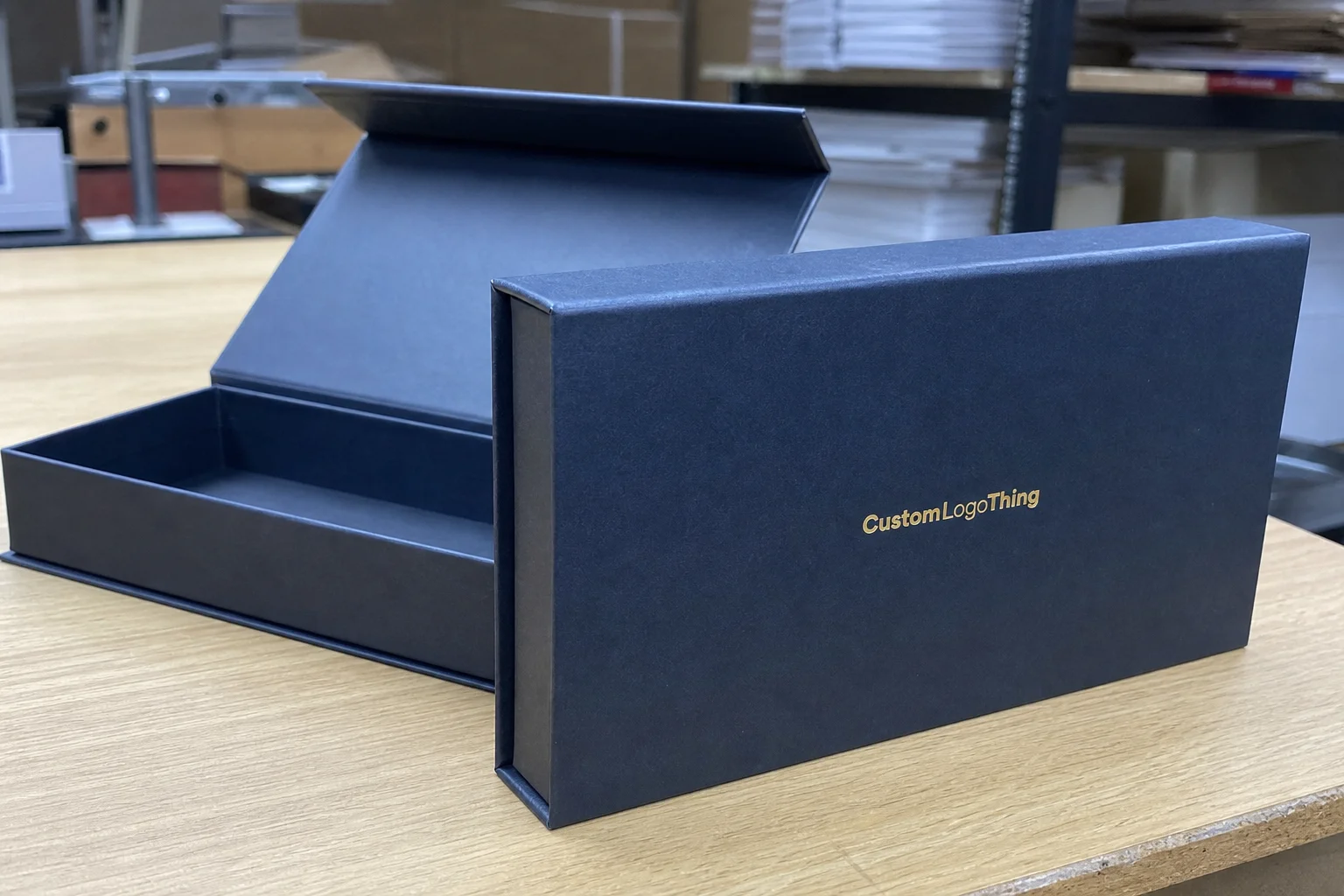
Hang tags unit cost for Event Merch Teams can look small on paper and still move margin in a meaningful way. A tag that adds a few cents per piece seems harmless until it is multiplied across 3,000 hoodies, 8,000 tees, or a mixed program with multiple SKUs. Once printing, finishing, stringing, and freight enter the picture, the “little” line item starts behaving like a real budget lever.
That is why buyers should treat the tag as part of the product economics, not as a decorative extra. The right spec can support perceived value at the merch table; the wrong one can quietly create waste, delay approvals, or force a rush charge when the event date stops moving. For teams comparing formats, the broader Custom Labels & Tags category is useful because it helps separate what is essential from what is simply nice to have.
Why hang tags change event merch margins fast

Event merch has a narrow sales window and usually high piece counts. That makes small unit changes disproportionately important. A tag that costs $0.07 more on a run of 5,000 pieces adds $350 before anyone has counted the labor to attach it or the freight to move it. If a program is already built on tight margins, that extra spend can change the whole financial picture.
The tag is also one of the first physical cues a customer sees and touches. A clean tag can make a standard garment feel more finished. A thin, poorly printed tag can make even a strong design feel rushed. In practice, the best spec depends on where the item sits in the line: hero pieces, VIP bundles, and limited drops can carry a little more finish, while the high-volume basics usually need a simpler build.
It helps to separate the main tag functions early:
- Decorative tags that carry branding, campaign art, or sponsor marks.
- Product info tags that include SKU details, size, care copy, or QR codes.
- Compliance tags that may need fiber content, origin, barcodes, or other regulatory text.
Those categories are not interchangeable. A decorative tag can be straightforward. A tag that must carry barcodes, legal copy, and variable data needs more proofing and a cleaner prepress file. If the merch line has several SKUs and a compressed launch calendar, the safest route is usually to simplify the artwork and reserve budget for the detail that matters most to the buyer.
“The lowest quote is not always the best buy. A tag is only inexpensive if it arrives on time, survives handling, and still fits the margin target.”
Hang tag formats, materials, and finishing options
Stock choice sets the tone. Coated cover is the most familiar option for retail-style merch because it prints crisp color and sharp type. Uncoated stock feels warmer and more tactile, and it often suits event merch that wants a natural or understated look. Kraft signals an earthy, casual style, while black core paper gives a more premium edge because the dark interior stays visible on the cut edge. Textured papers add depth, though they are less forgiving with tiny type and fine detail.
Shape affects both cost and assembly. A plain rectangle is usually the most efficient format because it uses standard dielines and nests well on press sheets. Rounded corners add a small visual upgrade and reduce edge wear. Custom shapes and oversized tags can work well for limited-edition drops or sponsor-led campaigns, but they bring tooling fees, extra setup, and a higher chance of production variance. If the artwork is already busy, a simpler tag shape often performs better anyway.
Finishes can elevate a tag quickly, but they also push the budget upward. Matte coating gives a calm, understated surface. Gloss improves color pop and can help graphics stand out under event lighting. Soft-touch lamination adds a velvety feel, though it usually belongs on higher-value pieces because it raises cost and can extend production time. Foil, spot UV, embossing, and debossing all add visual impact, but they also add steps. If the design does not genuinely need them, they can become expensive decoration.
Attachment choice deserves the same scrutiny. Cotton string is flexible and familiar on apparel. Waxed cord feels a little more refined and tends to hold its shape. Elastic loops are often better for hats, bags, or thicker neck openings where standard string can sit awkwardly. Safety pins and plastic fasteners can be useful in some retail environments, though they are rarely the first choice for premium merch. The right attachment depends on garment thickness, assembly speed, and whether the tags are applied in production, in the warehouse, or at the selling site.
| Option | Typical feel | Cost impact | Best use |
|---|---|---|---|
| Standard rectangle on coated cover | Clean, retail-friendly | Lowest | High-volume tees and hoodies |
| Uncoated or kraft with simple print | Natural, tactile | Low to moderate | Casual merch and sustainability-minded drops |
| Soft-touch with foil or spot UV | Premium, polished | Higher | Hero items and limited editions |
| Die-cut tag with custom stringing | Distinctive, branded | Higher | Special releases and sponsor-driven campaigns |
For bulk orders, the most cost-efficient path is usually a standard size, one or two printed sides, and a finish that supports the artwork without introducing unnecessary labor. That is usually the point where Hang Tags Unit Cost for event merch teams stays manageable while the merch still looks intentional.
Specs that affect durability, print quality, and shelf appeal
Thickness is one of the first specs buyers should check. Heavier stock feels more durable and usually supports premium apparel better. Lighter stock may be enough for giveaway tees or short-run event items where the tag only needs to survive a brief sales cycle. Quotes often reference 14pt, 16pt, or 18pt cover, and those numbers matter because they affect stiffness, handling, and shipping weight. Structured items such as jackets, blankets, and bags usually need more rigidity than a basic tee.
Print setup needs the same discipline. Confirm the number of print sides, bleed, CMYK versus spot color use, and whether the design includes flood coverage or fine typography. Dark, high-coverage backgrounds can be beautiful, but they also increase ink load and make weak prepress files more visible. Digital printing is often the practical choice for shorter runs or variable data. Offset usually becomes more efficient as quantity rises and artwork stays consistent.
Readability is not optional. The tag has to hold the brand mark, size, product story, barcode or QR code if needed, and any sponsor or care text required for the program. QR codes should be tested at actual size, not just on screen, especially if the tag will be coated or printed on textured stock. Barcodes need clean contrast and enough quiet space to scan properly. If the tag will hang on a crowded rack or be read from a table, tiny type can disappear fast.
Hole placement is another detail that affects both durability and presentation. Too close to the edge, and the tag tears. Too far in, and it may hang awkwardly or cover the garment label. Good proofing checks the physical behavior of the tag, not just the artwork. For shipping-heavy or kitted merchandise, general packaging references from The Packaging Association and handling guidance from ISTA can be useful when the product will be packed, moved, and repacked more than once.
For most event merch programs, the decision tree is simple. If the item is price sensitive and high volume, keep the spec efficient. If the item is a premium drop, give the tag more presence. Chasing novelty features rarely improves the economics enough to justify the added complexity.
Hang tags unit cost and pricing factors for bulk orders
Now the quote stops being theoretical. Hang tags unit cost for Event Merch Teams is driven by quantity, stock, print coverage, finishing, die-cutting, attachment method, and packing format. Higher volume usually lowers unit cost because setup is spread across more pieces. A large run with a simple build can still come in cheaper than a mid-size order with foil, spot UV, custom shape, and manual stringing.
Comparing quotes gets easier when the scope is clear. Some vendors quote only the printed tag. Others include prepress, proofing, plates, setup, stringing, packing, and freight. If one price looks much lower, check what is missing. Event merch buyers are often caught by headline pricing that excludes labor or shipping, then discover the real number only after approval. A clean quote should show exactly what is included and what is not.
Minimum order quantity matters too. A low MOQ can help when demand is uncertain or when multiple SKUs need separate tags, but the tradeoff is usually a higher per-piece cost. Larger runs improve bulk pricing, though overbuying is its own problem if the event schedule shifts, sponsor messaging changes, or leftover stock becomes dead inventory. The best order size is the one that covers the sell-through window and leaves a reasonable buffer for damage or a small reorder.
These ranges are common enough to help with planning, though they are not promises:
| Run size | Typical spec | Estimated cost per piece | Notes |
|---|---|---|---|
| 500-1,000 | Simple 2 x 3.5 in tag, full color one side | $0.30-$0.60 | Setup charges weigh more at this size |
| 2,500-5,000 | Standard shape, print both sides, no special finish | $0.14-$0.28 | Often the most balanced range for event merch |
| 10,000+ | Standard or lightly customized tag | $0.08-$0.18 | Best unit cost, but inventory planning matters |
| Premium limited edition | Soft-touch, foil, custom die-cut, stringing | $0.35-$0.90+ | Brand impact rises along with cost |
Artwork complexity, paper availability, and packing requirements all affect the final number. Still, these ranges give teams a practical way to evaluate Hang Tags Unit Cost for event merch teams before a buy is locked. If a more responsible paper choice matters, FSC-certified stock is widely used, and the Forest Stewardship Council is the standard most buyers reference when they want documented chain-of-custody claims.
Another pricing trap is assuming that a printed tag and a finished tag are the same thing. Pre-stringed, bagged, or kit-packed tags require more labor. That labor can be a small add-on on a huge order or a major cost on a short run. The difference matters more than most quotes admit upfront.
Process and timeline: from artwork approval to packed delivery
The production path is usually predictable, but only if the artwork is locked. It starts with file review and dieline confirmation, then moves to proofing, stock confirmation, production, finishing, quality check, and shipping. If each step is approved cleanly, the order stays on schedule. If the artwork keeps changing, even a simple tag job can slow down quickly.
The most common delays are easy to name. Missing dielines force redesign. Low-resolution logos hold up proofing. Color corrections take time, especially when sponsor branding has to match an approved standard. Late copy changes, especially for QR codes or legal text, can also push the schedule. The most reliable way to protect the timeline is to finalize content early and treat the proof as the final production reference.
Turnaround depends on stock availability and finish complexity. A basic printed tag on common cover stock can move quickly. A custom shape with foil and stringing usually needs more time, especially if the materials are not already in inventory. Loose-packed tags are generally faster than pre-stringed ones, which is worth remembering when freight windows are tight. If the tags must arrive before a receiving cutoff or venue setup date, buffer time is safer than assuming the best-case ship date will hold.
A useful planning rule: allow time for proof review, then add a cushion before the freight cutoff. That cushion absorbs small corrections, weather-related delays, and internal approval lag. For many event merch teams, that is what keeps Hang Tags Unit Cost for event merch teams from turning into an avoidable rush-charge problem.
If a program includes repeat orders or multiple event dates, a concise spec sheet helps a lot. Keep the approved size, paper, finish, attachment, packing format, and artwork version in one place. It reduces rework and makes reorders much easier to execute without drifting from the original build.
How custom packaging support helps event merch teams control spend
Good packaging support is not just about producing the tag. It is about steering the spec toward the right level of finish, catching file issues early, and explaining where a buyer can save money without flattening the brand. A capable partner should be able to say whether foil is actually worth it, whether the stock is thick enough, and whether the attachment method fits the item.
Matching the tag to the merch line is one of the easiest ways to protect budget. Hero items, VIP bundles, and limited editions can justify a richer build. The bulk of the line usually does better with a simpler format. That split gives the program more visual range without forcing every SKU into the highest-cost spec. For event merch teams, that is often the most practical way to hold margin steady.
Color consistency matters across repeated dates and reorders. Approved artwork files, stable material references, and clear version control reduce the chance of mismatch on the next run. If the merchandise will be split across multiple shipments, ask for written confirmation of the approved spec so the next order mirrors the first one as closely as possible.
Speed of communication matters as much as technical skill. Fast proof feedback, clear notes on sample approval, and practical freight guidance keep the job cleaner. When the packaging team knows the merch has to land at a warehouse, venue, or kitting facility by a fixed date, they can plan the production path more accurately.
For buyers comparing vendors, one of the clearest signals is the quality of the questions before quoting. If the supplier asks about merch type, attachment method, sell-through window, and receiving date, they are thinking through the production reality rather than just printing a nice-looking tag.
Next steps to order with confidence
Before asking for a quote, gather the essentials: artwork files, quantity, size list, attachment preference, finish preference, and delivery date. If there are multiple SKUs, list them clearly and note whether each one uses the same tag or a different version. A little order in the file saves a lot of back-and-forth later.
Ask for two or three material and finish options so the team can compare unit cost against visual impact. A standard matte tag, an upgraded uncoated stock, and a premium finish are often enough to show the tradeoffs without creating decision fatigue. You do not need a long menu. You need the options that change the budget in a meaningful way.
Before approving production, confirm proof timing, MOQ, freight method, and packing format. Ask whether the tags arrive flat or pre-stringed, whether they are packed by SKU, and whether there are setup charges that are not obvious on the first page of the quote. Those details protect both budget and schedule.
For event merch teams, the cleanest approach is usually the disciplined one: keep the design sharp, keep the spec focused, and keep the order file complete. That is what makes hang tags unit cost for event merch teams predictable instead of surprising. Once those pieces are locked, the production path is easier to control and the margin is easier to defend.
FAQs
What affects hang tags unit cost for event merch teams the most?
Quantity, stock thickness, print coverage, special finishes, die-cut shape, and whether tags are stringed or packed flat are usually the biggest cost drivers. Setup charges and tooling fees matter more on smaller runs because they are spread across fewer pieces.
What MOQ should event merch teams expect for custom hang tags?
MOQ depends on print method and finishing, but buyers should plan for a minimum order that makes setup and production efficient. Larger runs usually improve unit cost, while low-MOQ orders are useful when demand is uncertain or when several SKUs need separate tags.
How can I lower cost without making the tag look cheap?
Use a standard shape, choose a well-printed matte or uncoated stock, limit specialty finishes, and keep the design focused on the information that matters. A clean, simple tag often looks better than an overworked premium one.
How long does production usually take for custom hang tags?
Timeline depends on proof approval, stock availability, and finishing complexity, so teams should plan for review time before production and shipping are scheduled. Pre-stringing, custom die-cuts, and foil can extend the schedule.
Can hang tags be packed for multiple event merch SKUs in one order?
Yes, many orders can be split by SKU, size, or design variant, but clear labeling, packaging instructions, and final counts should be confirmed before production starts. This is especially useful when event merch teams are managing staggered drops or separate venue shipments.