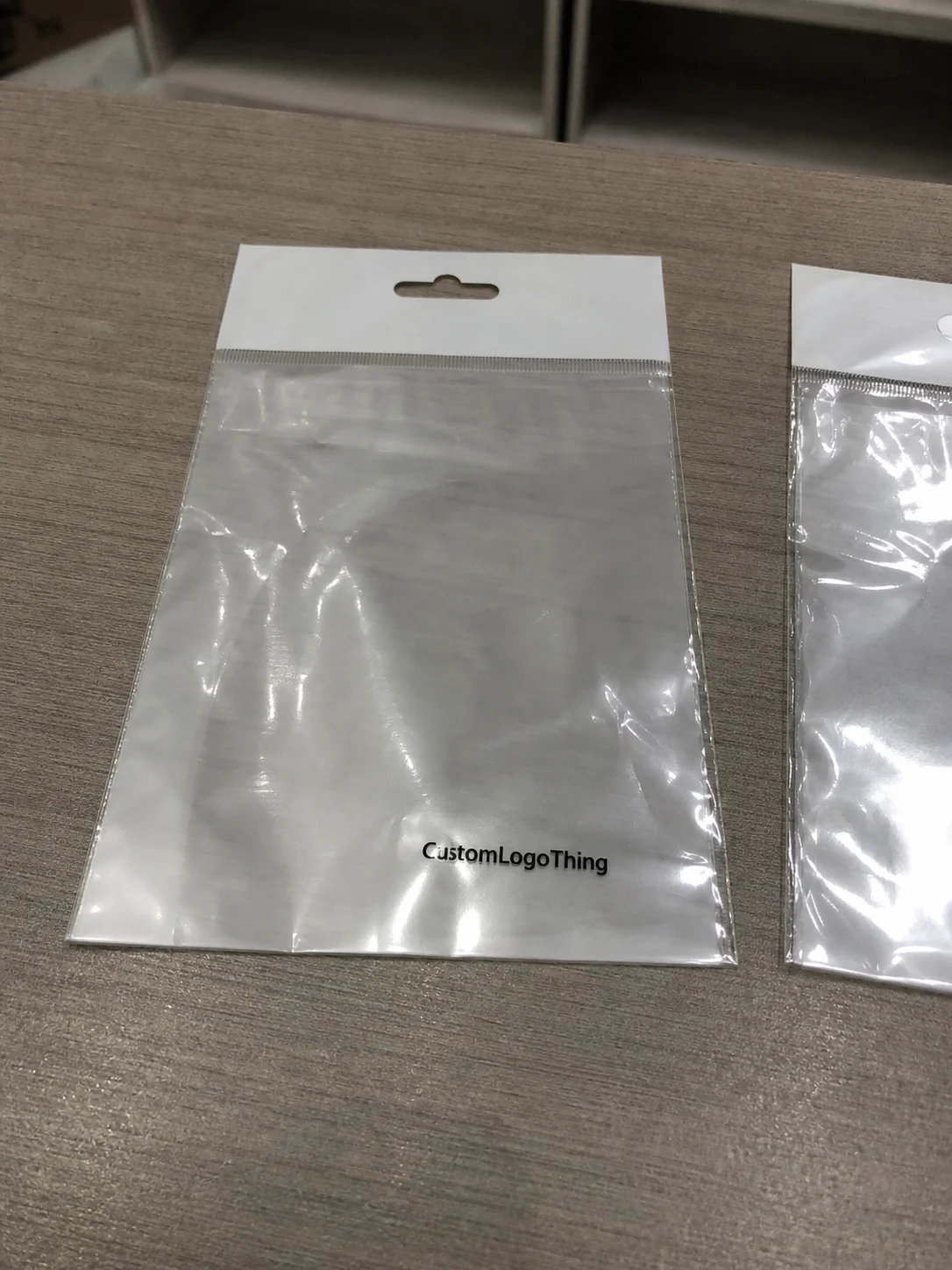
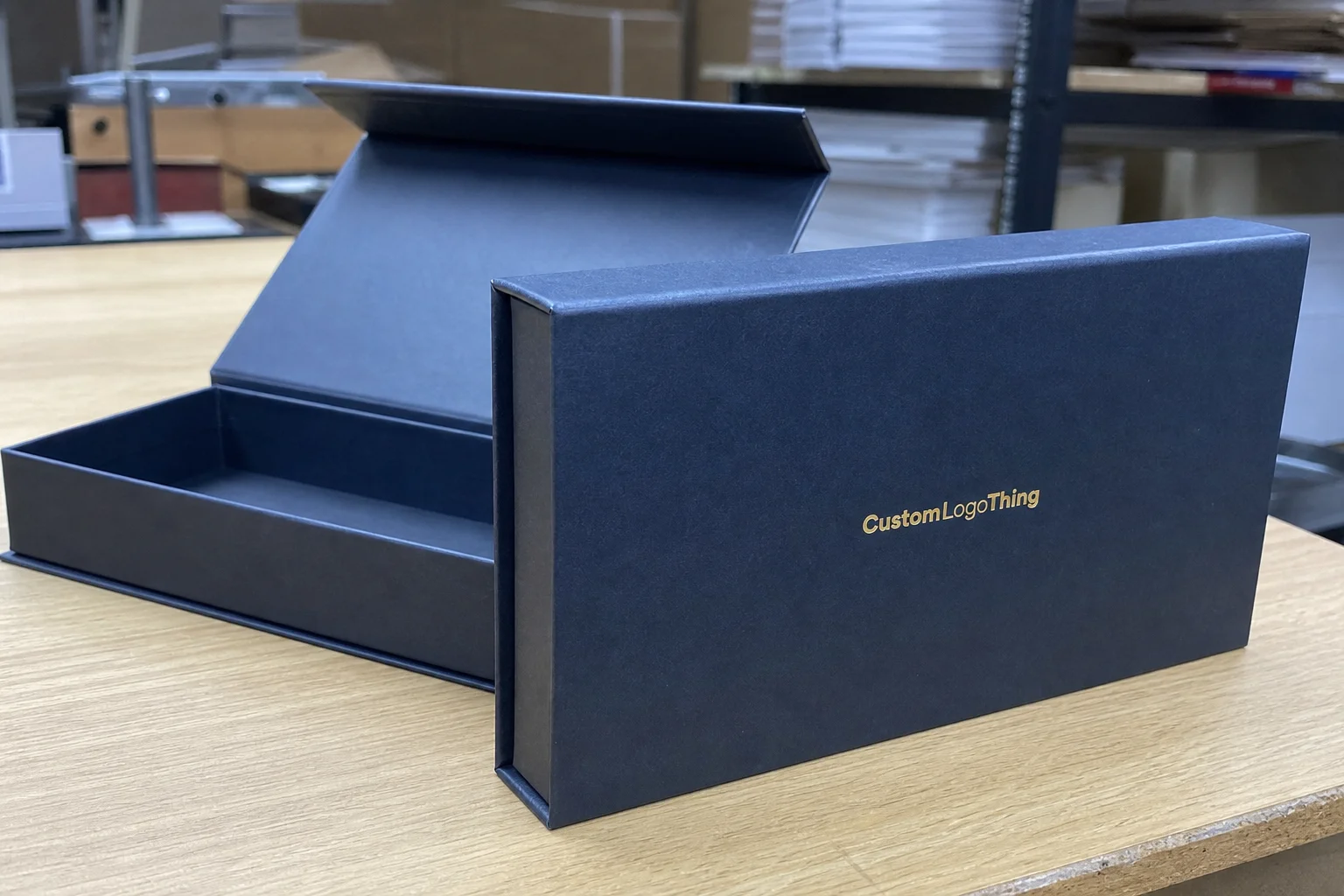
Gift Set Brands usually want two things at once: a tag that feels polished enough to support the box, bottle, or accessory inside, and a quote that does not quietly erode margin. That is why Hang Tags Unit Cost for gift set brands should be treated as a sourcing decision, not a tiny print expense. A 70 x 120 mm tag in uncoated cover with one-color print can price very differently from the same size tag on 400gsm artboard with foil, soft-touch lamination, and hand-tied ribbon.
From a packaging buyer’s point of view, the challenge is practical. Unit cost is shaped by material, print coverage, finishing, die cutting, and assembly, and each choice changes both the feel of the finished product and the number on the quote. On short runs, setup charges and tooling fees can matter more than ink. That is why Hang Tags Unit Cost for gift set brands often looks higher than expected until the spec is broken down properly.
Why hang tag unit cost can swing more than the gift set itself
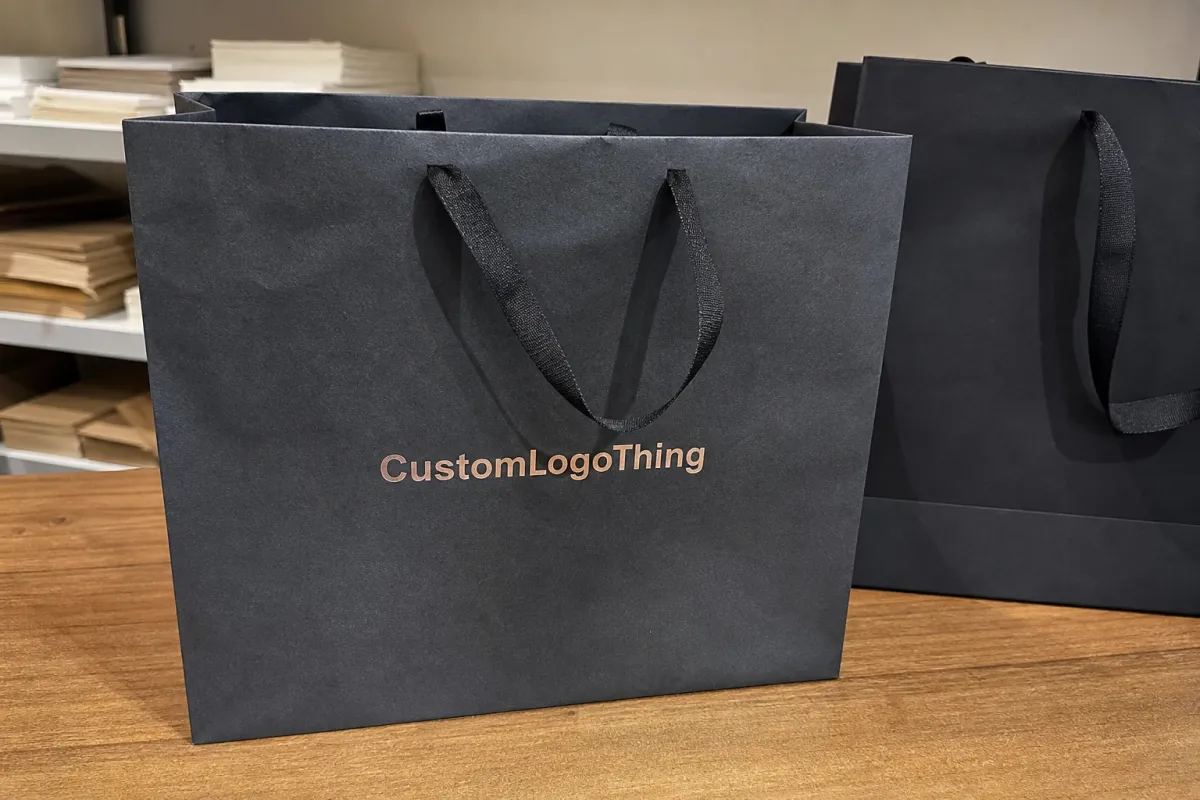
A gift set box is usually built on a comparatively stable structure: board grade, print count, maybe a coating, then folding and packing. Hang tags appear simpler, yet they can swing hard in price because there are more ways to build them. The same size tag may use C1S, uncoated cover, recycled stock, or specialty paper; it may be printed on one side or two; it may need a hole, rounded corners, a die-cut shape, or a folded construction. Every change affects unit cost.
Short runs make the math less forgiving. A supplier still has to prepare the file, create or confirm the die, set up print plates or digital workflows, run proofs, and often hand-attach strings or loops. Those setup charges are divided across fewer pieces, so the cost per piece rises quickly. A 1,000-piece order can look surprisingly expensive beside the gift set itself simply because the fixed work does not shrink with the quantity.
Premium finishes also change the perception of value fast. Soft-touch on a matte board or a sharp foil hit on a small logo can make a tag feel more expensive before the consumer opens the package. That may be right for a luxury fragrance set or an upscale candle duo. It may be too much for a seasonal bath set sold at a mid-tier price point. The best spec is not the fanciest one; it is the one that matches shelf value and margin.
“A hang tag can look like a tiny component, but buyers should treat it like any other packaged part: material, process, and labor all show up in the quote.”
If you want an external reference point on packaging and material decisions, the EPA’s packaging guidance is useful for understanding how material selection and recoverability affect broader packaging choices.
Tag formats and materials that shape the final quote
Not all hang tags are built the same way. A simple single-sided cardstock tag is one of the more economical options, especially if the artwork is clean and the shape is standard. A folded tag gives extra messaging space, but it also adds scoring, folding, and handling. Laminated tags cost more because they add a film layer, and multi-layer or insert-style constructions usually push the quote higher again because they demand more assembly.
Material choice matters just as much as structure. C1S artboard gives a smooth printable surface on one side and decent stiffness, which is why it is common for retail tags. Uncoated cover has a more natural feel and writes better if a store team needs to mark price or batch details. Textured board can support a premium, crafted look, though fine detail and small type may print a little softer than on coated stock. Recycled papers help brands communicate an environmental position, but fiber variation can affect print consistency and brightness. For buyers comparing bulk pricing, the stock is often the first place the cost changes.
Shape matters too. A square or rectangle with rounded corners is typically cheaper than a custom silhouette because it uses a standard cut or simpler tooling. Once you move into custom die cuts, scallops, or asymmetrical outlines, the tool cost and cutting time rise. That does not make custom shapes a bad idea; it just means they should be justified by the brand story rather than added because the art team wants something “different.”
Attachment methods are easy to overlook, but they can change labor cost noticeably. A pre-punched hole is straightforward. Add cotton string, elastic loop, ribbon, or a knotted finish, and you introduce extra handling. For gift set brands, the most common options are:
- Cotton string for a natural, giftable look
- Elastic loop for faster attachment on production lines
- Ribbon for premium presentation, especially on beauty or lifestyle sets
- Pre-punched hole only when final assembly happens elsewhere
Many buyers underestimate how much those details affect Hang Tags Unit Cost for gift set brands. The paper may be inexpensive, but the assembly step is where labor accumulates.
For buyers coordinating tags with other pack components, our Custom Labels & Tags page is a useful place to compare formats and see where one structure may be more efficient than another.
Print specifications that affect hang tags unit cost for gift set brands
Print coverage is one of the fastest ways to change the quote. A tag with one-color black text on a natural board is very different from a full-bleed deep navy background with white knockout type on both sides. Heavy ink coverage uses more ink, but the bigger cost driver is often the slower, more careful press setup needed to maintain density and avoid mottling or color variation. Metallic inks can also raise cost because they are handled differently and tend to require tighter process control.
Finishing choices are where many tag specs become expensive quickly. Matte and gloss coatings are usually manageable. Soft-touch lamination, spot UV, foil stamping, embossing, debossing, and edge painting all add layers of process. Spot UV and foil are especially common for luxury gift sets because they create contrast without changing the entire design. Even so, each added finish can increase the unit cost more than buyers expect. One well-placed finish often does more for perceived value than three stacked effects that only the design team notices.
Artwork readiness also affects pricing. Clean, print-ready files with properly outlined fonts and correct bleed reduce risk. Files with tiny type, complex gradients, or multiple versions across SKUs take more press adjustment and more proofing time. If your set has five fragrance variants or three seasonal editions, the quote usually reflects the extra setup for each version.
Good suppliers should also speak plainly about color matching and tolerances. A useful quote should clarify whether it includes a press proof, digital proof, or both; whether Pantone matching is included; and what tolerance is accepted for cut position and registration. For brands that care about consistency across multiple gift set lines, that matters as much as the raw cost per piece.
For standards and testing language that sometimes comes up in packaging work, ISTA provides recognized shipping and distribution test methods that are useful when tags are packed with other components and need to survive transit without damage.
| Spec level | Typical build | Relative unit cost | Best fit |
|---|---|---|---|
| Economy | Uncoated or C1S stock, one-side print, standard shape, no special finish, basic hole punch | Lowest | Seasonal sets, price-sensitive retail, high-volume basic tags |
| Mid-tier | Thicker cover stock, two-side print, matte or gloss coating, rounded corners, simple stringing | Moderate | Mainline gift sets, brand refreshes, balanced margin and appearance |
| Premium | Specialty board, soft-touch lamination, foil, emboss or spot UV, custom die cut, ribbon attachment | Highest | Luxury fragrance, beauty, jewelry, holiday gifting |
Cost, pricing, and MOQ: how to compare quotes without guessing
MOQ matters because the lowest Hang Tags Unit Cost for gift set brands usually assumes a larger total run. A supplier may quote 10,000 pieces at a much lower unit price than 2,000 pieces because the setup charges and tooling fees are spread out more efficiently. That does not mean you should always buy the biggest run available; it means you should compare the run size against real demand, seasonality, and SKU risk.
Here is the part buyers should ask for in every quote:
- Material and exact paper weight or board thickness
- Print method and number of colors
- Finish including coating, lamination, foil, or embossing
- Die cutting and whether the shape is standard or custom
- Assembly such as stringing, ribbon tying, or folding
- Packing format and carton count
- Freight or delivery terms if shipping is included
That line-item view lets you compare like-for-like quotes. Without it, one supplier may look cheaper simply because they excluded stringing, skipped proof charges, or assumed a simpler board. The best comparison is not “Which quote is lowest?” but “Which quote includes the same build, the same assumptions, and the same delivery point?”
Typical pricing behavior is predictable. As quantity rises, the unit rate drops, but not always in a straight line. A mid-size run can sometimes be the best value because it balances MOQ pressure against carrying too much inventory. For a brand testing a new gift set line, a 3,000- to 5,000-piece run often makes more sense than jumping straight to 20,000 unless sell-through is already proven.
As a working example, simple printed tags may land in one range, while premium tags can sit much higher. The exact figures change with size, stock, and finish, but the pattern stays the same: more manual work, more cost. If a quote comes in dramatically below the market, check what was removed. It is usually setup, finish quality, or assembly labor.
For brands that want to see how print work translates into finished packaging programs, the Case Studies section can help show the difference between a basic spec and a more polished retail presentation.
Process and timeline: from artwork approval to packed cartons
The production sequence is usually straightforward, but delays often happen at the handoff points. A typical job moves through quote confirmation, dieline review, artwork prep, proofing, production, finishing, inspection, and packing. Simple tags with standard shapes can move quickly once the proof is approved. Complex builds with foil, embossing, custom die cuts, or manual stringing take longer because each step adds handling and inspection.
The most common delay is missing or incorrect dieline information. If the hole position, corner radius, or fold line is not confirmed early, the file may need revision. Color changes after proofing can also slow things down, especially when multiple SKUs share one base design but require different names, shades, or barcodes. Late revisions are expensive in packaging because they can trigger a full reset of plates or digital files.
When buyers ask about timeline, it helps to separate the project into two dates: proof approval and shipment. A clean, simple tag may move from proof approval to packed cartons faster than a more complex one, but special finishes and manual assembly will always extend the schedule. If the tags are being packed into a gift set line alongside boxes, inserts, or labels, the whole carton plan matters, not just the tag itself.
Communication milestones should be clear. You should know when to expect the first proof, whether a pre-production sample is available, and when shipping notice will be issued. That matters especially for brands launching a seasonal set where the retail window is tight. A two-day delay in proofing can easily turn into a missed display date.
As a broad reference for sustainability and material considerations, FSC is a useful authority when a brand wants certified fiber in the paper specification.
How to specify tags that look premium without overspending
The smartest way to improve a tag is usually not to add every finish available. One strong visual feature, placed well, usually does more than a crowded stack of effects. A soft-touch lamination with a small foil logo can feel elegant on a beauty set. A textured board with crisp black print can feel artisan on a candle or soap bundle. What usually does not help is combining foil, spot UV, embossing, and edge paint on a small tag that already has limited design space.
Right-sizing is another easy win. A tag that is too large can look wasteful and increase substrate cost. A tag that is too small may feel weak or crowded. The best size is the one that fits the gift set proportionally and still leaves room for the logo, product name, and any compliance text. For many brands, a standard rectangular tag with a thoughtful corner radius feels more polished than a custom silhouette that has no real reason to exist.
Board weight matters, but heavier is not always better. A thicker stock gives a stronger hand feel and can support more elaborate finishing. Yet for smaller or delicate gift sets, an overly stiff tag may look out of scale. A lighter stock can be the smarter choice if the tag needs to sit softly against ribbon, tissue, or a narrow neck label. The right answer depends on the package, not just the marketing brief.
Standardizing across SKUs can also improve price consistency. If three gift set versions share the same tag size and construction, the supplier can often run them with less variation in setup and waste. That does not remove all cost differences, but it helps stabilize the quote and make future replenishment easier. For brands managing multiple seasonal or fragrance variants, that is often the difference between predictable bulk pricing and a long list of special cases.
One practical rule: choose the finish that communicates the brand promise in the first three seconds, then stop. More than that and you often pay for decoration the shopper will never consciously register.
What to send for an accurate quote and a faster launch
If you want a quote that is actually useful, send the complete build, not just the artwork. The most accurate pricing comes from these inputs: size, shape, quantity, stock, print sides, finish, stringing method, packaging format, and delivery destination. If any one of those is missing, the quote may be only a placeholder.
It also helps to include brand color references, final artwork files, and any coordination requirements with a box, sleeve, or ribbon system. If the tag must match another printed item in the set, say so early. A supplier can then plan color management, proofing, and assembly around the whole pack rather than treating the tag as a standalone piece.
When requesting options, ask for three structures if possible:
- Economy — simple stock, standard shape, minimal finishing
- Mid-tier — better board, one premium finish, polished presentation
- Premium — specialty stock, multiple visual enhancements, custom assembly
That kind of comparison makes it easier to judge where the spend belongs. The premium version may be right for a flagship holiday set, while the economy version is enough for an everyday value line. Either way, the numbers become easier to manage when the spec is clear.
Before placing the order, confirm the dieline, approve a sample or pre-production proof if the design is complex, and lock the quantity band. Those steps keep hang tags unit cost for gift set brands under control from the beginning instead of correcting problems after the quote has already been accepted. If the process is clear and the assumptions are visible, the final price is much easier to trust.
FAQ
What affects hang tags unit cost for gift set brands the most?
The biggest drivers are material choice, size, print coverage, finishing, quantity, and whether the tags need manual assembly such as stringing or folding. Setup charges and tooling fees matter more on short runs because they are spread across fewer pieces.
What is the lowest MOQ for custom hang tags?
MOQ depends on the tag style and finishing, but buyers should expect a higher minimum for specialty shapes, premium coatings, or multi-step assembly than for simple printed cardstock tags. Simple builds can often run lower than premium constructions, but the exact threshold depends on the supplier’s equipment and workflow.
How do I reduce unit cost without making the tag look cheap?
Use a standard shape, keep the size efficient, limit finishes to one premium feature, and consolidate SKUs so the run is long enough to absorb setup costs. A strong stock choice and clean typography often create more perceived value than extra decoration.
How long does production usually take for custom gift set hang tags?
Simple printed tags can move quickly after proof approval, while custom die cuts, foil, embossing, or manual stringing typically add extra production time. The timeline also depends on artwork readiness, proof revisions, and whether the order needs special packing.
What should I ask for in a hang tag quote?
Ask for a line-item quote that separates stock, print, finishing, die cutting, assembly, packaging, and shipping so you can compare suppliers on equal specs. That is the most reliable way to judge hang tags unit cost for gift set brands and avoid surprises later.