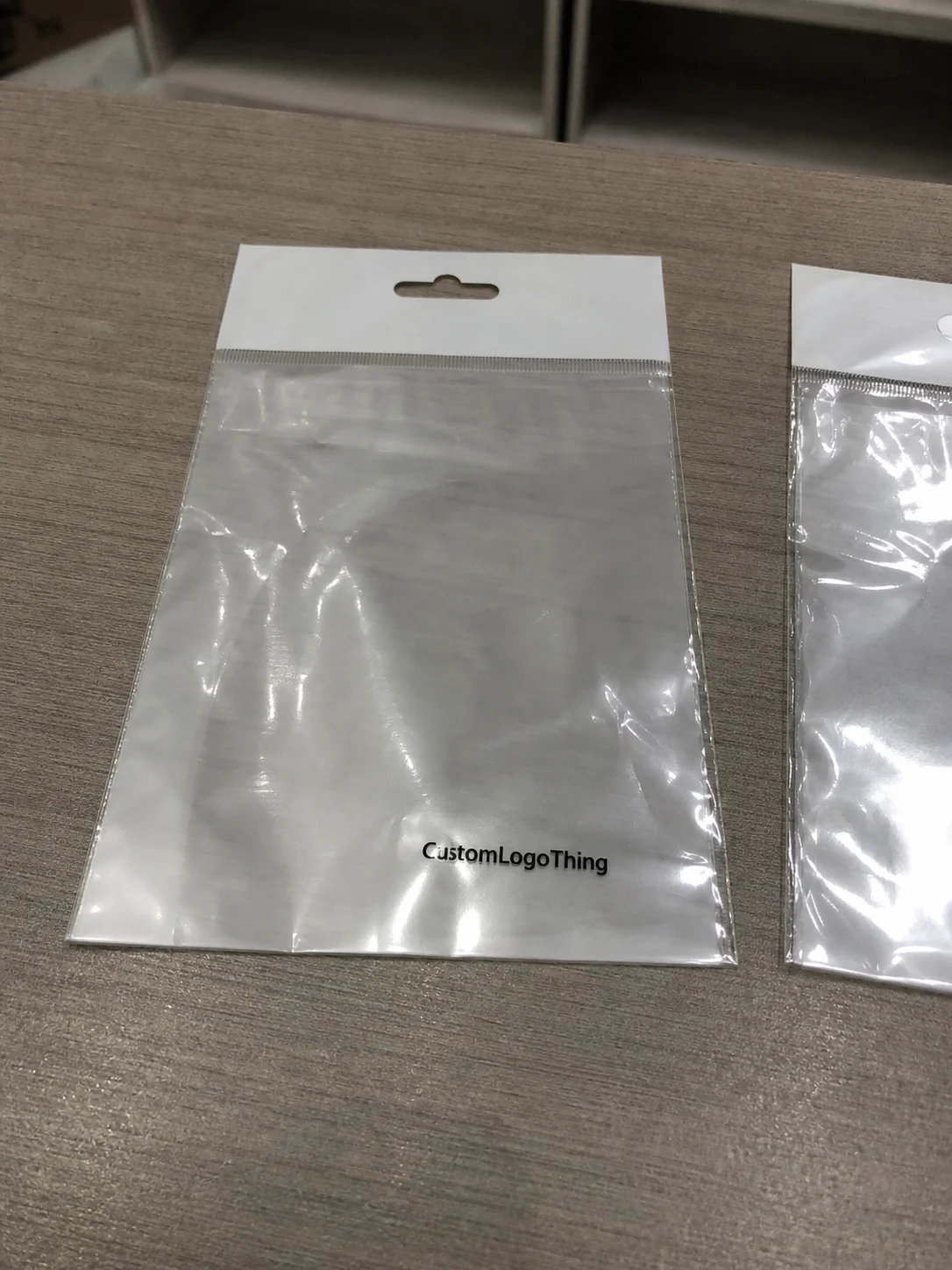
If you sell at a farmers market, the hang tags unit cost for Farmers Market Sellers can look harmless on a quote sheet and still become a meaningful packaging expense once the details are finalized. Size, stock, print coverage, hole punching, stringing, and finish all nudge the price upward. A tag that seems simple often turns into a surprisingly engineered item.
That matters because a hang tag is doing more than carrying a price. It can explain ingredients, weight, harvest date, scent notes, care instructions, or brand story. It also affects how polished your booth looks from three feet away, which is about the distance many customers use before deciding whether to stop.
Unit cost is the better number to watch because it reveals the real economics of a tag, not just the headline quote. A seller ordering 250 pieces and a seller ordering 2,500 pieces are not buying the same product economically, even if the artwork is identical. The first order absorbs setup more heavily; the second spreads it out.
Why unit cost matters before you order hang tags
A hang tag can be a few cents in paper and still end up much higher once you include finishing and handling. The print side count matters. So does whether the tag needs a drilled hole, rounded corners, custom trimming, or a pre-attached string. For small runs, those extra steps are not minor. They can dominate the final price more than the paper itself.
Farmers Market Sellers use tags in very different ways. Produce vendors may need quick price and weight information. Candle sellers often need fragrance notes and burn warnings. Soap makers may want ingredient lists and skin-sensitivity language. Bakers and flower sellers usually care about shelf appeal and instant recognition. Each use case changes the economics, because the tag has to carry the right amount of information without becoming cluttered.
There is also a practical trap that first-time buyers run into: the cheapest tag is not always the least expensive to use. If a lightweight stock curls in heat, smears in humidity, or tears when tied to a jar, you will replace it sooner. That replacement cost does not appear on the first invoice, but it still lands in the budget.
A good market tag should do three jobs at once: identify the product, support the price, and survive a busy booth.
For a booth that handles a mix of products, tags also help reduce friction at the table. Clear labeling means fewer basic questions and faster decisions. Customers can scan the display, compare options, and move toward purchase without needing constant explanation from the seller.
One more thing: if your packaging plan includes labels as well as tags, it helps to compare both formats early. A tag is better for flexible information and storytelling; a label is better for direct application to a container. For planning purposes, Custom Labels & Tags can be a useful reference point.
- Short runs usually carry higher per-piece costs because setup is spread over fewer units.
- Design changes add time in proofing and artwork preparation.
- Outdoor exposure pushes buyers toward sturdier stock or more tolerant finishes.
- Regulatory details such as ingredients, weights, or warnings need enough space to stay readable.
Materials, styles, and print choices that change the price
Style selection changes cost more than many buyers expect. A standard rectangle with rounded corners is usually the most economical choice because it uses common cutting setups and prints efficiently. Folded tags add space for ingredients or a short brand story, but they use more stock and can raise the print and trim cost. Custom die-cut shapes create stronger shelf presence, though they often require tooling fees and more production handling.
Material choice is just as influential. Uncoated cardstock is easy to write on, which is useful if you handwrite lot numbers, prices, or seasonal notes. Coated stock gives sharper image reproduction, especially for logos and photos, but it is less friendly to pens unless you choose a writable coating. Kraft paper gives a natural, handmade look that fits many market brands, although colors tend to print warmer and less saturated. Textured premium stocks can elevate perception, yet they rarely improve durability enough to justify the higher cost if the tag will be handled frequently or exposed to moisture.
Print coverage also moves the number. One-color printing on one side is the simplest and most economical route. Full-color printing adds ink coverage and usually a higher press cost, especially on textured or uncoated paper. Double-sided printing helps when you need room for ingredients, care instructions, or legal language. If all you need is a price and a logo, the back side may be unnecessary.
Special effects are where many small batches drift into unnecessary expense. Foil, embossing, heavy spot UV, and complex metallic inks can look attractive in a sample, but they usually make more sense for premium retail programs than for a market booth that rotates product every weekend. For the average seller, clarity and durability matter more than a high-decor finish.
| Tag option | Typical use | Relative cost impact | Practical note |
|---|---|---|---|
| Standard rectangle | Price tags, basic branding | Lowest | Best for budget-conscious runs |
| Rounded-corner tag | Retail display, softer look | Low to moderate | Common for candles and soaps |
| Folded tag | More text, ingredients, story | Moderate | Useful when space is tight |
| Custom die-cut | Distinct branding | Higher | May add tooling fees |
Attachment hardware matters too. A drilled hole is usually standard and economical. Twine, elastic loops, or pre-tied string add labor and assembly time. Reinforced holes can help with heavier items because they reduce tear-out. Perforation is useful for detachable slips or coupon-style designs, but most market products do not need it. The simplest construction is often the best construction.
For sellers comparing packaging across formats, Custom Labels & Tags can help separate decorative features from features that actually improve function.
What to check before requesting quotes
Before asking for pricing, define the specifications that actually affect the quote. Size is the first one. A 2 x 3 inch tag uses less material than a 3 x 4 inch tag, and that difference compounds across hundreds or thousands of pieces. Paper weight matters too. A 14pt or 16pt stock is common for retail tags, while heavier boards around 18pt can feel more substantial and resist bending better outdoors.
Finish should be part of the decision rather than an afterthought. Matte finish reduces glare and usually looks more natural, which is useful for produce, baked goods, and rustic branding. Gloss can boost contrast and make colors pop, but it may reflect light under tents or market umbrellas. Soft-touch finishes feel premium, though they add cost and are not always ideal for tags that need handwriting. Uncoated stock remains the easiest surface for pens, stamps, and date marks.
Attachment method is another overlooked variable. A simple punched hole is the cleanest and least expensive starting point. A slit or reinforced hole is worth considering for heavier bottles or jars. If the tag is going on apparel-style packaging, a slot or folded construction can make sense, but most food and craft vendors do fine with a traditional round hole.
What to send with your quote request
- Exact finished size
- Quantity and whether repeat orders are likely
- Paper type and preferred thickness
- Print sides and number of ink colors
- Finish such as matte, gloss, or uncoated
- Attachment method like hole punching, stringing, or folding
Artwork setup also affects price and timing. Clean dielines, proper bleed, and safe area placement prevent unnecessary revisions. If your logo relies on a specific red, green, or brown, share Pantone references or consistent CMYK values so the printed tag matches the rest of your packaging as closely as possible. Low-resolution files, missing fonts, and tiny text near cut edges are among the most common reasons proofs need revision.
Durability should match the real use case. If tags will hang from jars or bags in shade, a lighter stock may be enough. If they will sit near a freezer case, a flower bucket, or a damp market table, heavier stock or a more resistant finish becomes worthwhile. Buyers sometimes ask for the lowest number and later discover the tag bends, curls, or becomes hard to read. That is not a savings.
For broader material guidance, organizations such as ISTA provide testing standards that are useful when packaging has to tolerate transit, while FSC certified paper options can support responsible sourcing claims if the chain-of-custody documentation is in place. Those references matter more when tags are part of a larger packaged product system.
Hang tags unit cost, pricing tiers, and MOQ basics
The phrase Hang Tags Unit Cost for farmers market sellers becomes more useful once you look at quantity tiers. Small runs usually carry the highest unit price because setup, proofing, trimming, and packing are spread over fewer tags. As the order grows, the cost per piece tends to fall because those fixed steps are diluted across more units.
There is no universal rate, but reasonable planning ranges help. A very simple printed hang tag in a small run may land around $0.18 to $0.35 per piece, depending on size, stock, and print coverage. Custom shapes, double-sided printing, or premium finishes can move that closer to $0.40 to $0.90 per piece in smaller quantities. Larger repeat orders usually improve pricing, especially if the specification stays unchanged and the production run can be scheduled efficiently.
MOQ, or minimum order quantity, depends on how the tags are made. A basic printed rectangle often carries a lower MOQ than a highly customized die-cut shape. The more complex the cut, finish, or assembly, the more likely the supplier will set a minimum that protects production efficiency. That does not shut out small businesses; it just means buyers should match order size to the production method.
A practical way to think about buying tiers:
- Test runs: 100 to 250 pieces, useful for a new design or product line
- Seasonal runs: 500 to 1,000 pieces, common for summer produce, holiday gifts, or soap collections
- Repeat vendor runs: 2,500 pieces and up, often the best route to lower unit pricing
Comparing quotes fairly matters as much as finding a low number. One supplier may include proofing, die creation, hole punching, and shipping. Another may list a lower base price and add separate charges later. Ask directly about setup charges, tooling fees, and whether finishing is included. That is the only way to compare true cost per piece.
| Quantity tier | Typical unit cost trend | Best for | Watch for |
|---|---|---|---|
| 100-250 | Highest | Testing a new product or design | Setup charges can dominate |
| 500-1,000 | Moderate | Seasonal markets and short campaigns | Confirm proofing and finish costs |
| 2,500+ | Lowest | Repeat booths and consistent SKUs | Storage and artwork stability matter |
For sellers who rotate offerings often, the lowest first-order price is not always the best buy. A tag that works across multiple product lines can save money over time even if the per-piece cost is slightly higher up front. That is especially true for markets with changing harvests, seasonal scents, and limited-edition gift items.
Process and turnaround from artwork to finished tags
The production flow is fairly direct, but delays usually come from avoidable setup problems. It starts with a quote request, then spec confirmation, then artwork submission. After that comes proofing, approval, printing, finishing, packing, and shipment. Simple tags with standard trimming usually move faster than custom shapes or specialty finishes.
What slows things down? Missing dielines. Low-resolution artwork. Late changes after proofing. Files built for social media instead of print. Tiny text that cannot hold up once trimmed. Those issues may seem small on screen, but they create back-and-forth once production begins.
Turnaround should be realistic, not optimistic. Standard tags with no special finishing are often completed in roughly 7 to 12 business days after proof approval. Custom die-cut or specialty-finished jobs can stretch to 12 to 20 business days, especially if proofing takes time or the schedule is full. Shipping time then adds another layer depending on destination and carrier service.
For market sellers, timing is not just about speed. It is about ordering early enough to avoid a scramble before peak weekends, harvest changes, holiday boxes, or product launches. If your booth relies on seasonal product names or pricing updates, build enough lead time to avoid paying rush charges.
The proof stage is where most preventable mistakes are caught. Check spelling, ingredient order, weight declarations, barcode placement if used, and the exact hole position. A proof that looks fine on screen can still be off if the scale, margins, or colors were not set correctly.
Packaging buyers who care about material recovery or disposal can also review waste and material guidance from EPA, especially when choosing paper stocks and finishes that affect recyclability. The right choice depends on the full package, not just the tag.
How small-batch market brands can keep costs under control
Small-batch vendors usually get the best value by making fewer variables behave well at once. A single standard tag size, a stock that can be written on if needed, and one print format often beat a highly customized design that looks impressive but pushes the budget too far. It is a simple tradeoff: fewer production complications usually mean fewer surprise charges.
Durability and consistency matter because tags are part of the selling experience. They should trim cleanly, hang straight, and stay readable after handling. That matters for produce, soaps, candles, floral bundles, and baked goods, where the tag is part of the purchase decision. If the stock feels flimsy or the print looks dull, the product can appear less valuable than it really is.
Color consistency matters more than most sellers expect. If a brand relies on the same green, cream, or terracotta across boxes, bags, and tags, the whole table looks more intentional. Even a modest booth can feel organized when the materials match and the print quality is stable from one run to the next.
Another way to manage cost is to choose a tag that works across several products. A flexible layout with a logo, a price field, and a small area for product-specific copy can be reused for multiple SKUs. That reduces the need for separate designs every time the harvest changes or the scent list rotates.
Practical buyers tend to ask the same few questions before they commit: Can this be written on? Will it survive handling? Does the finishing add value or just cost? Does the tag still read clearly at booth distance? Those questions are better than asking for the cheapest possible quote, because they lead to a usable result rather than a low number that has to be revised later.
FAQs
What is the typical hang tags unit cost for farmers market sellers?
Unit cost depends on size, stock, print coverage, quantity, and finishing. Small runs cost more per tag, while larger runs reduce the price per piece. Custom shapes and specialty finishes usually increase the unit price.
How can farmers market sellers lower hang tag pricing without hurting quality?
Choose a standard size instead of a custom die-cut shape. Use one-sided printing if the back does not need branding or product data. Select a stock and finish that balance durability with print efficiency.
What minimum order quantity should I expect for custom hang tags?
MOQ depends on the print method and whether the tags need custom cutting or finishing. Simple printed tags often have lower MOQs than highly customized versions. Always confirm whether the MOQ applies per design, size, or SKU.
How long does it take to produce custom hang tags for market inventory?
Turnaround varies with quantity, finishing, and proof approval speed. Standard tags are usually faster than specialty tags or complex die cuts. Artwork readiness has a major effect on the final timeline.
What information should I include when asking for a hang tag quote?
Include size, quantity, paper type, print sides, finish, and attachment method. Send any logo files, brand colors, and required text such as pricing or ingredients. State whether you need assembly, punching, or stringing included in the quote.