Home Fragrance Carton Inserts Bulk for Wholesale Orders
A candle set can sit perfectly on a warehouse shelf and still show up with a cracked jar or a cap that has worked itself loose by the time it reaches the customer. That is usually not a mystery problem. It is a fit problem. A packaging spec for home fragrance Carton Inserts Bulk that misses by even 2 or 3 mm can let a bottle drift, let the cavity collapse a little, and invite the sort of damage that shows up later as returns, repacking, and avoidable labor. Small gaps do not stay small once cartons start moving through a line, onto a pallet, and into a courier network.
For a packaging buyer, home fragrance carton inserts bulk is not a decorative checkbox. It is a fit decision, a protection decision, and a labor decision all at once. An insert that does not hold the product correctly creates three separate costs: breakage, slower pack-out, and extra void fill. Bulk purchasing matters because once the dimensions are approved, the same structure can be repeated at lower unit cost and with far less back-and-forth on the next reorder. That part sounds plain because it is plain. The savings tend to be the quiet kind, not the flashy kind.
"Pretty packaging is nice. Packaging that stops glass from moving is the one that pays for itself."
At Custom Logo Things, we work with wholesale buyers who need the insert to carry its weight, not just sit neatly inside the carton. A diffuser set, a candle, a reed bundle, or a gift kit all ask for different levels of restraint, and home fragrance carton inserts bulk should be built from the product first and the artwork second. That order keeps the structure honest. A poor fit is expensive. A good fit disappears into the job and quietly saves money, which is how packaging should behave.
Why Home Fragrance Carton Inserts Bulk Reduce Damage
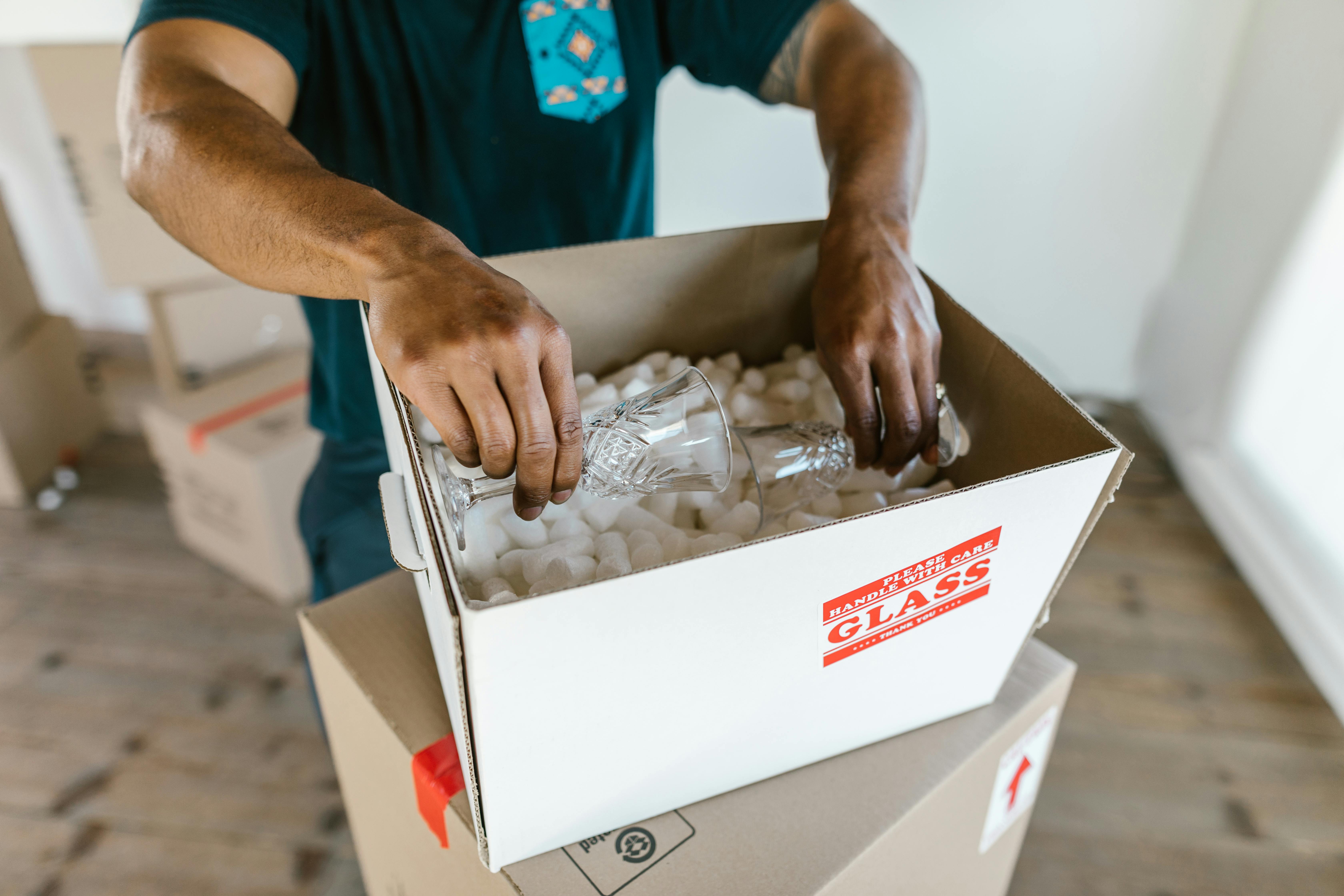
The most common failure is not dramatic. It is a small amount of slack. The bottle moves in transit, the jar edge taps the carton wall, the reed bundle shifts sideways, or the cap presses against the lid panel and leaves a mark. In that kind of shipment, home fragrance carton inserts bulk does exactly what it should: it keeps the product centered at volume so the box can survive stacking, vibration, and courier handling.
Premium fragrance packaging can fail in a few ordinary ways. A product can rattle. It can crush. It can slip free from the cavity. It can also flex just enough that the box looks fine on arrival while the glass has already chipped. None of those problems needs a dramatic accident to happen. One weak insert can turn a clean pack-out into returns, refunds, and repacking labor. That is why home fragrance carton inserts bulk is a protection choice, not a branding extra.
The business case is pretty straightforward. A wrong insert means damaged goods, wasted labor, and customer service time. A correct insert speeds packing and reduces the amount of filler needed to keep the product stable. On a busy line, that difference matters more than most teams admit. The right home fragrance carton inserts bulk spec also makes repeat ordering simpler, because the warehouse does not need to relearn the structure every time a new batch ships.
Bulk purchasing brings another practical benefit: once the dimensions are approved, the structure can be repeated with fewer surprises. Purchasing teams get better control over landed cost, and a small design change is less likely to trigger a new die or a full cavity redesign. For wholesale programs, that consistency is worth real money. It also keeps pack instructions cleaner for the warehouse team and reduces the chance of assembly mistakes.
For products with glass bottles or candle jars, movement deserves more attention than appearance. An insert can feel snug in a sample photo and still go loose once the actual bottle neck, closure height, and label thickness are included. That is why home fragrance carton inserts bulk should be tested with the real item, not guessed from a render or a flat mockup. I have seen more than one polished sample fall apart on the bench because a label wrap added just enough width to change the fit.
- Loose fit: Product moves, then chips, then gets returned.
- Overtight fit: Packing slows down and the insert can stress the container.
- Correct fit: The product stays centered, the box closes cleanly, and the line keeps moving.
That is the practical lens. No drama, no fluff, just fewer losses and fewer headaches.
Home Fragrance Carton Inserts Bulk: Styles and Applications
Home fragrance carton inserts bulk comes in a few structural families, and each one suits a different product program. Buyers sometimes assume every insert does the same job. It does not. A light retail candle set has different needs from a glass diffuser bundle moving through ecommerce fulfillment. Choosing the wrong style might save a few cents on paper, then cost much more in breakage, repacking, and customer complaints.
Die-cut paperboard is the most common option. It looks clean, prints well, and works nicely for lighter items that need organization and moderate protection. Corrugated pads add more crush resistance and make sense when the carton has to travel farther or face less careful handling. Molded pulp gives a more rigid, eco-forward feel and suits brands that want structure without plastic-heavy packaging. Multi-compartment layouts handle sets with several components, such as a diffuser bottle, cap, funnel, fragrance vial, and instruction card.
| Insert Style | Best For | Typical Strength | Indicative Bulk Cost | Tradeoff |
|---|---|---|---|---|
| Die-cut paperboard | Retail boxes, lighter candle jars, clean presentation | Light to medium | $0.10-$0.28 per unit at 5,000 pieces | Good looking, but not the best for heavy glass |
| Corrugated insert | Fragile bottles, ecommerce shipper boxes, transit protection | Medium to high | $0.14-$0.36 per unit at 5,000 pieces | Bulkier than paperboard, less premium on shelf |
| Molded pulp | Eco-focused lines, rigid cradle support, simpler branding | Medium to high | $0.18-$0.45 per unit at 5,000 pieces | Tooling and lead times can be heavier |
| Multi-cavity layout | Gift sets, subscription kits, bundled accessories | Depends on base material | $0.22-$0.55 per unit at 5,000 pieces | More setup work, but better pack control |
That table is the short version. The longer version is that home fragrance carton inserts bulk should match the product mix, not the mood board. A beautiful insert that cannot hold a cap, a reed bundle, or a refill vial still wastes money. A plain insert that protects well can be the smarter buy if the outer carton and label already carry the brand story.
Visual fit and shipping fit are not the same thing. Visual fit is what the customer sees when the box opens. Shipping fit is what the carrier sees when the carton gets stacked, dropped, tilted, and pressed against other parcels. For home fragrance carton inserts bulk, shipping fit wins every time. The attractive option that fails in transit is not premium. It is expensive failure with better typography.
Brands that care about sustainability claims should ask whether the stock can be sourced with FSC certification and whether the supplier can provide the right paper trail. Certification matters if a formal recycled or responsibly sourced claim will go on the box or on the product page. Basic certification information is available from FSC. If the insert will be tested in distribution, standards from the ISTA network give useful references for pack-out and transit validation.
In practical use, home fragrance carton inserts bulk usually falls into a few common scenarios:
- Single candle jar: One cavity with top clearance and a stable base.
- Diffuser set: Multiple cavities for bottle, reeds, cap, and filler card.
- Gift kit: Nested structure for several components in one presentation box.
- Subscription bundle: Secure layout that repeats cleanly at scale.
That mix is where many wholesale orders land. The real trick is choosing the simplest structure that still protects the product properly. Overbuilding the insert can be just as wasteful as underbuilding it, and it makes the pack-out more annoying than it needs to be.
Materials, Fit, and Print Specs for Custom Inserts
If you want home fragrance carton inserts bulk to work, start with measurements, not assumptions. Send the finished product dimensions, not just the bottle size listed on a spec sheet. Include weight, neck diameter, closure height, and any parts that extend above the main body. A label can change the fit. A cap can change the fit. Even a decorative collar can alter the cavity enough to matter.
The material choice should follow the product and the route to market. Kraft board gives a natural look and usually fits rustic or eco-leaning branding. SBS paperboard offers a cleaner print surface and a smoother retail finish. Corrugated is the safer answer when the carton needs more crush resistance. Molded pulp feels solid and can support a more responsible packaging story without introducing unnecessary plastic-looking components. For a buyer ordering home fragrance carton inserts bulk, the real question is not which material sounds best. It is which one survives the trip and still packs efficiently.
Fit tolerance matters more than the fanciest finish. A snug insert with proper clearance beats a decorative one that lets glass move around. Buyers should ask for sample checks with the actual bottle or jar. Not a mock bottle. Not a guess. The real product. That is how you catch shoulder height issues, label thickness, or cap interference before a bulk run turns into scrap.
Print choices come second, but they still matter. Spot color branding can be enough if the insert remains partly visible. Matte coating gives a more muted, premium feel, while gloss can help with brightness and scuff resistance. Some brands want branding only on the exposed panels. Others want cavity walls printed so the unboxing feels more intentional. For home fragrance carton inserts bulk, the smartest print plan usually supports the structure without adding cost that disappears once the product goes inside.
Useful spec items to confirm before asking for a quote:
- Product dimensions: Height, width, depth, and any taper.
- Product weight: Especially important for glass jars and heavier diffusers.
- Clearance target: How much movement is acceptable around each item.
- Carton size: Outer box dimensions so the insert locks in properly.
- Pack-out method: Manual packing, semi-automatic, or fully manual assembly.
If your brand needs recycled content or certified fiber, ask for the exact material declaration and sourcing proof. Paperwork matters once sustainability claims become part of the packaging story. It is better to verify those details upfront than to untangle a compliance problem later. That is especially true for home fragrance carton inserts bulk, where repeated purchasing makes a small sourcing mistake far more costly over time.
One more thing buyers often miss: the outer carton and the insert should be designed together. If the outer box is too loose, the insert can perform well and still allow shifting. If the outer box is too tight, the insert can buckle during assembly. Sample approval keeps the packaging from turning into guesswork, and it saves a lot of back-and-forth later.
Cost, Pricing, MOQ, and Quote Factors
The price of home fragrance carton inserts bulk does not come from a magic spreadsheet. It moves with a few very real variables: material thickness, cavity count, print coverage, insert complexity, and the total size of the run. A sensible quote needs enough detail to price the actual job, not a rough cartoon version of it.
Simple paperboard inserts usually sit at the lower end of the cost range because tooling and setup are easier. More complex die-cut structures cost more because they use larger sheets, tighter tolerances, and more setup time. Molded pulp often asks for a higher commitment because tooling and production setup can be heavier. That is not a flaw. It simply means the economics change once the structure becomes more custom.
For many wholesale programs, simple repeat runs can sit around $0.10-$0.28 per unit at 5,000 pieces for paperboard, with sturdier or more complex structures moving into the $0.30-$0.55 range depending on shape and finish. Those numbers are planning ranges, not promises. If someone offers a number far below them without context, ask what was removed. Usually something was.
MOQ changes with the structure. Standard die-cut paperboard can often start at a lower quantity than molded pulp or highly custom multi-cavity layouts. A more complex home fragrance carton inserts bulk project may need a larger run to keep the unit price reasonable. That is normal. It is also why pricing should be requested at several quantities, not just one. The breakpoints show where the economics improve.
Here is what should always be in the quote request:
- Exact dimensions: Product and carton size together.
- Target quantity: Ask for multiple tiers if you can.
- Product weight: Important for protection and material choice.
- Destination: Freight cost changes the landed number.
- Sample needs: Prototype, revision, or final approval sample.
- Artwork status: Final, pending, or not started yet.
Buyers often focus on unit price and miss the hidden cost of a structure that is slow to pack or hard to reorder. That is a mistake. A slightly higher insert price can still produce the lower total cost if it reduces packing time, cuts returns, and avoids the kind of movement that damages glass. Home fragrance carton inserts bulk is about total cost, not the line item alone.
Another practical rule: ask for two or three quantities side by side. If you only ask for one number, you cannot see the break point where larger volume starts making sense. A supplier should be able to quote at 1,000, 3,000, and 5,000 pieces, or 3,000, 5,000, and 10,000 pieces depending on the structure. That comparison saves time and stops guesswork. It also keeps everyone honest, which is kinda useful in packaging.
If a quote comes back vague, ask for clarity. Ambiguous pricing usually means the job is underdefined. Underdefined packaging is how small mistakes turn into expensive rework, and nobody wants that surprise after the purchase order is already in motion.
Process, Timeline, and Production Steps
Home fragrance carton inserts bulk should move through a controlled workflow. The best orders are the ones that do not force anyone to stop and guess. The usual process is simple: inquiry, structure review, sample or prototype, approval, production, quality check, and shipment. Nothing flashy. Just a clean process that keeps the packaging honest.
The first step is the brief. Send product dimensions, carton size, weight, and photos from a few angles. If the product has an odd shoulder, a tapered neck, or a cap that sits higher than the jar body, say so early. That information is not optional. It keeps the sample from missing the mark. For home fragrance carton inserts bulk, the brief is where most time gets saved or lost.
Sample approval protects both sides. It confirms the fit before thousands of pieces are made. If the sample is wrong, the issue is visible while the fix is still cheap. If the sample is right, production can move with much less friction. Buyers who skip this step often discover too late that the insert works on paper but fails with the actual product. That is a painful lesson, and one that is easy to avoid.
Typical delays come from a short list of predictable mistakes:
- Missing dimensions or unclear product photos.
- Late artwork changes after the structure is approved.
- Repeated sample revisions because the product details were incomplete.
- Underestimating freight or lead time around a launch window.
Timeline depends on complexity. A repeat order with final specs can move faster than a fully custom structure that needs new tooling or a structural revision. A practical expectation is often 8-12 business days for simple repeat jobs after approval, while new custom work can take 12-20 business days or more depending on sample changes, material sourcing, and order volume. Transit time sits on top of that. People forget transit time, then act surprised when pallets do not teleport.
If the order supports a launch, lock the structure early. Smart buyers treat packaging like a critical-path item, because it is one. If the cartons are late, the product launch slips. If the insert is wrong, the warehouse slows down. If the sample gets stuck in revision, everyone starts improvising. That is how a simple packaging job grows teeth.
For wholesale buyers, this is also where our Wholesale Programs page helps. It is built for repeat purchasing, clearer reorder planning, and the kind of volume work that needs stable specs instead of endless redesign. If your team handles multiple fragrance SKUs, a consistent insert strategy makes life easier. Not thrilling. Easier.
"The fastest order is the one with final dimensions, final artwork, and one clean approval."
That line is blunt because it is true. Home fragrance carton inserts bulk moves well when the details are locked early and the sample is approved without drama.
Why Choose Us for Bulk Carton Inserts
Buyers do not need poetry here. They need a supplier that delivers consistent fit, predictable reorders, and packaging that actually protects the product. That is the standard we aim for at Custom Logo Things. Home fragrance carton inserts bulk should solve a packaging problem, not create a design marathon.
Repeatability matters most in bulk orders. The first order needs to fit. The second order needs to match the first order. The third order should not require a detective story to figure out what changed. That is especially true for fragrance programs, where a tiny structural shift can affect pack speed or increase glass movement. We help customers match the insert to the product instead of forcing the product into a generic cavity.
We also keep the process practical. That means dimension checks, sample verification, and material guidance before production starts. It means flagging risks early when a bottle is too tall, too narrow, too heavy, or too awkward for the chosen structure. It means giving procurement teams clear quantities and realistic lead times so they can plan freight and inventory without crossing their fingers.
For buyers comparing vendors, the real difference is usually not the selling language. It is how the supplier handles the details. Can they tell you whether the insert needs a stronger board? Can they spot a fit issue from a photo? Can they explain why a multi-cavity layout may slow pack-out but reduce breakage? Those are the questions that save money on a bulk home fragrance carton inserts bulk order.
There is also a commercial side to this. Wholesale teams need reordering that is boring in the best sense: same spec, same fit, same result. That is why customers use our Wholesale Programs for repeat runs and quantity planning. It keeps the paperwork cleaner and the communication shorter. Both are underrated.
We do not push a premium finish where a plain structural insert will do the job. Sometimes the best packaging choice is the simplest one that protects the product and keeps the carton presentable. A buyer with a shipping problem does not need fluff. They need a structure that works and a supplier who answers directly. That is the lane.
- Consistent fit: Fewer surprises from run to run.
- Clear specs: Easier quoting and cleaner approvals.
- Practical guidance: Material and structure recommendations that match the product.
- Wholesale support: Better planning for repeat volume orders.
If you are comparing suppliers for home fragrance carton inserts bulk, ask the same question every time: who is actually reducing risk? The cheapest quote is not the best quote if it creates breakage, repacking, or avoidable freight waste. That is not opinion. That is how packaging budgets get eaten.
Next Steps to Order Home Fragrance Carton Inserts Bulk
If you want home fragrance carton inserts bulk to come back cleanly, send the supplier the information that lets them build the right structure the first time. Start with finished product dimensions, weight, carton size, and a few product photos. If the item is fragile, unusual, or heavy, say so clearly. The best quotes come from real specs, not optimistic guesses.
Include the pack-out goal too. Do you need the insert to protect glass? Reduce void space? Hold a retail set in place for shelf presentation? All three? The answer changes the structure. A product that ships well in ecommerce may need a different insert than the same product displayed in-store. That is why home fragrance carton inserts bulk should be specified by use case, not only by appearance.
Here is the clean order path:
- Approve the structure and confirm the cavity layout.
- Request a sample or prototype if the fit is tight or the product is fragile.
- Review artwork placement, if printing is needed at all.
- Confirm the quantity tier and freight destination.
- Lock the timeline before production starts.
Comparing two or three quantity tiers is smart because it shows the real break point. Sometimes the jump from 3,000 to 5,000 units is modest. Sometimes it drops the unit cost enough to justify the larger run. You do not know until you see the numbers. That is a better buying habit than hoping the lowest single quote is also the smartest one.
If you are launching a new fragrance line, build in extra time for sample review. A prototype costs less than a warehouse full of inserts that do not fit. That is not dramatic. It is just the math of packaging. For a controlled bulk order, home fragrance carton inserts bulk should be treated like a production component, not a last-minute accessory.
Once the structure is approved, the artwork is confirmed, and the schedule is locked, place the bulk order and keep the spec stable. That is how you get repeatable results. That is how you avoid rework. And that is how home fragrance carton inserts bulk stops being a guessing game and starts acting like a proper wholesale packaging system.
What do I need to get an accurate quote for home fragrance carton inserts bulk?
Send the finished product dimensions, product weight, carton size, and how many items each insert must hold. Add photos or a sample if the bottle, jar, or refill has an unusual shape. State your target quantity, destination, and whether you need printed branding or plain structural inserts. If you can share the pack-out method, the supplier can price the right structure the first time. That is especially useful for home fragrance carton inserts bulk, where a small detail can change the cavity size or the board thickness.
Which material is best for home fragrance carton inserts bulk orders?
Kraft or SBS works well for clean retail presentation and lighter protection. Corrugated is the better choice if the product needs more crush resistance during shipping. Molded pulp is a strong option when you want a rigid, more eco-forward structure. The best material depends on product weight, transit risk, and the look you want on shelf. For home fragrance carton inserts bulk, the right answer is the one that protects the product and fits the packing line without slowing it down.
What is the usual MOQ for home fragrance carton inserts bulk production?
MOQ varies by material and structure, but simpler paperboard inserts usually start lower than molded or highly custom builds. Custom die-cut work and multi-cavity layouts often need a higher run to keep unit cost reasonable. Ask for pricing at multiple quantities so you can see the break point instead of guessing. If you are launching a new product, a prototype or short sample run can reduce risk before a larger order of home fragrance carton inserts bulk.
How long does production take for home fragrance carton inserts bulk orders?
Simple repeat orders move faster than new custom structures that need sample approval. Timeline depends on artwork readiness, sample revisions, and whether new tooling is required. The fastest orders are the ones with final dimensions, clear specs, and immediate sample approval. Build extra time into the schedule if the packaging must arrive before a launch or seasonal promotion. That matters even more for home fragrance carton inserts bulk, because freight and approval steps can add days fast.
Can I see a sample before placing a full bulk order?
Yes, and you should request one if the product is fragile, heavy, or unusually shaped. A fit sample confirms clearance, protection, and packing speed before production starts. Testing with the actual bottle or jar is better than approving a drawing alone. A sample review now is cheaper than fixing a bad fit after thousands of units are made. For home fragrance carton inserts bulk, that sample step is usually the difference between a smooth rollout and a very annoying rework cycle.
If you are ready to source home fragrance carton inserts bulk for a wholesale program, bring the specs, compare the quantity tiers, and approve the sample before production. That is the cleanest path, and honestly the least painful one. Exact dimensions beat guesses every time, and a solid insert beats a pretty one that shifts in transit.


