Home fragrance embroidered beanies digital proof checklist: what buyers miss first
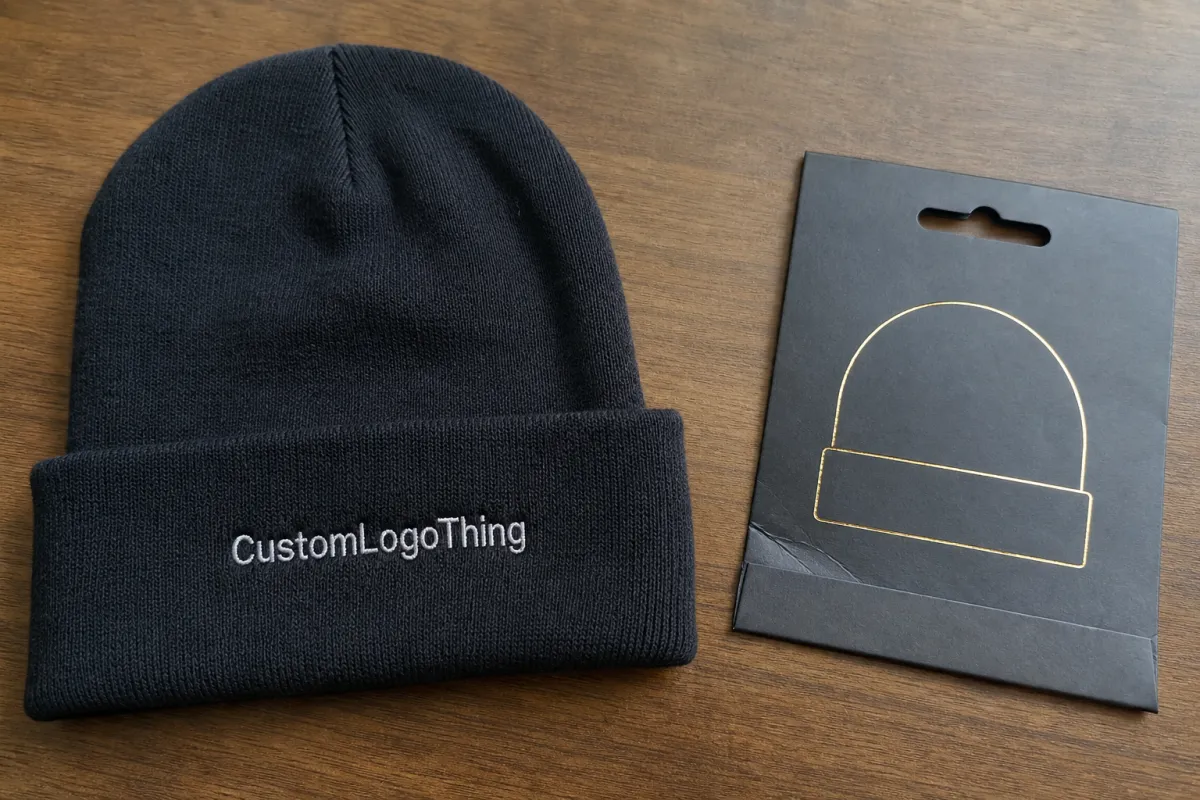
Most custom beanie problems start before the first stitch. They start with a rushed approval, a blurry email thread, or a proof that looks fine until someone checks the placement, size, and thread notes. A strong home fragrance embroidered Beanies Digital Proof Checklist is really a buyer-safety tool: it catches avoidable errors before they turn into inventory problems.
For home fragrance brands, the beanie is often part of a larger seasonal or retail program. It may support candle launches, gift sets, event uniforms, or subscription inserts. That means the decoration has to feel on-brand without distracting from packaging. The proof should confirm the apparel direction, not just the logo.
A digital proof is not a sample. It is a production guide that should show placement, finished size, thread colors, beanie style, and any notes that affect the run. Buyers should use it to answer practical questions: Is the logo high enough above the cuff? Is the mark too wide for the front panel? Does the artwork need simplification to embroider cleanly?
The proof review should separate three levels of decision-making:
- What can be approved on-screen, such as layout, size, and color direction.
- What still needs judgment, such as stitch density and knit movement.
- What may require a sample, especially for fine text, tight curves, or layered artwork.
Used well, the checklist keeps the buyer, merch team, and supplier looking at the same facts. That is where many orders either stay on track or drift into costly revisions.
How digital proofing works before embroidery starts
The workflow is usually straightforward: the supplier receives the art file, quantity, deadline, and product choice, then the art team places the logo on a digital mockup. After that comes review, revision, and final approval. Production starts only after the approved version is locked.
A useful proof should show more than a logo on a hat. Look for the finished size in inches or millimeters, exact placement, thread colors, beanie style, and any special notes about cuff height or center-front alignment. If those details are missing, the buyer is forced to guess.
What the proof cannot show matters too. It cannot show stitch stiffness, how a ribbed knit will shift under tension, or how small text may close up visually once it is embroidered. That is why digital approval should never be treated as the only quality check.
Version control also matters. If one person is reviewing a PDF, another is commenting on a screenshot, and a third is forwarding older notes, the order can quickly lose its clean reference point. One file, one version number, one decision keeps the process manageable.
For broader production planning, it helps to understand the supplier’s Manufacturing Capabilities before asking for a rush order or custom knit structure. If the beanies are shipping with candle sets or retail cartons, transit standards like ISTA are worth checking so the outer packaging protects the product as well as the decoration.
Cost, MOQ, and quote drivers for embroidered beanies
Pricing on embroidered beanies comes down to a few predictable variables: stitch count, thread colors, artwork complexity, blank beanie style, placement, and whether the art needs digitizing. A one-color logo on a stock cuffed beanie is not priced like a dense multicolor emblem on a specialty knit with a second placement.
Smaller orders usually cost more per unit because setup work does not shrink much. The machine still needs to be threaded, tested, and calibrated. The art still needs to be digitized. The job still needs approval and packing. Whether the order is 100 pieces or 1,000, a large share of the labor is fixed.
Typical pricing ranges vary by region, blank quality, and decoration complexity, but these ranges are common for stock styles with embroidery:
| Order Type | Typical Unit Price | Best Fit | Watch For |
|---|---|---|---|
| Simple one-location embroidery, 250-500 pcs | $4.25-$7.50 | Staff gear, event merch, retail add-ons | Setup fees, thread limits, stock color availability |
| Moderate stitch count, 500-1,000 pcs | $3.10-$5.90 | Seasonal campaigns, broader brand programs | Placement accuracy, revision timing, freight costs |
| Detailed art, specialty blank, 250-500 pcs | $6.50-$10.50 | Premium retail merch, launch kits, gift sets | Digitizing, art simplification, longer approval cycles |
MOQ usually changes with construction. Standard cuffed beanies are often the most flexible because the blanks are easy to source and decorate. Slouch styles may have fewer color options and slightly higher unit cost. Fully custom knit beanies belong in a different budget category because yarn, knitting, and finishing all affect the minimum.
Budget surprises usually come from extras. Digitizing fees are common, as are rush charges, revision fees after the included proof rounds, specialty labels, woven patches, and expedited freight. If the delivery date is fixed, ask for landed cost, not just unit cost.
Turnaround, timeline, and production steps after approval
Once the proof is approved, the order usually moves through a familiar sequence: final art lock, digitizing or file conversion if needed, blank sourcing, embroidery setup, run production, inspection, packing, and shipping. The delays tend to happen between those steps, not during the stitching itself.
A clean order using stock blanks and uncomplicated art may ship in about 12 to 15 business days after approval. If the artwork is detailed, blanks are out of stock, or a sample is requested first, the schedule can stretch to three to five weeks. A custom knit style or a hard-to-source color can add more time.
Several things slow production more than buyers expect:
- Approval delays because different departments review the proof at different times.
- Unclear revision notes that force the art team to interpret instead of execute.
- Thread-color changes after the proof is already close to final.
- A late switch in beanie style, which can reset sourcing and setup.
Rush orders are possible, but they come with tradeoffs. A compressed timeline usually reduces revision room and can narrow blank options. It also increases the chance that a sample will be skipped. If a fixed delivery date matters, ask for the schedule in writing before the deposit clears.
If the beanies are part of a larger holiday set with candle jars, outer cartons, or retail sleeves, ask how the goods will be packed and protected. Crushed stock, scuffed labels, and moisture exposure can turn a good run into a rework. Packaging performance is part of product quality even when it sits outside the embroidery itself.
Key factors that change the final embroidery result
Fabric is the biggest variable. Knitwear behaves differently from flat goods, and acrylic blends, recycled yarns, heavier gauges, and ribbed structures all distort embroidery in different ways. A logo that looks centered on a proof can shift once the cuff is folded or the beanie is stretched over a head form.
Stitch count is the next major factor. Dense art can look strong on screen and muddy on the beanie. Small internal shapes, thin lettering, and sharp corners are the first details to suffer. In practice, simplified artwork often reads better and wears better too.
Thread selection matters more than many buyers expect. Screen color and embroidery thread are not the same thing. Thread has sheen and depth, and it looks different under store lighting. If color match matters, work from thread brand references or physical swatches instead of memory.
Placement on cuffed beanies can be deceptively tricky. A logo that sits correctly in the mockup may rise too high once the cuff folds. A mark that looks balanced in the center may drift after the knit relaxes. The difference can be as small as a quarter inch, which is enough to make the piece feel either polished or slightly off.
For retail-ready programs, think the way packaging teams think: define the spec, define the tolerance, then verify the result. The more exact the instructions, the fewer assumptions the factory has to make.
Step-by-step guide to building a clean approval checklist
A useful approval checklist should be short, specific, and hard to misunderstand. Start before the proof arrives. Confirm that the logo file is vector art, the beanie style is final, the quantity is locked, and the target delivery window is real. If those basics are still moving, the proof stage will be messy.
Then review the proof against four questions:
- Does the placement suit the beanie style and cuff height?
- Does the logo size feel balanced at actual viewing distance?
- Are the thread colors acceptable for the brand and fabric?
- Does the layout match the planned use, whether retail, staff, or gifting?
If any answer is “maybe,” the proof is not ready.
The next layer is correction language. Every revision should be numbered and specific. “Move it left a little” is not usable. “Shift logo 0.25 inch left, reduce width by 5 percent, and keep the top edge aligned to the cuff seam” is usable. Clear instructions save a round of back-and-forth and reduce the chance of a wrong assumption making it to production.
It also helps to keep a simple signoff record. Name the approver, note the final version number, and record whether production may begin immediately. If the order supports a seasonal launch or retail date, note that too.
For teams managing multiple merch items at once, a checklist like this makes it easier to compare decoration rules with broader brand production capabilities. That matters when the beanies are one part of a larger rollout and the schedule leaves no room for interpretation.
Common mistakes that slow down the proof or raise the price
Approving from a phone screen is one of the easiest ways to miss a problem. Tiny gaps, thin letterforms, and spacing issues look fine on a small display. Zoom in on a laptop or tablet and the flaws become obvious. If the logo uses fine text or close letter spacing, mobile-only review is risky.
Vague feedback creates a second layer of delay. “Make it pop” means nothing to a production team. “Center it more” is only useful if the amount of movement is clear. The supplier cannot translate taste into measurements unless the buyer gives them something concrete.
These mistakes often raise cost:
- Sending new art after the quote has already been accepted.
- Changing thread colors after the final proof is signed off.
- Switching to a different beanie style without checking the price impact.
- Adding a second decoration location after setup has started.
Extra revision rounds can also push the order out of the production window already reserved for it. One casual delay can become a missed shipment date, especially during peak seasonal demand.
The other common misunderstanding is treating a digital proof like a physical sample. It is not. A proof is a decision aid. It cannot show hand-feel, stretch recovery, or how embroidery sits after repeated wear. If the design is complicated or the launch cannot slip, ask for a sample or a close-up image from a similar run before locking the order.
Expert tips before you place the order
The strongest approval process is usually the shortest one with the right people in the room. If marketing, operations, and the brand owner all need input, review the file together instead of passing it around for days. Fewer review cycles usually mean fewer corrections born out of second-guessing.
Keep one concise spec sheet beside the proof. It should list logo size, thread colors, placement reference, quantity, target delivery date, and packaging notes if those matter. If the beanies are tied to a winter fragrance launch, say so. Context helps the supplier make practical choices instead of general ones.
For detailed logos, unusual knit textures, or launches with no margin for error, ask for a sample or a similar-run photo that shows actual embroidery at close range. That extra step can catch issues a mockup will never expose, and it is far cheaper than a remake.
Before approval, do one last pass on the home fragrance Embroidered Beanies Digital Proof Checklist: verify the price, confirm the timeline, check the version number, review the logo size, and make sure the thread callouts match what the team actually wants. Once those are right, send the approval and move on.
Frequently Asked Questions
What should a digital proof include for embroidered beanies?
It should show the beanie style, logo placement, finished size, thread colors, and any notes about embroidery limits. If the item is cuffed, the proof should also show where the cuff sits and how the design is positioned relative to it. Missing those details makes approval guesswork.
How accurate is a digital proof for beanie embroidery?
It is accurate for layout, proportion, and general color direction. It is not a finished texture reference. Knit stretch, stitch fill, and yarn movement can change the final look, especially on ribbed or heavier beanies. For detailed art, a sample is often worth the time.
Why does my embroidered beanie quote change after the proof?
Most changes come from added stitch count, more thread colors, art cleanup, a different blank style, or rush timing. Lower quantities also raise unit cost because setup work stays about the same. A tighter proof stage helps catch those changes early.
How long does the proof and production process usually take?
Proof timing depends on how complete the art file is and how quickly feedback comes back. After approval, a straightforward order using stock blanks can often move in about 12 to 15 business days. More complex art, sourcing delays, or sample requests can extend that to three to five weeks or more.
What is the biggest mistake buyers make with beanie proofs?
They approve too quickly and only see the problem once production has started. Placement, sizing, and thread-color mismatches are the most common misses. A written checklist is slower than a thumbs-up, but it is far cheaper than fixing a bad run.