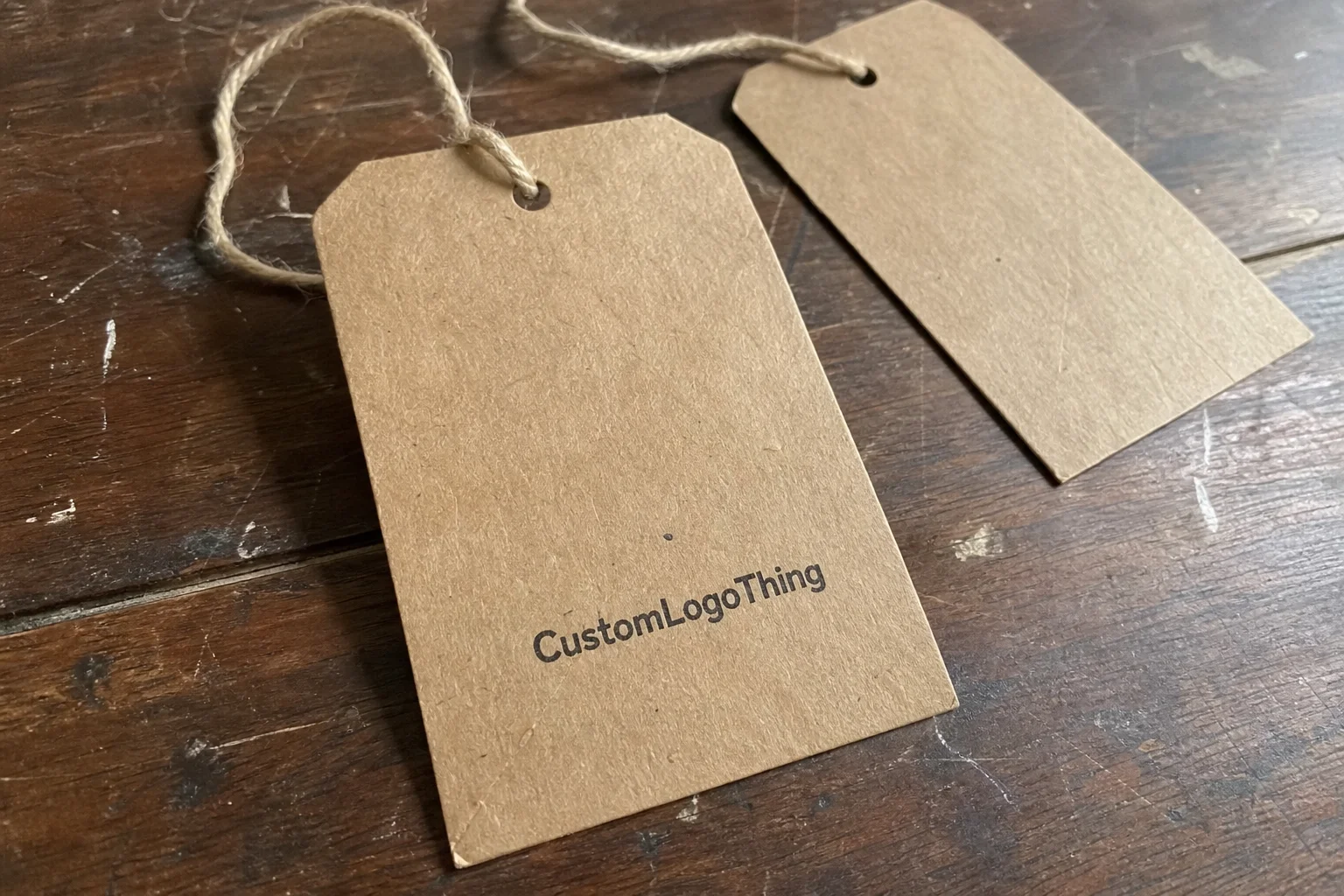
A small soap bar is judged by scent first, then by how the wrapper feels in the hand, how clearly the ingredients are presented, and whether the brand leaves any memory after the bar has been used down to a thin sliver. A wearable beanie extends that memory in a way a paper insert cannot. A practical soap logo patch Beanies Unit Cost Review should look beyond the headline price and examine decoration method, quantity, blank beanie quality, patch material, packaging, freight, proofing, and approval timing.
For buyers already considering an order, the question is not whether custom beanies can promote a soap brand. They can. The sharper question is whether the quoted unit cost reflects a beanie people will actually wear through cold months, pop-up markets, delivery shifts, staff events, and weekend errands. Wearability is the commercial test.
Why Soap Brands Use Patch Beanies as Low-Waste Merch
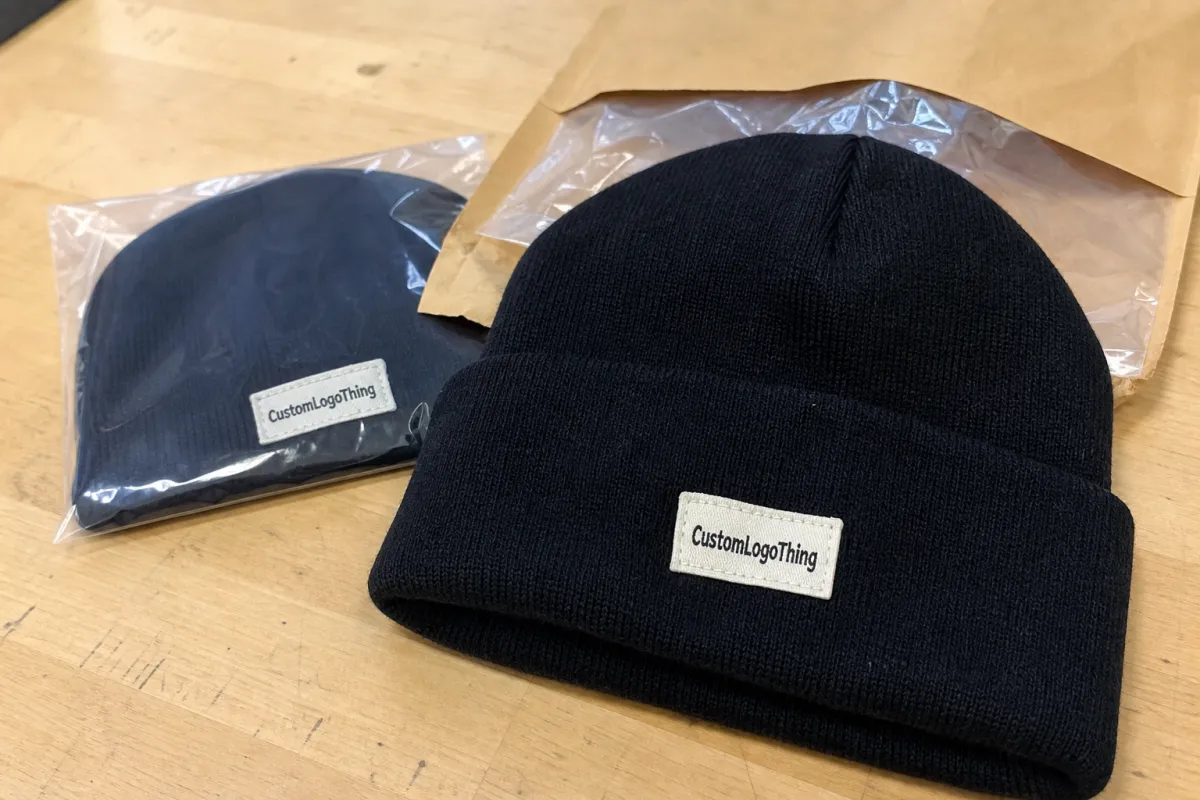
Soap brands often work hard to reduce excess packaging, then lose ground with promotional pieces that are handled once and thrown away. A 3-inch by 5-inch card can explain a discount code or scent story, but its useful life is often measured in minutes. A patch beanie, if the knit feels good and the branding is restrained, can be worn dozens of times during a cold season.
That matters for handmade soap makers, bath brands, apothecaries, farmers market sellers, spa gift shops, and subscription box companies. These buyers need repeat visibility without adding a rigid box, plastic-heavy bundle, or oversized mailer to every order. The U.S. Environmental Protection Agency continues to frame source reduction as a priority in materials management, and low-waste merchandise works best when the item has real utility. A beanie clears that bar better than most disposable promotional pieces. See the EPA’s materials guidance at epa.gov/smm.
Patch beanies also suit soap logos unusually well. Simple marks, botanical icons, circular seals, batch names, ingredient cues, and apothecary-style labels can reproduce cleanly on woven, faux leather, PVC, printed, or embroidered patches. The strongest results usually come from edited artwork: one clear symbol, fewer words, and enough negative space for the logo to read at 2 to 2.5 inches wide.
From a buyer’s point of view, beanies sit in an efficient middle ground. They feel more substantial than a sticker or insert, but they do not require the shelf footprint of a boxed gift set. They can function as staff gear, gift-with-purchase items, holiday bundle add-ons, retail SKUs, or soap-and-beanie kits.
Buyer reality: a beanie worn once a week during a 12-week cold spell produces more lasting brand exposure than a paper insert that leaves the parcel moments after opening.
Soap Logo Patch Beanies Unit Cost Review: What Drives Price
A useful cost review starts with the actual cost centers. The decorated beanie price may include the blank beanie, patch material, patch production, attachment labor, setup charges, digitizing or artwork prep, packaging, freight, and rush handling. Or it may include only some of those items. That difference can make two quotes look 18% apart when they are nearly identical after freight and packing are added.
Patch type can move cost per piece more than the beanie itself. A standard acrylic cuff beanie may sit in a predictable promotional range, while a multi-color PVC patch or detailed embroidered patch adds tooling, stitch time, and extra approval risk. Simple one-color soap logos tend to price efficiently. Detailed botanical illustrations, gradients, tiny serif text, and long fragrance names usually need simplification or a different patch method.
| Cost Driver | Typical Buyer Impact | Practical Review Question |
|---|---|---|
| Blank beanie style | Acrylic cuff styles usually cost less than recycled yarn, wool blends, heavyweight rib knits, or fleece-lined options. | Is the beanie promotional, retail-grade, or premium gift-kit quality? |
| Patch material | Woven and faux leather often price efficiently; PVC, detailed embroidery, and full-color printed patches can add cost. | Does the logo need fine lines, texture, full color, or water resistance? |
| Quantity | Setup charges spread out better at 250, 500, or 1,000 pieces than at 50 pieces. | Can one larger run cover staff, events, resale, and bundles? |
| Packaging | Individual polybags, kraft belly bands, hang tags, carton labels, and kitting add labor and materials. | Will these ship to consumers, sit on a retail shelf, or be handed out at markets? |
| Freight | Carton size, destination ZIP code, service level, and delivery deadline change landed unit cost. | Is the quote showing delivered cost or only factory cost? |
Quantity tiers deserve scrutiny. A 50-piece order and a 500-piece order may use the same logo review, digital proof, and patch setup, but the fixed costs do not behave the same once they are divided across the run. That is why the first meaningful price break often appears after the smallest starter quantity. It is not a mystery discount; it is arithmetic.
Beanie construction matters too. A cuffed acrylic beanie may be the right call for broad promotional use, especially if the order is tied to a winter market or staff uniform program. Recycled yarn, wool blends, specialty rib textures, fleece lining, or a heavyweight knit can raise the price, but they may also support a premium soap line selling $9 to $14 bars, where cheap-feeling merchandise would weaken the brand’s position.
Many buyers focus on factory unit price because it is the easiest number to compare. Delivered unit cost is more useful: total invoice, decoration, setup, packaging, and freight divided by the number of sellable beanies. That is the number that tells the truth.
Patch Materials That Fit Soap Branding and Retail Use
The patch is the label. Soap buyers already know how a label can elevate or flatten a product, and the same principle applies on a cuffed knit surface that stretches, folds, and frames the face.
Woven patches are often the cleanest option for fine line work, small type, ingredient motifs, and tidy apothecary branding. If the logo has a thin lavender stem, a circular seal, or small “handmade soap” wording, woven construction can hold detail better than standard embroidery. It also sits relatively flat, which helps the beanie feel retail-ready instead of bulky.
Embroidered patches bring texture and craft appeal. They fit heritage marks, bold initials, mountain badges, and soap brands that lean into handmade character. The caution is detail loss. Very small letters can fill in, fine botanical lines can become fuzzy, and thread direction may change how curves appear. If the logo relies on delicate contrast, the proof review should flag that before production begins.
Faux leather patches give a premium look without complicated color work. Debossed or laser-engraved effects suit rustic, farm-to-bath, men’s grooming, minimalist, and artisan soap lines. Brown, tan, black, gray, and natural leatherette tones pair well with cream, charcoal, olive, navy, and heather beanies. The result can feel more like a branded retail accessory than a giveaway.
PVC patches work for water-resistant, high-contrast branding. Outdoor soap, gym soap, surf soap, travel bars, and utility-focused personal care brands often benefit from the bolder molded look. PVC can support strong color separation, but small type still has limits. Tooling fees may apply depending on design and supplier setup, so it should be quoted carefully rather than treated as a default upgrade.
Printed patches are useful when artwork has full color, shaded illustrations, mascots, or multi-tone fragrance graphics that thread or debossing cannot hold. They can solve the detail problem, though they may not deliver the same tactile value as embroidery or faux leather.
Shape and placement change perceived value. Rectangular cuff patches are classic and efficient. Centered square labels feel clean. Round seals echo soap labels. Side tabs are understated. Off-center placements can look more fashion-led, especially on fisherman beanies. The cheapest patch is not always the lowest-risk option if the logo loses readability at beanie scale.
Beanie Specifications Buyers Should Confirm Before Quoting
A quote is only as accurate as the specifications behind it. Custom Logo Things should collect the beanie style, knit type, color, cuff height, patch size, patch material, attachment method, artwork file, quantity, deadline, delivery address, and packaging requirements before treating a number as reliable.
For broad promotional use, cuffed acrylic beanies are common because they balance price, warmth, and decoration area. Fisherman beanies suit trend-led retail drops, especially for brands selling through pop-ups or lifestyle shops. Pom beanies can support seasonal gift bundles. Fleece-lined beanies belong in premium winter kits, staff gear for cold outdoor markets, or higher-value wholesale packages.
Logo scale should be discussed in inches, not general preference. A 2-inch patch can feel restrained and premium. A 2.5-inch patch gives more room for small wording. A 3-inch patch can work for staff uniforms or event merchandise, but it may overpower a subtle soap logo on a short cuff. Small design decisions create real cost and wearability consequences.
Color matching needs a practical explanation early. Beanie yarn colors usually come from available stock ranges, so “sage” may mean one of several supplier shades rather than a precise brand standard. Patch colors may get closer to brand guidelines depending on the material and production method. Woven thread, embroidery thread, PVC color, printed ink, and faux leather engraving all behave differently. A buyer who needs strict brand color control should say so before proofing, not after the first sample is made.
Attachment method affects durability. Sewing is common and dependable for woven, embroidered, faux leather, and many PVC patches. Heat application may be appropriate for certain constructions, but not every beanie or patch material is a good candidate. Specialty bonding can work in specific cases, yet repeated stretching and laundering must be considered. A beanie is not a flat carton panel; it moves every time it is worn.
Packaging is not a side note for soap brands. Individual polybags protect the beanie in transit. Kraft belly bands can align with natural product positioning. Hang tags help resale. Carton labeling matters for wholesale or market events. Kitting can combine one beanie with two bars, a soap saver, and a small insert card, but that requires labor, carton planning, and clear packing instructions.
MOQ, Quote Inputs, and How to Compare Unit Cost Fairly
MOQ means minimum order quantity, the lowest quantity that can be produced economically for a given custom beanie and patch setup. It can differ by beanie style, patch material, decoration process, supplier inventory, and packaging request. A stock acrylic cuff beanie with a woven patch may have a different MOQ than a fleece-lined specialty knit with a molded PVC patch.
Quote inputs should be specific. Send the quantity, logo file, patch preference, beanie color, delivery location, target in-hand date, packaging requirements, and whether a physical sample is needed. Vector artwork is preferred because it gives production teams cleaner line control. A low-resolution PNG from a website can be reviewed for direction, but it may not be enough for final patch production.
Two quotes are often not comparable. One may include setup charges, freight, sampling, carton labels, and individual bagging. Another may list only the decorated beanie unit price. That second number can look better until the invoice expands. A serious soap Logo Patch Beanies unit cost review separates decorated unit price from landed unit cost, then compares both.
Landed unit cost is simple: total invoice plus freight divided by the number of sellable beanies. If 300 beanies cost $2,250 delivered, the landed cost is $7.50 each. If retail tags, belly bands, or kitting add $0.35 to $0.85 per unit, that belongs in the same calculation. Buyers planning resale should also account for damaged samples, staff allocation, photography units, and display pieces that will not be sold.
Ask for tiered bulk pricing at practical quantities. A starter run might be 50 or 100 pieces. An event run might be 250. A wholesale or subscription-box run might be 500 or 1,000. The goal is not to buy more automatically. The goal is to see where the cost curve changes. Sometimes the jump from 100 to 250 pieces lowers the landed cost enough to justify the inventory. Sometimes freight, storage, or cash flow says no.
False savings are expensive. A beanie that pills quickly, stretches out, or carries an unreadable patch can damage a premium soap brand faster than a slightly higher cost per piece. That is especially true for companies selling on scent quality, ingredient transparency, and giftability. Cheap merchandise can contradict the promise printed on the soap label.
Production Steps, Timeline, and Approval Checkpoints
The standard process is linear for a reason: inquiry, quote review, artwork check, patch method recommendation, digital proof, optional sample, production approval, decoration, quality control, packing, and shipment. Skipping steps may save two days early and cost ten days later if the patch is wrong.
Timeline depends on artwork readiness, patch complexity, blank beanie availability, quantity, sampling requirements, and shipping distance. Production time and in-hand date are not the same thing. Production time starts after proof approval and any required payment terms are satisfied. In-hand date includes transit, receiving, and any internal distribution before a market, staff event, launch, or subscription-box packing date.
Common delays are predictable. Low-resolution logos need cleanup. Late color changes require a revised proof. Unapproved proofs stop production. Switching from woven to faux leather after quoting resets the assumptions. Adding hang tags or kraft bands after production begins can disrupt packing. None of these problems are unusual, but ordinary problems still miss deadlines.
Buyers should review the proof with care. Check patch size, logo placement, beanie color, thread or material color, spelling, orientation, and the readability of small text. If the proof shows a 2.5-inch patch on a cuff, ask whether that size reflects the actual beanie style. A logo floating on a blank white page does not answer the wearability question.
Quality control should cover more than whether the logo is present. Check that the patch is centered or intentionally offset, the stitching is secure, the cuff is not distorted, loose threads are trimmed, colors match the approved proof within the limits of the chosen material, and packing follows the order instructions. For retail or wholesale use, carton counts and labeling also matter; a beautiful beanie packed in confusing cartons still creates work at receiving.
For shipping and handling expectations, buyers with retail or wholesale distribution can also look at test standards from the International Safe Transit Association at ista.org. A beanie is soft, but kits that combine beanies with soap bars still need carton planning so bars do not dent, sweat, rub against rough packaging, or pick up textile odors during transit.
Custom Logo Things is most useful when it flags decoration risk before manufacturing. That may mean recommending a woven patch over embroidery, simplifying tiny text, increasing the patch by 0.25 inch, or moving the artwork away from a cuff seam. A clear pre-production warning is cheaper than a box of beanies that almost works.
Ordering Without Cost Surprises
Start with a tight ordering brief. Choose the beanie style. Select two acceptable beanie colors in case the first shade has limited stock. Upload vector artwork if available. Choose a preferred patch type, or ask for a recommendation based on the logo. Estimate quantity. Provide the delivery ZIP code and target in-hand date.
- Decide whether the beanies are for resale, staff uniforms, gift-with-purchase campaigns, subscription boxes, wholesale bundles, or event giveaways.
- Request tiered pricing so the cost curve is visible at a starter run, event run, and larger wholesale run.
- Ask whether setup charges, tooling fees, packaging, sampling, and freight are included or listed separately.
- Review a proof that shows actual patch size on the selected beanie style, not just artwork on a blank page.
- Work backward from the in-hand date and leave buffer for proof revisions, freight variability, and internal approvals.
Use case drives specification. A staff beanie can prioritize durability and easy logo recognition from several feet away. A resale beanie needs retail finish, attractive tagging, and a margin target. A subscription-box beanie needs consistent packing size and predictable carton counts. A gift-with-purchase beanie may need a lower unit cost, but it still has to look credible beside the soap.
For planning, standard cuff beanies with efficient patches usually price far better at mid-range quantities than at very small runs because fixed setup work spreads out. That does not mean the cheapest tier is the best tier. It means the buyer should evaluate delivered cost, expected use, inventory risk, and brand fit together.
A final practical detail: get the destination right. Freight can swing a quote more than expected when cartons move across zones, require tight delivery windows, or ship close to an event date. If the beanies need to reach a warehouse, market venue, co-packer, or subscription-box facility, that destination belongs in the first quote request.
Use this soap Logo Patch Beanies unit cost review as a working brief for requesting a clean, comparable quote from Custom Logo Things. The right quote should show what is included, what can change, where the logo may need adjustment, and how the final landed unit cost supports the way the beanies will actually be used.
FAQ
What affects soap logo patch beanies unit cost the most?
The biggest variables are order quantity, patch material, beanie style, logo complexity, setup requirements, packaging, and freight. A simple woven or faux leather patch on a standard cuff beanie usually prices more efficiently than a complex multi-color patch on a specialty knit. Always compare landed unit cost, not just the decorated beanie price.
What is the best patch type for a handmade soap logo beanie?
Woven patches are strong for fine lines, small lettering, and apothecary-style marks. Faux leather patches suit rustic, premium, farm-made, or minimalist soap brands. PVC or printed patches work better when the logo uses bold color, illustrated artwork, or outdoor-oriented branding.
What MOQ should soap brands expect for custom patch beanies?
MOQ depends on the beanie style, patch method, and supplier inventory, so buyers should request a current quote before planning a launch quantity. Smaller runs can work for markets, gift sets, or staff use, but larger runs usually reduce setup cost per unit. Ask for tiered pricing so the decision is based on the actual cost curve.
How long does production take for soap logo patch beanies?
Timeline depends on artwork approval, patch complexity, blank availability, quantity, sampling, and shipping method. Production time should be measured from proof approval, not from the first inquiry. Buyers with a launch, trade show, or holiday bundle should build in approval and transit buffer.
Can Custom Logo Things help review my logo before quoting beanies?
Yes, artwork review is part of building an accurate quote and avoiding decoration problems. Vector files are preferred, but the team can advise if a logo needs simplification for patch production. A proper review should confirm patch size, material, color, placement, readability, and packaging requirements.