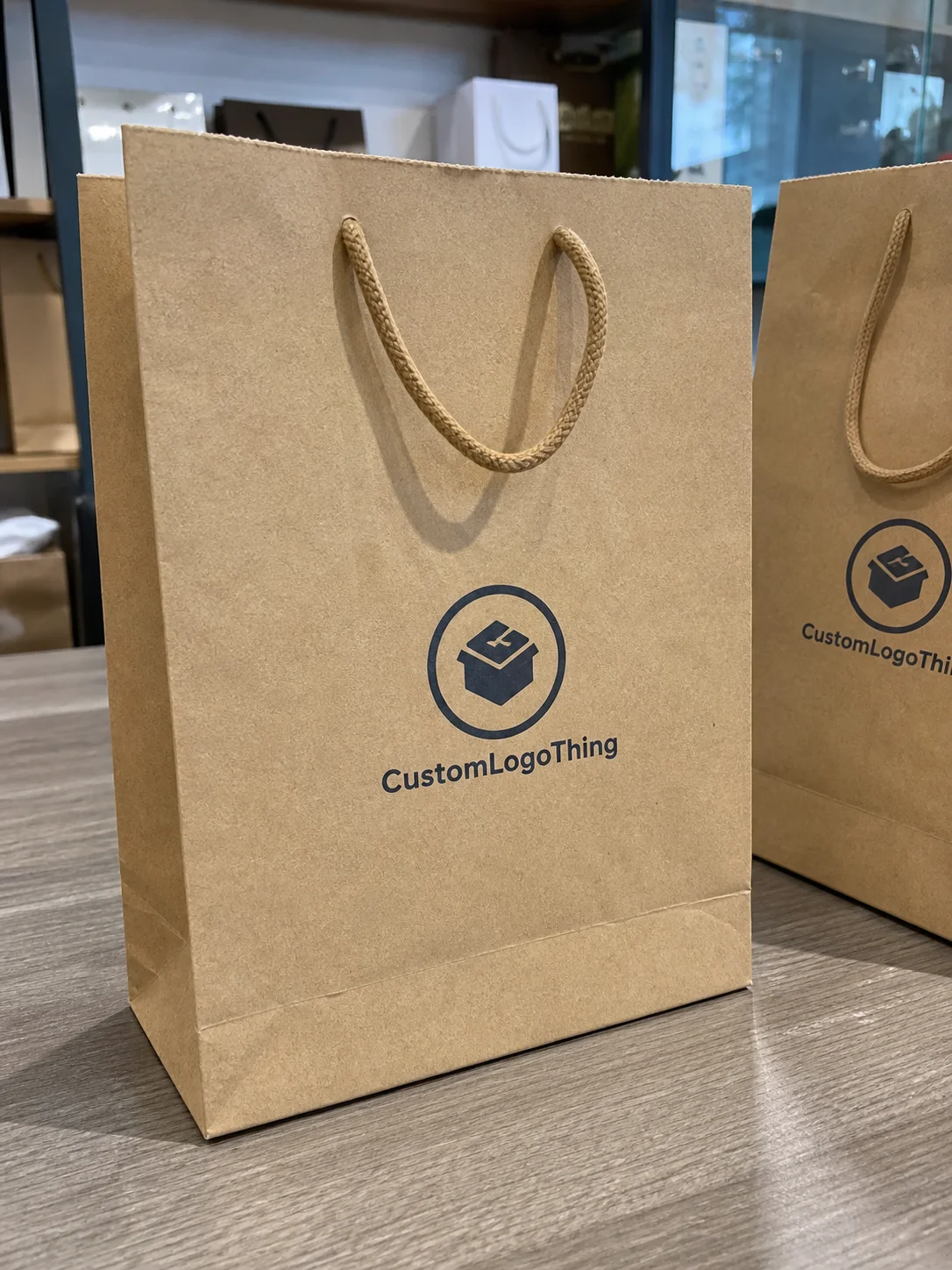
For a home fragrance brand, a printed poly mailer quote is only useful if it reflects the full shipping job. The bag price is just one part of the equation. Film gauge, print coverage, adhesive quality, freight, and the level of protection needed for glass jars, sample vials, and boxed sets all affect the real landed cost.
That is where many buyers get tripped up. A mailer that looks cheap on paper can become expensive if it tears, prints poorly, or forces extra inserts and protection. For candles, reed diffusers, wax melts, and bundled fragrance kits, the mailer has to protect the product, present the brand cleanly, and stay inside a workable pack-out budget. If one of those pieces is weak, the packaging stops being efficient.
This review focuses on the factors that actually move unit cost. The goal is to compare Printed Poly Mailers as working shipping components, not just branded envelopes. For teams also reviewing custom poly mailers and other Custom Poly Mailers, the same principle applies: the best quote is the one that matches the shipment.
Home Fragrance Printed Poly Mailers Unit Cost Review: What Drives Price
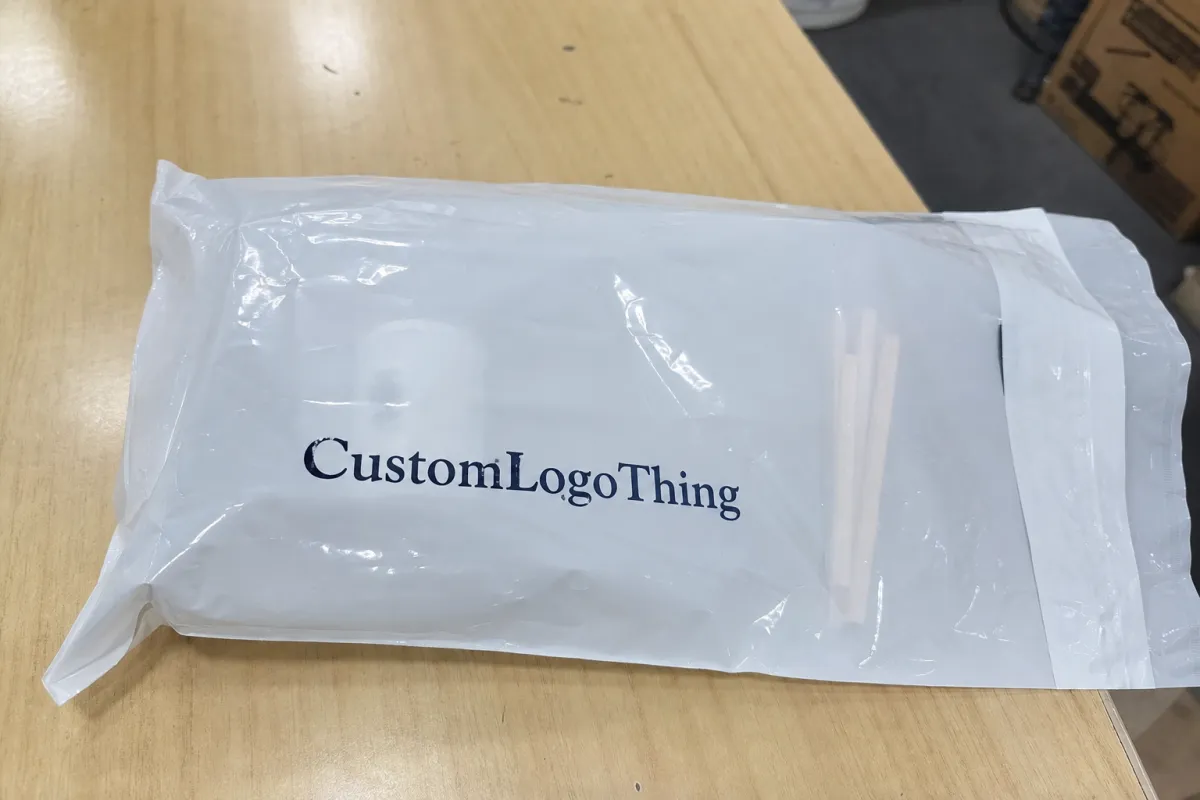
The first mistake is treating every printed mailer as interchangeable. A stock-size bag with a one-color logo is a different product from a heavy-gauge, full-bleed mailer built for fragile fragrance packaging. Material usage, press time, setup charges, spoilage allowance, and freight weight all move the price.
Home fragrance packaging also sits in a middle zone. A candle in a rigid carton may ship safely in a lighter mailer. A diffuser set with loose parts may need more structure. A wax melt bundle may be fine in a thin bag, while a glass jar without internal protection is exposed to damage. The mailer is carrying more than a logo; it is carrying breakage risk, presentation risk, and customer-service risk.
The better question is not, "What does one mailer cost?" It is, "What level of protection does this shipment need, and what branding can the budget support?" Once those answers line up, quotes become easier to compare.
A lower piece price is not automatically a lower packaging cost. If the mailer fails in transit, replacement product, reship labor, and customer complaints erase the savings fast.
For a practical reference on shipping stress, ISTA test protocols help frame drop, vibration, and handling conditions. The EPA recycling resources are also useful when a team is checking what material claims mean in a target market. Neither replaces supplier specs, but both keep the conversation grounded.
Mailer Construction That Protects Fragrance Shipments
A printed poly mailer should be treated as a packaging component, not just a branded envelope. The outer print surface carries the identity. The film layer provides strength, opacity, and moisture resistance. The closure and seams determine whether the package stays shut after parcel handling, machine sorting, and stack pressure in transit.
For home fragrance brands, the mailer is often the first physical contact point. A refill pack, holiday bundle, or sample set reaches the customer before the product is even opened. If the mailer is neat, opaque, and well printed, it supports the premium story. If it arrives scuffed or torn, the damage starts early.
Printed Poly Mailers make the most sense when the product is light enough to ship without a carton and the pack-out can stay simple. They work well for flat accessories, soft inserts, sample packs, and some boxed fragrance items. They are less suitable for loose glass, oversized vessels, or mixed sets with high crush risk. In those cases, a carton or rigid mailer usually offers better protection even if the unit cost is higher.
- Best fit: flat fragrance accessories, sample bundles, soft inserts, and lower-risk boxed sets
- Possible fit: candles or diffusers already protected in an inner carton
- Less suitable: loose glass components, oversized vessels, or items with sharp corners and high crush risk
There is a sustainability angle too, but it needs to be handled carefully. A lighter mailer can reduce shipping weight compared with corrugated packaging, though the actual environmental picture depends on the film structure, recycled content, and local collection rules. If a brand wants a recyclable or recycled-content claim, the spec should be written clearly and verified before purchase.
Film Gauge, Seal Strength, and Print Coverage Specifications
If the goal is an accurate quote, the spec sheet has to be specific. Film thickness, usable dimensions, adhesive strip quality, seam strength, and print layout all affect both performance and price. A supplier can only price correctly when those variables are fixed, and a buyer can only compare bids fairly when every supplier is quoting the same structure.
Film gauge is one of the quickest ways to move both cost and protection. A lighter film lowers material usage, but fragrance items with corners, inserts, or denser boxed components often justify a heavier gauge. In many standard applications, buyers will see material around 2.5 mil to 4 mil. Heavier builds may go beyond that if puncture risk is higher or if the mailer needs a more substantial feel. The added cost is usually modest per piece, but it accumulates across volume.
Seal strength deserves the same attention. The adhesive strip should close cleanly and hold under handling. Side seams need to stay intact during packing and parcel movement. Weak seals lead to damaged items, rejects, rework, and late shipments. It is common for buyers to focus on print first and discover too late that the closure point is the real problem.
Print coverage changes both aesthetics and cost structure. A centered logo is usually easier to run than a full-bleed design. Two-sided graphics, large solid color fields, white underlays, and artwork that needs tight registration all increase setup time and press control. Special finishes add more pressure to the budget. A matte look can be worth it, but it should be treated as a premium choice rather than an assumed upgrade.
A practical way to compare specs is to break them into the points below:
| Spec | Lower-Cost Choice | Higher-Protection Choice | Cost Impact |
|---|---|---|---|
| Film thickness | Standard gauge | Heavier gauge for sharper or denser items | Moderate rise in material cost |
| Print coverage | One-color logo | Full-coverage branded artwork | Setup charges and press time rise |
| Seal style | Basic adhesive strip | Stronger tamper-resistant closure | Small to moderate increase |
| Dimensions | Stock size | Custom fit for exact pack-out | Tooling fees may apply |
Opacity is another detail buyers often underestimate. If the contents show through the film, the package can look less polished and may raise practical concerns about theft or label readability. For fragrance shipments, that can be enough reason to move to a more opaque structure. The printed surface should also stay clean under scuffing so the branding does not look worn before arrival.
Pricing, MOQ, and Unit Cost Breakpoints
Cost changes with size, gauge, print method, color count, and order quantity. Freight belongs in the calculation too. A small carton of mailers may not seem significant until it is palletized and moved across regions, where landed cost starts to matter.
MOQ is usually the biggest reason a quote looks high or low. Short runs carry the same setup burden as larger runs, but that burden is spread across fewer pieces. Larger orders lower the unit price because setup is diluted over more bags. That is why a launch order often costs more per unit than a stable replenishment program.
For home fragrance programs, the following price bands are useful as working benchmarks, not guarantees. Market conditions, raw material swings, freight mode, and print complexity can shift them.
| Order Type | Typical Spec | Indicative Unit Cost | Notes |
|---|---|---|---|
| Small launch run | One-color logo, stock size, standard gauge | $0.22-$0.40 | Higher cost per piece because setup is spread over fewer units |
| Mid-volume order | Two-color branding, moderate gauge, custom size | $0.14-$0.26 | Better balance of presentation and bulk pricing |
| High-volume program | Full-coverage print, optimized dimensions, repeat production | $0.09-$0.18 | Lower unit cost, but artwork and spec must be locked early |
Three breakpoints tend to matter most in actual buying decisions.
- Artwork complexity: simple logos are easier than multi-color art with white knockouts, gradients, or layered elements.
- Size changes: stock dimensions are cheaper to source, while a custom fit may improve pack-out efficiency and reduce wasted space.
- Film upgrades: thicker material improves handling resistance, but it adds material cost across the entire run.
Another common mistake is quoting against the wrong pack-out. A mailer that works for a single candle sample may be wrong for a boxed vessel set or a diffuser with insert cards. If the bag is under-specified, the savings disappear in claims and reships. If it is overbuilt, the brand pays for protection it does not need. The sweet spot is a spec that matches the product, not the first guess.
For a wider packaging program, it can help to compare how the mailer fits beside inserts, labels, and other shipping materials in the Custom Packaging Products catalog.
Production Steps and Lead Time for First Orders
The first order almost always takes longer than a reorder. That is normal. The sequence usually runs through quote, artwork proof, prepress review, material confirmation, production, and shipment. Delays tend to happen between steps, not during the actual machine run.
First, the buyer sends the size, quantity, artwork, and intended use. Then the supplier checks whether the design fits the format, whether the color count is realistic, and whether the film and seal spec match the product. Once the proof is approved, production can begin. If the project needs a new size, a unique structure, or tighter print registration, the timeline stretches.
A realistic first-order schedule often looks like this:
- Artwork review and proofing: 1-3 business days, longer if files need cleanup
- Spec confirmation: 1-2 business days, depending on film and sizing questions
- Production: often 12-15 business days after final approval for straightforward orders
- Freight and delivery: depends on destination, shipment size, and transport mode
Repeat orders move faster because the color targets, dimensions, and closure details are already set. Still, a reorder should never be treated as a no-check zone. Bottle shapes change, insert weights change, and a small shift in the fragrance line can alter how the mailer performs.
If lead time matters, send complete information at the start: final artwork, finished dimensions, target quantity, and ship-to date. Missing details slow the process more than most buyers expect.
For brands that want stronger shipping validation, ISTA-style thinking is useful before moving into volume. The goal is not to build a lab program for its own sake. It is to understand whether the mailer is expected to survive normal parcel handling, machine packing, or a heavier insert load.
How We Keep Color, Seams, and Reorders Consistent
Quality control is where value becomes visible. Seal lines, print registration, color matching, and film consistency all shape how the finished mailer reads in the customer’s hand. If one of those elements slips, the package may still function, but it will not look controlled.
Color is especially sensitive in home fragrance because the mailer often sits beside candles, glass vessels, and display pieces with strong visual expectations. A reorder that drifts in tone or finish can make a product family look mismatched, even if the logo is technically the same. That is why physical proofs and clear color targets matter.
Proof approval should be treated as a control step, not a box to tick. If the artwork is complex or the brand color is sensitive, ask for a physical proof or a clear Pantone target before production begins. That extra step reduces rework and prevents a lot of awkward explanations later.
Consistency depends on production discipline too. When the specification is stable, the manufacturer can repeat the same result with fewer surprises. That means better reorders, fewer interruptions, and less time spent rebuilding the same job from scratch. For a growing fragrance line, that kind of predictability is worth more than it looks on paper.
Teams often focus on the mailer itself and forget the larger presentation. Customers notice a coherent system. If candles, diffusers, and accessory kits all ship with the same level of care, the brand feels deliberate. If every order looks like it came from a different process, the presentation starts to feel improvised.
What to Send Before You Request a Quote
If you want a useful Unit Cost Review, start with the real pack-out. The best quotes come from exact information, not a loose estimate. That means finished bag size, target quantity, artwork files, color expectations, and the specific fragrance SKUs being shipped.
The weight and shape of the product matter too. A lightweight candle sample does not need the same structure as a full-size vessel or a bundled diffuser kit. If the order includes inserts, note that. If there are multiple sizes for candles, wax melts, and accessories, spell those out separately. The spec and the price both change.
Before comparing numbers, ask for a line-by-line quote that separates the real cost drivers:
- Material: film gauge, opacity, and finish
- Printing: number of colors, one-side or two-side print, and coverage level
- Setup: plates, tooling fees, and prepress charges if applicable
- Quantity: MOQ and bulk pricing tiers
- Freight: shipping mode and landed cost
That format keeps the conversation honest. It also makes it easier to see whether a low quote is really low, or whether it simply removed the strength, fit, or print quality the brand actually needs. In many cases, the smartest comparison is not cheapest versus expensive. It is standard spec versus reinforced spec, so the buyer can see exactly what the extra cents buy.
A clean quoting process also improves reorders. Once dimensions, color targets, and sealing details are locked, the next purchase moves faster and with fewer surprises.
For fragrance brands trying to build a consistent packaging system, the mailer should support the product, the brand, and the budget together. A strong quote reflects the actual structure, the actual shipping risk, and the actual production path.
What affects home fragrance printed poly mailer cost the most?
The biggest drivers are bag size, film thickness, print coverage, number of colors, and order quantity. Freight and packaging style also matter, especially when the mailer has to protect heavier fragrance items or bundled inserts.
What MOQ should I expect for printed poly mailers for fragrance products?
MOQ depends on size, artwork complexity, and whether the mailer is stock or fully custom. Higher quantities usually lower the unit price because setup costs are spread across more bags.
Can you match brand colors on home fragrance mailers?
Yes, but accuracy depends on the print method, artwork quality, and approved color references. A physical proof or a clear Pantone target helps reduce variation before production starts.
How long is the lead time after artwork approval?
Lead time is usually counted from final proof approval, not from the first quote request. Simple repeat orders move faster than new jobs because prepress and color checks are already established.
What files do you need for an accurate printed poly mailer quote?
Provide final dimensions, quantity, logo or artwork files, color count, and any special finish or seal requirements. If you are shipping fragile fragrance items, include weight and insert details so the spec matches the real pack-out.