Tea Ribbed Winter Beanies Unit Cost Review for Buyers
A useful tea ribbed winter beanies Unit Cost Review starts with sell-through, not with color preference. Tea shades feel refined, pair easily with common winter outerwear, and usually sit well in mixed assortments where buyers need one accessory to work for many customer types. That lowers the risk of overbuying into a seasonal color that looks exciting in a mockup but slows down on shelf.
Ribbed construction adds practical value. A good rib knit stretches more comfortably, recovers better after wear, and helps a one-size style work across a wider range of heads. For buyers, that can reduce fit complaints and make reorder decisions easier. The real question is whether the beanie is easy to wear, easy to decorate, and easy to replenish without constant spec changes.
Why tea ribbed winter beanies sell before the cold hits
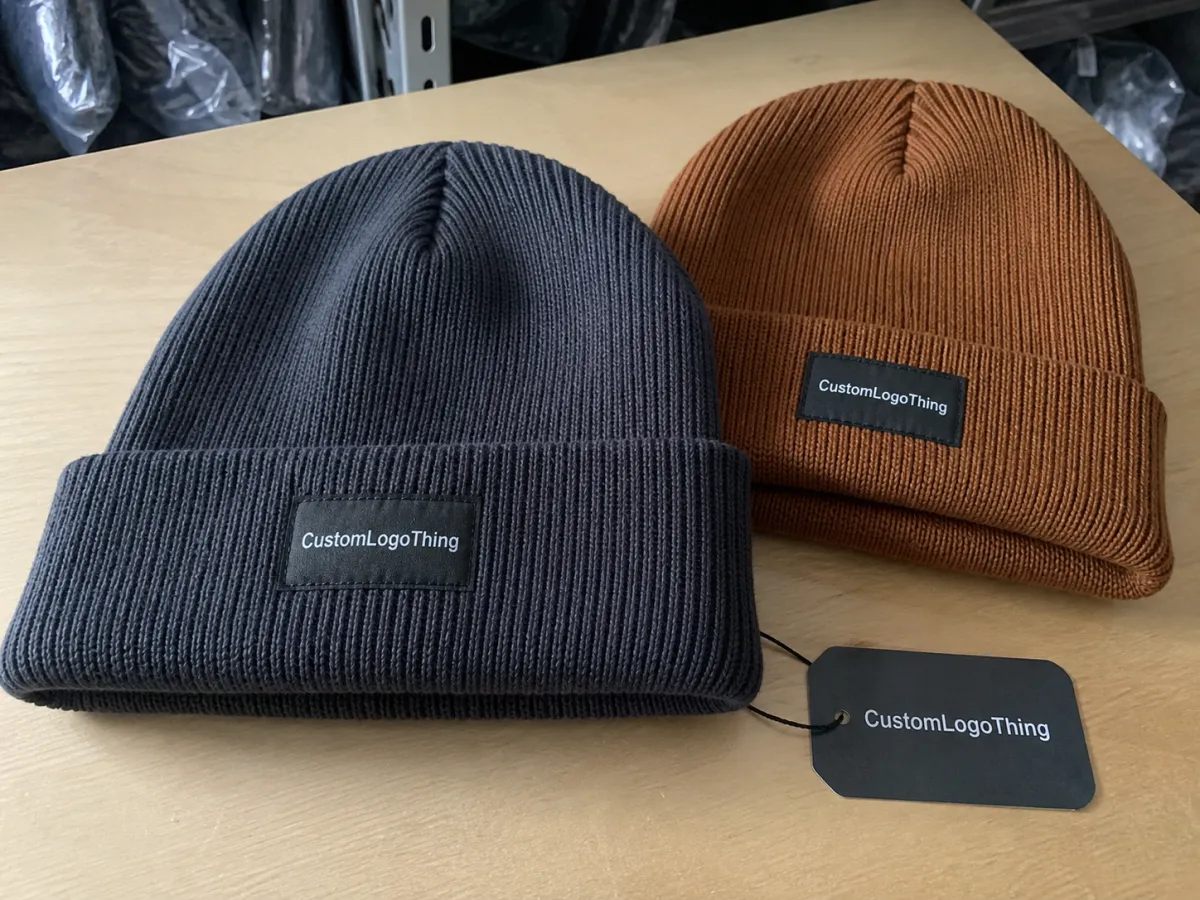
Tea ribbed winter beanies sit in a reliable middle zone. They are neutral enough for broad retail appeal, but distinct enough to feel intentional in a merch program. The tea tone works with black coats, navy parkas, camel layers, and bundled gift sets, which is why this style shows up in retail, corporate gifting, campus programs, and sports accounts.
That versatility matters because it gives the buyer more than one exit path. A beanie that can be used in a retail fixture, a staff pack, or a holiday gift box is easier to place if one channel slows down. In a tea ribbed winter Beanies Unit Cost review, that flexibility often matters more than a small difference in base price.
From a margin perspective, neutral winter accessories are often safer than trend-led colors. Loud seasonal shades may spike quickly and then stall, while a restrained tea color can keep moving through the colder months. Buyers are not just choosing a look; they are choosing how much inventory risk they want to carry.
Common buyer scenarios include:
- Retail programs that need a neutral winter accessory with broad appeal
- Corporate gifting kits where the beanie must look more premium than promotional
- Sports and campus orders that need one-size fit and repeatable branding
- Holiday bundles that depend on a low-risk item with predictable replenishment
Material, rib depth, and fit details buyers should check
The first spec to confirm is the yarn blend. Acrylic is usually the baseline for value-focused winter headwear because it keeps cost under control, holds color well, and works cleanly for most decoration methods. Recycled polyester can support sustainability briefs and may feel smoother, while wool-mix options improve warmth and hand feel but push the price up. Those differences also affect pilling, wash behavior, and overall retail perception, so the sample should be worn and handled, not just viewed.
Rib depth changes fit more than many buyers expect. A deeper rib generally stretches more comfortably and recovers better, which helps the hat feel forgiving across different head sizes. A shallower rib can look cleaner in photography, but it may not feel as easy to wear. Cuff height matters too: a taller cuff gives more room for embroidery and branding, while a shorter cuff can look more minimal but reduces decoration space.
Crown shaping, seam finish, and yarn thickness should also be checked before approval. A ribbed beanie with a bulky seam can still be acceptable if the finish is neat, but loose stitching or an uneven crown can make the product feel less retail-ready. Buyers should ask for measurement tolerance, not just a nominal size, because a few millimeters can affect fit and consistency across a bulk run.
Before approving bulk pricing, ask for:
- Fiber content and yarn weight
- Rib depth and cuff height
- Seam type and crown finish
- Color reference, not just a text description
- Fit notes across at least two head sizes
Tea shades deserve extra attention because they can shift warmer, cooler, or browner depending on dye lot and yarn source. Screen images are not enough if the buyer needs a specific tone. Physical swatches or lab dips are safer, especially when a program depends on repeat orders or matched outerwear. This is one of the main reasons sampling belongs early in the process.
Decoration methods that stay sharp on ribbed knit
Embroidery is usually the most balanced option for ribbed knit because it combines durability, familiar cost, and straightforward production. It works especially well when the logo is simple and the stitch count stays moderate. The main limitation is detail: highly intricate art can get crowded on a cuff that stretches as it is worn.
Woven patches are a better fit when the artwork needs sharper edges or more color separation. They preserve detail better than direct stitching and reduce some of the distortion that ribbing can create. The tradeoff is proportion. If the patch is too small, it becomes hard to read; if it is too large, the beanie starts to look over-branded.
Leather, TPU, and woven labels skew more premium and can work well for fashion-led accounts or restrained branding. They often bring extra setup or tooling charges, especially when the shape is custom. Buyers should expect those costs to appear in the quote, not as an add-on after approval.
On ribbed fabric, low-contrast thread colors and tiny text are risky. A proof may look fine on a flat screen and then disappear once the knit stretches on head. The safest approval is a mockup that shows the logo at actual size on the exact placement. That small step avoids a lot of production mistakes.
“If the logo needs a ruler to read, it is already too small for ribbed knit.”
The right decoration choice is not just about appearance. It affects wear life, repeat order consistency, and how the logo behaves after the fabric has been pulled on and off several times. That matters for winter accessories because they are handled constantly.
Tea ribbed winter beanies unit cost review: MOQ, bulk pricing, and landed cost variables
A serious tea ribbed winter beanies Unit Cost Review should separate the quote into parts. Base knit cost is only one piece. Quantity, yarn blend, decoration method, packaging, and setup charges all affect the final number. Buyers often focus on the headline unit price and ignore the rest, which is how a cheap-looking order becomes expensive once it reaches the dock.
MOQ is usually the first constraint. A stock tea color with simple embroidery may allow a lower minimum, while a custom tea shade, special label, or woven patch can raise it. Every added variable creates setup work that has to be spread across more units. The same logic applies to bulk pricing: as the run gets larger, the cost per piece usually falls, but only if the design stays stable.
| Option | Typical MOQ | Indicative cost per piece | Setup or tooling notes |
|---|---|---|---|
| Stock tea color, embroidery | 200-300 pcs | $4.20-$6.10 | Digitizing may add $35-$75; low setup burden |
| Custom tea shade, embroidery | 300-500 pcs | $4.80-$7.20 | Color matching may require lab dips and approval rounds |
| Stock tea color, woven patch | 300-500 pcs | $5.10-$7.80 | Patch setup often adds tooling fees of $45-$120 |
| Premium label package | 500+ pcs | $5.60-$8.40 | Retail tags, woven labels, or custom packaging can raise landed cost |
These are working ranges, not guarantees. A wool-mix yarn, complex patch, or retail-ready packaging can move the numbers quickly. Freight changes the picture too. Two suppliers can quote the same unit price and still produce very different landed costs once shipping, duties, carton counts, and split deliveries are added. For a buyer managing margin, landed cost is the number that matters.
Sample fees and production fees are also worth separating. A sample is usually a modest one-time cost, but it protects the bulk order from expensive mistakes in color, logo placement, and fit. That protection becomes more valuable as order size increases. A bad sample is inconvenient; a bad bulk run is a budget problem.
If the program includes mailers, hangtags, or retail cartons, the packaging spec should be quoted separately. For paper-based inserts or boxes, FSC-certified stock from FSC may matter to procurement teams. For transit testing, especially if the order will move through multiple warehouses, ISTA procedures are a better benchmark than guessing how the cartons will hold up. The lowest unit price is not always the best total value.
Sampling, production steps, and turnaround expectations
Fast orders are usually the result of clear approvals, not rushed knitting. The workflow should be visible from the start: request, quote, mockup, sample approval, bulk production, decoration, quality check, packing, and shipment. When each step is defined, buyers can see where delays are likely to happen before they become expensive.
The most common schedule problems are avoidable. Missing artwork, vague PMS references, late logo changes, and uncertain in-hand dates slow everything down. A supplier can knit efficiently, but it cannot guess what “close enough” means for a tea color or a logo border. Clear inputs lead to better turnaround.
Stock yarn and simple embroidery usually move faster than custom-knit or multi-step finishing jobs. A realistic timeline for a standard order is often 12-15 business days from sample approval, with more time needed for custom colors, label programs, or multiple shipping destinations. Transit time sits on top of that, so buyers should separate production days from freight days when planning the calendar.
The practical rule is simple: lock the in-hand date first, then work backward. If the beanies are for a launch, holiday box, or event kit, approval dates should be secured early. A rush order with unclear specs is rarely cheaper than a planned one.
Production checkpoints worth confirming:
- Artwork approval and stitch file confirmation
- Color standard and swatch sign-off
- Fit approval on the sample
- Final carton count and packing method
- Ship date, transit method, and receiving window
“A sample that is 2 mm off is not a small problem when you need 5,000 identical units.”
That is especially true when the order is tied to a live sales calendar. The difference between on-time and late is often not the factory floor. It is the number of approval rounds allowed before production starts.
How to keep repeat orders consistent across seasons
Repeat orders are where margin gets protected. If the artwork file, approved swatch, stitch settings, and packaging spec are saved cleanly, the next run becomes easier to quote and faster to produce. That reduces risk for the buyer and helps the supplier keep the same look from one season to the next.
Color control matters more on neutral shades than buyers often expect. Tea tones can drift slightly warmer or cooler from lot to lot, and that shift is visible on a shelf even when it looks minor on a screen. A master reference sample solves that better than memory does. If the buyer wants the same result next season, the saved swatch is part of the record.
Quality checks should be specific: measurement tolerance, seam consistency, logo placement, thread tension, and final hand feel. Each one affects how the product reads in person. A beanie with a slightly uneven cuff or loose embroidery may still be wearable, but it does not feel as premium. In bulk programs, that difference shows up in reorder rates as much as in complaints.
Packaging consistency matters too. If the first run ships in a polybag with a paper insert and the reorder arrives in a different format, the item can look mismatched even if the beanie itself is correct. Packaging should be treated as part of the product spec, not as an afterthought. A clean archive of art, carton labels, and approved photos also saves time on the next quote.
A responsive production partner helps when small issues appear. A visible update before a problem spreads is worth more than a polished apology after the deadline is missed. Winter windows are short, so buyers need information early enough to act on it.
What to send for a fast quote and next steps
For a usable quote, send five things first: target quantity, preferred tea shade, logo file, decoration method, and in-hand date. Those details usually unlock pricing that reflects the real order instead of a placeholder estimate. Without them, the quote may look attractive but change once the actual spec is added.
It also helps to ask for two or three pricing tiers. Comparing 250, 500, and 1,000 units shows how much the unit cost drops as production gets more efficient. That comparison often matters more than the headline quote, because it can reveal whether moving volume forward is worth it.
Shipping location and packaging should be confirmed before approval. A quote without freight assumptions can look low for the wrong reason. Buyers who need delivery to more than one location should say so upfront, because split shipments change carton counts, labeling, and transit cost. The most accurate tea ribbed winter beanies Unit Cost Review is the one that includes the real destination, not just the factory gate.
For brands that care about presentation, final approval should use the approved sample, locked artwork, and delivery deadline together. Those three items keep the order from drifting. If one of them changes, the quote should change too.
Send the spec cleanly, compare the tiers, and confirm the order before production starts. That is the difference between a winter accessory that sells through and one that just fills a carton.
What drives tea ribbed winter beanies unit cost the most?
Quantity is usually the biggest lever because higher volume spreads knitting, setup, and decoration costs across more units. After that, yarn blend, decoration complexity, and packaging style have the biggest impact on pricing.
What is a realistic MOQ for tea ribbed winter beanies?
MOQ depends on whether the order uses stock yarn, a custom tea shade, or a decoration method that needs extra setup. Stock-color embroidered runs can stay relatively low, while custom labels, patches, or special packaging usually push the minimum higher.
How long does production take after artwork approval?
Simple stock-color orders with embroidery usually move faster than custom-knit or multi-step finishing jobs. Buyers should also separate production time from transit time, because shipping method can add several days or more to the calendar.
Which decoration works best on tea ribbed winter beanies?
Simple embroidery is usually the safest choice for durability and cost control on ribbed knit. Woven patches work well when the logo needs finer detail, but the placement has to stay large enough to read clearly on stretch fabric.
What information speeds up a tea ribbed winter beanies quote?
Send quantity, color target, logo file, decoration choice, shipping ZIP, and required in-hand date so pricing reflects real production and freight costs. If you also request tiered pricing and sample options, the tea ribbed winter beanies unit cost review becomes faster, cleaner, and more accurate.

