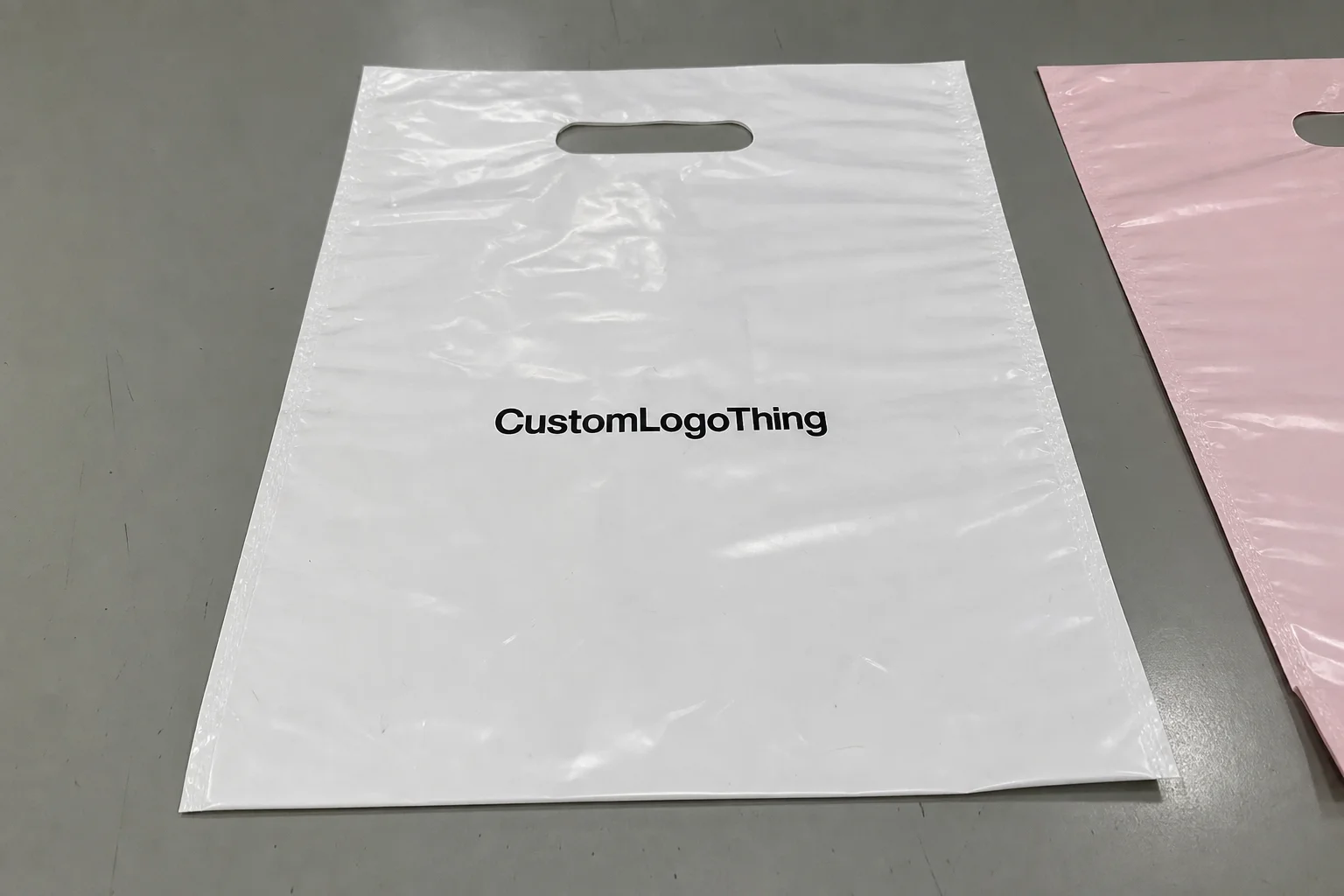
A supplement Printed Poly Mailers physical sample checklist is the fastest way to separate attractive packaging from packaging that can actually survive production, packing, and transit. A mockup can make everything look orderly. A real sample often reveals the uncomfortable details: a seal that feels thin at the corner, white ink that disappears on matte film, or artwork that creeps too close to a fold once the bag is filled.
That gap matters more for supplement brands than for many other categories. The mailer is often the first physical proof of the brand, and it has to do three jobs at once: protect the product, hold up under warehouse handling, and support a price point that still leaves room for margin. If the structure, print, and closure are not aligned, the package starts sending the wrong signal before the customer even opens it. For teams comparing structures, the finished build on Custom Poly Mailers is a useful reference while reviewing the sample in hand.
Why a Physical Sample Beats a Mockup
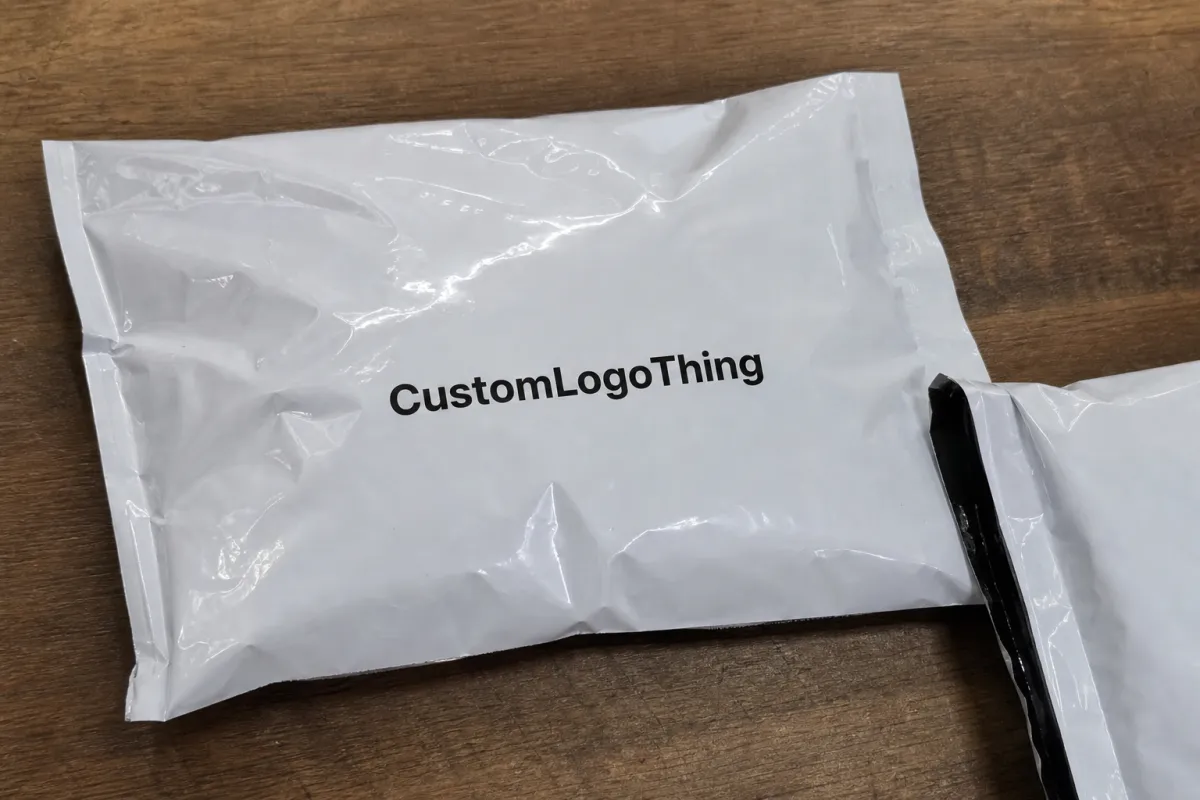
Screen proofs are useful, but they only answer part of the question. They can show artwork placement and rough color intent. They cannot show how film reacts to pressure, how seams behave under load, or how the bag looks after being folded into a carton with other orders. That matters because the customer never sees a digital mockup. They see the actual mailer, under actual lighting, with actual product inside.
A flat render also hides distortion. Stretch around bottles, blister packs, or stand-up pouches changes the visual balance of the design. Even a carefully built dieline can look crowded once a real fill pushes tension into the corners. The sample reveals that movement before the order reaches thousands of pieces and the cost of a mistake rises sharply.
Lighting changes the verdict too. Gloss, matte, and soft-touch finishes behave differently under warehouse LEDs, phone cameras, and retail shelving. A color that looks rich on a monitor can read dull on film. Fine text that appears crisp on a PDF may soften once the ink lands on a textured substrate. Buyers who review only digital files often miss the exact contrast shifts that end users notice first.
A good sample answers questions a PDF cannot: does the seal hold, does the art stay readable when the bag flexes, and does the brand feel worth the price?
From the buyer's side, the sample is not just a color reference. It is a credibility check. If the bag feels flimsy or the edges look weak, the customer assumes the product inside is lower value, even if the supplement formula is excellent. That perception can be expensive, and it starts with the mailer.
Supplement Printed Poly Mailers Physical Sample Checklist
This is the review pass that prevents expensive assumptions. Keep the checklist on paper or in a shared file, mark it line by line, and compare the sample against the approved spec sheet before anyone starts debating taste. Objective checks should come first. Subjective opinions can wait until the structure has passed basic production standards.
- Dimensions: confirm width, length, gusset, usable fill area, and closure margin against the approved size.
- Film gauge: verify whether the thickness matches the load; many supplement mailers sit around 2.5 to 3.5 mil, while heavier or sharper contents may justify more.
- Seal style: inspect the side seams, bottom seam, and closure type for evenness, bite quality, and weak spots near the corners.
- Artwork placement: check logo position, barcode placement, lot-code space, warning copy, and any legal text that must stay fixed.
- Print quality: look for edge bleed, banding, registration drift, pinholes, and white ink opacity on dark film.
- Surface feel: note scuff resistance, odor, stiffness, and whether the finish feels thin or substantial in hand.
- Filled behavior: load the actual product weight and see whether the bag balloons, creases, or steals too much closure room.
- Handling speed: test whether the bag closes quickly and stacks cleanly enough for the pack line.
Small issues can ripple outward. A barcode too close to a fold may fail scans at fulfillment. Fine text sitting on a seam can distort even if it looked acceptable flat. A warning statement that shifts a few millimeters may remain legible, but it can still signal weak process control. Buyers tend to notice those misses faster than brands expect.
Operational fit matters as much as appearance. If the mailer must move through a pack line, it should close without hesitation and lie flat enough to stack. That becomes more important when a team ships mixed SKUs and every second per unit affects labor cost. A bag that looks polished but slows packing can cost more than a slightly higher unit price.
Compliance language also deserves a careful read. If the package includes recycled-content claims or recycling instructions, verify the wording against current guidance rather than recycling old marketing copy. The EPA offers a practical starting point for terminology and recycling information: EPA recycling guidance. That kind of reference is unglamorous and useful for exactly that reason.
Print, Film, and Closure Specs That Matter Most
Film thickness should match the contents, not the lowest bid. A lighter mailer can be adequate for a small pouch, but it may fail if it carries multiple bottles, a rigid cap, or a product with hard edges. In practice, a few cents saved on film can vanish quickly through damage, returns, and repacking.
Finish changes how the brand reads. A gloss surface usually deepens color and gives the design more punch. Matte softens glare and can make a premium supplement line feel more restrained and controlled. Neither is inherently better. The better choice depends on handling, photography, shelving, and the amount of light the bag will sit under. A high-gloss finish can make small type harder to read in bright warehouses. A matte finish can mute contrast if the palette is already pale.
Closure type is one of the most underpriced decisions in the process. A peel-and-seal strip provides a strong first-use bond. A reusable zipper adds convenience, but it can increase cost and complexity. Permanent seals are economical, yet they do little for customers who expect resealability or return handling. If tamper evidence matters, the closure should support that story instead of fighting it.
Seam quality deserves the same attention as print. The center panel can look excellent while the corners fail under compression. That is common when the bag is overfilled or packed with firm edges. Press the corners, flex the side seams, and check whether whitening, splitting, or weak bonding shows up when the material is under stress. A seam that looks fine in a photo may tell a different story in the hand.
| Sample Type | Best For | Typical Cost | Typical Timing | What It Reveals |
|---|---|---|---|---|
| Digital proof | Artwork approval only | $0-$20 | Same day to 2 days | Layout, copy, and basic color intent |
| Blank spec sample | Size and closure review | $20-$60 | 3-7 business days | Fit, feel, and material weight |
| Finished printed physical sample | Final approval | $35-$150+ | 7-15 business days | Print, finish, seam behavior, and real-world handling |
That comparison explains why many buyers prefer a supplement Printed Poly Mailers physical sample checklist instead of trusting a visual file alone. The finished sample tells you whether the whole package works together, which matters more than any individual spec when the order is large enough to hurt if something goes wrong.
For broader packaging testing language, ISTA is still useful even though a mailer is not a corrugated carton. The format is flexible, but the logic is the same: test the item as it will actually travel, not as it looks in a controlled file preview.
Process and Timeline: From Request to Approval
The cleanest sample request includes the dieline, finished size, product weight, print files, and any compliance copy in one package. That sounds basic, yet a surprising number of delays begin because the supplier has to guess the fill weight or infer where the barcode should sit. The tighter the brief, the fewer revision loops.
Expect the process to include prepress review, material selection, printing, conversion, and shipping. For a straightforward mailer, a realistic window is often 7-15 business days from art approval to physical arrival, depending on whether existing tooling can be used or a new setup is needed. Add a revision cycle, and the schedule stretches immediately. That is not a red flag. It is normal production math.
One practical rule helps keep the project honest: treat the sample as a production gate. If the finish is wrong, the color is off, or the fit fails with actual product inside, the sample is not close enough to release. It needs another round. A slightly longer approval process is usually cheaper than discovering the same defect on the first bulk shipment.
Shipping simulation can add useful context. If the mailer will ride alongside other packaged goods, a simple parcel-testing mindset is worth adopting. The approval does not need a full laboratory program for every order, but it should ask a direct question: will this bag still look right and function right after handling, compression, and transit?
That is where a physical sample does more than confirm design. It shows production discipline. A buyer can see whether the supplier understands registration, tolerance, and consistency before the first bulk run starts. Those details are hard to fake in a finished sample.
For teams comparing packaging families, it can help to map the mailer against other formats on Custom Packaging Products. Sometimes the sample review reveals that the product needs a different structure entirely, not just a cleaner print file.
Cost, MOQ, and Quote Variables
Sample pricing is shaped by more than bag size. Film grade, print count, finish, closure style, and freight all move the number. A blank sample may cost little more than shipping. A fully printed finished sample can climb quickly if it needs special inks, multiple passes, or expedited freight.
MOQ affects unit price, but unit price alone is a weak decision tool if the artwork or structure is still changing. For Printed Poly Mailers, buyers are usually better off thinking in ranges rather than a single figure. A common MOQ may sit around 3,000 to 10,000 pieces, with the unit price declining as volume rises. The exact threshold depends on size, print coverage, and whether the supplier is using flexographic, gravure, or another print path.
A clear quote should break out the parts separately:
- Sample or setup fee
- Unit cost at the stated MOQ
- Freight or shipping method
- Plate, cylinder, or prep charges if applicable
- Rush or revision costs if the timeline tightens
That separation matters because it shows the landed cost instead of only the headline cost. A quote that looks cheaper on unit price can become more expensive once setup, freight, and revisions are added. Plain economics are more useful than a polished low number that disappears after the first correction.
For supplement brands, the cost mistake that causes the most pain is approving a sample before product weight is final. A mailer sized for a small pouch may behave very differently from one carrying two bottles and an insert. If the load changes after approval, the final order often needs another sample anyway, which means lost time and duplicated expense.
Price also reflects print coverage and color count. Heavy coverage on dark film, white underprinting, and special finishes usually increase cost because they add passes or complexity. That does not make them bad choices. It just means the economics should be clear before anyone signs off on the run.
Common Sample Mistakes That Trigger Reprints
Approving from photos alone is risky. A phone camera compresses contrast, shifts color, and hides small issues like registration drift, zipper weakness, and surface scuffing. Teams often approve an image, then discover in person that the logo sits too close to the seam or the print looks muddy in side light. The photo looked tidy. The actual bag did not.
Another common miss is testing the mailer empty instead of filled. That sounds minor until the bag is packed to real weight. The art stretches, the closure margin shrinks, and the corners take more stress. A sample that looks fine flat on a table can fail the moment it is loaded with product. Real fill changes the geometry.
Barcode scans and compliance copy are often treated as administrative details, and that is how reprints happen. If the barcode quiet zone is too tight, fulfillment may reject it. If the warning copy is cropped, moved, or too small, internal QA can reject the artwork even when the bag is visually attractive. A pretty package with unreadable information is still a production problem.
Approval is not a design opinion; it is a production decision.
Teams also underestimate labor impact. A mailer that slows the pack line by two or three seconds per unit may look harmless on a sample table, but across thousands of units that adds real cost. Sample review should include appearance, handling speed, and closure behavior. A bag that takes longer to pack can be more expensive than a slightly higher-priced one that moves cleanly.
Documentation is another weak point. If a change is made verbally, the production file can drift. A note about color, size, artwork, or closure should be written down and shared. Small inconsistencies become large ones once volume starts moving. The sample should be the record of truth, not a memory test.
One more failure point gets overlooked: odor and surface scuffing. Some films smell strongly when first opened, and some finishes mark too easily during handling. Neither issue shows up well in a PDF. Both matter in a warehouse and on a retail shelf.
Next Steps: Turn the Sample Into a Production-Ready Order
Once the sample arrives, create a pass/fail sheet and have every stakeholder use the same one. That keeps the conversation focused. Instead of "I like it," the team can say "the seam passed, the barcode scanned, the white ink held, and the closure margin stayed open after filling." That kind of language is harder to argue with.
Photograph the approved bag under two lighting conditions: one close to warehouse light and one close to retail light. Those images create a record of what was accepted before bulk production starts, and they help resolve later disputes about shade, finish, or contrast. The sample itself is the main artifact, but photos add context.
Record every approved change in writing. If the size shifts by 5 mm, if the logo moves, or if the finish changes from gloss to matte, that note should be attached to the order. Good suppliers appreciate that discipline because it reduces guesswork and protects the run. The best production files are usually the boring ones.
Then run the final pass against the supplement Printed Poly Mailers physical sample checklist: does the mailer carry the brand well, protect the product, and pack without friction? If yes, the sample has done its job. If no, revise before volume starts. The extra round is usually cheaper than the first reprint.
For teams building a broader packaging program, Custom Packaging Products can help compare the mailer against other structures before the format is locked. The sample is not the finish line. It is the last honest checkpoint before the order becomes real.
Frequently Asked Questions
What should a supplement printed poly mailers physical sample checklist include?
It should cover size, film gauge, closure type, print placement, barcode readability, and any compliance copy that must stay fixed. Add handling checks for scuffing, odor, stiffness, and how the bag feels once it is filled with the real product weight. Empty-bag approval is not enough.
How long does the sample process usually take for supplement mailers?
Plan for design review, material selection, printing, finishing, and shipping rather than assuming one short production window. A revision round can add several business days, so the safest schedule includes buffer time before the final approval deadline. Tight calendars are where most avoidable delays begin.
What affects pricing for printed poly mailer samples?
Cost is usually driven by material type, print complexity, finish, closure style, and freight, not just bag size. Ask whether setup or sample fees are refundable or credited later, because that changes the true project cost. The quote should show the landed number, not only the headline.
Which print details matter most on a physical sample?
Check registration, color match, white ink opacity, edge bleed, and legibility of small type or legal copy. Barcode placement and scan performance matter just as much as visual appeal if the bag moves through fulfillment. A clean image that cannot scan is not ready.
What are the most common approval mistakes buyers make?
The biggest mistake is approving from images instead of handling the sample under real lighting and with real product inside. Another frequent miss is forgetting to test closure strength and seam durability after the bag is filled. A third is failing to document the approved version in writing.