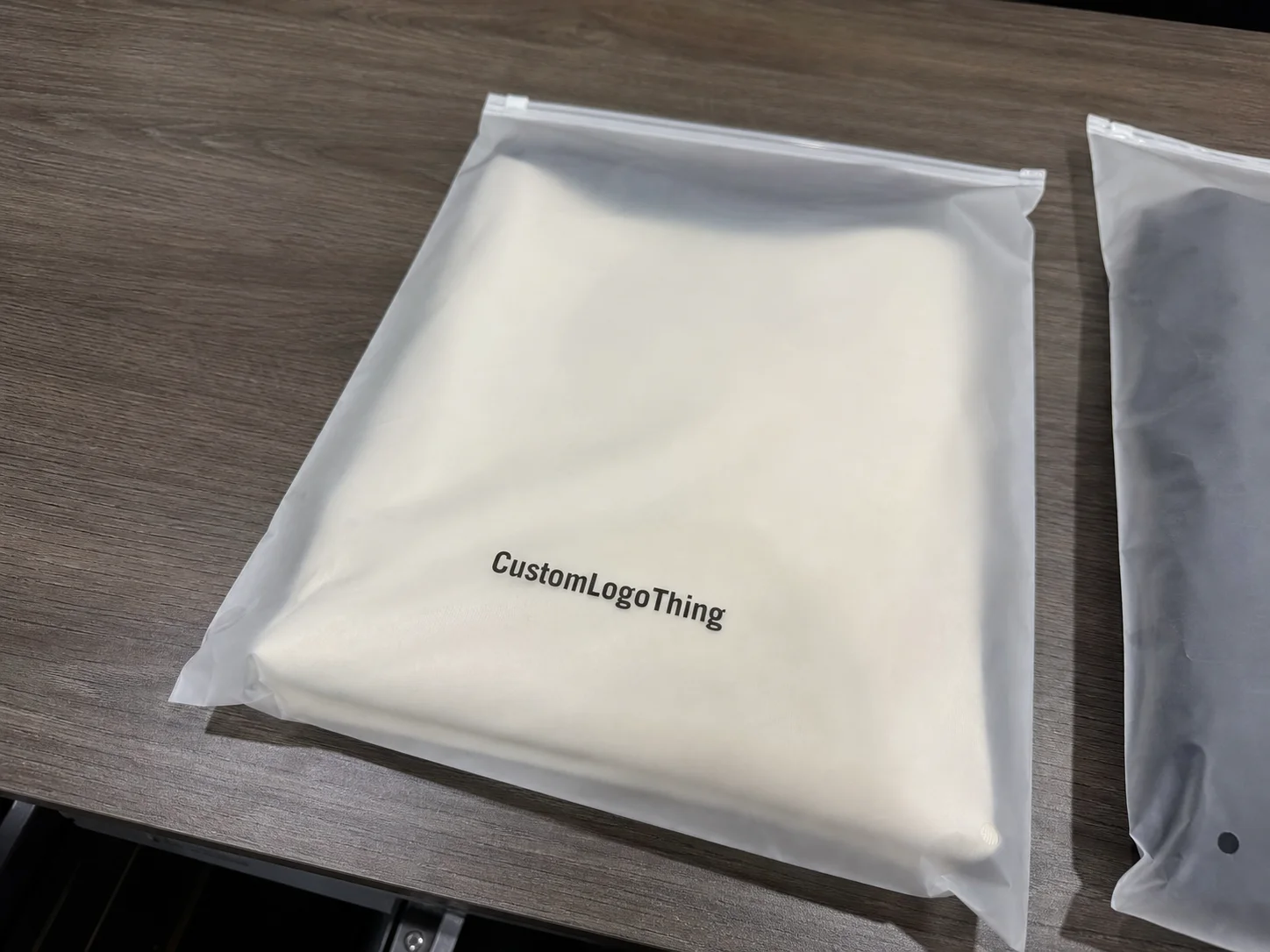
If you are building merch around candles, diffusers, room sprays, or a quiet-luxury lifestyle line, the home fragrance Unstructured Dad Hats material sample guide matters more than it sounds. A cap can look polished in a render and still feel flimsy in hand, collapse at the crown, or resist embroidery once it reaches production. That gap between concept and object is where a lot of budgets quietly disappear.
Sampling is not busywork. It is a cheap way to find the expensive problems early. Approve the wrong fabric, and the result can be a hat that sits oddly, creases too fast, or feels closer to a souvenir than a premium brand extension. That is a hard mistake to fix at scale.
Home fragrance unstructured dad hats material sample guide: why it matters
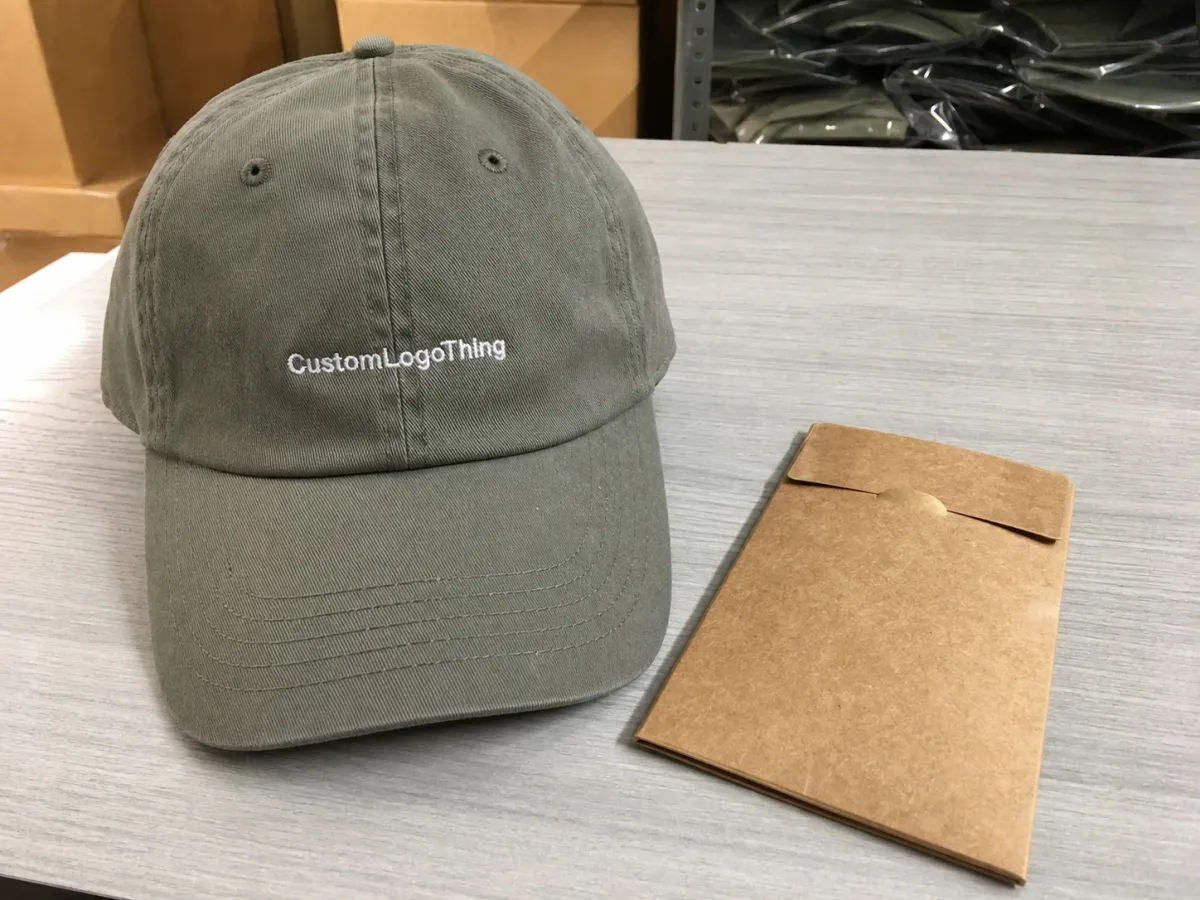
An unstructured dad hat is supposed to feel easy. Soft crown, curved brim, low profile, less front-panel stiffness. That relaxed build is the appeal. It also means the product shows its weaknesses faster than a more rigid cap would.
For home fragrance brands, that distinction matters. Candles, diffusers, and related goods usually live in a visual language built on calm tones, matte finishes, and tactile materials. If the hat is too sporty, too shiny, or too boxy, it interrupts the story. The best sample is the one that tells you whether the cap belongs beside the rest of the line or feels like a separate product trying to borrow the brand.
Material samples are not about chasing the most expensive fabric. That is a common waste. They are about checking four practical things before bulk approval:
- Comfort on a real head, not just in a product photo.
- Shape retention so the crown does not cave in after a few wears.
- Decoration support so embroidery sits cleanly instead of puckering.
- Buyer appeal so the cap still feels right in retail, gifting, or bundle packaging.
In other words, the sample is not just a fabric test. It is a test of tone, proportion, and finish. That is why the home fragrance Unstructured Dad Hats material sample guide starts with hand feel and drape instead of rushing straight to logo placement.
“A useful sample answers the awkward questions early: does it slouch too much, does the stitch pull, and does the color still look premium in daylight?”
How material samples reveal shape, drape, and retail readiness
A spec sheet can tell you panel count, fabric weight, and closure type. It cannot tell you how the hat behaves after 20 minutes on someone’s head. It will not show whether the brim snaps back into a strange angle, whether the sweatband rubs, or whether the front panel wrinkles in a way that reads cheap rather than relaxed.
That is why a physical sample earns its place. Put it on. Bend the brim. Press the front panel with a thumb and watch how quickly it recovers. Try the closure. If the cap feels limp before anyone wears it, production will not improve that trait. Bulk orders usually reproduce the same material behavior more consistently than they rescue it.
Unstructured construction changes perception more than many buyers expect. The same cotton twill can look refined in one sample and sloppy in another if crown height, seam tape, or internal reinforcement differs. A few millimeters in panel shaping can move the hat from “quietly premium” to “unfinished.”
Test the sample in a few conditions:
- Wear it for a full day and check pressure points.
- Look at it in daylight and under indoor lighting.
- Compare the fit with the brim curved more tightly and with a softer curve.
- Check whether the back closure lies flat or sticks out awkwardly.
Retail readiness is a practical standard, not a mood. The cap should sit well on a shelf, look calm in bundle packaging, and photograph without fighting the rest of the collection. If your brand uses kraft paper cartons, corrugated cardboard shippers, or FSC certified inserts, the hat should feel like it belongs in that same restrained system. A shiny, overbuilt cap can still sell, but it will pull the product line off course.
For packaging and transit expectations, the basic handling logic used in ISTA testing is a useful reference. Nobody expects a dress-hat lab report for a dad hat, but the principle is the same: the item should arrive in the condition the customer will actually notice.
Material factors that change feel, durability, and embroidery quality
Fabric choice changes more than texture. It affects drape, recovery, shrink behavior, stitching performance, and how the hat ages after a few wears. A buyer can feel the difference immediately, even if a product sheet makes several options sound equally “premium.”
Garment-washed cotton is often the safest starting point. It feels soft without drifting into sloppy territory. Brushed twill can hold shape a little better because the weave is usually denser. Pigment-dyed cotton gives the muted, worn-in look many lifestyle brands want, though batch-to-batch color variation is more common. Recycled blends can work well if the supplier has already solved the drape problem; otherwise the fabric can feel thin and underwhelming despite the sustainability label.
Construction details matter just as much as the shell fabric. Check the front panel lining, seam tape, eyelet finish, and sweatband material. A soft fabric with weak reinforcement can collapse at the front and make embroidery look tired. A dense weave usually supports cleaner stitch edges, but if the thread count is too aggressive on a soft panel, puckering shows up fast. The sample should tell you whether the design is balanced, not just whether the logo looks crisp in isolation.
That is why actual logo testing matters. Put the real mark on the sample, not a placeholder. Use the real stitch count and the real thread colors. A logo that is too large can buckle the front panel. A logo that is too small can vanish completely. On unstructured caps, it is wise to test logo size and placement on at least one physical sample before approving bulk.
Color also shifts perception. Muted blacks, stone, olive, taupe, and washed neutrals usually fit home fragrance branding better than bright red or glossy navy. The goal is not a loud cap. It is a cap that can sit next to a candle, diffuser, or room spray and feel like it came from the same brand family.
| Material option | Typical sample cost | Bulk unit cost at 5000 pcs | Best use case |
|---|---|---|---|
| Garment-washed cotton | $18-$35 | $2.10-$3.20 | Soft premium feel, broad buyer appeal |
| Brushed twill | $20-$40 | $2.25-$3.40 | Cleaner shape, stronger embroidery support |
| Pigment-dyed cotton | $22-$45 | $2.40-$3.60 | Washed look, lifestyle branding, muted color palette |
| Recycled cotton blend | $24-$50 | $2.55-$3.85 | Sustainability story, provided the hand feel still works |
If sustainability is part of the brief, ask a direct question about the paper components as well. FSC certified packaging applies to paper-based elements, not the cap fabric itself. For cartons and inserts, check whether the supplier can offer recycled materials, post-consumer waste content, or biodegradable packaging where it actually makes sense. None of that rescues a weak cap, but it does keep the presentation coherent.
Process and timeline: from sample request to final sign-off
A clean sampling process keeps production moving and reduces revision churn. The usual sequence is straightforward: request the sample, confirm fabric and color, approve the decoration proof, receive the physical sample, review revisions, then sign off for production. The process only becomes messy when teams treat each step as optional.
Simple stock-based samples can move in 5-10 business days. Custom fabric, specialty washes, or embroidery changes often stretch that to 10-20 business days, sometimes longer if the supplier has to source a specific closure, label, or panel material. If the project also includes custom packaging or inside labeling, add more time. Every small adjustment has a way of taking longer than the room expects.
The delay is usually mundane. Missing artwork files. No Pantone reference. Feedback spread across too many people. A sample approved by someone who was never meant to own the decision. The factory did not invent that confusion.
Set the review window before the sample ships. If the team gets 48 or 72 hours to comment, the process stays usable. Without a deadline, the sample sits in limbo while the launch slot gets tighter and the revision path gets more expensive.
If packaging matters, align that timeline with the cap sample too. A hat that ships in a neat kraft paper sleeve or a small FSC certified carton usually feels more considered than one tossed into a generic polybag. If the order also uses corrugated cardboard master cartons with clear sizing, pack-out becomes simpler and inspection becomes faster.
Cost, MOQ, and pricing: what actually moves your quote
Sample pricing and bulk pricing are not comparable in a simple one-to-one way. A sample looks expensive per piece because setup is spread across one or two units. Bulk pricing drops once MOQ is high enough, but only if the specification stays disciplined.
The biggest cost drivers are predictable:
- Fabric grade and whether it is washed, brushed, recycled, or pigment-dyed.
- Embroidery complexity, including stitch count, thread colors, and logo size.
- Closure type, especially if you move from a standard strap to a custom buckle or metal clasp.
- Labels and trims, including woven tags, printed inside labels, and sweatband branding.
- Packing method, from bulk packing to individual bags, tissue, or custom cartons.
MOQ changes the math quickly. At 300-500 pieces, unit price often stays noticeably higher because setup overhead is heavy. At 1000-3000 pieces, the cost usually becomes more manageable. At 5000+ pieces, you may see a better rate, but only if you are not stacking specialty dyeing, unusual closures, or a fully branded packaging system into the same order.
Low unit price can also be misleading. Freight, sample fees, revision charges, and rework can erase the headline savings. A quote that looks cheaper on paper may become the expensive one after the shipment lands and the brand has to deal with color mismatch, fit issues, or embroidery that does not pass internal QC.
Compare total landed value, not just the piece price. A quote that includes clean packing into corrugated cardboard master cartons, reasonable carton labeling, and a fair sample allowance can outperform a lower line item that hides extras everywhere else. The final cost of a hat project is usually decided by all the small pieces around the cap, not by the cap alone.
There is also a business tradeoff around inventory. Higher MOQ lowers unit price, but only if the brand can move the stock. If sell-through is uncertain, the “savings” become inventory pressure and later discounting. That is not efficient buying; it is just deferred expense.
For brands with a sustainability story, ask whether the packaging can use FSC certified paper, kraft paper wraps, or biodegradable packaging components. Those details do not fix a weak product, but they can help the line feel internally consistent.
Common mistakes that waste sample rounds and budget
Vague feedback is the fastest way to waste a round. Saying “it feels off” does not help the supplier. Say the crown is too tall, the brim curve is too aggressive, the front panel collapses too easily, or the embroidery pulls on one side. Specific feedback leads to specific revisions.
Another common mistake is testing only one color. Light fabrics and dark fabrics behave differently, especially after washing or pigment dyeing. A stone sample may read soft and premium while the black version looks flatter and slightly stiffer. Thread contrast changes the result again. A logo that disappears on one colorway can feel too loud on another.
Over-customizing too early is a budget drain. Private labels, special wash effects, alternate closures, and custom packaging all sound harmless during a kickoff meeting. Then the fit turns out to be wrong, and the team has paid to decorate a concept that should have been revised earlier.
The most expensive approval failure is also the simplest: no target wearer, no logo size standard, and no agreed softness level. After that, feedback slides into taste arguments. Taste matters, but it is not a specification.
“If three people describe the same sample in three different ways, the issue is usually not the hat. It is the approval process.”
Teams also forget the product context. If the brand language relies on muted labels, recycled materials, and restrained packaging, a shiny cap with a loud logo will feel disconnected even if the cap itself is well made. It may still sell. It just will not feel like the same line.
Expert tips for cleaner approvals and better fit
Use two samples when the project justifies it. One can focus on fit and fabric; the second can lock decoration and finishing. That split makes it easier to see whether the problem is construction or embroidery instead of treating both as one vague issue.
Ask for side-by-side fabric swatches too. A polished photo hides a lot. Swatches make it easier to compare weight, texture, dye shift, and hand feel without waiting for a full cap to arrive. If the supplier can show the fabric in both daylight and indoor light, even better.
Keep the approval chain short. One person should own final sign-off. Five opinions in a group thread are how sample rounds multiply. The factory does not need more voices; it needs one clear decision.
Keep a reference board for future orders. Save approved samples, rejected samples, notes on what worked, and notes on what failed. After a few drops, that record becomes more useful than another round of vague “premium” feedback. It also helps when the cap is part of a wider merch program with candles, sleeves, and gift sets.
Packaging can support approval too. If the sample arrives wrapped in kraft paper or a simple FSC certified mailer, it is easier to judge it as a finished item instead of a loose factory piece. For brands using biodegradable packaging, that presentation can reinforce the message without adding much cost.
Check wearer range as part of fit, not as an afterthought. A dad hat that fits one head shape beautifully and sits awkwardly on another is not ready. Asking two people with different head sizes to try it is a basic production test, not a luxury one.
Next steps: build a tighter sample checklist before ordering
Start with a one-page checklist. It should cover fabric type, crown height, brim curve, closure style, logo placement, target color, and acceptable finish. That single page keeps suppliers aligned and stops internal feedback from drifting into preference without structure.
If the line will ship in more than one finish, request one physical sample for the main version and one backup colorway sample. Texture and wash treatment can read differently in hand, and a color that feels balanced on screen can look muddy or flat once it is made.
Set the review deadline before the sample arrives. Decide who handles fit, who handles branding, and who gives the final yes. If those roles are fuzzy, the sample will sit too long and the production schedule will slip. That is not a quality failure. It is a process failure.
Use the home fragrance Unstructured Dad Hats material sample guide as a working filter, not a slogan. Lock the spec, check the hand feel, confirm the embroidery, and move into bulk order with fewer surprises. That is the practical goal.
If the line also includes shipping boxes, inserts, or branded sleeves, keep the packaging spec equally tight. A hat packed in clean corrugated cardboard, wrapped in kraft paper, and supported by FSC certified or recycled materials feels deliberate. Small details like that carry more weight than most teams expect.
FAQs
What is the best material for home fragrance unstructured dad hats?
Garment-washed cotton or brushed twill is usually the best starting point. Both feel soft, both support a relaxed profile, and both can hold shape without looking stiff. If the logo needs cleaner edges, choose a denser weave. If sustainability matters, compare recycled cotton blends, but make sure the hand feel still matches the brand.
How many samples should I order for an unstructured dad hat project?
At minimum, get one fit sample and one decoration sample if the first round cannot show both accurately. If the final line will ship in multiple colors or wash finishes, add a colorway sample. Start with the version that will sell most often, then expand once the core spec is approved.
How long does the sampling process usually take?
Simple stock-based samples can move in about 5-10 business days. Custom fabric, specialty washes, or embroidery changes often push that to 10-20 business days. Internal review is often the slowest part. A dated review schedule keeps the process from drifting.
What should I expect to pay for sample cost versus bulk pricing?
Sample pricing is higher per piece because setup and labor are spread across one or two units. Bulk pricing falls as MOQ rises, but custom features can push it back up quickly. Compare landed cost, including freight, setup, and revision charges, so the lowest quote does not become the most expensive one later.
What details should be in a sample approval checklist?
Include fabric type, crown height, brim curve, closure type, logo placement, and target color. Add subjective checks too: softness, fit across different head sizes, and whether the hat feels premium enough for the line. One person should own final sign-off so the checklist leads to a decision rather than more discussion.