Candle Unstructured Dad Hats Bulk Order Planning Tips
Candle Unstructured Dad Hats Bulk Order planning is less about chasing a trend and more about controlling the variables that make a hat program succeed or stall. The style is easy to wear, easy to ship, and usually easier to approve than a stiff, highly constructed cap. That matters for retail drops, staff kits, event giveaways, and resale programs where one wrong detail can multiply across hundreds of units.
The real risk in a bulk hat order is not the logo. It is the mismatch between mockup expectations and finished goods. A hat can look clean on a screen and still feel too shallow, too tall, too loose, or too flimsy in hand. Candle color adds another layer, because warm neutrals reveal shade drift faster than bright colors do. A small difference in dye lot, thread tone, or patch backing is enough to change the whole read of the product.
Good planning treats the hat as a system: fabric, crown, closure, decoration, packing, freight, and timing all affect the final result. Ignore one of them and the quote may still look fine, but the landed product will not.
Why This Style Reduces Risk in Bulk Programs
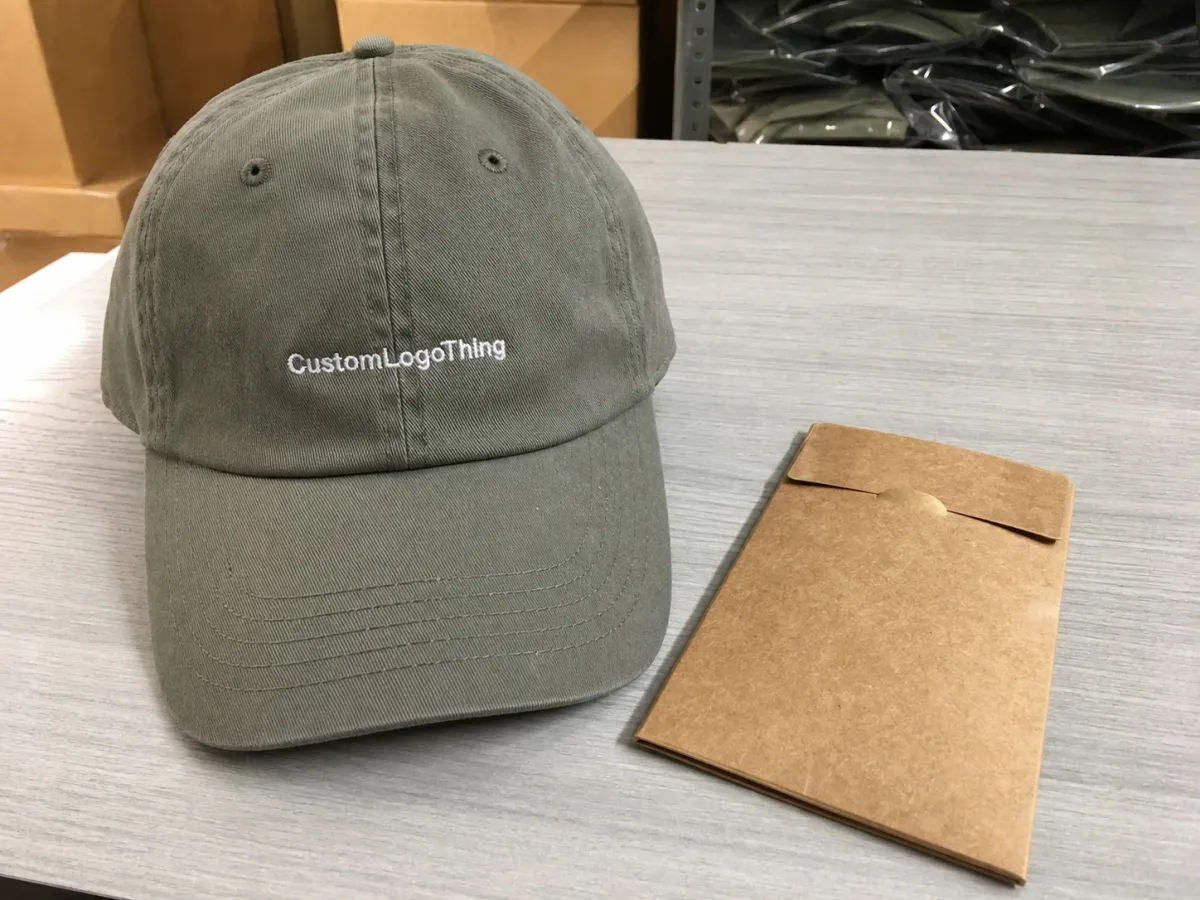
There is a practical reason candle Unstructured Dad Hats bulk order planning shows up so often in merch and procurement conversations: the format is forgiving. An unstructured crown conforms to more head shapes than a stiff panel, which lowers the odds of complaints about pressure points or a front panel that sits awkwardly high. The softer shape also packs flatter, which helps with storage and freight efficiency.
That softness is not just about comfort. It changes how the product sells. An unstructured dad hat reads more casual and more lifestyle-driven, which suits brands that want something wearable without looking overly promotional. In retail settings, that makes the hat easier to place next to apparel and accessories. In internal programs, it makes the piece feel less like a uniform item and more like something people will actually keep using.
Candle as a colorway has its own advantages and its own limitations. It tends to photograph as muted, warm, and premium, especially when the decoration is restrained. It can also look expensive in person if the fabric is clean and the stitching is controlled. The downside is that candle does not hide sloppy execution. Uneven stitching, rough seam finishing, and color mismatch are easier to spot than they would be on a darker cap.
That is why the best bulk programs keep the design simple. A small logo, a tonal embroidery hit, a narrow label, or a single patch often works better than a front panel crowded with details. The hat should feel considered, not overloaded.
Approve the hat the way the end user will see it: on a real head, under normal lighting, and packed the way it will actually ship.
On the operations side, the appeal is straightforward. Unstructured hats reduce the chance of fit complaints. The candle tone creates a premium base when the decoration is disciplined. And because the style is broad enough for multiple use cases, it lowers the risk of overcommitting to a niche product that only works for one audience. That combination makes the format unusually practical for larger runs.
Fabric, Crown Shape, and Closure Details to Lock In
Once the style direction is set, the spec sheet needs to be specific. Fabric is the first decision because it affects feel, drape, decoration quality, and price. Cotton twill remains the most common choice for bulk hat programs because it is stable, familiar, and handles embroidery well. Brushed cotton has a softer hand and a more relaxed finish. Washed or pigment-dyed cotton can create a broken-in look that pairs well with candle, but the shade variation has to be controlled more carefully.
Weight matters too. A lightweight fabric can feel comfortable, but if it is too thin, the front panel may collapse more than expected. A heavier twill holds shape better and usually accepts stitching cleanly, though it can run warmer on the head. For most programs, a midweight cotton or cotton-rich blend offers the best balance. Polyester blends can help with durability and cost, but they may change the hand feel and can make the hat look more utilitarian than premium.
The crown shape deserves the same level of attention. An unstructured front panel does not stand up on its own, so it will fold and relax after packing and wear. That is expected. The issue is degree. Too much collapse can make the front read sloppy on display; too little can make the cap behave more like a soft structured hat, which defeats the point. Buyers should ask for a production sample or at least a true preproduction photo set that shows the cap from the front, side, and top.
Closure choice is not a minor detail. Strapbacks are the safest option for most bulk orders because they are adjustable and familiar to most wearers. A metal buckle can make the hat feel more finished. A brass slide gives a vintage note. Hook-and-loop closures are useful for events and staff use, but they usually look less refined and can collect wear more quickly. If the order is retail-facing, that tradeoff matters.
Small construction details change the finished look more than buyers expect. Brim curve, panel count, eyelet placement, sweatband finish, and seam topstitching all affect how the hat sits on the head and how it photographs. On a candle cap, even the edge binding or inner seam tape may be visible in certain light. If the buyer wants a uniform look across several hundred units, the color swatch and trim details should be checked in the same lighting used for approval.
For a broader view of how specification choices change the final product mix, the Wholesale Programs page is a useful reference point.
Decoration Specs That Keep the Run Consistent
Decoration is where a bulk order either stays disciplined or starts drifting. Flat embroidery is usually the most reliable route for candle Unstructured Dad Hats because it keeps the logo readable without adding much bulk. It also behaves better on a soft crown than heavy 3D embroidery, which can pull the front panel and exaggerate shape issues. For many buyers, that single detail separates a clean-looking hat from one that looks overworked.
Woven patches are another strong option, especially when the artwork includes fine lines, gradients, or detail that embroidery would simplify too much. A woven patch can preserve the logo more faithfully, though the patch border, backing, and stitch application need to be controlled. Leather or faux leather patches can work too, but they shift the style toward heritage or outdoor branding. That is a good match for some programs and a poor one for others. The same goes for woven labels at the seam: minimal, durable, and often enough when the cap itself already carries the brand tone.
Placement matters as much as method. A logo that is too low can sit awkwardly on the face. A patch that is too large can overpower the crown. Stitch density matters as well. On an unstructured panel, dense embroidery can warp the fabric, especially if the panel fabric is light or the logo includes thick fills. The digitized file should be approved before production starts, not after the run is underway. Once the thread is sewn, correcting a placement issue becomes much more expensive than fixing it in proofing.
The artwork itself often needs restraint. Thin script, tiny type, and narrow outlines are the first elements to break down when scaled to hat size. Buyers should ask for a production-friendly redraw if the logo is detailed. That does not mean the design has to be stripped of identity. It means the art has to work within the realities of stitch count, embroidery machine behavior, and panel curvature.
Packaging and labeling should be treated as part of the decoration spec, because they shape the experience of receiving the order. Individual polybags protect the hats in transit, but they add labor and material cost. Size stickers speed up retail handling and fulfillment. Hang tags can improve shelf presence, yet they add assembly time and more room for error. Carton marking matters more than people expect, especially if the order includes mixed colors, split destinations, or special packouts.
Use this rule: approve the digital mockup first, then request a physical sample if the hats are tied to a launch, a premium retail wall, or a paid event. A screen image cannot show crown collapse, thread sheen, or how a patch sits after packing.
For common proofing questions, the FAQ can help clarify how artwork, samples, and timelines typically work.
Cost, Pricing, and MOQ Drivers for Bulk Orders
Price should be read as a system, not a single figure. The base hat cost is only one part of the landed number. Decoration method, stitch count, patch type, closure, color matching, packaging, freight, and duty all affect the final per-unit cost. Candle shades can sometimes carry a slight premium if the supplier needs tighter dye lot control to keep the batch consistent.
MOQ is usually the next decision point. Smaller quantities reduce risk, but they also spread setup costs across fewer units. That is why a 100-piece run can look surprisingly expensive per hat compared with 500 or 1,000 units. Larger orders unlock better pricing, but only if the inventory will move. If the program is speculative, the discount is easy to lose through markdowns, storage costs, or leftover stock.
Blank and decorated pricing should always be separated. That comparison shows exactly where the money is going. A simple embroidered logo may add a manageable per-unit charge, while a custom woven patch with a specialty backing can move the quote up more quickly. Rush production, split shipments, custom labeling, and special folding instructions all add cost even when the hat itself stays the same.
| Quantity | Blank Hat Range | Decorated Range | Typical Cost Drivers |
|---|---|---|---|
| 100 units | $6.50-$9.00 | $8.50-$13.50 | Setup burden, small-run labor, limited pricing efficiency |
| 250 units | $5.25-$7.50 | $7.25-$11.00 | Better spread on setup, more stable production planning |
| 500 units | $4.75-$6.50 | $6.50-$9.75 | Improved material buying, cleaner unit economics |
| 1,000 units | $4.10-$5.75 | $5.90-$8.75 | Scale pricing, more room for packaging and labeling upgrades |
Those ranges are directional, not fixed. A dense logo, premium closure, special fabric finish, or detailed packaging request can push the number higher. Still, tiered pricing is the cleanest way to evaluate a quote. Ask for 100, 250, 500, and 1,000-piece pricing in the same format, then compare it against actual sell-through or usage demand. That makes the order decision about inventory reality instead of wishful margin math.
If the hats will move through distribution centers or long freight lanes, carton handling should be part of the cost conversation. ISTA test methods at ISTA give buyers a useful frame for transit risk. If the order includes recycled cartons or inserts, FSC standards at FSC provide a clearer way to think about chain-of-custody claims.
Process, Timeline, and Turnaround Checkpoints
A clean process keeps the order moving. The strongest bulk programs usually follow the same sequence: concept review, artwork intake, proofing, sample approval if needed, production, quality control, and dispatch. Each stage has its own decision point. If one piece slips, the rest of the calendar compresses. That is why candle unstructured dad hats Bulk Order Planning should separate proof time from manufacturing time rather than treating lead time as a single block.
For a straightforward run, mockup revisions may take one to three business days. If a physical sample is needed, add several more days for production and review. After approval, a typical manufacturing window may run around 12 to 15 business days for a simple order, then freight or transit time sits on top of that. Mixed colors, custom packouts, or multiple delivery points extend the schedule because coordination takes real effort even when the product itself is simple.
The most common delays are predictable. Missing vector artwork. Late color approval. Unclear packing instructions. Each one is avoidable. A clean AI, EPS, or vector PDF file reduces revision loops. A confirmed candle swatch removes ambiguity around tone. A written packing spec eliminates confusion about polybags, inserts, and carton labels. Those small administrative tasks save more time than most teams expect.
Buffer matters. If the hats are tied to a launch, trade show, or seasonal display, the schedule should include at least one margin layer. Otherwise a single artwork correction can push delivery outside the window and force rush freight. That type of save usually costs more than the delay it was meant to avoid. Planning early is not conservative for its own sake; it protects margin and keeps the program from becoming a rescue job.
After production starts, quality checkpoints should focus on the details that actually fail in bulk. That means embroidery placement, patch adhesion, crown symmetry, brim curve, closure function, seam alignment, and shade consistency across cartons. A finished order can still disappoint if the first dozen units look fine and the rest show visible drift. Consistency is the product.
What a Reliable Bulk Supplier Should Prove Before You Commit
Price matters, but process matters more. A reliable supplier should be able to show repeatable sample quality, clear proofing, and a revision trail that does not get lost between emails. A single good sample means very little if the second proof starts to wander. Bulk buyers need repeatability, not luck.
Color control is especially important for candle-colored hats. A small shade mismatch can make one carton look warmer, dustier, or older than another. On a retail wall, that inconsistency is easy to spot. A good supplier should be able to explain how dye lots are managed, how decoration is matched to the base fabric, and what tolerance window is acceptable before the order moves into production.
Ask for specifics before committing. What fabric is being used? What closure is standard? What decoration area is safe? How is the sample measured? How are cartons labeled? How are defect rates handled if a batch arrives with a problem? Clear answers to those questions are more valuable than a low opening quote, because they show whether the supplier understands the job beyond the unit price.
Documentation quality is often the most useful comparison tool. Clean mockups. Itemized pricing. Confirmed lead times. Written packing instructions. Simple change-order terms. Those are all signs that the project will stay under control once the PO is released. A cheap quote can look attractive until revisions, re-dos, or rushed freight start adding cost after the fact.
Packaging and transport standards are worth asking about as well. ISTA-style transit thinking lowers the odds of crushed cartons, and FSC-aware packaging references help buyers make more deliberate decisions if sustainability claims matter. Neither one guarantees perfect execution, but both suggest the supplier is thinking about the product after it leaves the sewing line.
In practice, the best vendors behave like operations partners. They protect the spec as carefully as they protect the sale.
Final Checks Before You Release the PO
Before the purchase order goes out, run a tight checklist. Confirm the final quantity by color. Confirm the artwork files. Confirm the delivery address. Confirm the packing spec. Confirm the in-hands date. It sounds basic, but a surprising number of problems begin with one unchecked field or one outdated email thread.
Ask for sample photos or a production proof that matches the approved spec sheet. Then compare crown shape, closure, embroidery placement, and the exact candle shade against the approved version. If the project includes multiple decoration locations, check each one. If the hats are retail-bound, verify carton counts and carton labels. If the shipment is split, make sure everyone involved knows which cartons are going where.
Document the approval trail. Procurement, marketing, and operations should be working from the same version of the spec. That lowers the chance that one team approves a mockup while another expects a different closure, a different patch size, or a different pack configuration. A clean paper trail is not bureaucracy. It is what prevents expensive misunderstandings.
There is one more practical rule: keep the run as simple as the program allows. Every change after PO release costs more time, and usually more money. A tighter spec, a clearer proof chain, and a more realistic timeline make candle unstructured dad hats easier to execute at scale. That is the real value of the format. It is approachable for wearers, manageable for buyers, and still capable of looking premium if the details stay disciplined.
FAQ
What is the best MOQ for a candle unstructured dad hat order?
The best MOQ is the lowest quantity that still produces a workable unit price and enough inventory for the actual demand. Ask for pricing at several quantity breaks so you can see where savings start to appear. If the order includes mixed decoration or special packaging, confirm whether those choices change the MOQ or move the run into a different pricing band.
How long does production usually take?
Lead time depends on proof approval, decoration complexity, and whether the hats are already in stock. A typical schedule includes mockup review, sample approval if needed, production, and freight. Rush requests are sometimes possible, but they usually raise cost and leave less room for revision or packaging changes.
Can I mix colors or logos in one run?
Mixed colors are often possible, but they can affect MOQ, pricing, and carton planning. Mixed logos or placements usually require extra setup and may need separate proof approval. Confirm whether the supplier treats each variation as a separate SKU before you place the order, because that detail affects cost and workflow.
What artwork works best on unstructured dad hats in bulk?
Simple logos with clean edges usually produce the most consistent results on soft crowns. Flat embroidery and small woven patches often stay crisp without overwhelming the cap. If the design is detailed, ask for a production-friendly redraw before approving the final proof so the art works with the hat instead of fighting it.
How do I check fit and color before approving the order?
Request a physical sample or swatch whenever the color needs to be exact. Check crown depth, brim curve, and closure comfort on a live sample rather than relying on a mockup. Approve only after the sample matches the spec sheet, including the candle shade and decoration placement, because that is the point where the order becomes real.

