Skincare unstructured dad hats bulk order planning for bundles
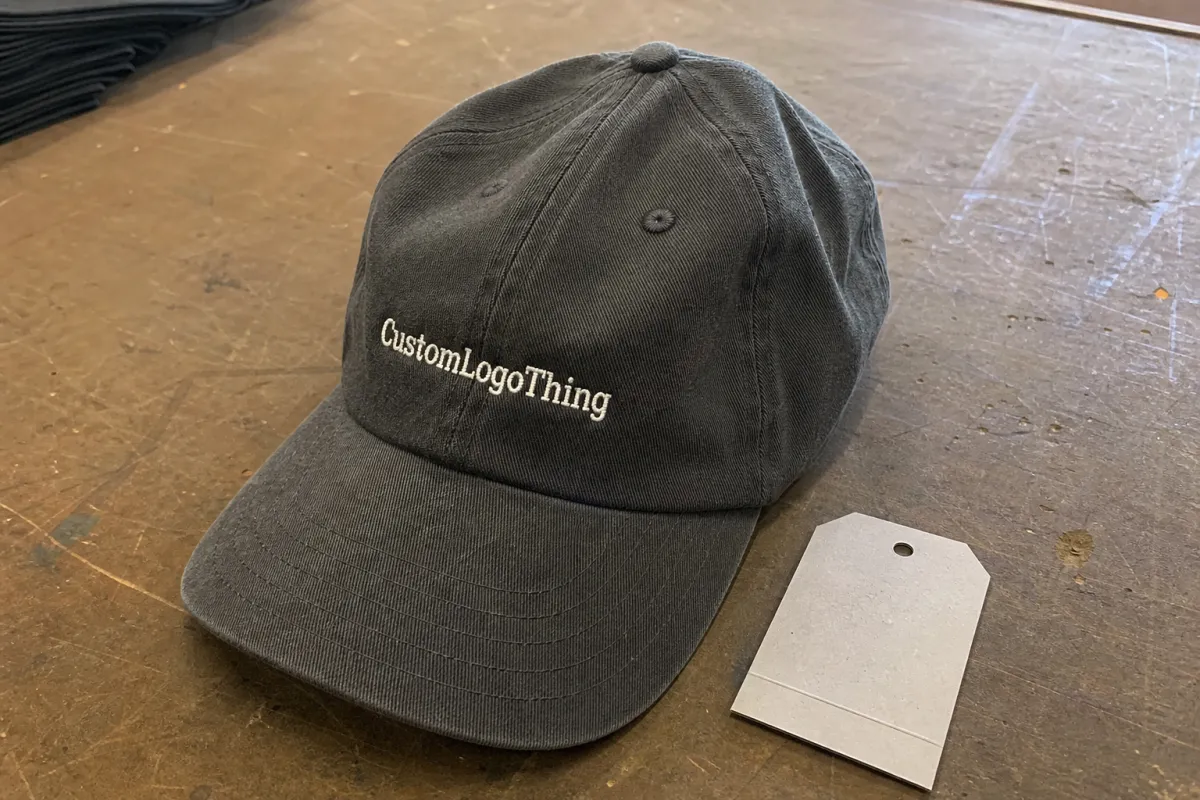
For skincare brands building retail kits, creator mailers, or seasonal bundles, a soft, low-profile cap is usually a packaging decision as much as a style choice. It folds more easily than a structured cap, sits calmly beside bottles and inserts, and photographs without adding visual weight to the kit.
That matters because bundle decisions are made fast. If the hat is too tall, too stiff, or too busy, it can make the whole set feel crowded. An unstructured dad hat solves part of that problem by collapsing naturally and carrying a clean logo without competing with the rest of the package.
The first questions are usually quantity, decoration method, and delivery timing. Once those are set, the rest of the order gets easier to control. If the buy is moving from concept into production, start with the Wholesale Programs page and cross-check shipping, sampling, and minimums through the FAQ.
One practical note: unstructured hats are forgiving in appearance, but not forgiving in planning. Crown shape, artwork placement, and packing method all affect cost and lead time. If the bundle includes several components, the cap should be specified with the carton dimensions in mind, not after the insert layout is already fixed.
Fit, crown shape, and closure details to confirm
Unstructured caps feel easy to wear because they do not use stiff front buckram to hold a rigid profile. The front panels are softer, the crown sits lower, and the hat follows the head instead of sitting on top of it. For skincare brands, that low profile keeps the silhouette calm and makes the logo read more like a brand mark than a promo graphic.
The usual starting point is a six-panel construction with a low crown, but small changes in crown depth can change the whole look. Too shallow and the embroidery can crowd the seam; too tall and the hat can look boxy. Ask for a side view in the proof so the profile is judged as worn, not only flat.
Closure choice changes both fit range and perceived value:
- Self-fabric strap: soft, minimal, and visually quiet; good for premium kits.
- Metal buckle or tri-glide: more refined and durable; usually better when the cap needs a retail feel.
- Plastic snap closure: efficient on budget runs, though less elevated in hand.
Also confirm the visor curve, eyelets, sweatband, and seam finish. A lightly curved brim keeps the cap relaxed. Stitched eyelets improve airflow. A clean sweatband matters because buyers notice scratchy or tight forehead contact quickly, especially if the cap is worn right after unboxing.
Panel seams deserve attention before approval. On soft crowns, front seams can interrupt the logo if the artwork is too tall or too close to center. A mark that looks balanced in a mockup can sit differently once the crown slouches into shape, so ask for placement shown on a photo sample or a sewn proof whenever possible.
Decoration methods that hold up on soft, low-profile caps
The best decoration method is the one that respects the softness of the crown. Flat embroidery is the safest default for clean logos, especially when the mark is small, the type is delicate, or the brand wants a restrained finish. It adds little weight to the front panel and keeps the cap in its natural shape.
Puff embroidery can work, but only when the logo can support it. On a soft crown, thick stitch buildup can make the front feel heavier than intended, and oversized puff can pull attention away from the rest of the bundle. If the logo needs depth, keep the raised area simple and limited.
Woven patches are often strong for beauty brands because they keep details crisp and create a neat edge. Woven labels are quieter and suit minimal branding or secondary placement. Neither should be chosen only because it looks premium in isolation; the real test is how it behaves on a low-profile cap with limited structure.
| Decoration method | Best use | Typical look | Very rough add-on at 5,000 pcs |
|---|---|---|---|
| Flat embroidery | Clean wordmarks and small symbols | Refined, low profile, retail-friendly | About $0.30-$0.90 per unit |
| Puff embroidery | Bold marks that need depth | More dimensional, more visible | About $0.45-$1.10 per unit |
| Woven patch | Sharper detail and stronger contrast | Clean edge, slightly elevated feel | About $0.40-$1.20 per unit |
| Woven label | Minimal branding or subtle accents | Quiet, soft, understated | About $0.20-$0.60 per unit |
A good cap order is won in the spec sheet, not in the sample room.
Thread matching, stitch density, and backing choice matter more than most buyers first assume. Too little density can leave the logo thin. Too much can distort the crown or create puckering around seams. Patch backing matters too: a stiff backing can make a soft cap feel less relaxed, while a lighter backing helps the front stay natural.
Detail level and scale have to match. Fine type, thin lines, and tiny iconography can look elegant in a mockup and noisy in production. If the logo is small, ask for a test sew or a physical sample. That is cheaper than correcting a full run approved too quickly.
Fabric, color, and trim specs to lock before ordering
Most bulk hat programs begin with cotton twill, brushed cotton, pigment-dyed cotton, or a washed finish. Cotton twill gives a dependable surface for embroidery and usually produces the most consistent results. Brushed cotton feels softer immediately and works well when the brand wants a casual handfeel. Pigment-dyed and washed finishes create the broken-in look many beauty labels prefer.
Fabric changes color perception. On smooth twill, black, stone, navy, or faded olive usually reads clean and predictable. On pigment-dyed cloth, the same shade can look lighter or more textured, and small variation between hats is normal. That variation can be fine if it is intentional, but a crisp retail program and a worn-in lifestyle look are not the same order.
Fabric weight matters too. A cap that is too light can collapse oddly around the front panels; one that is too heavy may hold too much shape. Buyers do not always need the exact ounce weight immediately, but asking for it early helps separate soft, average, and heavier constructions.
Trim details influence perceived value in a way that is easy to miss on a quote sheet. A metal slider, reinforced seams, matching top button, and Custom Woven Label can lift the cap without changing the structure. On the other side, a plastic adjuster and basic interior finishing can keep the order inside a tighter budget if the cap is going into a giveaway or a promotional set.
Color count deserves discipline. One colorway keeps production simpler, limits inventory handling, and usually speeds up the run. Multiple colors can work, but each split introduces another decision point and often more minimums, more packing complexity, and more chances that one shade delays the shipment.
Pricing, MOQ, and quote drivers for bulk orders
The main cost drivers are fabric grade, decoration method, logo complexity, number of colorways, trim choice, packing method, and whether the order needs special finishing. A simple embroidered cap on a stock color usually costs less than a washed cap with a woven patch, custom labeling, and retail bagging.
MOQ is not a single universal number. It changes with the factory setup, the decoration method, and whether the order uses stock materials or custom components. Simple embroidery on a standard fabric often allows lower quantities. Custom dye lots, patches, and specialty trims usually push the minimum higher. Ask for MOQ by colorway and by decoration type, not just by total unit count.
Rough unit ranges are more useful than broad promises. A basic stock-color embroidered dad hat may land in the low single digits per piece at higher volumes, while a more customized cap with patching, special labels, or washing can move several dollars higher. Freight, sample charges, and packaging can shift the landed cost again, so the real question is what the order costs to get finished and into the receiving dock.
Volume helps only when the spec stays stable. Small changes in thread count, logo size, backing, or closure style can erase part of the savings from scale. That is why vague requests for best price tend to create vague answers. A real quote needs a clear spec sheet and a delivery location.
First-time buyers are often surprised by line items that do not show up in the headline unit price. Sampling, embroidery setup, patch tooling, rush fees, split shipments, and special packaging can all appear if they were not discussed early. None of these charges are unusual; they are just easier to absorb when named before the order is released.
Process, timeline, and production steps for approval
A clean production process usually moves through quote request, artwork review, spec confirmation, proof or sample approval, production, quality check, and shipping. Most delays happen when one step is compressed or skipped. The most common failure point is incomplete artwork: a low-resolution logo file, no Pantone reference, or a design that changes shape depending on the software used to open it.
The timeline should be treated in layers. Proofing may take a few business days after artwork is final. A straightforward embroidered run often takes about 12-15 business days after proof approval. Orders with custom labels, specialty trims, or washing usually take longer. Freight is its own variable and can add more time than production if the shipping method or destination is not planned in advance.
For orders packed with skincare products, carton planning matters as much as cap production. The hat may fit beautifully on a table and still cause a problem in the final kit if the folded dimensions were never matched to the master carton layout. That is especially true when the bundle includes rigid cartons, glass bottles, or paper inserts that cannot flex.
Quality control should be checked at several points, not only at the end. The front logo should be centered and sized correctly. The thread color should match the approved reference under normal light. The closure should open and close without snagging. The visor curve should be consistent. Seams should not pucker, and interior labels and sweatbands should be stitched cleanly.
- Artwork: confirm vector files, logo size, and Pantone or nearest thread match.
- Sample: check crown depth, logo placement, and softness in hand.
- Production: verify stitching, backing, and closure function before the full run moves forward.
- Packing: confirm polybagging, carton count, and any retail tagging or folding instructions.
Transit standards are worth a look if the bundle will travel far or be handled repeatedly. The ISTA site is useful for understanding shipment testing concepts, especially for kits that may be stacked, dropped, or compressed during fulfillment. If any paper-based component is included, the FSC framework can help when sourcing inserts, sleeves, or hang tags.
Approve the spec sheet, not only the mockup. A mockup shows the idea. A spec sheet locks the actual order, which is what keeps a launch calendar from drifting when tiny details should have been settled before production started.
What to send first to move your order forward
If you want a fast, accurate quote, send the logo file, target quantity, preferred color, closure choice, decoration method, and delivery date together. That gives the supplier enough information to narrow the options to real production choices instead of broad suggestions that need another round of clarification.
A budget range helps too. A buyer who wants a retail-ready cap with a woven patch, metal trim, and custom labeling is shopping in a different lane from a team that needs a simple embroidered hat for a bundle promotion. If the target spend is clear, the recommendation can be honest.
It also helps to note where the order is going after production. Direct-to-consumer shipping, a third-party fulfillment center, a retailer receiving dock, and a PR mailer house all have different packing expectations. The cap may be the same, but the carton count, bagging style, and labeling requirements may not be.
Ask for a spec sheet or sample photo set before approval if the design is small, delicate, or highly brand-sensitive. A clean image set is often the fastest way to catch issues before they become expensive. If the cap will sit alongside skincare products, confirm whether the hats need to be folded a certain way, polybagged individually, or tagged for retail scanning.
For larger programs, a short summary message works better than a long chain of scattered replies. The best quote requests are complete. Once the supplier has the core facts, the order can be priced accurately, minimums can be checked, and any lead-time issues can be flagged before the launch calendar starts moving.
Frequently asked questions
What is the usual MOQ for skincare unstructured dad hats in bulk?
MOQ depends on the decoration method, color count, and whether the cap uses stock materials or custom components. Simple embroidery on a standard color often allows lower minimums than patch work, custom labels, or washed finishes. Ask for MOQ by colorway and by decoration type so you can plan around the actual production split instead of a single headline number.
How long does bulk order planning take for skincare dad hats?
The process usually includes proofing, sampling if needed, production, and transit. Straightforward orders move faster when artwork is final and the spec sheet is locked before quoting. As a rough planning guide, proof approval may take a few business days and production may take about 12-15 business days for a simple run, with longer timelines for custom finishes or busy shipping periods.
Which decoration method is best for unstructured dad hats?
Flat embroidery is a strong default for clean, retail-friendly branding. Woven patches are useful when the logo needs sharper detail or a more finished feel. Puff embroidery can work for bold marks, but it needs restraint on a soft crown. The best option depends on logo detail, brand style, and how much structure the cap has in the front panel.
Can skincare brands mix colors in one bulk hat order?
Yes, but color splits can affect MOQ, Pricing, and Lead Time. One colorway is usually simpler and more cost-efficient. Multiple colors can still work if the launch needs them, but each additional shade should be checked for separate minimums and packing complexity before the order is approved.
What information do I need for an accurate quote?
Provide the artwork, quantity, color choice, decoration method, and delivery location. Add any packaging or labeling needs if the hats will be bundled with skincare products. The more final the spec, the more reliable the pricing and timeline will be, and the less likely you are to run into setup surprises later.
How should a skincare brand judge quality before approving bulk production?
Look at crown shape, stitch tension, logo placement, closure function, and the overall handfeel. If the order includes custom trims or labels, check those too. The goal is not only to approve an image; it is to confirm that the cap will still look like the brand once it is worn, folded, and shipped with the rest of the bundle.

