Trade Show Unstructured Dad Hats Bulk Order Planning
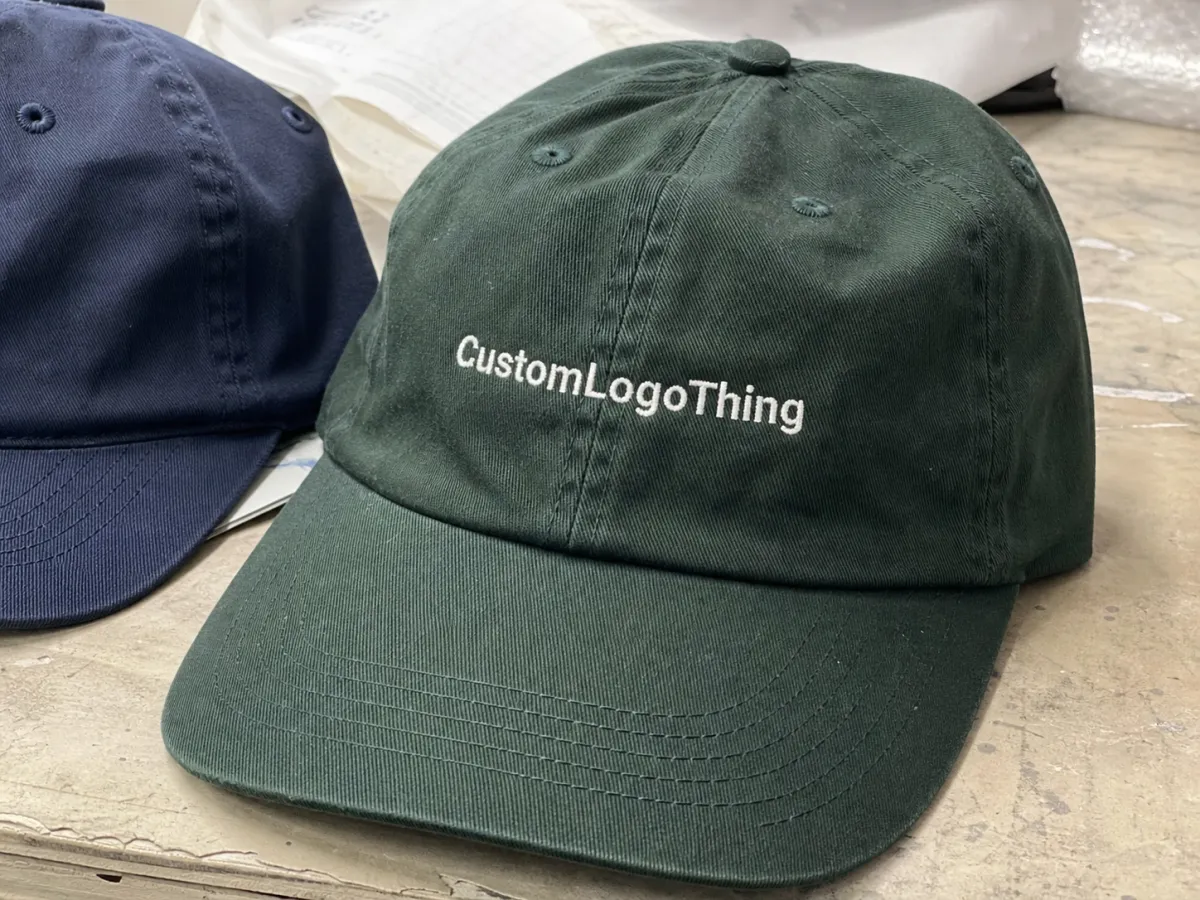
Trade show unstructured dad hats Bulk Order Planning sounds simple until the hats have to survive shipping, booth traffic, tote bags, and a long day of being handled by people who are already carrying ten other things. A hat at a show is not just swag. It is a wearable ad that has to fit well, look decent after travel, and actually get worn after the event. That is the whole job.
Unstructured Dad Hats make sense for a lot of trade show programs because they are low-profile, softer in the front panel, and easier to wear across a wider audience. They do not look as stiff or as aggressively branded as some structured caps. That matters when the goal is approachability, not looking like a minor league batting practice giveaway.
If a hat looks good on a display wall but feels awkward in a tote bag, it was the wrong hat for the event.
The biggest mistake I see is buyers chasing unit price and ignoring how the hats will be displayed, handed out, worn, and reordered. A cheap cap that never gets worn is expensive. A slightly better one that people keep wearing after the show earns its keep fast. The real buying job is not “find the cheapest blank.” It is “buy the right cap, decorate it cleanly, and get it there on time.”
For a working bulk order, the decisions that matter are pretty straightforward: style, decoration method, minimums, timing, and total landed cost. If you keep those five pieces clear, trade show unstructured dad hats Bulk Order Planning gets a lot less messy and a lot more predictable.
Why Unstructured Dad Hats Work for Booths and Giveaways
The softer silhouette is the main reason these hats sell well for events. People can wear them for a full booth shift, a sponsor dinner, a street team push, or the trip home without feeling like they are wearing a helmet with a logo on it. That increases the chance the hat stays in rotation after the show, which is exactly what you want from a promo piece.
Compared with structured caps, unstructured hats feel less rigid and less formal. That gives them a more casual, approachable look. For brands that want to feel friendly, lifestyle-driven, or founder-led, that tone is often a better fit than a sharp athletic shape. It is a small styling choice with a real brand effect.
They work especially well for:
- Staff uniforms that need comfort all day
- VIP gifts that should feel useful, not disposable
- Bundle kits with notebooks, shirts, or bottles
- Reseller inserts and event merch tables
- Street marketing where wear rate matters more than flash
Where they are weaker is also pretty clear. If the logo has to read from across the hall, or the brand wants a premium athletic look, a structured cap may do a better job. If the brief is “make the logo huge and impossible to miss,” unstructured is not always the best answer. That is fine. Not every hat needs to do the same job.
From a buyer’s point of view, the best trade show hat is the one that gets worn. Comfort, fit, and repeat use matter more than the cheapest blank in the catalog. That is especially true for trade show Unstructured Dad Hats Bulk Order planning, where the event itself is only the first mile of the product’s life.
Fabric, Crown, Closure, and Decoration Choices That Matter
Buyers usually start with color. Fair enough. But the spec stack matters more than most people expect. Cotton twill is common because it feels natural and takes embroidery well. Brushed chino has a slightly cleaner hand feel. Garment-washed finishes create a more worn-in look, which can help if the brand wants a softer, everyday style. If the sample photos look good but the fabric feels flimsy, keep moving.
The crown and panel structure affect how the logo sits. A lower crown gives the hat that classic dad-hat profile. Seam construction affects whether the front panel lays cleanly or buckles around a large logo. Sweatband quality matters too, especially if the hats will be worn on a hot show floor or during long travel days. People notice comfort before they notice spec sheets.
Closure choice is one of those details people ignore until the order is already in motion:
- Self-fabric strap feels classic and casual, with a lower-cost profile.
- Metal buckle gives a more finished look and usually holds up better over time.
- Tri-glide is simple, adjustable, and common in bulk programs.
- Slide closure is quick to adjust and often preferred for easy wear.
For decoration, flat embroidery is the safest choice for most trade show runs. It reads cleanly, works on a wide range of logos, and holds up well in transit. Patches add texture and can make a hat feel more premium. Woven labels can carry detail that embroidery sometimes loses. Print can work for simpler budget runs, but it is not my first pick when the cap itself needs to do the heavy lifting.
Logo placement also changes the result. Center-front embroidery gives the strongest booth visibility. A side hit feels quieter and more apparel-driven. Back placement can work if the front needs to stay clean for style or sponsor reasons. The wrong placement can make a good logo look cramped, and that is usually a preventable mistake.
Before production starts, ask for a digital mockup, a stitch-count check, and a size confirmation on the actual cap style. If the logo is detailed or the material is unusual, sample approval is worth the extra day. No one enjoys explaining why a seven-letter logo turned into a tiny puck on a low-profile front panel.
For buyers managing recurring programs, our Wholesale Programs page is a useful place to compare repeat-order options and pricing structure.
Pricing, MOQ, and Unit Cost Breakpoints
Price depends on more than the blank cap. The biggest drivers are blank quality, decoration method, stitch count, number of logo colors, labeling, packaging, and rush production. If you want a clean quote, all of those need to be visible. Otherwise the “great price” turns into add-ons fast.
MOQ is a practical issue, not a moral one. Stock blanks often start around 100 to 250 pieces. If you want custom details, specialty decoration, or mixed sizes and colors, the minimum usually climbs. That is normal. The factory has to set up the line, and setup costs do not care about optimism.
| Quantity | Typical Decorated Unit Price | Best Use | Notes |
|---|---|---|---|
| 100 | $5.80-$8.50 | Small booth run or test event | Good for first-time orders, but setup cost is spread over fewer hats |
| 250 | $4.90-$7.20 | Standard trade show handout | Often the first tier where pricing starts to feel more reasonable |
| 500 | $4.20-$6.10 | Regional events or multi-day campaigns | Usually a meaningful step down in unit cost |
| 1,000 | $3.60-$5.40 | National rollouts or repeat programs | Best value if you have storage and demand to match |
That table is directional, not a promise. A simple one-color embroidered logo on an in-stock blank will sit on the lower end. A patch, extra thread colors, inside labeling, or special packing will push the number up. Freight also matters, especially on larger cartons. Comparing only the hat price is lazy and usually wrong.
If you want to control spend, use one thread color, keep the logo size moderate, choose an in-stock blank color, and skip custom packaging unless the event actually needs it. A matte hangtag and a fancy insert can be useful for premium gifts, but they are not free and they do not magically improve fit.
For buyers trying to line up a budget with a show calendar, the cleanest way to think about trade show unstructured dad hats Bulk Order Planning is total landed cost, not just the decoration line. That means unit price, setup, packaging, freight, and any rush fee all in one view.
Process, Timeline, and Turnaround From Proof to Delivery
A good order follows a pretty standard path: inquiry, quote, artwork check, mockup, approval, production, quality control, packing, and shipment tracking. The sequence sounds boring because it should be. Boring is better than a rushed reprint two days before the show.
For timing, stock blank embroidery can move fast once artwork is approved. Patch work, custom labels, or larger runs need a longer runway. As a working range, simple stock blank runs often take about 7 to 10 business days after proof approval. More involved jobs usually need 2 to 4 weeks. Freight time is separate. That gets missed all the time.
The main things that slow orders down are easy to spot:
- Late artwork files that need cleanup
- Logo files with weak resolution or messy vector paths
- Multiple revision rounds on placement or sizing
- Shipping addresses changing after production starts
Build in a buffer. Do not plan delivery for the day before the show. Plan for the hats to arrive early enough to inspect them, count them, and get them where they need to go. That gives you room for freight delays, a carton problem, or a final correction if one is needed. A buyer who protects the deadline usually looks a lot smarter than a buyer who saves two days and loses one week.
For shipments that include printed inserts, mixed cartons, or heavier packed kits, carton handling matters more than most people assume. If you need a sanity check on shipping abuse testing, the standards listed by ISTA are worth reviewing. If your order includes paper inserts, hangtags, or outer packaging that needs certified sourcing, FSC is the label to ask about.
That kind of planning is not overkill. It is what keeps a trade show order from turning into a panic order.
Quality Control, Packing, and Reorder Support
Quality control matters more than first-time buyers expect. A hat with uneven stitching, a weak front panel, or a loose closure looks fine on a screen and sloppy in person. Trade show lighting is not forgiving. Neither is a buyer who picks up three samples and spots the problem in ten seconds.
Good QC should check stitch alignment, color matching, logo placement, panel symmetry, and a random carton inspection before shipment. If embroidery is involved, thread tension should be consistent. If patches are used, the edge finish should be clean and centered. If the order includes mixed colors, each colorway needs to be checked against the approved mockup, not against somebody’s memory of the mockup.
Packing style should match the event plan:
- Bulk packed keeps cost lower and works for warehouse receiving.
- Banded or polybagged helps event teams hand out hats faster.
- Mixed cartons help when you are building kits or shipping to multiple teams.
Reorders are easier when the first order is documented well. Saved specs, repeatable decoration settings, and color records cut down on mistakes the next time around. If the first run was approved cleanly, the second one should not feel like a new project. It should feel like a repeat order.
Split shipping also matters more than people think. A lot of trade show programs need hats shipped to a warehouse, a headquarters office, and the show site. If your supplier can handle multi-destination delivery, that saves someone from repacking cartons in a hallway like it is a weekend moving job.
For standard ordering questions, our FAQ covers the basics on approvals, shipping, and production timing.
What to Send for a Fast Quote and Clean Approval
If you want a quick quote, send the basics in one message: target quantity, preferred blank color, decoration method, logo file, delivery date, and ship-to zip code. That is enough for a serious answer. If you leave out three of those pieces, the quote will be vague, and vague quotes waste time.
If you are undecided, ask for two or three options at different price points. That is a better move than guessing. For example, compare a simple embroidered version, a patch version, and a version with cleaner packaging. Then decide based on event goals, not on whichever mockup happened to arrive first.
Ask for a mockup that shows logo size and placement on the actual cap style. A flat template is not enough for a low-profile unstructured crown. The curve, panel shape, and stitch density all affect how the logo reads once the hat is sewn.
If color standards are strict, request a sample or a blank comparison. That is especially useful when the brand has an exact tone in mind or when the event kit has to match other materials. Texture can change the way a color reads, and that catches teams off guard more often than it should.
Clean approval saves money. Clear specs, one round of corrections, and a firm delivery date are the difference between an orderly job and a rushed one. That is the real heart of trade show unstructured dad hats bulk order planning: send the right details, confirm the deadline, and keep the order simple enough to produce well.
What is the best MOQ for trade show unstructured dad hats?
For stock blanks, 100 to 250 pieces is often the practical starting range. If you want better pricing, 500 pieces usually improves unit cost noticeably. Custom colors, special labels, or mixed decoration can push minimums higher.
Which decoration method works best on unstructured dad hats for trade shows?
Flat embroidery is the safest choice for clean logos and broad appeal. Patches work well when you want texture or a more premium event look. Avoid tiny details that will disappear on a low-profile front panel.
How long does a bulk order usually take after proof approval?
Simple stock blank runs can move in about 7 to 10 business days. Patch work, custom labeling, or larger quantities usually need 2 to 4 weeks. Freight time is separate, so do not treat production turnaround as final delivery.
Can I mix hat colors or logo versions in one bulk order?
Yes, but each color or version may count as a separate setup or production line. Mixing colors can raise the unit cost if quantities are split too thin. Ask for pricing both ways before deciding on a mixed run.
What do you need for a fast quote on trade show hat orders?
Send quantity, logo file, preferred decoration method, and delivery deadline. Include the destination zip code and any packaging or split-shipment needs. If you want faster approval, ask for a mockup with the exact hat style. That is the cleanest way to keep trade show unstructured dad hats bulk order planning on schedule.


