Hotel amenity box sleeves cost less than most buyers expect, and that is usually the first good surprise in the project. If your base box already works, a printed sleeve can change the guest-facing presentation without forcing you to rebuild the whole package system from scratch. That matters because hotel amenity box sleeves cost is not just a price question; it is a packaging strategy question with real budget consequences.
From a packaging buyer's point of view, the sleeve is the fast, controllable layer. You get branding, property differentiation, and a cleaner shelf presentation without paying for a full carton redesign. That is why hotel amenity box sleeves cost usually sits in a friendlier range than a new rigid box, especially if you already have inventory to use up. A lot of teams like the idea, then realize the bigger win is not just savings but flexibility.
For Custom Logo Things, the real job is not to quote the cheapest number and call it a day. It is to help you compare hotel amenity box sleeves cost against the value of a quicker refresh, lower risk, and better control over quantities. If you want the short version, the right sleeve spec can save money in both production and inventory. The wrong spec can turn a simple order into a headache with setup charges, reproofs, and ugly overbuying.
Why hotel amenity box sleeves cost less than a full redesign
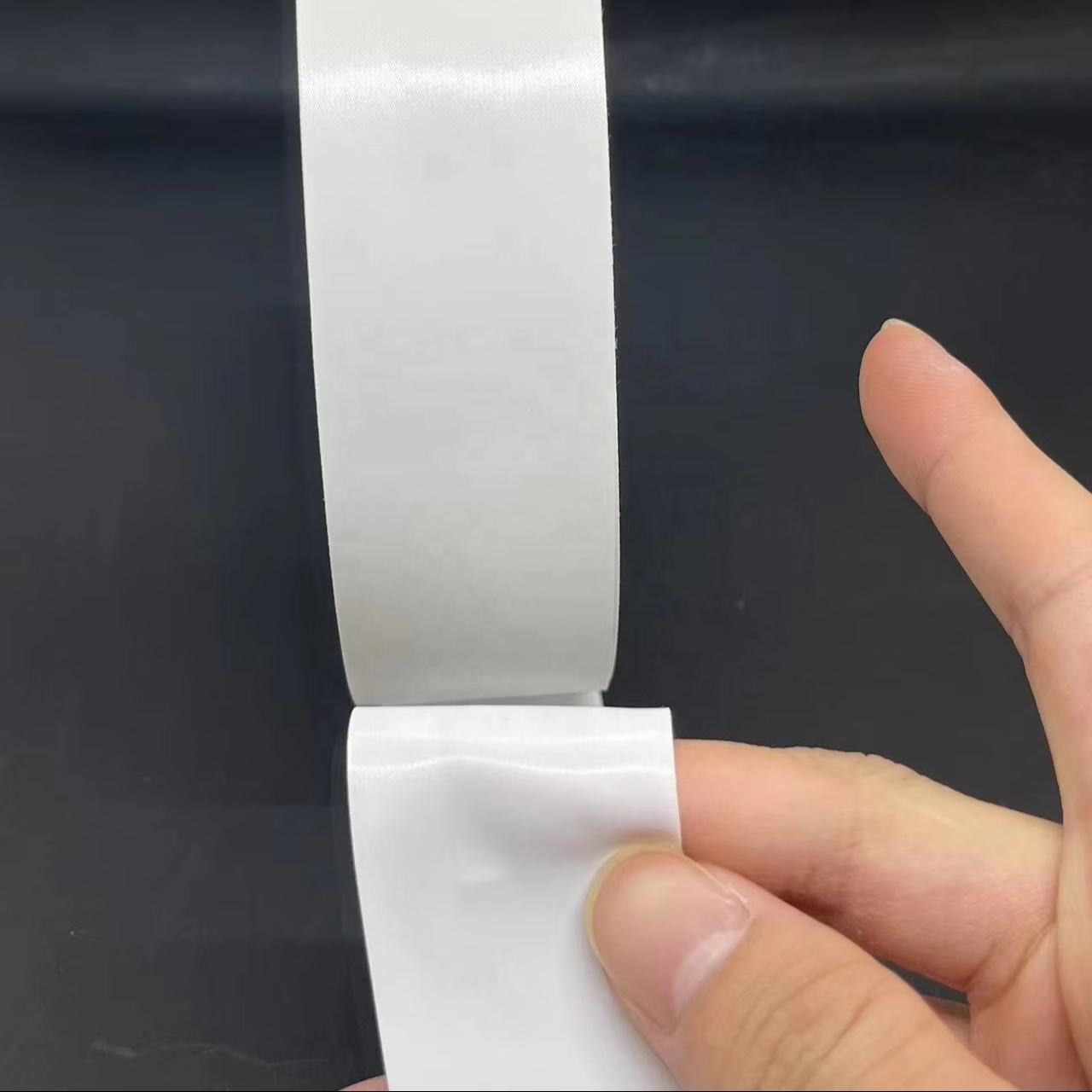
The basic reason hotel amenity box sleeves cost less than a full redesign is simple: you are paying for a wrap, not an entire structural package. Less board, fewer production steps, and less assembly work usually mean a lower quote. That does not make sleeves cheap in every case, but it does make them a practical way to update guest-facing branding without spending money where it does not move the needle.
Most buyers miss one detail. The amenity box itself is often already doing the heavy lifting on protection and function. The sleeve is what guests see first, and that means a printed wrap can make a plain setup look intentional, branded, and property-specific. You are buying visual impact, not structural reinvention. That is why hotel amenity box sleeves cost is often easier to defend to finance than a full box retool.
There are a few situations where sleeves are the smarter move:
- Seasonal branding: holiday programs, summer campaigns, spa launches, or limited-time amenities can use the same base box with a new outer sleeve.
- Multi-property rollouts: if different hotels share the same amenity structure but need local branding, sleeves keep the format consistent while changing the look.
- Test runs: if you want to see how guests respond before committing to a new carton system, sleeves let you test the market with less risk.
- Inventory cleanup: if you already have box stock in the pipeline, sleeves let you use it instead of scrapping or discounting that inventory.
That last point matters more than people admit. A full redesign can look elegant on paper and still waste money if existing carton inventory has to be written off. Hotel amenity box sleeves cost less because they let you improve presentation while keeping the old structure in play. That is not flashy. It is just good purchasing.
There is also speed. Fewer components usually mean simpler approvals, faster artwork changes, and easier production scheduling. If the hotel needs a refresh before a seasonal launch, you do not want to spend weeks debating structural dielines when a sleeve can solve the visual problem with less friction. In practice, hotel amenity box sleeves cost less partly because the project has fewer moving parts.
For buyers who care about shipping durability, standardized shipping tests still matter. If sleeves are traveling with filled amenity kits or to multiple properties, it makes sense to ask how they will perform in transit. The ISTA testing framework is a useful reference when packaging needs to survive handling, stacking, and distribution. You do not need to overengineer everything, but you should not ignore logistics either.
Honestly, the smartest hotel programs use sleeves as a controlled brand update, not a vanity project. That is the difference between spending money and spending money well. Hotel amenity box sleeves cost less because the package stays disciplined, and because the scope stays focused on what guests actually see.
What hotel amenity box sleeves actually include
A hotel amenity box sleeve is a printed wrap designed to fit over an existing amenity box. That sounds basic because it is basic. But the details decide whether the final result feels polished or cheap. A good sleeve can carry a logo, scent line, room type, collection name, or property message without overwhelming the box underneath.
Common sleeve constructions usually fall into three buckets:
- Coated paperboard: a standard option for clean print quality, crisp color, and reasonable stiffness.
- Uncoated card stock: useful when the brand wants a more natural, tactile feel and less glare.
- Heavier stock or light rigid board: better when the sleeve needs more body, stronger shelf presence, or a premium unboxing feel.
Material choice changes the feel immediately. A 250gsm to 350gsm coated stock will usually deliver a neat, economical look. Move up in thickness and you gain stiffness, but you also add cost and sometimes longer production time. If the sleeve is only meant to brand a standard amenity box, you do not always need a thick board. If the guest-facing presentation is the selling point, then a heavier stock can be worth the extra spend. I have seen teams over-spec a sleeve just because it sounded premium, then wonder why the numbers crept up for no real benefit.
Finish is the other big personality choice. Matte gives a restrained, upscale look. Gloss pushes color harder and can make photography or logos pop. Soft-touch adds a smoother, more premium tactile feel, though it usually increases hotel amenity box sleeves cost because it adds a specialty coating step. Spot varnish or foil can create a focal point, but those effects should be used with restraint. Too much decoration and the sleeve starts looking like it is trying too hard.
There are a few compatibility details that should be checked before any order is placed:
- Exact box dimensions: width, depth, and height must be measured on the actual box, not guessed from a spec sheet.
- Sleeve tolerance: the wrap needs enough room to slide on cleanly without wobbling or scuffing the box.
- Fold direction: the panel layout should match how the sleeve is assembled or opened.
- Shipping format: confirm whether the sleeves ship flat for on-site assembly or pre-formed for faster pack-out.
A lot of avoidable cost comes from vague dimensions. A sleeve that is 2 mm off can still be "close" on paper and wrong in production. That is why hotel amenity box sleeves cost can jump once the measurements are corrected. The printer is not being difficult. The artwork and die line need to match reality.
For brands that care about sourcing, paper certification also comes up often. If sustainability is part of the brief, FSC-certified paper is worth asking for, especially on guest-facing packaging. The FSC standard is a straightforward benchmark for responsibly sourced materials. It will not magically lower hotel amenity box sleeves cost, but it can support the brand story and procurement requirements.
One more practical point: the sleeve is usually a simple printed component, but it still deserves proper prepress checking. Small shifts in trim, color density, or fold position can show up fast on a narrow wrap. That is why the best hotel amenity box sleeves cost estimates come after the dieline is reviewed, not before.
Hotel amenity box sleeves cost: the specs that move price
If you want a real answer on hotel amenity box sleeves cost, stop asking for a generic quote and start listing the specs that actually move the number. Size, stock thickness, print coverage, finish, and quantity all matter. Those are not minor details. They are the quote.
The first driver is sleeve size. A narrow wrap around a compact amenity box uses less board and nests more efficiently on the press sheet. A wide sleeve with extra panel coverage consumes more material and lowers yield. Even a small change in width or depth can affect layout efficiency, which is why exact measurements matter before anyone talks about hotel amenity box sleeves cost.
Print coverage is the next big lever. A simple one-color logo on one panel is very different from a full-wrap, full-color design with both sides printed and extra end panels. More ink, more setup work, more prepress checks. If the artwork uses dark solids or heavy backgrounds, you may also see more attention on color consistency, which can affect setup time and proofing.
Stock thickness influences both feel and price. Heavier stock gives the sleeve more structure and a cleaner premium presentation. Lighter stock can work for high-volume properties where the sleeve is more about branding than luxury. In most quoting conversations, I tell buyers to compare two versions: one value build and one premium build. That makes hotel amenity box sleeves cost easier to judge because you can see what the extra dollars actually buy, instead of just staring at a single number and hoping it makes sense.
Finish is often underestimated because it looks like a small line item. It is not always small. Matte lamination, soft-touch coating, spot UV, and foil all add production steps. Some also slow turnaround because they require extra curing, handling, or inspection. If the hotel launch date is fixed, the finish choice can matter as much as the print design.
Here is a practical comparison of typical sleeve choices and how they influence hotel amenity Box Sleeves Cost:
| Option | Typical MOQ | Typical Cost Per Piece | Best For | Tradeoff |
|---|---|---|---|---|
| Simple uncoated sleeve, 1-2 colors | 500-1,000 | $0.18-$0.35 | Budget-friendly guest room kits and high-volume orders | Less visual impact and fewer premium finish options |
| Coated full-color sleeve | 1,000-3,000 | $0.28-$0.55 | Standard branded amenity programs | Higher setup charges than a simple logo wrap |
| Heavy stock with matte or soft-touch finish | 1,000-5,000 | $0.45-$0.85 | Upscale properties and premium presentation | Higher unit cost and slower finishing |
| Special effects, such as foil or spot UV | 2,000+ | $0.60-$1.20 | Signature launches or luxury brand programs | More tooling fees, more proofing, and higher waste risk |
Those ranges are not fantasy numbers. They reflect the fact that hotel amenity box sleeves cost moves with setup, material, and finish just like any other printed packaging. If someone quotes far below the range without asking for dimensions or artwork details, that usually means they are guessing. Guessing is not procurement.
Custom sizing is where the quote can change fastest. A few millimeters might not sound like much, but on a sleeve it can affect trim waste, placement, fold structure, and the number of pieces that fit on a sheet. If the box is unusually tall, narrow, or deep, the printer may need a different dieline and layout. That affects hotel amenity box sleeves cost more than most people expect.
Tooling fees also come up on custom projects. On some sleeve builds, the die line is straightforward and the setup is minimal. On others, especially with more complex cuts or specialty finishing, you may see tooling fees or added setup charges. That does not mean the job is overpriced. It means the packaging has real production steps attached to it.
If you want cleaner comparisons, ask for two quote options:
- Value version: standard stock, efficient print coverage, simple finish.
- Premium version: heavier stock, upgraded finish, and richer print detail.
That approach gives you a real view of hotel amenity box sleeves cost without making the buyer decode a vague one-line estimate. It also helps hotel teams align the package with the room rate, property tier, and guest expectation. A budget property and a luxury suite should not pay for the same sleeve spec. That should be obvious, but apparently it is not.
Bottom line: the spec sheet is the pricing sheet. Hotel amenity box sleeves cost is driven by measurements, print area, finish, and order size, not by wishful thinking.
Pricing, MOQ, and unit cost breakdown
Let's talk numbers the way a buyer actually uses them. Hotel amenity box sleeves cost has a shape to it: short runs cost more per piece, and larger runs reduce the unit cost. That is normal. The trick is finding the quantity where the cost per piece makes sense without burying cash in inventory you do not need yet.
MOQ matters because it defines the lowest practical starting point. Digital printing usually supports smaller runs, which helps if you want to test a new property, room type, or amenity line without a massive commitment. Offset printing and specialty finishing can push the MOQ higher because the setup work needs enough volume to make the job efficient. If your reorder risk is high, starting too large is often the expensive mistake.
Here is a simple way to think about hotel amenity box sleeves cost across volume bands:
- Low quantity: higher unit cost, lower inventory risk, best for testing or very small properties.
- Mid quantity: usually the best balance between bulk pricing and manageable stock.
- High quantity: lowest unit cost, but more cash tied up and more storage required.
Most buyers focus on the quoted price and ignore the real landed cost. That is a mistake. A quote should include material, print method, finish, die-cutting, proofing, packing, and freight. If shipping is missing, the quote is incomplete. If proofing is missing, it is risky. If assembly or special pack requirements are relevant, those should also be clear before the order is approved.
Here is a more practical pricing framework for hotel amenity Box Sleeves Cost:
| Order Size | Expected Unit Cost Behavior | Inventory Risk | Best Use Case |
|---|---|---|---|
| 500-1,000 | Highest cost per piece because setup charges are spread across fewer units | Low | Prototype, seasonal test, boutique property |
| 1,000-3,000 | Moderate unit cost with better bulk pricing | Medium | Most hotel amenity programs |
| 3,000-10,000+ | Lower cost per piece, better economies of scale | Higher | Multi-property rollout or stable SKU |
That table is the simple truth behind hotel amenity box sleeves cost. The bigger the run, the better the unit cost, but only if you can actually use the inventory before the design changes again. If your branding turns over often, chasing the lowest bulk pricing can backfire fast.
Some buyers ask about tooling fees as if they are a trap. They are not always a trap. Sometimes they are just the cost of making a proper die or finishing setup. If the sleeve is standard and the quantities are healthy, tooling fees may be minimal or built into the quote. If the shape is custom or the finish is unusual, expect more setup charges. That is normal production economics, not mystery pricing.
One thing I tell buyers bluntly: compare hotel amenity box sleeves cost against reorder frequency. If you buy 500 pieces today and reorder every month, a slightly higher unit cost may still be cheaper than overcommitting to 5,000 pieces that sit in storage for a year. There is no trophy for the lowest nominal price if the inventory keeps aging in a closet.
"The cheapest sleeve is not the cheapest order if you have to reprint it, store it too long, or scrap half of it."
That is also why quote requests should include the likely reorder pattern. A supplier can often suggest a better quantity break if they understand whether the project is a one-time launch or a repeatable program. Hotel amenity box sleeves cost should be evaluated as a purchasing cycle, not a single line item.
If the project needs to ship to several hotels, ask for a landed-cost quote. Freight to one central warehouse is very different from split shipments to multiple properties. Packaging cost is not just the print bill. It is the total delivered cost, and that is the number that affects your budget.
To be blunt, a low quote without freight, pack fees, or proofing is not a deal. It is a teaser. Hotel amenity box sleeves cost should be judged after every piece of the job is visible.
Process and timeline: from dieline to delivery
A clean sleeve order follows a fairly predictable path. First you confirm dimensions and quantity. Then the dieline gets built or checked. Then artwork is placed, proofed, approved, printed, finished, packed, and shipped. That sounds straightforward, and mostly it is, but every one of those steps can add time if the brief is vague.
The first stage is measurement. Measure the box exactly and note the area the sleeve should cover. Do not estimate from memory. Do not round up because it "looks about right." If the box is already in use, measure the actual production unit. In packaging, "close enough" is how you end up with a sleeve that scrapes, slides, or leaves a bad gap. That is also how hotel amenity box sleeves cost rises because rework is never free.
The proofing stage is where money is often saved. A proper proof catches panel shifts, trim line issues, color balance problems, and fold direction mistakes before production starts. A lot of buyers rush this step because they want to hit a launch date. That is understandable. It is also how simple jobs get expensive. A one-hour proof review can save days of avoidable trouble later.
Timing depends on the spec. Simple sleeve runs with standard stock and straightforward artwork can move quickly. Add soft-touch coating, foil, or multiple approval rounds, and the schedule stretches. If a hotel opening or brand refresh date is fixed, the production calendar should be built backward from that date, not forward from "whenever art is ready."
Typical timing, once artwork is approved, often looks like this:
- Standard runs: about 10-15 business days for production, depending on the schedule and finish.
- Special finishes: about 15-20 business days, sometimes longer if the coating or foil step needs extra handling.
- Rush jobs: possible in some cases, but they usually raise hotel amenity box sleeves cost and reduce flexibility.
Those numbers are realistic enough for planning, but they are still ranges. A supplier should confirm them after seeing the artwork, quantity, and stock choice. There is no honest way to promise exact lead time before the job is defined. Anyone who does is selling optimism, not production.
If the order is tied to a property rollout, partial shipment may be worth discussing. Sometimes the first group of sleeves can ship to the most urgent locations while the rest finish production. That can help a hotel stay on schedule without forcing a rushed spec change. It can also make hotel amenity box sleeves cost easier to control if the project is split into sensible phases.
Shipping and packing also matter more than buyers expect. Sleeves often need to arrive flat, squared, and protected from edge damage. If the cartons are going to a central warehouse, that is simple. If they are being split across properties, the freight plan needs more care. Packaging should not arrive bent because someone saved a small amount on shipping and lost the entire presentation value.
For sustainability-sensitive programs, ask about paper sourcing and material efficiency early. That does not mean every sleeve needs the most expensive ecological option. It means the supplier should be able to tell you what paper stock is used, whether FSC material is available, and how the print process affects waste. Good packaging work has to balance brand, budget, and responsible sourcing. One of those should not erase the others.
In short, hotel amenity box sleeves cost is linked to time as much as materials. Faster usually means more expensive. More finishes usually means more checks. Simpler artwork usually means fewer headaches. That is not glamorous, but it is how packaging actually moves through production.
Why choose us for hotel amenity box sleeves
Some suppliers only want to quote the job. Fine. But quoting is the easy part. The valuable part is helping you avoid the mistakes that inflate hotel amenity box sleeves cost before the order even reaches production. That is where a packaging partner earns its keep.
At Custom Logo Things, the useful work starts with the dieline and the measurements. If the sleeve is off by a few millimeters, the result will show it. If the artwork has a panel issue, it will show that too. Good prepress review is not glamorous, but it cuts down on reprints and keeps the project from drifting into avoidable expense.
Multi-property buyers need consistency most of all. Once the size, stock, and layout are approved, repeat orders should look the same from one location to the next. That means the color should stay stable, the cut should stay clean, and the fit should not change because someone "made a small update" without saying so. Predictability is a bigger value than people admit. It keeps hotel amenity box sleeves cost under control across future orders.
Support also matters because a good quote is not always a low quote. Sometimes the supplier who asks the better questions ends up saving the buyer more money than the lowest bidder. If they catch a bad size, suggest a better stock, or warn you about finish delays, that is useful work. Honestly, that is worth more than a shiny number written on a quote sheet.
Here is what buyers usually want from the relationship:
- Clear measurements: no guesswork on fit.
- Practical stock advice: enough stiffness without paying for unnecessary weight.
- Repeatability: the second order should match the first.
- Budget visibility: setup charges, tooling fees, and freight should be clear before approval.
- Stable communication: one clean approval path instead of three people rewriting the job.
The operational side matters too. Hotels often reorder packaging on a calendar, not just on demand. If a supplier can keep the artwork, dimensions, and production notes organized, procurement teams do not have to rebuild the spec every time. That saves time, and time saves money. No drama. No mystery. Just a cleaner process.
From a buying standpoint, the best supplier is the one that helps you keep hotel amenity box sleeves cost aligned with the actual use case. A luxury suite, a boutique spa, and a midscale room all need different sleeve decisions. Pretending otherwise is how packaging gets overdesigned and overpriced.
If you are comparing options, ask for the quote to spell out:
- Material and stock thickness
- Print coverage and color count
- Finish type
- MOQ and expected unit cost
- Setup charges or tooling fees
- Packing and freight terms
That list gives you a real apples-to-apples comparison. It also makes hotel amenity box sleeves cost easier to defend internally, because finance can see exactly what is being paid for. That is usually the difference between approval and a round of pointless questions.
Next steps to get an accurate quote
If you want an accurate answer on hotel amenity box sleeves cost, start with the measurements. Exact width, depth, and height are non-negotiable. If the sleeve covers only part of the box, note the visible area and where the print should stop. The more precise the dimensions, the fewer surprises in the quote.
Next, decide the quantity and the finish level. Quantity changes the Unit Cost Fast. Finish changes it almost as fast. If you want to compare options, ask for a value build and a premium build in the same request. That makes it much easier to judge hotel amenity box sleeves cost without relying on guesswork.
Then send artwork or a rough concept. Even a simple mockup helps the supplier check how much of the sleeve is covered, where the logo lands, and whether any panel content needs to be moved. If final artwork is not ready yet, a placeholder file is still useful for budgeting. Just do not pretend that a rough estimate is the final number. It is not.
For a quote request that actually works, include:
- Exact box dimensions
- Quantity needed
- Preferred material or stock weight
- Finish preference
- Print sides and color count
- Delivery location or locations
- Target date or launch date
If you need to compare materials, ask for a sample pack or proof. A paper sample can tell you more than a spec sheet ever will. Thickness, coating feel, and surface texture all affect how the sleeve reads in a real room. If the order will ship to multiple properties, ask for a landed-cost quote so freight is part of the decision. Otherwise you are comparing half the number.
One more practical point: if the timeline is tight, say so early. Rush production can limit stock options and push hotel amenity box sleeves cost higher. That is normal. It is better to be upfront than to discover the schedule problem after the artwork is already approved.
My advice is simple. Compare the quote against the role the sleeve has to play. If it is there to refresh an existing amenity box, you do not need to overspend. If it is there to carry a premium guest experience, the finish and stock should support that message. Either way, hotel amenity box sleeves cost should be tied to use, not ego.
Request the estimate, check the specs, and compare the landed numbers. That is how you avoid overbuying, reduce waste, and get a sleeve that does the job without turning into an unnecessary expense. If you want a clean budget decision, hotel amenity box sleeves cost should be treated like any other production buy: measured, compared, and approved with your actual room program in mind.
FAQ
What affects hotel amenity box sleeves cost the most?
The biggest drivers are sleeve size, stock thickness, print coverage, finish, and order quantity. Custom dimensions and specialty coatings usually raise hotel amenity box sleeves cost more than a simple logo change. Shipping and packing can matter just as much as print price if the order is moving to multiple properties.
What is the usual MOQ for hotel amenity box sleeves?
MOQ depends on the print method and finishing, but smaller digital runs are usually easier to start with than offset jobs. If you need a low-risk test order, ask for tiered pricing so you can compare small, medium, and larger runs. MOQ should be judged against reorder frequency, not just the lowest possible starting number.
Can I get a quote for hotel amenity box sleeves before final artwork is ready?
Yes, as long as you can provide the box dimensions, quantity, material preference, and general print direction. A rough quote is useful for budgeting, but final pricing should be confirmed after the artwork and dieline are approved. If the design is still moving, expect hotel amenity box sleeves cost to shift once panel coverage or finishing changes.
Are hotel amenity box sleeves cheaper than fully printed boxes?
Usually yes, because sleeves use less material and can refresh an existing box instead of replacing the whole structure. They are especially cost-effective when the base box is already in inventory and only the branding needs an upgrade. Always compare total landed cost, including assembly and freight, before assuming the sleeve is automatically the cheaper option.
How do I get the most accurate hotel amenity box sleeves quote?
Send exact dimensions, quantity, stock preference, finish, print sides, and delivery location. Include the artwork or a clear mockup so the supplier can check fit and layout before pricing. If lead time matters, say so early; rush timelines can change production method and total hotel amenity box sleeves cost.


