Tea Brand Box Sleeves Cost: Get a Fast Custom Quote
Tea Brand Box Sleeves cost less than most teams expect, and that is exactly why they show up so often in thoughtful tea packaging plans. If you already have a folding carton, a rigid box, or a stock tea box that handles the structure well, a sleeve gives you a new branded surface without rebuilding the entire package from scratch. The budget stays centered on the part shoppers see first: the identity, the shelf impact, and the feeling the product creates before anyone even opens it.
From a packaging buyer's point of view, tea Brand Box Sleeves cost is never just a unit number. It sits inside a larger set of choices: setup, paper stock, print coverage, minimum order quantity, finish selection, and how often the artwork needs to change. A seasonal chai line, a sampler pack, and a premium gift set each need something a little different. The work is to choose the sleeve spec that strengthens the shelf story without filling the warehouse with dead stock or quietly inflating the packaging budget.
Why tea brand box sleeves cost less than full custom boxes
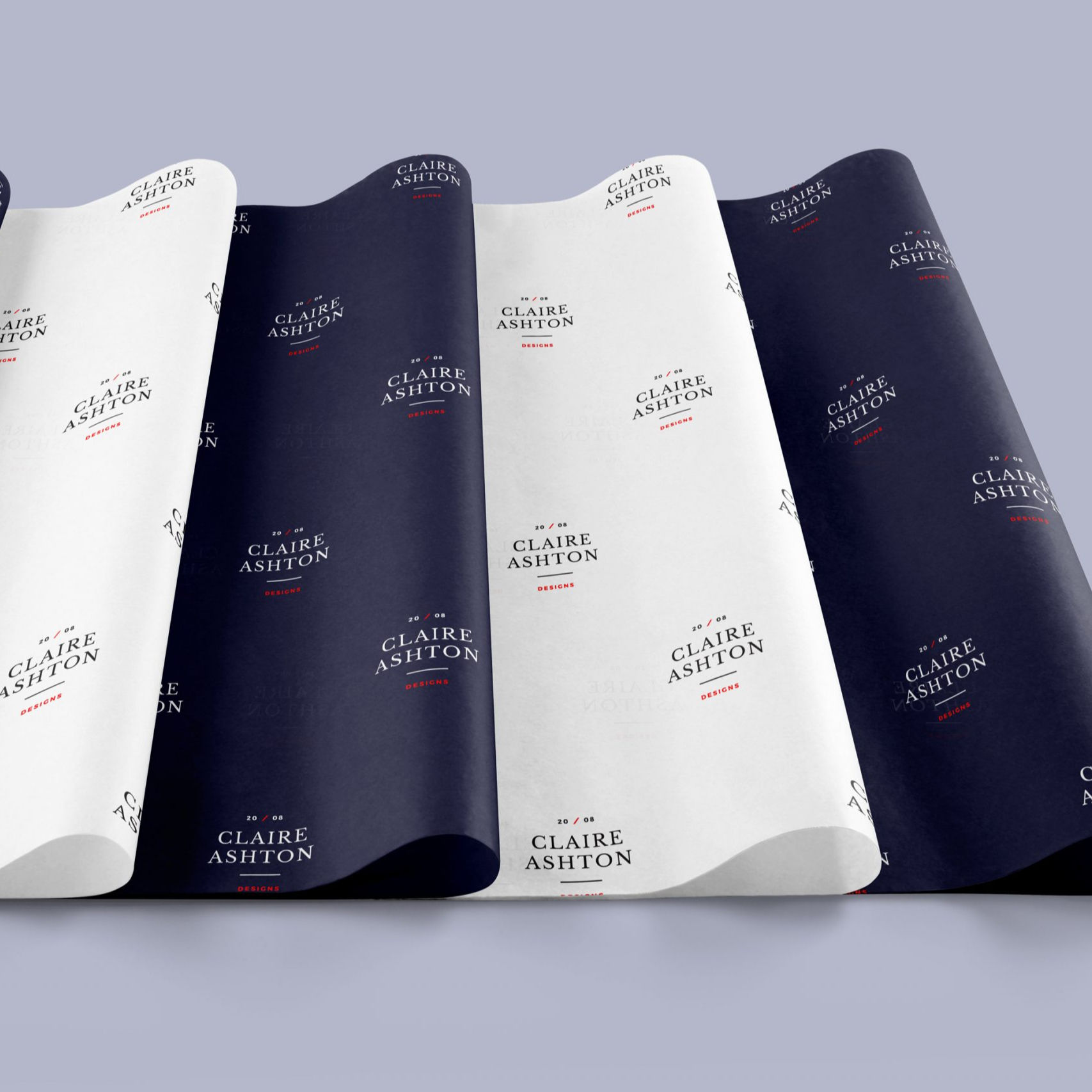
The practical reason tea brand box sleeves cost less than a full custom box program is simple: the sleeve does one job and does it well. It carries the visual branding, flavor cues, compliance copy, and premium signals over an existing package while the base box stays in place. That removes structural development, cuts down on print complexity, and avoids paying for a brand-new carton system when the current one is already doing its job.
That difference matters more than many buyers realize. A full custom box often brings new dielines, extra folds, more samples, more approvals, and more scrap if the first version needs correction. A sleeve skips a large part of that process. In many programs, tea brand box sleeves cost runs about 20% to 45% lower than a comparable full box refresh at similar volumes, depending on stock and finishing. The gap can widen when the base box is already in inventory and the brand only needs a new outer look.
Inventory planning is another quiet advantage. Tea brands launching rotating blends, holiday tins, or short-run editions do not want a warehouse full of cartons that become obsolete after one season. Sleeves let the base pack remain stable while the outer graphics change. That makes tea brand box sleeves cost easier to manage across multiple SKUs, because one sleeve can shift for a flavor update, a certification change, or a seasonal promotion without scrapping the whole box structure.
The strongest use cases are easy to recognize. Sleeves make sense for sampler packs, subscription inserts, gift sets, flavor-specific SKU groups, and limited editions that need shelf presence for a defined window. If a brand is selling five herbal blends and one matcha special, five separate box structures are usually overkill. One stable base paired with sleeves can create a family look that still lets each flavor stand apart. That is where tea brand box sleeves cost becomes a margin tool rather than a decoration expense.
A sleeve is not supposed to look cheap. It is supposed to be the least wasteful way to make the package sell better. That distinction matters. Clean artwork, a tight fit, and a restrained finish choice can deliver a premium result without forcing the project into structural overdesign. Tea brand box sleeves cost can stay sensible while the pack still feels polished and retail-ready.
If the base box already works, a sleeve is often the smartest place to spend money. If the base box does not work, a sleeve will not rescue it. Packaging is not magic. It is math with a brand on top.
I have seen teams try to use a sleeve to patch over structural problems, and it almost always turns into a pricey detour. When the carton crushes in transit or the opening experience feels flimsy, the sleeve can only dress it up, not fix it. That is why the best sleeve programs start with a box that already functions well. Then the sleeve can do what it does best: add clarity, lift the shelf face, and keep tea brand box sleeves cost under control.
Tea brand box sleeves cost also stays easier to control when artwork changes happen often. Need a new origin story, a holiday motif, a stronger claims panel, or a different flavor hierarchy? Update the sleeve and keep the carton. That keeps the workflow cleaner, reduces sampling rounds, and lowers the odds of a late-stage packaging surprise.
What tea brand box sleeves include: materials, finishes, and fit
A box sleeve is a printed wrap that slides over an existing tea box or carton to add branding, ingredients, origin notes, regulatory copy, or promotional artwork. In practice, it acts as a flexible outer layer, one that can change the mood of the pack without changing the container beneath it. The fit has to be right and the finish has to feel intentional, or the sleeve starts to look like a loose afterthought instead of part of the package design.
Material selection affects tea brand box sleeves cost in a very real way. Common choices include SBS paperboard, coated art paper, kraft stock, and specialty papers with texture or recycled content. A 300 to 400 gsm SBS or art paper build is often a practical starting point for retail sleeves because it prints cleanly and holds shape well. Kraft suits brands that want an earthy tone and a quieter visual language. Specialty papers add texture and character, but that extra character comes with added cost and does not always improve sales enough to justify the jump.
Finishes are where tea brand box sleeves cost starts to move faster. Matte lamination gives the pack a softer, calmer premium feel. Gloss pushes color brightness and a more commercial look. Soft-touch can feel elegant in hand, although it may show handling marks more easily. Foil stamping, spot UV, and embossing can raise perceived value, but each one adds setup and processing. A cleaner spend usually comes from one strong finish rather than three modest ones stacked together.
Fit matters more than first-time buyers tend to expect. A sleeve that is even slightly loose can sit crooked on shelf. One that is too tight can tear, bow, or refuse to slide cleanly in production. Dimensions need to account for the board thickness, the glue seam, and the real tolerance of the box it will cover. A glued seam on the back often keeps the front face cleaner. Window cutouts, thumb notches, and custom silhouettes can add shelf presence, though they also add die complexity and influence tea brand box sleeves cost.
Artwork complexity changes the quote as well. Full-bleed graphics, inside print, multiple SKUs with color shifts, and dense text all add proofing time and production attention. A one-color minimalist sleeve on kraft stock is usually less expensive than a sleeve with four spot colors, foil, and an embossed logo. That does not mean simple is always better. It means the buyer needs to decide where the spend belongs: finish, color, or structure. Tea brand box sleeves cost is really the sum of those choices.
For premium tea lines, the sleeve also works as a practical compliance surface. It can carry net weight, ingredient statements, tea origin, brewing notes, barcodes, and recycling marks without forcing the inner box to carry every detail. That gives the designer more room to shape the visual story while keeping the pack useful and compliant. Plain packaging efficiency often beats elegant theory once the order reaches the press.
When the sleeve matches the carton well, the whole line feels more coherent. Tea brands often use the same base format across Earl Grey, jasmine, peppermint, and seasonal blends. A well-built sleeve helps those flavors feel related without turning them into identical twins. The shelf reads the brand family first and the SKU difference second, which is exactly the kind of structure that helps recognition build quickly.
Tea brand box sleeves cost: pricing, MOQ, and quote drivers
Tea brand box sleeves cost comes down to a handful of variables, and once those are clear, the quote starts to make sense. Size, stock, print coverage, number of finishes, die complexity, glue work, quantity, and shipping destination all matter. A sleeve for a single sachet pack is not priced the same way as a premium gift set sleeve with foil and a window. That should sound obvious, yet it gets missed often enough to cause avoidable back-and-forth.
MOQ matters because setup costs do not disappear just because the order is small. Prepress, file preparation, die cutting, folding, gluing, and finishing all need to be paid for somewhere. When the order is only a few hundred units, those fixed costs hit each sleeve harder. That is why tea brand box sleeves cost per unit drops as the quantity rises. The same setup spread across more pieces gives a better number. Fewer pieces do not get that benefit. The math may be dull, but it is honest.
Small runs usually carry a higher unit price, while larger runs move into much friendlier territory. Tea brand box sleeves cost for a test batch under 1,000 pieces can easily run more than double the per-unit price of a 5,000-piece order, especially if the job needs custom cutting or premium finish work. That is not a penalty so much as production spread across fewer sleeves.
Here is a practical comparison. These are typical ranges, not fixed promises. Tea brand box sleeves cost will vary with final size, stock, artwork, and the shipping destination.
| Program type | Typical quantity | Typical unit cost | Best use | Cost notes |
|---|---|---|---|---|
| Simple kraft sleeve, one color | 1,000-3,000 | $0.22-$0.48 | Natural tea lines, sample packs | Lower finish cost, cleaner art file, fewer setup steps |
| Full-color SBS sleeve | 3,000-10,000 | $0.14-$0.32 | Retail SKUs, core flavors | Balanced tea brand box sleeves cost and strong shelf color |
| Premium sleeve with foil or spot UV | 5,000-20,000 | $0.28-$0.65 | Gift sets, premium launches | More setup, more perceived value, higher tea brand box sleeves cost |
| Short-run rush job | Under 1,000 | $0.55-$1.25 | Testing, temporary promotions | Fast lead time usually pushes tea brand box sleeves cost upward |
That table is often the most useful part of the conversation because it shows why tea brand box sleeves cost should never be judged by unit price alone. A sleeve that is ten cents cheaper but tears, scuffs, or looks off-register is not saving money. It is buying a future complaint and probably a reprint. Cheap packaging that harms customer perception is just expensive packaging with a lower number on the invoice.
There are sensible ways to trim spend without making the pack look weak. Standardize sleeve sizes across multiple SKUs if the box formats are close. Reduce the number of special finishes. Keep the artwork modular so only the flavor panel changes. Use one texture well instead of layering matte, foil, and embossing all at once. Those decisions can reduce tea brand box sleeves cost by 10% to 25% on many programs, depending on the starting spec.
If you want a quote that can actually guide a buying decision, send exact box dimensions, target quantity, stock preference, finish requirements, and delivery location. If you already have a dieline, send it. If you do not, ask for one. The quickest route to a real tea brand box sleeves cost estimate is to remove guesswork. Vague specs create vague pricing. That is not a packaging mystery. It is a specification problem.
For brands thinking about paper sourcing, ask about FSC-certified paper when sustainability messaging matters. For shipping-heavy programs, ask whether the pack should be transit tested, then review the standards at FSC and ISTA. Those details do not belong in every sleeve quote, but they belong in the planning conversation if the product is heading into retail chains or subscriber shipments. Tea brand box sleeves cost should reflect the life the package will actually live, not just the mockup on a screen.
One final buying rule helps avoid surprises: compare tea brand box sleeves cost on a like-for-like basis. Same size. Same stock. Same finish. Same quantity. If one quote is lower because it removed a laminate, changed the board, or ignored a glue seam, that is not a better deal. That is a different product wearing the same label.
Process and timeline: from dieline to delivery
The process stays straightforward when the buyer is organized. First comes the spec request. Then the sleeve size, box size, quantity, and finish get confirmed. Then the dieline gets reviewed. Then the proof gets approved. After that, the job moves into sampling or production. That is the sequence, and tea brand box sleeves cost becomes much easier to control when the sequence is followed instead of improvised.
- Share the box dimensions - length, width, height, board thickness, and any tolerance issues matter.
- Confirm sleeve style - glued seam, open-end wrap, window cutout, or die-cut reveal.
- Review artwork - make sure barcodes, net weight, ingredients, and claims are placed correctly.
- Approve proof - clean sign-off prevents rework and protects tea brand box sleeves cost.
- Move to production - sampling is optional if the box is already proven, but smart when the carton is new.
What slows a project down? Missing dimensions, unclear barcode placement, late revisions, and indecision around finishes. Those issues show up more often than anyone likes to admit. Tea brand box sleeves cost and timeline both take the hit when the buyer keeps revising the front panel after proof review has started. Once the file is clean, the job moves. Before that, it is just a queue of avoidable delays.
Simple sleeves can often move from proof approval to production in about 10 to 15 business days, depending on the plant, quantity, and finish. Premium jobs with foil, embossing, or custom cutouts can take 15 to 20 business days or more. Add sampling, and the schedule expands by a few days. That delay is worth it when the fit is uncertain. It becomes a problem only when the buyer assumes a sample costs nothing in time or money. It does.
Rush orders are possible in some cases, though they usually raise tea brand box sleeves cost because setup and production planning get compressed. A printer can often move faster on a straightforward sleeve with no special effects. Once the job asks for multiple embellishments, the schedule starts to stretch. Production rarely rewards indecision.
Good file prep saves time in a way that is easy to underestimate. Text should be outlined, images should be high resolution, bleed should be present, and the dieline should be respected. If the sleeve wraps over an existing carton, the artwork should match the actual finished dimensions, not a nominal spec from months ago. That is how mismatches happen. Then everyone starts asking why tea brand box sleeves cost a revision fee.
In practice, the fastest projects are the ones where the buyer knows the goal before asking for a quote. Premium retail, subscription, gift set, seasonal, sampler. Once the use case is clear, the spec tends to follow naturally, and tea brand box sleeves cost becomes a planning tool instead of a surprise.
Why tea brands use sleeves to protect margin and shelf presence
Tea brands use sleeves because sleeves protect margin without giving up shelf presence. That is the core benefit, and it is a strong one. If the base box already exists, a sleeve lets the brand refresh claims, build flavor coding, sharpen recognition, or launch a seasonal look without paying for a new container every time. Tea brand box sleeves cost lands in a useful middle ground between plain labeling and full structural packaging.
Color and clarity matter on shelf. Tea is crowded with botanical blends, wellness blends, rare origin teas, classic black teas, and plenty of packaging styles all fighting for the same glance. A sleeve can organize the line visually so the customer notices the family connection first and the flavor difference second. That kind of brand consistency is practical, not decorative theory.
The unboxing experience matters too, especially for subscription and gift programs. A clean sleeve creates a more controlled reveal when the shopper opens the outer pack and sees the interior beneath it. It adds another layer of visual branding without forcing the company to redesign the entire box system. For many premium tea products, that added layer does more for perceived value than a small artwork tweak ever will.
Sleeves also keep operations simpler. If a brand rotates four seasonal teas, the base box can stay fixed while the sleeve changes. That reduces obsolescence risk and makes warehouse planning less chaotic. Tea brand box sleeves cost becomes easier to manage because the brand is not tying up cash in large runs of cartons that may not be useful next season. Less waste. Less clutter. Less pointless inventory.
Compared with labels and stickers, sleeves usually look more premium because they cover more area and sit more naturally around the pack. A sticker can be perfectly fine for a very small run, yet it rarely delivers the same perceived value as a properly printed sleeve. If the goal is to look like a serious tea brand rather than a side project with a printer, sleeves usually win the comparison.
Sustainability belongs in the conversation, though it should be handled honestly. A sleeve is not automatically the greenest answer. Still, it can reduce dead stock when branding changes and may use less material than a complete packaging rebuild. When the paper is FSC-certified and the shipping path is planned well, the package can support a cleaner environmental message without pretending to be flawless. Packaging teams respect that kind of honesty. So do consumers.
For DTC tea brands, transport matters as much as shelf presence. A sleeve that travels with the box should stay aligned and intact after handling, which is why transit testing can be useful on heavier programs. If the product is going through parcel shipping or subscription fulfillment, test the full package against a transport protocol such as those described by ISTA. It is far cheaper than discovering crushed corners after launch. Tea brand box sleeves cost matters less when the sleeves arrive intact and ready to sell.
The economics still count, of course. Tea brand box sleeves cost gives brands a way to improve appearance and protect margin at the same time. That is why sleeves keep appearing in gift sets, sampling campaigns, and seasonal promotions. They are not fancy for the sake of fancy. They are practical, and that quality should be more common than it is.
Why choose us for tea brand box sleeves
If you are sourcing tea brand box sleeves, the supplier you want is the one that gives clear answers rather than polished confusion. Accurate sizing support, predictable quoting, and enough print flexibility to cover both premium and value lines matter more than a flashy pitch. Tea brand box sleeves cost should be explained in plain language, not hidden behind vague confidence.
At Custom Logo Things, the goal is to make the spec easier to buy. That means helping you check fit, understand finish choices, and compare options without turning the conversation into a sales fog machine. If the sleeve needs to wrap an existing box, the dimensions have to be right. If the artwork needs to support multiple SKUs, the system has to be repeatable. If the budget is tight, the quote should make clear where the money is going.
Consistency matters just as much as price. Tea brands often carry several flavors, maybe a premium line and a mass-market line, sometimes seasonal boxes on top of the core range. The buyer needs brand consistency across all of them, not one sleeve that looks like a different company stepped in and changed the rules. A good sleeve program keeps the line connected while giving each SKU a clear identity.
A practical partner helps with that balance. Dieline guidance reduces errors. Material recommendations reduce waste. Honest feedback on finish choices keeps spending focused. Repeat ordering matters too, because the second and third order are where the process either becomes easy or starts to feel like admin work that never ends. Browse our Case Studies to see how sleeve programs can be structured around different pack types and launch goals.
Tea brand box sleeves cost should also stay predictable on repeat runs. Reorders should not feel like a new project every time. If a tea brand sells a steady core line, the packaging partner should make it simple to restock the same spec, the same fit, and the same finish without relearning the job from scratch. That saves time. It also saves money in ways that often do not show up on the first quote line.
Buyers also appreciate a realistic conversation about MOQ. If the launch is small, it helps to know which finishes make sense and which ones simply raise tea brand box sleeves cost without improving the pack enough to matter. Honest guidance beats inflated promises every time.
Next steps to get an accurate tea brand box sleeves cost quote
If you want a quote that can actually guide a buying decision, gather the following before asking for tea brand Box Sleeves Cost:
- Exact box dimensions - length, width, height, and board thickness.
- Target quantity - request tiers so you can see how MOQ affects unit cost.
- Artwork files - print-ready art, logo files, barcode, and regulatory copy.
- Stock preference - SBS, kraft, coated art paper, recycled sheet, or specialty paper.
- Finish choices - matte, gloss, soft-touch, foil, embossing, or spot UV.
- Use case - retail, gift set, subscription, seasonal, or sampler pack.
- Delivery destination - shipping location changes freight and total landed cost.
Decide whether one sleeve needs to fit one SKU or several. That single decision changes the design strategy and can swing tea brand box sleeves cost more than many teams expect. A sleeve built for one size is easier to tune. A sleeve meant to cover a family of boxes needs tolerance planning and more testing. Flexible, yes. Free, no.
It also helps to state the brand goal up front. Is the pack meant to look more premium, Reduce Packaging Waste, launch a seasonal tea, improve shelf blocking, or protect an existing box investment? Each goal points toward a different material and finish mix. When the brief is clear, the quote tends to be clear as well. Tea brand box sleeves cost is much easier to manage when the outcome is defined before the artwork starts collecting revisions.
Before approving anything, compare quotes on the same spec. Same dimensions. Same stock. Same finish. Same quantity. If one offer looks cheaper, check the fine print. Sometimes the lower tea brand box sleeves cost is just a thinner sheet, a weaker finish, or a different trim method tucked behind a friendly number. Buyers get burned by that because nobody enjoys reading details until the package arrives and details suddenly matter a great deal.
Request a dieline, confirm the MOQ, review finish options, and check lead time before signing off. That sequence keeps the project on track and helps avoid the most common packaging traps. Tea brand box sleeves cost should support the launch, not slow it down. If you have the box specs ready, start there and build the quote around facts instead of guesses. That is the cleanest way to get the right tea brand box sleeves cost for your tea line, your shelf strategy, and your budget.
What is the typical tea brand box sleeves cost for small orders?
Small orders usually carry a higher unit price because setup, prepress, and finishing costs are spread across fewer pieces. For many tea programs, a short run under 1,000 sleeves can land in the $0.55 to $1.25 range, depending on stock, size, and finish. If you want a clearer view of tea brand box sleeves cost, ask for two or three quantity tiers so you can see where the per-unit number begins to soften.
How does tea brand box sleeves cost change with paper stock and finish?
Paper stock and finish are two of the biggest levers in tea brand box sleeves cost. Premium sheets, textured stocks, foil, embossing, and spot UV all add setup or processing steps. A simple uncoated or standard coated sleeve will usually be cheaper than a multi-finish version. If budget matters, keep the structure simple and spend on one strong finish instead of stacking several average ones.
What MOQ should I expect for tea brand box sleeves?
MOQ depends on the printer and the production method, but lower quantities usually mean higher unit pricing. That is how setup cost works. A larger MOQ often improves tea brand box sleeves cost because the same production setup is divided across more sleeves. If you are testing a flavor or planning a seasonal run, ask for pricing at several quantities before choosing the order size.
How long does production take after I approve the proof?
Simple sleeve jobs can move from proof approval to production in about 10 to 15 business days, while premium jobs with foil, embossing, or custom cutouts may take 15 to 20 business days or more. Sampling adds time, but it can prevent expensive reprints if the fit is wrong. Clean files and fast proof sign-off matter because they keep tea brand box sleeves cost and schedule from drifting at the same time.
Can tea brand box sleeves fit existing packaging without redesigning the box?
Yes, that is one of the main reasons brands use sleeves. The sleeve must match the existing box dimensions and tolerance so it slides on cleanly and stays aligned. Using sleeves over existing packaging often lowers tea brand box sleeves cost and speeds up a refresh because you are not rebuilding the whole carton. That is the point: better branding, less waste, and no unnecessary structural overhaul. If you need the most accurate tea brand box sleeves cost, start with exact dimensions and a clear quantity target, then compare quotes on the same spec instead of comparing apples to cardboard fantasies.

