Hotel Cotton Twill Caps Factory Quote for Bulk Orders
A hotel cotton twill Caps Factory Quote looks simple until the details start moving. The real comparison is not just unit price, but whether the cap keeps its shape, whether the logo reproduces cleanly, and whether sampling, packaging, freight, and rework are already included. For hotel buyers, those items decide whether the order stays on budget.
This matters because the same cap may serve front desk staff, bell teams, housekeeping leads, or event crews. Each group wears it differently and puts different stress on fit, finish, and durability. A useful quote reflects that use case instead of acting like a generic price list.
Cotton twill remains the common choice because it sits between appearance and practicality. It is structured enough to look polished, soft enough for long wear, and stable enough for repeat production. That combination makes it easier to reorder without the cap looking noticeably different the second time.
Cheap caps can look fine in a photo and still fail in service if the brim curls, the crown collapses, or the thread tension shifts after a few uses. The quote should account for that risk, not hide it.
Why cotton twill wins in hotel uniforms and giveaways
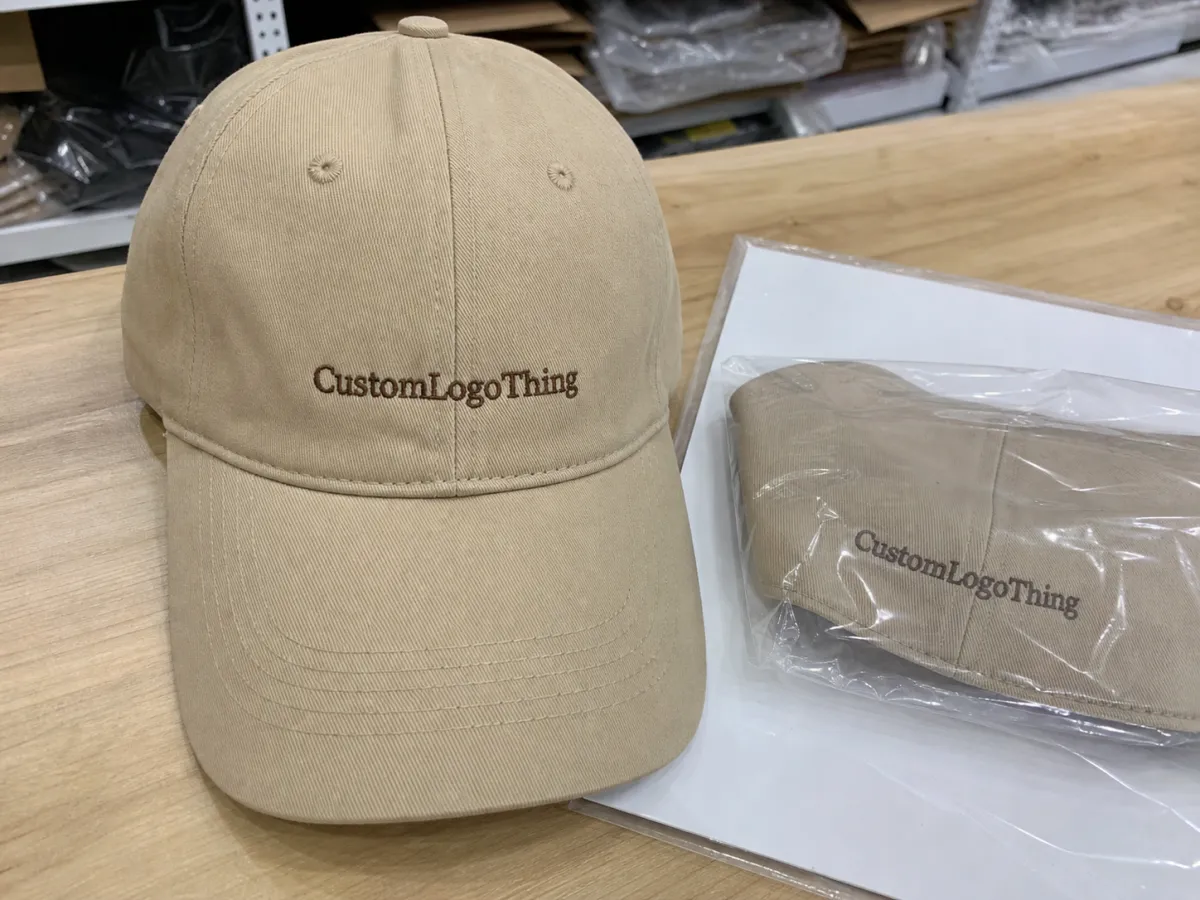
Cotton twill has a diagonal weave that gives the fabric a bit more visual depth and resilience than smoother woven options. That helps the cap keep a cleaner outline, especially in lobby lighting or outdoor use where the product is seen in motion rather than on a flat table.
The fabric also works well with decoration. Embroidery, woven patches, and small logo details tend to hold their shape better on a stable twill base than on thin or overly slick materials. That does not make cotton twill the only workable choice, but it makes the decoration process more predictable.
Repeatability is another reason hotels use it. Staff counts change, seasonal programs expand, and many properties reorder months later. A good twill spec is easier to match across runs than trend-driven fabrics with changing sheen or finish. That consistency matters more than novelty.
For guest giveaways, cotton twill feels less promotional than shiny synthetics. It sits between souvenir and uniform without looking disposable. Polyester may be lighter or faster to dry, but cotton twill usually photographs better and reads as more natural in hand.
What a hotel cotton twill caps factory quote should include
A proper quote should behave like a spec sheet with prices. At minimum, it needs cap style, panel count, fabric weight, closure type, decoration method, size range, and color reference. If one of those is missing, the number is not yet reliable.
Watch for hidden assumptions. Did the supplier include digitizing? Is sample shipping extra? Are polybags, hang tags, and carton marks part of the price? Does freight appear later as a separate line? Those gaps are where cheap first quotes turn into expensive final invoices.
The quote should separate the cap body from decoration, sampling, packaging, and transit. That structure lets buyers compare offers without being misled by a single headline number that mixes different assumptions together.
Operational terms matter too. The quote should state sample fees, production time, inspection method, shipping term, and whether pricing is ex-works, FOB, or delivered. If the supplier mentions carton testing or packaging claims, ask for the standard being used. For buyers who care about shipping durability, carton performance can be checked against recognized transport methods from ISTA. If cartons or inserts need recycled content, sourcing claims can be checked against FSC rules.
| Quote element | What to confirm | Why it matters |
|---|---|---|
| Cap style | 5-panel, 6-panel, structured, unstructured | Changes fit, crown shape, and decoration placement |
| Fabric | Weight, finish, fiber content, color reference | Controls comfort, durability, and reorder consistency |
| Decoration | Embroidery, patch, print, stitch count | Affects appearance, durability, and price |
| Packaging | Polybag, label, insert, carton count | Changes landed cost and warehouse handling |
| Logistics | EXW, FOB, DDP, freight method | Determines what the hotel actually pays |
If the supplier cannot explain the quote in plain language, it probably does not fully understand the job. Hotel buyers need a number they can trust, not a placeholder that changes later.
Fabric, fit, and decoration choices that affect the final product
Fabric weight changes the result more than many buyers expect. Light twill can feel cooler in warm climates, but it also looks softer and may lose structure faster. Midweight cotton twill, often around 180-260 gsm, usually gives better crown definition and supports embroidery more cleanly. For hotel programs, that range often balances appearance and wear life.
Finish matters as well. Brushed twill feels softer, while plain twill usually looks sharper batch to batch. If the hotel wants a formal silhouette, plain twill is often the safer choice. If comfort is the priority, brushed fabric may be worth the tradeoff.
Fit is a separate decision. Structured crowns create a controlled line and suit reception, concierge, and valet settings. Unstructured caps look more relaxed and may fit casual events or giveaway programs. Adjustable backs are usually the safest choice for mixed staff groups because they reduce size-management problems.
Decoration changes both price and durability. Embroidery is still the default because it looks formal and holds up well. Woven patches work better when the logo has fine lines or small text. Silicone patches give a more modern finish, while printing can save money on some runs but usually ages faster on a cap that gets handled daily.
Samples often reveal issues the spec sheet misses. A logo may sit too high once stitched, a brim may curve differently than expected, or a crown may be a little too tall. Before production starts, define tolerances for placement, crown height, seam alignment, visor stiffness, and shade reference. That is how a reorder stays believable.
Cost drivers, MOQ, and quote breakpoints
Pricing usually moves with a small set of variables: fabric weight, decoration complexity, order quantity, logo colors, packaging, and closure type. A simple cotton twill cap with one-color embroidery is a very different job from a cap with a woven patch, custom label, and individual bag.
MOQ is where buyers often misread the market. Small runs carry more setup cost per piece because digitizing, pattern setup, sample work, and labor do not shrink much. A quote for 300 pieces can be very different from a quote for 3,000 pieces even if the cap itself is unchanged.
There are also clear breakpoints. Moving from stock color to custom color can change fabric sourcing cost. Moving from embroidery to a full patch build can raise the price more sharply. Closures matter too: a simple adjustable strap is usually cheaper than a branded metal buckle or custom clasp. Packaging can add more than expected once the order gets large.
As a rough market guide, basic hotel-style cotton twill caps with simple decoration can sometimes sit around $1.50-$3.50 ex-factory at larger volumes, while more customized builds with patches, premium closures, and special packaging can move into the $4-$8+ range. Smaller orders, heavy embroidery, or unusually detailed branding can go higher. These are not fixed prices, but they show how fast the spec changes the quote.
Asking for three tiers is often smarter than asking for one number. A lower tier shows the short-run reality, a target tier shows the likely budget, and a scale tier shows what happens if the hotel expands across properties. That comparison helps buyers see whether the cost curve is reasonable.
- 300-500 pieces: useful for a pilot run or one property, but setup costs stay visible.
- 1,000-2,000 pieces: often a practical middle ground for hotel programs balancing budget and consistency.
- 5,000+ pieces: lower unit cost, but only sensible if the brand can use or store the inventory.
Compare landed cost, not just factory cost. A low ex-factory quote can become the more expensive order once freight, duties, packaging, and revision costs are added. That is one of the easiest mistakes to make in cap sourcing because the product looks small and simple.
Production steps, sample approval, and lead time
A clean production flow should look like this: brief, artwork confirmation, sample or strike-off, bulk production, inspection, packing, and shipment. If a factory skips a stage, the risk usually shows up later as a decoration error, fit problem, or fabric mismatch.
Samples are not just formalities. They show whether the crown sits too tall, whether the visor is firm enough, whether the embroidery distorts the front panel, and whether the color looks right under real light. Screen approvals catch very little of that.
Lead time depends on how complete the brief is and how many revisions happen before approval. If artwork is ready and the spec is clear, sample development may take only a few days. Bulk production often falls in the 12-20 business day range after approval for standard runs, though more complex orders can take longer. Freight is separate, and air and sea should be quoted separately.
Orders slow down when too many people are approving the same detail. A procurement team, brand team, and property manager can all want a say, but production schedules do not wait for internal consensus. The fastest orders usually come from one decision path, a clear spec, and quick sample feedback.
For openings, renovations, or seasonal launches, plan backward from the use date and build in time for artwork adjustment, sample revision, and transit. If the order is urgent, say so early. Factories can sometimes prioritize the run, but only if they know the deadline before cutting begins.
Inspection should not be optional once the order is meaningful. For simple runs, an inline check may be enough. For larger hotel programs, a final inspection against the approved sample is safer. That check should cover logo placement, stitch quality, panel symmetry, color match, brim shape, packaging count, and carton labeling.
How to judge the supplier behind the price
Price matters, but proof matters more. A supplier should be able to show similar work, explain how it checks quality, and describe what happens if bulk production does not match the approved sample. If those answers are vague, the low number on the quote is a risk flag.
Ask for photos of completed caps, close-ups of stitching, and packaging examples. Request size tolerances, color tolerances, and placement tolerances. Review whether the supplier gives specific revisions or only generic reassurance. Operational discipline usually shows up in response time, document clarity, and the consistency of the spec across quote, sample notes, and pre-production confirmation.
Direct factory sourcing often gives better control over fabric, decoration, and reorder consistency than a reseller model. That does not mean intermediaries are always weak. It means the buyer should know where the manufacturing control actually sits.
For hotel buyers, accountability matters because caps are rarely one-off purchases. They need to match across departments and often across properties. The second order is where weak suppliers usually show themselves: shade drift, different thread tension, and inconsistent packaging become visible.
If the quote includes sustainability or lower-waste packaging claims, ask for evidence instead of slogans. FSC-backed cartons, recycled inserts, and reduced packaging waste can be real improvements, but only when documentation supports them. The same applies to claims about durability. If the supplier says the cap will last longer, ask what test or material spec supports that claim.
The practical test is simple: would this supplier be easy to reorder from six months later? If the answer is yes, the price is probably grounded in actual production control. If the answer is no, a slightly lower quote is not a bargain.
What to lock before the order
The fastest path from inquiry to order is a complete brief. Send the logo file, preferred cap style, target quantity, fabric color reference, delivery country, deadline, and packaging requirements. If the hotel already knows the decoration method, add that too. Vague instructions produce vague pricing.
Before approving the run, lock the spec sheet, the artwork placement, the sample, the landed cost, and the shipment term. That sequence removes uncertainty step by step. Jumping straight to bulk production usually creates avoidable costs later, especially if the hotel needs corrections or the freight terms were misunderstood.
It also helps to decide how the order will be used once it lands. A property ordering for housekeeping may need practical packing and simple carton counts. A group ordering for guest giveaways may need cleaner presentation and lower packaging weight. A hotel chain ordering across multiple sites may need one master spec and one archived approval sample.
Use a basic internal checklist before sign-off:
- Spec confirmed.
- Artwork approved.
- Sample signed off.
- Landed cost reviewed with freight either included or clearly separated.
- Payment, shipment, and carton details confirmed in writing.
That process may feel slower than approving a quote from a single line item, but it avoids the common mistake of treating a custom cap like a blank commodity. It is a branded item that has to look right on day one and stay right after the next reorder.
For teams comparing a hotel cotton twill caps factory quote, the real question is not whether the number is low. It is whether the number survives contact with fabric choice, decoration, packaging, freight, and repeat production. If it does, the order is probably ready. If it does not, the quote was never complete enough to trust.
What should I send for a hotel cotton twill caps factory quote?
Send the logo file, preferred cap style, target quantity, fabric color reference, delivery country, and deadline. Add the decoration method, packaging needs, and whether you want a sample first. The more specific the brief, the less room there is for pricing surprises.
What MOQ is typical for hotel cotton twill caps from a factory?
MOQ depends on setup cost, fabric sourcing, and decoration method. Smaller runs are possible, but the unit price usually rises below the factory's standard volume. Ask whether mixed sizes, mixed colors, or shared artwork can help reach a better break point.
How long does hotel cap production usually take after approval?
For standard cotton twill caps, sample development may take a few days if the artwork is ready. Bulk production often runs 12-20 business days after approval, although complex orders can take longer. Shipping time is separate, so always confirm production time and transit time in writing.
Can a hotel twill cap quote include embroidery and packaging?
Yes, and it should show them clearly. Embroidery, patches, labels, polybags, and cartons are easier to compare when they appear as separate line items. That makes it easier to see whether the final cost reflects the cap itself or a bundle of extra services.
How do I compare factory quotes without missing hidden costs?
Check fabric weight, decoration method, sampling fees, freight terms, packaging, and whether digitizing or tooling is included. Then compare landed cost per cap, not just the factory line. That is the cleanest way to see which quote is genuinely lower.
The strongest hotel cotton twill caps factory quote is the one that protects appearance, timing, and reorder consistency at the same time. When the spec is clear and the delivered cost is transparent, the cap is easier to approve, easier to distribute, and easier to repeat across future orders.


