If you are comparing a trade show snapback Caps Factory Quote, the number on the page is only useful if the caps arrive on schedule, pack cleanly, and still look sharp under booth lighting. A low blank cost can disappear once decoration, packing, freight, and rework are added. The real job is to price the full program, not just the crown fabric.
Trade show caps are judged fast. A buyer may have only a few seconds to decide whether a cap feels premium, fits most heads, and survives a day of handouts. In that setting, the cap style, closure, and delivery window usually matter more than chasing the lowest headline price. A missed event date has no second life. If the brief is still loose, ask for a line-by-line quotation before you compare suppliers.
Why booth-ready caps often beat a lower sticker price
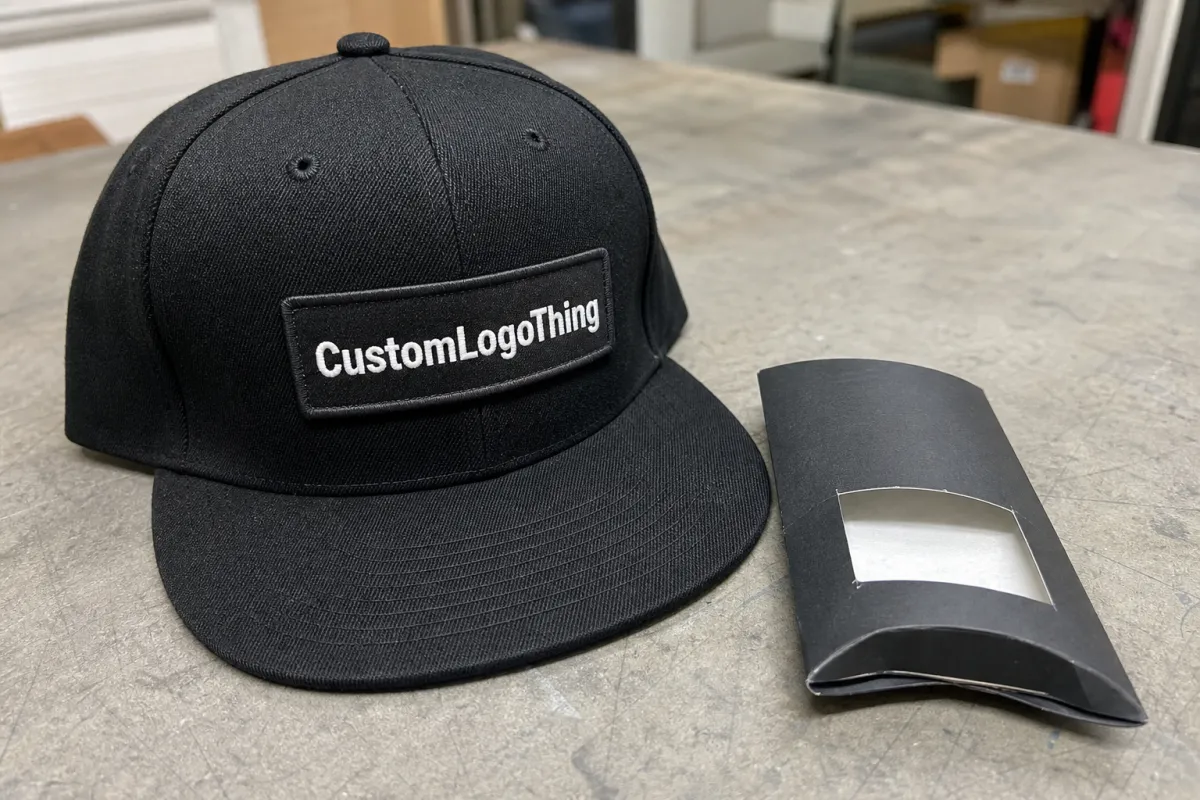
A trade show cap works in a harsh environment. It gets worn under hot lights, dropped into giveaway bags, stuffed into carry-ons, and handled by people who may never touch your product again. That makes the cheapest blank a risky choice. A cap that sits too shallow, collapses at the front panel, or shows crooked embroidery can weaken the whole presentation even if the unit price looks attractive at first glance.
A good trade show snapback Caps Factory Quote reflects the actual use case. If the event date is fixed, the packing format is fixed, and the decoration method is fixed, the quote becomes usable. If any of those pieces are vague, a factory may price too low and then add charges later for reproofing, special cartons, or expedited freight. Buyers often discover that the initial savings were really just missing detail.
The first decision is reliability before savings. In practice, that means choosing a cap body the supplier makes often, a finish that matches the brand, and a production schedule with enough room for sample approval. Trade show orders rarely forgive late changes. One revised stitch count or an out-of-stock panel fabric can move the whole shipment.
Buyer rule of thumb: if two quotes are close, the clearer production explanation is usually the safer choice. A factory that spells out the process tends to be easier to work with than one that only gives a low number.
There is also a perception issue. A booth visitor may never inspect the cap closely, but they will feel whether it looks purposeful or rushed. Flat panels, clean seam lines, and a balanced logo placement read as intentional. Thin fabric, loose stitching, and poor crown shape read as cost cutting. That difference is obvious long before anyone checks the invoice.
Snapback structure and decoration choices that affect the order
Snapbacks look simple from a distance, yet small build choices change both appearance and factory workflow. A structured crown holds its shape better for branding. A flat brim gives a sharper, streetwear-leaning look. A slightly curved brim often feels more approachable for broader audiences. Panel count matters too: five-panel caps give a large front face for bold art, while six-panel caps feel more familiar and generally wear in a classic way.
The closure matters as well. Standard plastic snap closures are common for event giveaways because they fit a wide range of head sizes and keep the order straightforward. If the audience is more style-conscious, a metal closure or a cleaner-finished tab can lift perceived value. Those details affect labor and inspection time, so they affect price too.
Decoration is where many buyers lose control of the quote. Flat embroidery is usually the safest option for high-volume trade show orders because it is durable, repeatable, and easy to approve. 3D puff embroidery adds depth on bold logos, but it works best with simpler artwork and a front panel that can support the raised stitch. Woven patches and rubber patches can look more premium, especially for fine line work or modern branding. Printed labels are lighter and can be useful when the design needs a soft hand feel.
The best choice depends on how the cap will be used. A cap handed out in a crowded booth should survive constant handling. That usually favors a tight embroidery path, a bonded patch, or another decoration that does not fray under repeated use. Stitch density, edge finish, and visor shape all affect how premium the cap feels once someone puts it on.
- Flat embroidery suits crisp logos and repeatable bulk runs.
- 3D puff embroidery adds volume, but the logo has to be simple enough to hold the shape.
- Woven patches can carry fine detail better than heavy thread in some designs.
- Rubber patches create a more modern look for bold event branding.
- Printed labels are useful for lighter branding inside the cap or on soft-touch front applications.
There is no universal best decoration method. A clean one-color logo on a structured cap can look better in flat embroidery than in a complicated patch build. A multi-color mark with thin strokes may be the opposite. The factory should tell you where the artwork will hold up and where it will blur, lift, or look crowded.
Material and fit specs to lock in before quoting
Fabric choice changes feel, decoration quality, and final cost. Cotton twill has a familiar hand and a matte look that reads natural. Polyester twill usually resists wrinkling better and can be easier to keep crisp during long event days. Brushed twill feels softer and more retail-ready. Performance blends breathe better, but dense embroidery needs to be checked carefully because some lighter fabrics pucker under tight stitch counts.
Fit details matter just as much. Crown depth determines how the cap sits on the head. A shallow crown feels modern but can be less forgiving for some wearers. A fuller profile gives more coverage and tends to fit a wider audience. Sweatband type affects comfort in warm venues. Inner seam finishing affects whether the cap feels promotional or retail-grade. For a giveaway order, a more relaxed fit and a broad snap range make sense. For a launch piece, buyers often want firmer front panels, cleaner inner construction, and a more polished brim curve.
Factories can only quote accurately if the brief is specific. Send Pantone targets, logo placement, backing preference, label needs, and packing instructions up front. If the cap needs a stitched patch, say whether the edge should be merrowed, laser cut, or simple sew-down. If you want the caps in polybags, master cartons, or individual gift boxes, say so early. Each choice changes material usage and labor time, and those are common places where a quote drifts after the first draft.
For buyers who care about transit performance, carton strength is worth discussing before production starts. ISTA testing standards are a useful reference point for packaging and shipping checks at ISTA, especially if the caps include inserts, hangtags, or layered cartons. If you want paper components such as inserts or retail boxes, FSC-certified paper is a practical requirement; the framework is outlined by the Forest Stewardship Council.
Do not expect the factory to guess the rest. A strong spec sheet is what turns a vague pricing conversation into a usable quote. The more exact the brief, the less room there is for surprises later.
Trade Show Snapback Caps Factory Quote, MOQ, and Unit Cost
The trade show Snapback Caps Factory quote changes quickly as quantity rises. Setup labor, embroidery programming, patch tooling, and proofing are spread over more pieces at 500 or 1,000 units than at 100 or 200 units. That is why a quote can look high at low volume and then drop sharply once the factory hits a more efficient batch size.
Buyers often focus on the base cap price and then get caught by the extras. Decoration complexity, number of thread colors, patch construction, woven labels, individual polybags, and the freight method all affect the landed cost. A modest ex-factory price can still turn into a costly order once rush shipping or custom packing enters the picture. Import duty, if applicable, should be part of the comparison too.
| Order size | Typical factory behavior | Usual pricing pattern | Planning note |
|---|---|---|---|
| 100-200 pcs | More setup pressure, less batch efficiency | Basic embroidery often lands around $3.50-$7.50 per cap ex-factory; patches and special trims can run higher | Best for samples, pilot runs, or a small activation |
| 300-500 pcs | Better balance between labor and volume | Simple embroidered programs often fall around $2.50-$5.50 per cap ex-factory, depending on blank quality and decoration | Common range for trade show programs and regional events |
| 1,000+ pcs | Stronger production efficiency and lower per-piece labor | Basic runs can move closer to $1.80-$4.20 per cap ex-factory, with higher pricing for puff, patch, or custom packaging | Best if the design will be reused across several shows or campaigns |
Those ranges are planning bands, not promises. Fabric weight, crown structure, patch tooling, and shipping lane all matter. A heavy brushed twill cap with a woven patch will not price like a lightweight cotton cap with one-color embroidery. The point is to understand how quickly the cost changes as the order gets larger and more complex.
MOQ is usually tied to efficiency rather than policy alone. A factory needs enough volume to justify cutting, stitching, decoration setup, and inspection without wasting line time. Some suppliers will allow mixed colors if the body and decoration stay the same. Others will price a small run, then offer better repeat pricing once the first version is approved. That matters if the same cap will be used across multiple events.
The cleanest comparison is a tiered one. Ask for ex-factory price, sample cost, setup charges, packing, and freight. If the quote hides those pieces in one lump sum, it is harder to compare and easier to misread. A lower number is not always a better number if it leaves out the real work.
Production steps, timeline, and lead time risks
A good schedule begins with artwork review. The factory checks logo size, stitch count, patch boundaries, placement, and cap compatibility before anything is cut. After that comes proofing or sampling. Once the sample is approved, bulk cutting starts, then decoration, then inspection, then packing, then shipment. Each step can slip for a different reason, which is why a single delivery promise is not enough for an event-driven order.
For a trade show snapback Caps Factory Quote, ask for separate dates for sample approval, production start, production finish, and dispatch. That gives you real checkpoints instead of one vague ETA. For straightforward embroidery runs, bulk production after approval may take roughly 12-15 business days if materials are in stock and the queue is manageable. Specialty patches, custom inner labels, or heavier packing requirements can push that out.
The common delay drivers are predictable because they show up so often. Late logo changes force reproofing. Out-of-stock fabric slows cutting. Slow sample approval pushes the whole schedule back. Freight congestion around holidays can turn an acceptable dispatch date into a missed delivery window. None of these problems are unusual, which is why they should be discussed before the order is released.
- Artwork changes should stop after proof approval unless you want a new timeline.
- Material stock should be confirmed before the quote is treated as final.
- Decoration queue matters if the factory handles several jobs at once.
- Packing spec should be fixed before bulk work begins.
- Shipping mode should match the event date, not just the cheapest freight line.
If you are building a display program rather than a one-off giveaway, ask how the caps will be packed for transit. A well-made cap can still arrive looking tired if the carton compresses, the inner packing is loose, or the outer boxes are stacked badly. A factory that thinks through carton strength and packing density usually delivers a cleaner result.
One practical detail that gets overlooked is the gap between approved sample and bulk output. If the sample uses a slightly different blank, a different brim board, or a different stitch density, the bulk run can drift in feel even when the logo still looks correct. The factory should be able to explain where the sample matches the final run exactly and where it is only directional. That answer matters more than a polished sales pitch.
What a dependable cap factory should prove before you order
A dependable supplier proves three things quickly: it understands the spec, it can produce a sample that matches the bulk order, and it tells the truth about capacity. That sounds basic, but it is where many quote requests fall apart. If the first proof comes back with the wrong logo scale or the wrong brim shape, the factory is telling you something important about how carefully it handles detail.
Quality control on caps is visible. Stitch alignment, logo placement, crown symmetry, color consistency, brim shape, and closure strength are all easy to inspect by eye. There is nowhere to hide a crooked front panel or a loose snap. A strong supplier should have a clear inspection process and be able to explain what is checked at each stage, from pre-production sample to final carton audit.
Honesty matters most when the schedule gets tight. A supplier that says, "We can do it, but only if the sample is approved by Friday," is usually more trustworthy than one that promises everything without asking questions. From the buyer side, process transparency is worth money because it lowers the odds of a late shipment or a batch that needs rework.
Compare behavior as carefully as price. Does the factory ask for Pantone references? Does it show decoration options clearly? Does it break down packing by unit and carton? Those details tell you whether the supplier can handle a live trade show order or whether it only knows how to issue a low number and hope the rest works out.
There is another small but useful test: ask what happens if the logo thread shade runs a touch darker than expected, or if the patch edge does not sit perfectly flat. A serious factory will answer with a correction path, not a vague promise. That is often the difference between an order that ships cleanly and one that gets trapped in back-and-forth email corrections.
Next steps: send the right details and request a clean quote
If you want a useful quote, keep the request package tight. Send the artwork file, quantity by color, preferred cap body, decoration method, event date, shipping destination, and any packaging needs. If the order needs a polybag with a barcode sticker or a hangtag, say that up front. If the delivery date is hard, say that too. The tighter the brief, the cleaner the trade show snapback caps factory quote will be.
Ask for an itemized quote that separates unit price, sample cost, setup charges, packing, and freight. That is the only fair way to compare suppliers, because a low ex-factory number can hide expensive shipping or expensive rework. A supplier that lays out the cost structure clearly is usually easier to manage during production, especially if the order needs a few rounds of review.
- Prepare artwork and Pantone targets.
- Confirm quantity, colors, and decoration method.
- Request a sample or digital proof.
- Lock the production calendar before release.
- Approve only after the sample matches the brief.
That is the cleanest path to a reliable order. If the cap is going to represent your brand on a busy show floor, the quote should reflect the full job, not a stripped-down guess. A clear quote makes it easier to compare options, protect your timeline, and place an order that arrives ready to hand out.
There is also a practical reason to keep the request focused. Factories respond faster to structured details than to open-ended brand language. "Premium" and "high quality" do not tell a production team what to cut, stitch, or pack. Measurements, artwork, and delivery timing do. The better the brief, the fewer assumptions the supplier has to make.
What should I send with a snapback cap factory quote request?
Send the logo file, target quantity, preferred cap color, and the event or delivery date first, because those items shape the quote fastest. Add decoration method, packaging style, and any Pantone targets so the factory can price the order without broad assumptions. If you need a sample or rush shipment, state that up front so the estimate reflects the real schedule.
What drives the unit cost of trade show snapback caps?
The biggest drivers are order quantity, decoration complexity, and how many setup steps the factory needs before production starts. Extra labels, special patch work, premium fabrics, and individual packaging can push the unit cost higher even when the cap body looks simple. Freight method also matters, so always compare the landed cost instead of only the ex-factory number.
How many caps usually count as MOQ for a custom snapback order?
MOQ depends on the decoration method and factory workflow, but promotional cap orders often have lower thresholds than fully custom retail runs. Simple embroidery may allow smaller quantities, while complex patch builds or specialty fabrics usually need a larger minimum. Ask the factory for tiered pricing so you can see where the best cost break starts.
How long does production take after sample approval?
After approval, bulk production often takes the most time in cutting, decoration, inspection, and packing, especially on larger orders. The exact timeline depends on material stock, factory queue, and whether your order needs special trims or custom labels. Ask for separate dates for approval, production, and shipping so you can plan around the event with less risk.
Can I get a sample before bulk production starts?
Yes, and for trade show orders it is often the safest way to confirm logo size, cap shape, and overall finish before the full run. A pre-production sample or digital proof helps catch color or placement issues early, which is much cheaper than correcting a full batch. Be ready for sample fees and courier time, since both are normal parts of the process.
What details usually get ignored in a rush quote?
Pack size, carton count, thread color count, patch edge treatment, and freight method are easy to miss, yet each one can change the final bill. Buyers also forget to confirm whether the factory is quoting the same blank cap in every color or swapping materials between shades. Those small differences can make two quotes look similar while the real cost is very different.


