Hotel Cuffed Knit Beanies Material Sample Guide for Buyers
A material sample should tell you whether the beanie is actually ready for hospitality use, not just whether it looks good in a photo. You need to know how the knit feels in hand, whether the cuff stays neat after folding and wear, and whether the decoration still looks clean when the beanie stretches. Those details decide if the item feels like a finished guest amenity or a cheap giveaway.
For hotel programs, the sample has to prove comfort, shape retention, and decoration stability at the same time. If it does not, the production risk shifts from design issues to avoidable cost and rework. The guide below focuses on the checks that matter most: yarn weight, stitch density, material choice, finishing, pricing, lead time, and inspection.
What This Sample Guide Should Prove Before You Buy
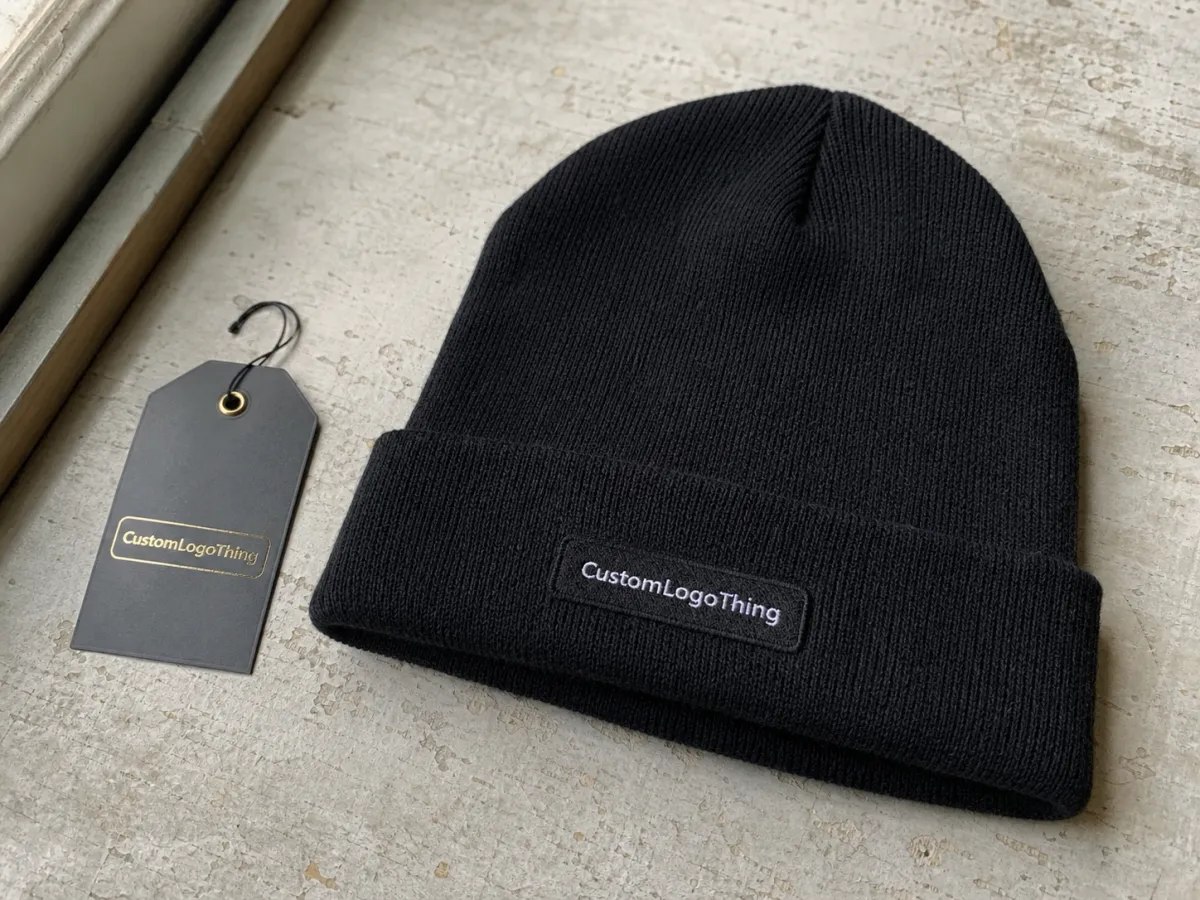
A useful sample should answer a few basic questions before anyone approves bulk production. Does it feel soft enough for repeated wear? Does the cuff sit flat and recover after being folded? Does the knit keep its shape after stretching, packing, and handling? If the answer is unclear, the sample is not finished yet.
Think of the sample as a working prototype. It should show that the yarn, construction, and decoration can coexist without distortions. A loose knit can make a logo look wavy. A heavy patch can pull on a soft body. A great product photo will not reveal either problem.
Practical rule: if the sample only looks good on a table, it is not ready. It should also wear well, recover after stretch, and keep its form after normal handling.
Before approval, I would check five things:
- Handfeel - soft enough for guests, but not flimsy.
- Stretch and recovery - the knit should rebound after wear and packing.
- Cuff behavior - the fold should stay aligned instead of loosening or twisting.
- Decoration placement - logos, patches, and labels should sit cleanly on the cuff or body.
- Guest presentation - the item should look finished in a room or welcome kit.
This first review also catches the most expensive mistakes. A seam that rubs, a cuff that relaxes too fast, or a logo that distorts under stretch can look minor in a sample. In bulk, those flaws repeat across every unit.
How Yarn Weight, Stitch Density, and Cuff Recovery Work
Construction drives most of the result. Yarn weight, stitch density, and cuff recovery determine how the beanie looks, how it feels, and how it holds up. A tighter knit reads cleaner and more structured. A looser knit feels softer and more casual. Neither is automatically better; the right choice depends on whether the hotel wants a premium amenity, a casual giveaway, or a warmer winter item.
Gauge matters more than many buyers expect. A 7-gauge knit is usually airier and more relaxed, while 9-gauge or 12-gauge constructions are denser and more refined. Denser knits usually present logos more cleanly and conceal head shape better. Looser knits can feel comfortable, but they can also look unfinished if the fabric opens too much under tension.
Cuff recovery deserves separate attention. The cuff is touched, folded, and noticed more than any other part. If it relaxes too quickly, the beanie looks tired before the order is even approved. A good cuff should fold cleanly, hold position, and return to shape after a few stretch cycles. Test it by stretching it, letting it rest flat, and checking whether it rebounds without curling at the edge.
Single-layer and double-layer styles behave differently. Single-layer beanies are lighter and usually less expensive, but they can feel thinner and show more of the head shape. Double-layer cuffed beanies add body, improve warmth, and give decoration more support. For hotel use, that extra structure often matters because the item has to look intentional, not promotional.
Seam comfort is another detail buyers should not skip. A small seam bump can become a real complaint if someone wears the beanie for hours. The sample should be worn, folded, packed, unpacked, and worn again. If it still feels comfortable after that loop, the bulk run has a much better chance of succeeding.
Material Choices That Affect Handfeel, Warmth, and Decoration
Material choice affects almost everything: softness, warmth, pilling, recovery, decoration behavior, and long-term appearance. Acrylic is common because it can feel soft, hold color well, and keep costs controlled. Polyester improves durability and shape retention. Wool blends usually feel warmer and more premium, but they need closer checks for itch, shrink behavior, and price. Recycled fibers add a sustainability angle, but they still need to pass comfort and performance checks first.
The label matters less than the result. A premium-sounding yarn is not automatically the right yarn for hospitality. If the beanie will be worn briefly, handled often, and ordered in quantity, a balanced acrylic or acrylic-poly blend is usually the safest choice. If the program is built around higher-end gifting, a wool blend or recycled polyester blend can make sense, as long as the sample passes comfort and shape testing.
Decoration method also influences material selection. Dense embroidery looks sharp on a stable knit, but on a softer fabric it can pull the surface and distort the body. Woven patches are more forgiving, though they can add stiffness if the knit is too light. Heat-applied graphics need careful testing because some fibers react badly to pressure and temperature. The sample should include the actual decoration method, not a blank cap with a promise that branding will be added later.
Finishing details affect comfort more than buyers expect. Inner labels, woven tabs, patch backing, and seam tape all touch the wearer. A scratchy tag hidden inside the cuff can ruin an otherwise strong sample. For guest-facing use, every touch point should feel clean.
Packaging belongs in the material review too. A sample packed in corrugated cardboard with kraft paper inserts shows that the supplier is thinking about protection and presentation together. For sustainability-led programs, ask whether the carton is FSC certified, whether the filler uses recycled materials or post-consumer waste, and whether the wrap can be replaced with biodegradable packaging. The packaging still has to protect the knit from moisture and snagging.
Transit quality matters as well. If the sample arrives crushed, damp, or scuffed, the shipping pack is already telling you something. The logic behind the ISTA test framework is useful because it gives you a practical way to judge whether packaging and packing methods can survive normal parcel movement.
Cost, Pricing, and MOQ: What Changes Unit Cost
Pricing gets messy fast if the quote is not broken down clearly. The beanie itself is only part of the cost. Fiber content, knit complexity, cuff depth, decoration method, labels, packaging, and minimum order quantity all affect the price. A simple blank knit cap is not in the same category as a double-layer cuffed beanie with embroidery, woven branding, and retail-style packing.
Below is a practical way to compare unit cost at a bulk quantity around 5,000 pieces. The ranges are broad because exact numbers change with yarn source, labor market, and finish requirements.
| Build | Typical FOB Unit Cost at 5,000 pcs | What Drives It | Best Fit |
|---|---|---|---|
| 100% acrylic, single layer, basic cuff | $1.20-$1.85 | Lower yarn cost, simple knit, small embroidery or no logo | High-volume giveaways |
| Acrylic/poly blend, double layer cuffed | $1.65-$2.45 | More structure, stronger recovery, more stitches | Hotel guest amenities |
| Wool blend, double layer, woven label | $2.40-$3.80 | Higher yarn cost, softer hand, tighter quality control | Premium gifting |
| Recycled polyester blend, cuffed with patch | $2.10-$3.40 | Recycled materials sourcing, patch setup, color matching | Sustainability-led programs |
MOQ changes the per-piece cost more than the total spend. Smaller orders spread setup, knitting, labeling, and packing across fewer units, so the unit price rises. A run of 300 pieces can look expensive next to 3,000 pieces even when the spec is nearly identical. That is normal.
Sample charges should be treated separately from bulk pricing. A prototype may cost $35-$125 depending on yarn sourcing, decoration testing, and whether revisions are needed. Some suppliers credit that back after the order is placed. Others treat it as a development fee. Ask before you approve the sample.
To compare quotes fairly, keep the review tight:
- Material - fiber content, yarn weight, and recycled content if applicable.
- Construction - gauge, layer count, cuff depth, and seam finish.
- Finishing - embroidery, patch type, label style, and packaging method.
- Logistics - carton type, shipping terms, and whether the price assumes bulk packing or individual bagging.
Process and Timeline for Requesting, Reviewing, and Approving Samples
A clean production flow keeps the process from turning into email back-and-forth. Start with a clear brief: target dimensions, cuff depth, color reference, logo file, decoration method, and packaging preference. From there, the supplier confirms yarn availability, chooses a gauge, and makes the first knit-out. If the color is unusual or the artwork is complex, expect more than one round.
Clear input speeds up everything. High-resolution artwork, Pantone references, expected quantity, and the final use case help the supplier choose the right trade-offs. A hotel program that needs 10,000 pieces for a seasonal launch has different priorities from a small VIP welcome kit. If the supplier knows that early, the sample can be built around the right constraints instead of default assumptions.
Typical timelines vary, but a straightforward sample often takes several business days if the yarn is already available. Add time if the supplier has to source a special fiber, match a specific shade, or revise the decoration. If the first sample shows a logo issue or a cuff problem, a second round is normal. That is not wasted time; it is the stage where the sample becomes useful.
A practical timeline looks like this:
- Spec confirmation - 1-2 business days if the brief is complete.
- Sample knit-out - 3-7 business days for standard materials, longer for special yarns.
- Review and revision - 2-5 business days when feedback is specific.
- Final signoff - enough time for one physical check before bulk release.
Queue position matters too. If the factory is already committed to another run, even a well-prepared sample may need to wait. Procurement teams should build in a realistic approval window so a rushed signoff does not force a weaker finish.
Best practice: approve the sample only after someone checks it in daylight, tries it on, and confirms the decoration and packaging still feel right in hand.
Common Mistakes That Skew a Sample Review
Most sample problems come from the review process, not the knit itself. The first mistake is judging the beanie only by softness. A sample can feel great and still fail on recovery, seam comfort, or shape retention. Softness is one signal, not the whole answer.
Another mistake is checking color under the wrong light. Warm indoor lighting can make one shade look richer, while daylight can expose a cooler cast. If color matters, inspect the sample in neutral light or near a window and compare it against approved references, not memory.
Wear testing gets skipped more often than it should. Buyers approve the sample without checking how the cuff sits on different head sizes, whether the seam rubs the forehead, or how the beanie behaves after being pulled on and off a few times. A sample that feels fine for thirty seconds may fail in a real wear test.
Packaging and labeling deserve the same attention. If the beanie arrives in tidy kraft paper wrapping, a flat corrugated cardboard shipper, or biodegradable packaging that still protects the knit, that helps the presentation. If the fold is sloppy, the tag is crooked, or the wrap feels flimsy, the product loses value before the user even touches it. The review should cover the whole package, not just the hat inside.
The most common misses are simple:
- Approving before the sample is stretched, folded, and worn.
- Comparing colors under mixed lighting instead of a neutral setting.
- Ignoring seam bumps or label irritation inside the cuff.
- Skipping the packaging check because the beanie itself looks good.
- Failing to record whether the sample matches the intended guest experience.
Expert Checks Before Bulk Production
Before bulk production starts, use the sample as the locked reference and compare everything against it. Measure cuff depth, body width, yarn blend, and logo placement. Small tolerances matter. A few millimeters on a cuff can change the look more than people expect, especially after the beanie is worn and folded.
If anything still feels off, ask for one more physical check. That is cheaper than correcting a run after knitting has started. It is especially worth doing if the color still looks borderline, the cuff feels loose, or the decoration placement seems slightly wrong. Slightly wrong has a bad habit of becoming obviously wrong once the whole batch arrives.
Once the sample is approved, treat it as the reference for reorders. Photograph it from several angles. Record the measured specs. Keep one clean unit in archive. Note packaging details that affect presentation. Then the next order has something real to match instead of a half-remembered email trail.
The best use of a sample guide is as a signoff tool. It should reduce guesswork, tighten internal approval, and help keep future production consistent whether the order is 500 pieces or 50,000. That is the point: repeatable results, not decorative language.
What should a hotel cuffed knit beanies material sample guide include?
It should cover yarn blend, stitch gauge, cuff recovery, seam feel, decoration compatibility, final size, packaging, and any comfort issues that matter for guest-facing use. If the sample does not address those points, it is missing the parts that cause the most trouble later.
Which materials usually work best for hotel cuffed knit beanies?
Acrylic and polyester blends are common because they balance softness, durability, and cost. Wool blends can feel warmer and more premium, but they need closer checks for itch, shrink behavior, and price. The best choice depends on how the beanie will be used, not just how it reads on a spec sheet.
How many samples do buyers usually need before approval?
Most buyers review at least one base sample and one revised sample if fit, color, or decoration needs adjustment. Projects with tight branding rules or comfort requirements often benefit from a second physical round. It takes longer, but it usually prevents avoidable mistakes.
What drives unit cost most on cuffed knit beanies?
Fiber choice, knit complexity, decoration method, and MOQ have the biggest effect on cost. Packaging, labeling, and shipping assumptions can also change the landed price more than buyers expect. The quote only makes sense when all of those pieces are lined up side by side.
How long does the sample and approval process usually take?
A straightforward sample may take several business days, but sourcing, revisions, and queue timing can extend that. Buyers should leave enough time for fit checks, color confirmation, and internal signoff before bulk release. Rushing that stage is a good way to pay more later.


