Fitness Cuffed Knit Beanies bulk order planning gets easier when the beanie is treated as a branded product with a spec sheet, not just a winter giveaway. The cuff creates a usable logo zone, the knit body gives the item stretch and comfort, and the finished shape reads well in retail, event, and team settings. That makes this style a practical choice for gyms, training brands, wellness programs, and winter promotions.
The best orders are planned with fit, decoration, pricing, and delivery timing decided together. When those pieces are handled separately, buyers usually end up revising artwork after the quote, which slows approval and can change the unit cost. A clean plan keeps the run comparable from quote to shipment.
Why Cuffed Knit Beanies Move Fast for Fitness Buyers
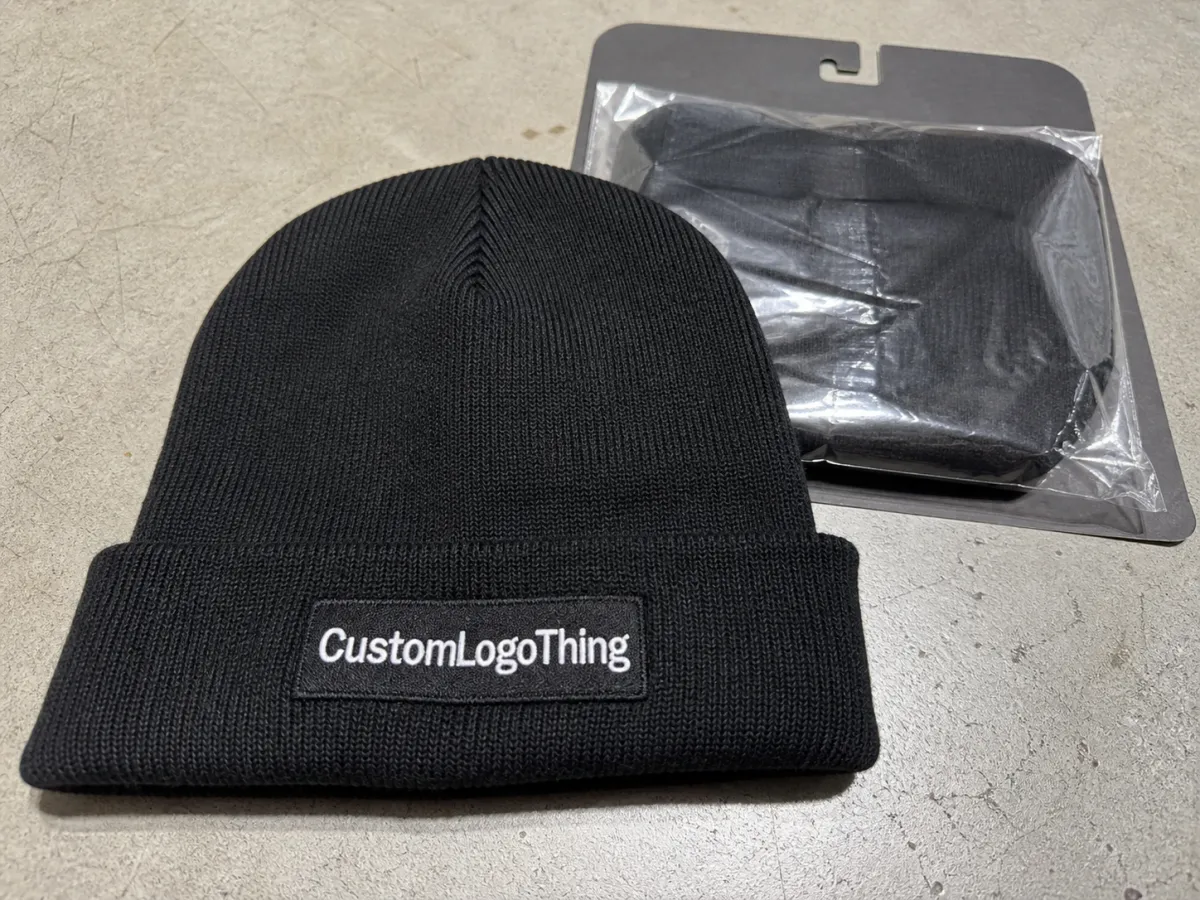
Cuffed Knit Beanies move well because they solve two problems at once: warmth and branding. The cuff gives the logo a stable, visible placement near the front edge, while the knit body keeps the product flexible enough for a wide range of wearers. That matters in fitness programs, where one item may be used for commute wear, outdoor classes, team uniforms, or member gifts.
They also work across multiple buying scenarios. Gyms use them for join offers, apparel launches, and winter incentives. Schools, clubs, and run groups use them for event bundles. Retail teams use them as an add-on item that feels more finished than a flat promo cap. A single style can cover several channels if the spec stays simple.
The cuff improves visibility in photos and everyday use. A logo on the cuff sits higher on the head and reads more clearly than a small mark buried in the knit body. That is useful for social posts, event photography, and casual wear, where branding has to be noticeable without looking oversized.
For buyers who source across multiple categories, it can help to keep the order inside a broader merchandise program. If you already manage recurring headwear or apparel orders, a linked sourcing path such as Wholesale Programs can make repeat planning more consistent.
Fit, Yarn Weight, and Cuff Construction
The first technical decision is yarn. Acrylic is common because it holds shape, accepts color well, and keeps pricing predictable. Polyester-acrylic blends can add strength or texture control, while recycled yarns may fit sustainability goals if the supplier can maintain consistent dye lots and repeatable hand feel.
Knitting structure changes how the beanie wears. A single-layer knit is lighter and usually better for seasonal promotions or events where the item is as much about branding as insulation. A double-layer knit feels warmer and denser, which is a better fit for winter retail or team merchandise. Gauge matters too: finer gauges usually give a cleaner surface for smaller logos, while heavier knits feel more substantial.
Cuff depth affects both look and function. A shallow cuff gives a cleaner, sportier profile and leaves more crown height visible. A deeper cuff creates a stronger branding band and often sits more securely. Buyers should also ask about stretch recovery, because a beanie that loosens too quickly can look worn out after only a few uses.
- Stretch recovery after a pull test, so the cuff returns to shape instead of bagging out.
- Seam quality at the crown and edge, because rough joins show up fast in bulk distribution.
- Color consistency across the run, especially for heathered shades or darker yarns.
- Rib texture that feels even, since an uneven rib makes the whole piece look lower grade.
Yarn weight is often the final choice between promo and retail use. A lighter knit can work across more seasons and indoor settings, while a heavier knit usually supports a higher perceived value. The right answer depends on whether the order is for a one-day event, a membership push, or a retail shelf program.
Decoration, Color Matching, and Spec Sheet Controls
Decoration is where many bulk knit orders drift off spec. Knit surfaces are textured and stretch under tension, so the decoration method has to match the fabric behavior. Embroidery is the most familiar option for clean logos with strong edges. Woven labels are better when the design has small type or fine detail. Patch applications add dimension and can strengthen brand presence. Direct decoration methods can work too, but only when the supplier understands the knit structure.
A detailed spec sheet reduces mistakes and keeps quotes comparable. It should define logo size, stitch density, exact placement from the cuff edge, thread colors, Pantone references, artwork file type, and whether the mark is centered or offset. If the order includes more than one brand color, list each one clearly and confirm whether the yarn or thread needs to match apparel, packaging, or an existing brand system.
Buyers also need to understand tolerance. Knit headwear is not flat stock, so minor shifts in logo position or panel size can happen during production. That is normal, but it should be visible in the proof. A good supplier will say how wide the mark can be before the knit distorts, where the logo will sit on the cuff, and whether small text needs to be simplified.
Color matching deserves the same care. Dark yarns can swallow detail, heathered yarns can soften contrast, and light yarns can make the logo feel louder than expected. If the beanies are part of a kit, compare proof images against the intended apparel or packaging before approval. That step often catches contrast problems before production starts.
Packaging changes the final presentation. A folded polybag is efficient, but a branded insert card, hangtag, or carton label can move the piece closer to retail-ready. If those details matter, include them in the quote from the start. For a useful reference on transit protection and shipment handling, the ISTA transit testing standards are worth reviewing.
Cost, Pricing, MOQ, and Quote Terms That Change Unit Cost
Pricing depends on more than one variable, which is why two quotes can look similar and still finish very differently. Yarn type, knit weight, decoration method, color count, labor, packaging, and freight all affect the final number. A stock cuffed beanie with one embroidered mark is not the same job as a fully custom knit with a woven label, branded packaging, and multiple colorways.
The MOQ follows the build complexity. Simpler stock-based programs often allow lower quantities, while custom color knitting or multi-step decoration usually raises the minimum. Lower quantities carry a higher unit cost because setup and labor are spread across fewer pieces. Larger runs can lower unit cost, but only if the spec stays stable and the buyer is ready to commit.
| Option | Typical MOQ | Approx. Unit Cost | Lead Time | Best Fit |
|---|---|---|---|---|
| Stock cuffed beanie with one embroidery color | 100-250 pcs | $2.10-$3.75 | 10-15 business days after approval | Fast promo runs, team issue, test orders |
| Custom color beanie with woven label | 300-500 pcs | $2.80-$4.90 | 15-25 business days after approval | Retail programs, branded memberships, retail add-ons |
| Fully custom knit with patch or mixed decoration | 500-1,000 pcs | $3.50-$6.25 | 20-35 business days after approval | Higher-value retail, launch merch, seasonal campaigns |
The table only helps if each supplier is quoting the same spec. Ask whether the price includes sampling, decoration setup, carton packing, individual polybags, and freight to your destination. A low base quote can become the expensive option if it leaves out label application or shipping.
For repeat buys, keep the approved spec on file and reuse it on every request for quote. That is the cleanest way to compare unit cost without drifting into apples-to-oranges comparisons. If you need a broader support reference, the FAQ page can help with common ordering questions.
Production Steps, Lead Time, and Delivery Milestones
The path from inquiry to delivery is usually straightforward when the buyer keeps the timeline organized. It starts with the quote, moves into artwork review, then sample or digital mockup approval, production scheduling, quality control, packing, and shipment. The most common mistake is treating the ship date as a loose estimate instead of a milestone that depends on timely approvals.
Lead time changes with the season. Cold-weather demand tightens the schedule fast, especially before retail drops, winter events, or year-end gifting programs. A supplier may quote 10-15 business days for a standard run in a quieter period, but that window can stretch once machine capacity fills up. If the order includes custom color work, a special label, or packaging changes, the calendar needs more room.
Buyers should ask for checkpoints in writing:
- Proof approval deadline so the artwork does not sit idle.
- Color confirmation for yarn, thread, or label stock.
- Production start date so the order enters the queue cleanly.
- Inspection window for stitch, placement, and packaging checks.
- Freight booking date so transit time is not guessed at the end.
Packaging and transit deserve the same discipline. For carton durability and shipment handling, many teams reference transit-testing guidance and shipping best practices. For a broader look at packaging materials, sizing, and supply chain expectations, the Institute of Packaging Professionals offers helpful resources at Packaging and packaging supply chain guidance. That is useful when deciding whether the beanies should ship polybagged, folded in cartons, or boxed for retail handoff.
Build in cushion for artwork changes, customs transit, and carrier delays. Knit headwear is not difficult to plan, but it is easy to schedule poorly if everyone assumes the timeline is fixed from day one. A realistic calendar protects both the order and the launch date.
What a Reliable Bulk Knit Beanie Supplier Should Prove
A dependable supplier should do more than quote a price. They should show product photos that match the style being discussed, explain yarn and decoration options in plain language, and give realistic timing instead of promising an impossible turnaround. If they cannot explain how cuff size affects logo placement, that is a warning sign.
"The best supplier is the one that flags a problem before production starts, not the one that hides it until the cartons are ready."
Communication matters as much as the physical sample. A buyer should know whether yarn is in stock, whether a strike-off or mockup is needed, what happens if the artwork changes, and who owns approval at each step. In a busy season, those details keep the order moving.
Quality control should be visible, not assumed. Ask how the supplier checks stitch consistency, seam alignment, dimensions, and packaging count. If the beanie is headed for a retail shelf or membership kit, the fold and carton labeling should also be reviewed. A beanie that arrives with the right logo but the wrong presentation still creates extra labor on your side.
Good suppliers also simplify the spec when the buyer is trying to do too much at once. If the logo is too detailed for embroidery, they should say so. If the decoration is too large for the cuff, they should say that too. That kind of feedback saves money, protects the finish, and makes the order easier to repeat.
Next Steps to Lock In Quantity, Artwork, and Ship Date
The cleanest path is to make the core decisions before the quote is finalized. Confirm the quantity, color count, logo file type, decoration method, packaging needs, and target arrival date. Once those are fixed, the supplier can price the order against a real spec instead of filling in blanks with assumptions.
Use a short pre-quote checklist to keep the project on track:
- Quantity by style, size, or colorway.
- Decoration method such as embroidery, woven label, or patch.
- Artwork files in vector format if possible.
- Color references for yarn, thread, and labels.
- Packaging choice including polybag, hangtag, or carton only.
- Arrival date with a realistic buffer for freight.
If internal approvals are involved, collect them before the final proof. Late revisions cost more than most buyers expect because they affect the proof, the production schedule, and sometimes the carton plan. A two-day delay on artwork can turn into a longer shipment delay once the order is already in queue.
For tighter placements, ask for a sample photo or digital mockup before production starts. That step usually reveals whether the logo is too low, too wide, or too close to the cuff edge. It is the fastest way to catch a spacing issue without wasting material or machine time.
If the program will repeat, save the approved spec sheet, logo file, yarn shade, finished measurement, and ship date from the first run. That record makes the next reorder faster and gives you a practical benchmark for pricing and lead time. In the end, fitness cuffed knit beanies Bulk Order Planning works best when quantity, decoration, and ship date are decided together.
What affects the cost of fitness cuffed knit beanies in bulk?
Yarn type, knit weight, cuff depth, and decoration method all affect cost. Color count, packaging, sample work, rush timing, and freight method also change the final quote, especially when the order includes custom labeling or retail-ready presentation.
What is a typical MOQ for cuffed knit beanies in a bulk order?
MOQ depends on the exact spec, not just the product name. Stock-based beanies with simple embroidery can start lower than fully custom knit styles, while multi-color builds and special finishes usually need a larger minimum to cover setup and machine time.
How long does production usually take for custom cuffed knit beanies?
Lead time usually starts after artwork and sample approval. A standard run can move in roughly 10-15 business days in a lighter season, while more complex builds or peak cold-weather demand can extend that window.
What artwork works best for fitness cuffed knit beanies?
Clean vector artwork with strong contrast usually performs best. Thin lines, tiny text, and detailed gradients often need to be simplified so the logo stays readable on a textured knit surface.
How should I prepare for a re-order of cuffed knit beanies?
Keep the approved spec sheet, artwork files, yarn reference, decoration details, and finished measurements from the first order. That makes the reorder faster and gives you a better baseline for current pricing and lead time.