If you are sourcing a hotel Heavyweight Winter Hats supplier, thickness is a buying signal as much as a comfort choice. A denser hat usually reads as warmer, more durable, and more intentional than a thin promo beanie, especially in guest-facing programs where the item is judged the moment it is handed over.
That matters because hospitality buyers are not only comparing unit prices. They are comparing how the hat will look in a room-drop kit, on a retail wall, or on staff after several wears. A heavyweight winter hat should hold its shape, feel substantial in hand, and present well after packing and unpacking.
Why Hotel-Grade Heavyweight Winter Hats Stand Out in Bulk
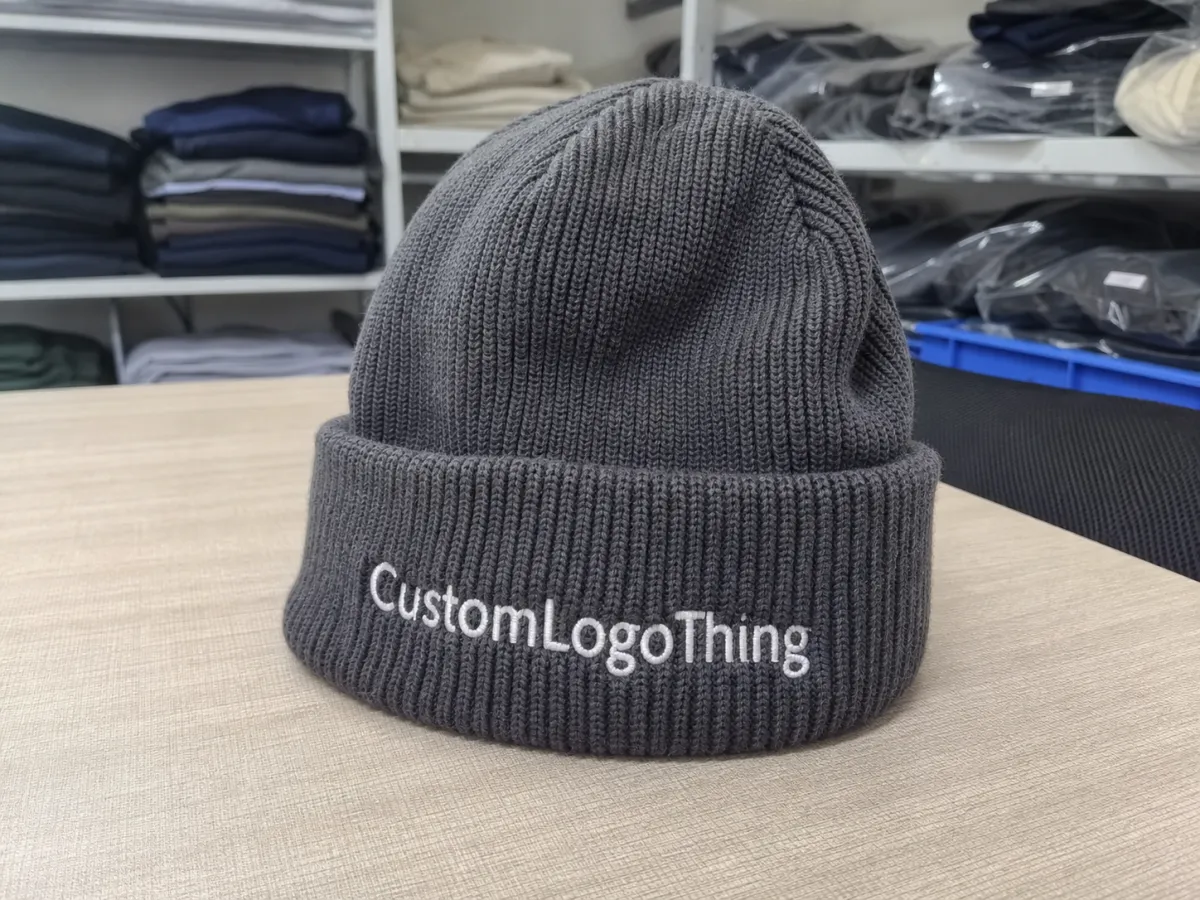
Heavyweight hats earn their value through construction. Gauge, yarn thickness, cuff depth, and stitch density all affect warmth and appearance. A 6-gauge or 7-gauge knit with a double-layer cuff usually feels sturdier than a standard promotional beanie, and that difference is visible on a shelf or in a gift box.
Hospitality programs need a product that works in more than one setting. Guest amenities need to look polished and feel worth the spend. Retail versions need to be wearable off property. Staff issue needs shape retention and comfort during repeated wear. The same hat can serve all three if the knit is stable and the finish is clean.
- Guest amenities: The hat should feel substantial enough to match the room or package price.
- Retail resale: Buyers usually want something they would actually wear outside the hotel.
- Staff use: Comfort and shape retention matter more than decorative detail.
- Seasonal kits: Folding, labeling, and packaging affect how premium the item feels.
A thicker hat is not automatically better, but in a hotel setting it often reads as more considered. Guests trust products that look warm, keep their shape, and feel finished rather than improvised.
Packaging can affect labor cost as much as product cost. Hats that arrive flat, clean, and ready for room drops save time at the property. If a team has to refold, rebag, or inspect every unit before use, that hidden labor can outweigh the difference between a basic and premium knit.
It is also worth comparing the hat to the cost of complaints and dead stock. A slightly better heavyweight beanie often reduces returns, wear-out, and replacement orders. In bulk programs, the lowest upfront price is not always the lowest total cost.
How a Hotel Heavyweight Winter Hats Supplier Builds Better Bulk Programs
A reliable supplier should be able to explain the build without jargon. The main variables are yarn blend, knit gauge, cuff style, lining, and finish method. Each one changes warmth, stretch, and how well the hat survives packing and repeated wear.
Acrylic is still common because it is cost-effective and color stable. Antipill acrylic is worth asking for because surface finish matters as much as the fiber itself. Wool blends feel richer and often retain heat better, but they cost more and may not suit every wearer. Recycled yarn can support sustainability goals, though it should still be judged on structure and comfort.
The real test is durability after use. Dense rib knit, a firm cuff, and clean crown shaping help the hat recover instead of slumping. That matters in hospitality, where a product may be worn, folded, stuffed in a bag, and worn again within the same season.
Branding should fit the knit. Embroidery is durable, woven labels look tidy on dense fabric, and patches can add dimension without overwhelming the front panel. For most programs, a logo width between 2 and 3.25 inches is easier to execute well than oversized decoration, unless the knit structure clearly supports more.
Quality control is where a better supplier earns trust. Ask how they check yarn shade consistency, stitch count, cuff height, seam alignment, embroidery tension, and folded dimensions. If the hats are going into gift sets, confirm that every piece is folded the same way and packed the same way. Small presentation errors can make a premium product look inconsistent.
Cost, Pricing, and MOQ Factors That Shape Your Quote
Pricing usually comes down to five levers: fiber content, knit complexity, decoration method, packaging, and whether the style is stocked or fully custom. A plain in-stock acrylic cuffed hat can be very different from a custom wool blend with a woven label, folded insert card, and branded box.
MOQ matters because setup costs do not change much whether you order 100 hats or 1,000. Yarn sourcing, machine programming, decoration setup, and packout all have to be spread across the run. Smaller orders are possible, but the unit price is usually higher.
| Style | Typical MOQ | Rough Unit Cost | Best Fit |
|---|---|---|---|
| In-stock acrylic cuffed beanie | 100-300 pcs | $2.10-$3.80 | Fast seasonal buys and staff issue |
| Semi-custom acrylic with embroidery | 300-500 pcs | $3.40-$5.90 | Guest amenity programs and modest retail |
| Heavyweight wool blend with patch | 300-1,000 pcs | $5.50-$9.00 | Premium winter gift sets and resale |
| Recycled yarn, custom label, gift box | 500+ pcs | $6.50-$11.50 | Upscale properties and branded campaigns |
These are planning ranges, not fixed quotes. Sampling, freight, rush fees, and individual bagging can move the final number quickly. A sample can cost roughly $30 to $120 depending on how custom the knit is, and some suppliers credit that back if the order moves into production.
Bad planning is expensive. Emergency replenishment usually costs more, color drift can create re-order issues, and dead inventory builds when a hotel buys to a guess rather than to guest behavior. A clean spec sheet keeps the quote usable. If your team needs a common packaging vocabulary while building the brief, the reference material at packaging.org can help align expectations.
One useful way to control cost is to standardize the body and vary only what guests actually see. A single knit style can often support multiple logo colors, but every extra fabric color, patch shape, or box version adds expense and slows the run.
Production Steps and Lead Time From Mockup to Delivery
Hat production is straightforward once the brief is locked. Delays usually happen in artwork revisions, yarn sourcing, and sample approval. A clean brief shortens all three.
- Brief and artwork proof: Confirm hat body, color, decoration, quantity, and packaging before quoting starts.
- Sampling: Review hand feel, stretch, logo size, fold, and color accuracy on a real sample or mockup.
- Approval: Lock details so the supplier can schedule the knit run.
- Bulk knitting and decoration: The hats are made, trimmed, and finished.
- Final inspection and packout: Check for loose threads, uneven tension, shade variation, and presentation.
- Shipping: Cartons are labeled, counted, and sent to the property or distribution point.
Lead time depends on how custom the order is. In-stock heavyweight hats may ship in roughly 7-14 business days after approval. Semi-custom orders often need 15-25 business days. Fully custom knit programs, especially those using special yarn or custom-dyed colors, can need 25-40 business days before freight is added.
Freight should be planned separately. Air shipping can save a late program, but it is costly. Ocean freight is better for larger replenishment runs, but it needs real lead-time discipline. If the hats are going into gift boxes, amenity kits, or retail cartons, ask how the shipment has been packed for transit. ISTA testing standards are a practical reference for understanding how packaging should hold up under pressure, vibration, and stacking.
A short back-planning checklist helps:
- Work backward from guest delivery, not the purchase order date.
- Leave room for one sample revision if the logo is detailed.
- Build a buffer for freight delays, especially in winter.
- Confirm the final shipping address before production starts.
Material, Fit, and Branding Choices That Travel Well
Fit changes how the hat looks, how it photographs, and whether the guest keeps wearing it. A cuffed beanie is usually the safest choice for hotel programs because it offers a strong decoration area and a stable shape. A slouch style feels more relaxed and can work for lodge or lifestyle properties. A classic watch-cap profile sits between the two and often suits staff issue or understated retail.
Stretch recovery is one of the most important technical details. A hat that relaxes too much after one wear starts to look tired quickly. A hat that springs back after use feels reliable, especially when it is worn over long hair, earmuffs, or a base layer. Dense rib knit generally performs better than loose jersey knit here, and a stronger cuff helps the shape hold through repeated handling.
Color should be chosen for the property, not just for the mood board. Charcoal, black, navy, oatmeal, and forest green work well because they align with most uniforms and interiors. Bright winter colors can make sense for ski destinations or outdoor activity packages, but they are harder to carry across different property types.
Decoration should stay disciplined. Heavy knit fabric rarely benefits from oversized graphics. A woven label, a small embroidery mark, or a clean patch usually looks better than a front panel crowded with detail. If the artwork is too complex, simplify the logo rather than forcing the knit to carry every line.
Packaging can lift perception without changing the hat itself. A folded beanie with a matte hangtag, recycled tissue wrap, or FSC-certified carton feels more complete than a loose hat in a polybag. If sustainability is part of the message, use specific material claims instead of vague eco language.
Small tactile additions also matter. A fabric label on the cuff, a compact insert card, or a restrained box finish can make the hat feel intentional without overdesigning it. Hospitality merchandise should feel useful first and branded second.
Common Ordering Mistakes That Inflate Reorders and Waste
The fastest way to waste money is to approve a sample that looks good in a photo but fails in hand. Some hats feel too light, too tight, or too scratchy after a few minutes of wear. Physical sampling should be part of the process, not an optional extra.
Vague specifications create vague quotes. If a buyer says "thick black beanie with logo," the supplier has to guess at yarn blend, stitch density, cuff depth, label type, and packout. Those guesses produce quote drift. A better brief names the target weight, knit style, approximate logo width, color reference, and packaging format.
Overcommitting to one colorway is another common mistake. A mountain property, a city boutique hotel, and a leisure resort do not always move the same palette at the same pace. One may sell through charcoal first; another may prefer cream or olive. A small test order can reveal more than a long planning meeting.
- Do not approve a sample without wearing it for a few minutes.
- Do not leave yarn blend and weight out of the brief.
- Do not assume one color will work across every property.
- Do not ignore packaging specs if the hat is going into gift sets.
- Do not treat reorders as a fresh project every time.
Reorder planning deserves special attention. Ask whether the supplier can hold decoration setup for later runs and whether yarn lot control is documented. That matters because a good first run should not become a surprise on the second order. If the next batch shifts in shade, fit, or stitch density, the brand sees the problem before the guest does.
Timing mistakes are expensive too. Some hotels buy winter stock too late and end up paying for rushed freight or settling for a weaker substitute. Others buy too much and discover the design no longer matches the updated brand palette. The better approach is to treat winter hats as part of the property’s seasonal inventory plan, not as a one-off merchandise decision.
Next Steps to Source the Right Winter Hat Program
Start with one clean spec sheet. Include yarn blend, target weight, fit, decoration method, quantity, packaging format, and delivery window. That single page will improve supplier quotes more than a long chain of follow-up emails.
Then ask for a sample or a digital mockup before approving the bulk run. Test the sample in real settings: at the desk, in a gift box, on a staff member, and in the kind of winter weather your guests actually face. Warmth, stretch, and logo visibility should survive all of those checks.
If possible, compare at least two quotes using the same brief. That makes trade-offs obvious. One quote may look lower because packaging is excluded. Another may appear higher but include setup, folding, bagging, and shipping paperwork. Without a shared specification, those numbers are difficult to compare honestly.
A basic ordering calendar helps as well. Map the launch against property openings, winter promotions, and occupancy forecasts. If the hats need to arrive by a fixed date, work backward and leave a buffer. The best winter programs usually feel boring in execution because the planning was disciplined.
The final checklist should include artwork approval, packaging confirmation, shipping address verification, and a replenishment trigger for the next run. A strong winter hat program is not just about the first order; it is about keeping the item available without scrambling mid-season. A reliable hotel Heavyweight Winter Hats supplier should make that process predictable, and that predictability is where the real value sits.
Frequently Asked Questions
What should a hotel heavyweight winter hats supplier include in a sample pack?
At minimum, ask for one finished hat, a yarn or material swatch, and a decoration sample that matches the final logo method. A color reference and packaging example help too. If possible, wear the sample for a few minutes; that reveals stretch, warmth, and comfort faster than a photo ever will.
How do I compare quotes from hotel heavyweight winter hats suppliers?
Match the specs first: material, weight, decoration, packaging, and shipping terms. Then check whether sampling, setup, and rush charges are included. A low unit price can hide expensive extras, while a slightly higher quote may already account for folding, bagging, or freight documentation.
What MOQ is typical for heavyweight hotel beanies?
MOQ varies by construction and decoration, but custom heavyweight beanies usually require more than a stock hat. Smaller runs are possible, though the unit cost rises quickly once you move below standard production thresholds. If you need several hotel colors, ask whether one base style can be decorated in multiple variants so the order stays efficient.
How long does production usually take for custom winter hats?
Lead time depends on sampling, artwork approval, yarn availability, and the decoration method. In-stock styles move faster, while fully custom heavyweight hats need more planning before bulk production starts. Build in freight time and a buffer for edits so the hats land before your seasonal launch or guest program begins.
Which decoration method lasts best on heavyweight beanies?
Embroidery and woven labels are common durable options because they hold up well on dense knit surfaces. If you want a cleaner premium look, choose a method that keeps the logo readable without making the hat stiff or heavy. Ask the supplier how each option affects comfort, stretch, and wash performance before you approve final artwork.