The Bag Guests Notice After Checkout
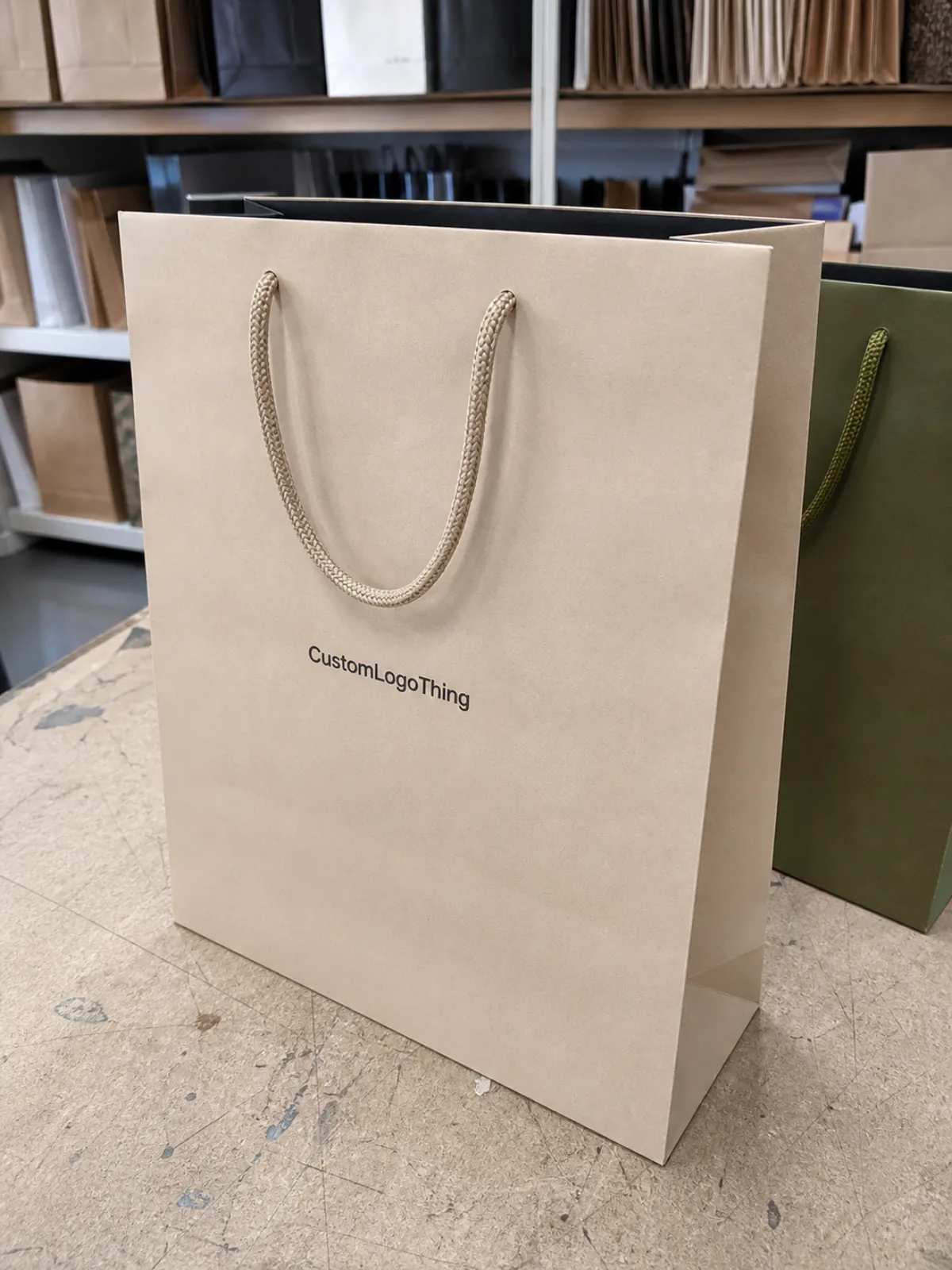
A guest leaves the spa with two boxed amenities, a folded robe, and a receipt tucked inside a clean branded bag. That bag may sit in the lobby, ride in a car, pass through an airport, or land on a kitchen counter later that night, which is why buyers searching for a hotel paper Bags Supplier Quote usually need more than a loose unit price. They need packaging that can carry welcome gifts, robes, slippers, documents, retail items, event materials, or front desk amenities without looking like a stock afterthought.
Paper bags fail in practical, visible ways. A handle tears because the top turn-over is too shallow. The bottom opens because the glue line was not matched to the loaded weight. A wide amenity box forces the gusset outward because the bag was sized around the front panel only. Printing matters, but many hotel bag problems start with paper weight, handle construction, bottom reinforcement, or carton packing, not with the logo.
For hospitality use, Custom Paper Bags are not limited to boutique retail. They support guest services, spa counters, conference giveaways, in-room gifting, housekeeping requests, loyalty welcome sets, and branded merchandise. A 120gsm kraft bag may be enough for a brochure and a small amenity kit. A 250gsm laminated art paper bag with a bottom board is a more sensible choice for boxed gifts or premium suite packages.
A useful quote identifies material, size, print method, finish, quantity, packing method, and shipping terms before production starts. If those details are missing, the price is not fully comparable.
From a hotel buyer’s point of view, the right quote should make the purchasing decision cleaner. It should show what the bag will be made from, how it will be printed, what kind of load it is designed to carry, and whether freight, samples, tooling, or plate charges are included.
Paper Bag Styles That Fit Hotel Use Cases
Hotel paper bags cover several structures: natural kraft bags, white kraft bags, coated art paper bags, laminated luxury shopping bags, rope-handle bags, twisted-handle bags, flat merchandise bags, and reinforced gift bags. Each style has a proper place. Many buyers pay for the wrong premium feature while under-specifying the structural details guests actually feel.
Lightweight kraft or white kraft bags are a good match for toiletries, keycard sleeves, folded brochures, and small amenity sets. Medium-duty bags, often around 150gsm to 200gsm depending on size, suit hotel boutiques selling candles, skincare, packaged snacks, or branded caps. Rigid laminated bags, often built from 210gsm to 300gsm coated paper with a reinforced top fold and bottom board, work better for premium suites, spa gifts, holiday packages, or VIP welcome sets.
Handle choice changes both appearance and performance. Twisted paper handles are economical, familiar, and easier to align with recyclable paper bag programs when the rest of the bag is kept simple. Cotton or PP rope handles feel more polished and are easier on the hand with heavier contents. Die-cut handles can work for compact giveaways, but the cutout area needs enough paper thickness or reinforcement, otherwise the opening stretches under load.
The production language is worth understanding. Basis weight affects stiffness. Fold strength affects whether corners crack. Bottom board spreads weight under boxed items. Top turn-over reinforces the handle area. Side gusset controls how far the bag opens. Glue performance decides whether the bag holds up after packing, stacking, shipping, and guest handling.
Hospitality branding raises the standard because guests touch the bag directly. Clean print registration, crisp logo placement, even rope length, square bottom folds, and a tidy top edge are part of the visible service experience. If you need help narrowing style options before requesting a hotel paper bags supplier quote, the team at Contact Us can review your intended contents and suggest a practical starting specification.
Specifications to Prepare Before Requesting Pricing
The fastest way to receive useful pricing is to prepare the core specifications before asking suppliers to calculate. Start with finished width, height, gusset depth, paper stock, handle type, print colors, logo file format, surface finish, quantity, delivery destination, and deadline. If the bag must hold a particular boxed amenity, folded garment, glass bottle, candle, or retail kit, include that item’s dimensions and approximate weight.
Measurements need to be clear. Width is the front face from left to right. Height is the vertical dimension from top edge to bottom. Gusset is the side depth, and it determines how much the bag can open for boxed, folded, or stacked items. A bag listed as 10 x 12 x 4 inches has a 10-inch front, 12-inch height, and 4-inch gusset. That 4-inch gusset is often the difference between a clean fit and side folds that buckle around the product.
Material choices usually begin with Natural Kraft Paper, white kraft paper, coated art paper, recycled-content paper, or heavier card-style paper. Natural kraft has an earthy, practical character and is often chosen for spa, wellness, and eco-conscious hospitality programs. White kraft gives front desk and boutique packaging a cleaner look. Coated art paper accepts sharper print detail and supports finishes such as matte lamination, gloss lamination, soft-touch lamination, foil, and spot UV.
Printing method affects cost and appearance. Offset printing suits detailed multi-color artwork and premium coated paper bags. Flexographic printing is common for simpler high-volume kraft bag runs. Screen printing works well for bold spot colors on smaller custom programs. Foil stamping, embossing, and debossing add premium accent branding, but they often require tooling and careful position control around folds, handle holes, and panel edges.
| Hotel Bag Type | Common Material | Typical Use | Indicative Unit Range |
|---|---|---|---|
| Small amenity bag | 120gsm to 150gsm kraft or white kraft | Toiletries, keycard packets, brochures | $0.18-$0.35 at 5,000 pieces |
| Medium retail bag | 150gsm to 200gsm kraft or coated paper | Spa products, boutique items, packaged gifts | $0.35-$0.75 at 3,000 pieces |
| Luxury guest bag | 210gsm to 300gsm laminated art paper | VIP gifts, boxed amenities, premium merchandise | $0.80-$1.80 at 2,000 pieces |
Those ranges are planning figures, not fixed promises. Final pricing depends on size, print coverage, finish, freight, quantity, and current material cost. A bag for a keycard envelope and brochure has very different structural needs than a bag carrying two boxed amenities and a folded robe, so quote accuracy improves quickly when the supplier understands the real contents.
How to Read a Hotel Paper Bags Supplier Quote
A hotel Paper Bags Supplier Quote should show exactly what is included, not just a per-piece number. If one supplier prices a 180gsm unlaminated kraft bag and another prices a 250gsm laminated art paper bag with rope handles and bottom board reinforcement, those are not competing prices for the same product. They are different bags with different material inputs, labor steps, and guest impressions.
Standard quote lines should include bag size, paper GSM, handle material, printing method, number of print colors, finish, reinforcement, packing quantity per carton, MOQ, unit cost, tooling or plate fees, sample fees, freight, and estimated lead time. For hospitality buyers, carton labeling is also worth confirming, especially if bags are being split by department, property, opening event, or seasonal program.
Shipping terms can change the true landed cost. EXW means the goods are made available at the supplier’s facility, and the buyer handles pickup, export, freight, import, duty, and delivery. FOB usually means the supplier covers movement to the export port, while the buyer handles ocean or air freight and import costs. CIF includes cost, insurance, and freight to the destination port, but not necessarily customs clearance or final delivery. DDP is closer to delivered pricing, where duties and delivery are built in, though the exact address and service level still matter.
Common quote traps are easy to miss. A laminated art paper bag may look expensive beside an unlaminated kraft bag until you compare paper weight, print coverage, handle type, and reinforcement. A bottom board may add only a few cents, but it can prevent sagging under boxed items. Rope handles may suit a spa boutique, yet they add labor and material cost. Freight may be excluded from the lowest price on the page.
Procurement teams should compare specification-to-specification pricing instead of choosing the lowest unit cost from an incomplete quote. Send the same specification set to every supplier and ask each one to state substitutions clearly. If a supplier changes the paper weight, handle, finish, or shipping term to reduce the number, that change should be visible before anyone approves artwork or production.
Cost, MOQ, and Unit Cost Drivers for Hotel Bags
Several factors drive the cost of custom hotel bags: paper grade, paper thickness, bag size, handle type, print coverage, number of colors, lamination, specialty finish, reinforcement, order quantity, packing method, and shipping destination. A larger gusset uses more paper. Full flood printing uses more ink and requires tighter color control. A soft-touch laminated bag with cotton rope handles takes more finishing work than a one-color kraft bag with twisted paper handles.
Unit cost usually drops as quantity rises because setup work is spread across more bags. Printing preparation, material purchasing, die-cutting setup, handle attachment, machine adjustment, inspection, and carton packing all carry fixed effort. A run of 1,000 pieces may have a noticeably higher unit price than 5,000 or 10,000 pieces, even if the bag specification stays the same.
MOQ exists for practical reasons. Custom printed paper bags must be cut, printed, folded, glued, handled, counted, and packed in a planned production run. Printing plates, ink setup, stock preparation, and carton packing take time before the first finished bag is ready. Some simple kraft bags can be quoted at lower minimums, while laminated luxury paper bags, uncommon paper colors, heavy ink coverage, or special handles may require higher minimums because the materials and finishing process are less flexible.
Hotels can manage budget by standardizing one or two bag sizes across several departments. One medium bag may serve the spa, boutique, housekeeping amenities, and small welcome gifts if the gusset and handle strength are chosen correctly. That reduces artwork versions, carton SKUs, storage confusion, and reorder complexity.
Premium add-ons can be worthwhile for luxury hospitality, but they should earn their place. Foil stamping gives a bright metal accent for a crest or wordmark. Embossing adds touch. Soft-touch lamination gives a smooth, low-glare finish, though it may scuff more easily than some gloss films. Thick cotton rope handles feel substantial, but they increase cost and may affect recyclability. Ask for tiered pricing at several quantities, such as 1,000, 3,000, 5,000, and 10,000 pieces, so you can compare a small reorder against a larger annual supply run.
If sustainability claims are part of your hotel’s brand standards, ask about recycled content, paper sourcing, coatings, handles, and whether mixed materials complicate disposal. The Forest Stewardship Council is a useful reference point for paper sourcing programs, while the EPA recycling resources offer broader context on recovery and material handling. A recyclable-looking bag is not always simple to recycle if it includes heavy lamination, synthetic rope, foil, and glued-in boards.
Production Steps, Timeline, and Lead Time Expectations
A reliable quote should connect price with a realistic production path. The normal sequence is specification review, quote preparation, artwork check, dieline confirmation, sample approval when needed, material procurement, printing, finishing, die-cutting, folding, handle attachment, quality inspection, carton packing, and shipping. Each step protects a different part of the final result.
Lead time depends on complexity, material availability, finish selection, sample requirements, quantity, and destination. Simple printed kraft bags usually move faster than laminated bags with foil stamping, embossing, rope handles, and custom carton labeling. As a practical planning range, many custom paper bag projects need about 12-20 business days for production after proof approval, with additional time for sampling and freight. Air shipment may shorten transit but raise cost sharply; ocean shipment may reduce freight cost but requires more calendar time.
Proofing has three common levels. A digital proof shows layout, logo position, colors by reference, fold lines, and handle clearance. A pre-production sample shows actual structure and finishing, although color can still vary slightly between a one-off sample and bulk production. Bulk production approval means the buyer has accepted the final specification and the order moves into scheduled manufacturing.
Artwork checkpoints matter more than many people expect. Provide vector logo files such as AI, EPS, or print-ready PDF whenever possible. Confirm Pantone or CMYK color targets, bleed, safe area, handle clearance, fold lines, gusset artwork, and any barcode or legal text placement. A logo that looks centered on the flat dieline may shift visually once the side gussets open, so the layout should be checked as a finished bag, not only as a rectangle on screen.
Quality control for hotel bags should include handle pull strength, glue adhesion, print registration, color consistency, lamination bubbles, scuff resistance, carton labeling, and count accuracy. For heavier bags, test the load with the actual contents or a close weight match. If a bag must carry 2.5 pounds of boxed amenities, do not approve it based only on how it looks empty.
For grand openings, conferences, seasonal launches, renovation reopenings, or group events, request pricing early. Build in time for quote revision, artwork cleanup, sample approval, production, inspection, and freight movement. The International Safe Transit Association, available at ista.org, is also a helpful authority for thinking about distribution testing and transit conditions, especially when cartons move through longer freight networks.
How Custom Logo Things Supports Hotel Buyers
Custom Logo Things supports hotel buyers with specification guidance, material matching, logo placement review, finish recommendations, quote clarity, and production coordination for custom hotel packaging. The aim is not to push the most expensive bag. The better result is a bag matched to the real handling situation, guest expectation, brand standard, and budget.
Different hospitality properties need different answers. Boutique hotels may want a clean white kraft bag with one sharp logo color. Resorts may need larger gusseted bags for spa products, sunscreen, slippers, or folded textiles. Serviced apartments may use bags for welcome groceries or document packets. Convention hotels may need reliable bulk Packaging for Event materials. Hospitality groups may need artwork version control across several brands or locations.
Good coordination saves time later. Mixed size planning can keep a small amenity bag, medium retail bag, and large gift bag under one visual system. Repeat-order documentation keeps paper weight, handle color, Pantone references, carton count, and dieline records consistent. Carton labeling by department or property helps receiving teams distribute inventory without opening every box. Artwork version control reduces the risk of an old logo, wrong address, or incorrect property name going into production.
Custom Logo Things can help compare kraft, coated, laminated, and luxury paper bag options using the same size and quantity assumptions. That matters because a hotel paper bags supplier quote becomes useful only when the alternatives are measured fairly. If one option saves money but loses bottom strength, that tradeoff should be visible before approval. If a premium finish improves the guest impression for a VIP program, it should be shown as a separate line rather than buried in a vague package price.
Clear specs, practical engineering, clean branding, and straightforward communication reduce surprises once the order moves into production. If you are preparing a new order or comparing an existing supplier’s offer, you can send your details through Contact Us and request economical and premium options side by side.
Next Steps Before You Approve a Custom Bag Order
Before approving a custom bag order, confirm the use case first. Measure the largest item. Estimate loaded weight. Choose a target quantity. Select the preferred material family. Prepare logo files. Define the deadline and delivery address. These steps prevent most early quote confusion.
- Confirm contents: List the items going inside, including boxed amenities, folded robes, brochures, bottles, slippers, or merchandise.
- Measure properly: Record item width, height, depth, and stack height so the bag gusset is not undersized.
- Estimate load: Give the supplier an approximate filled weight, especially for glass bottles, candles, boxed sets, or textiles.
- Set the brand level: Decide whether the bag should feel economical, natural, boutique-grade, or luxury retail.
- Share logistics: Provide destination country or full delivery address, deadline, and any event date.
If the hotel is unsure about sizing, order one versatile size first. A medium paper bag with a practical gusset can support several departments while real usage data comes in. Guest feedback, storage space, department reorder speed, and damage rates can then shape the next version more accurately than guesswork.
Ask for both economical and premium options if the budget is still flexible. For example, compare a natural kraft paper bag with twisted paper handles against a laminated art paper bag with rope handles, bottom board reinforcement, and foil logo. The first may be right for everyday amenity movement. The second may make sense for spa retail or VIP gifting.
Send the inquiry with size or product dimensions, quantity, artwork, preferred finish, handle style, delivery country or address, and any opening or event deadline. A clear hotel paper bags supplier quote can then include practical pricing, realistic lead time, and packaging options that are ready for review instead of guesswork.
FAQ
What should I include when requesting a hotel paper bag supplier quote?
Provide finished size, quantity, paper type, handle style, print colors, finish, logo file, delivery address, deadline, and the approximate weight or type of items the bag will carry. If you do not know the exact bag size, send the dimensions of the largest item and the supplier can recommend a practical width, height, and gusset.
What MOQ should hotels expect for custom paper bags?
MOQ depends on bag style, print method, material, and finish. Custom printed paper bags normally require a production minimum because printing setup, cutting, folding, gluing, handle attachment, and carton packing must be scheduled efficiently. Simple kraft bags may support lower minimums than laminated luxury bags with foil or rope handles.
Which paper bag material is best for a hotel boutique or spa?
Kraft paper works well for natural or eco-conscious branding, white kraft gives a clean hospitality look, and laminated art paper is better for premium retail, spa gifting, or luxury guest packaging. The best choice depends on loaded weight, brand tone, print detail, budget, and whether special finishes are needed.
How long does custom hotel paper bag production take?
Lead time varies by quantity, material, finish, sample approval, and shipping destination. Many custom runs require proofing, material preparation, production, inspection, and freight time, so buyers with event dates, seasonal launches, or hotel openings should request pricing early and leave room for sample review.
Can I get different hotel paper bag sizes in one quote?
Yes. Multiple sizes can be quoted together, and it is often useful to compare a small amenity bag, a medium retail bag, and a larger gift or robe bag using the same branding system. A grouped quote can also make repeat ordering, carton labeling, and department-level inventory planning easier for hotel teams.