A hotel Private Label Caps quote should start with one simple question: is the cap for staff, retail, or both? That answer affects price, decoration, minimum order, and the finish details that matter most. Caps are visible in public, so weak stitching, off-color branding, or poor structure are hard to hide.
From a buyer's point of view, the difference between a workable cap and a weak one usually comes down to construction and presentation. Stitch density, panel count, crown shape, brim type, and packaging all affect how the product feels in hand and how it sells on shelf. A basic shell can look premium or cheap depending on the spec.
If you need a fast starting point, use Contact Us with your logo, quantity, and target date. If the program needs hang tags or inserts, the right Custom Labels & Tags can improve the presentation without pushing the cap into luxury pricing.
Why Generic Caps Fall Flat in Hotel Merch Programs
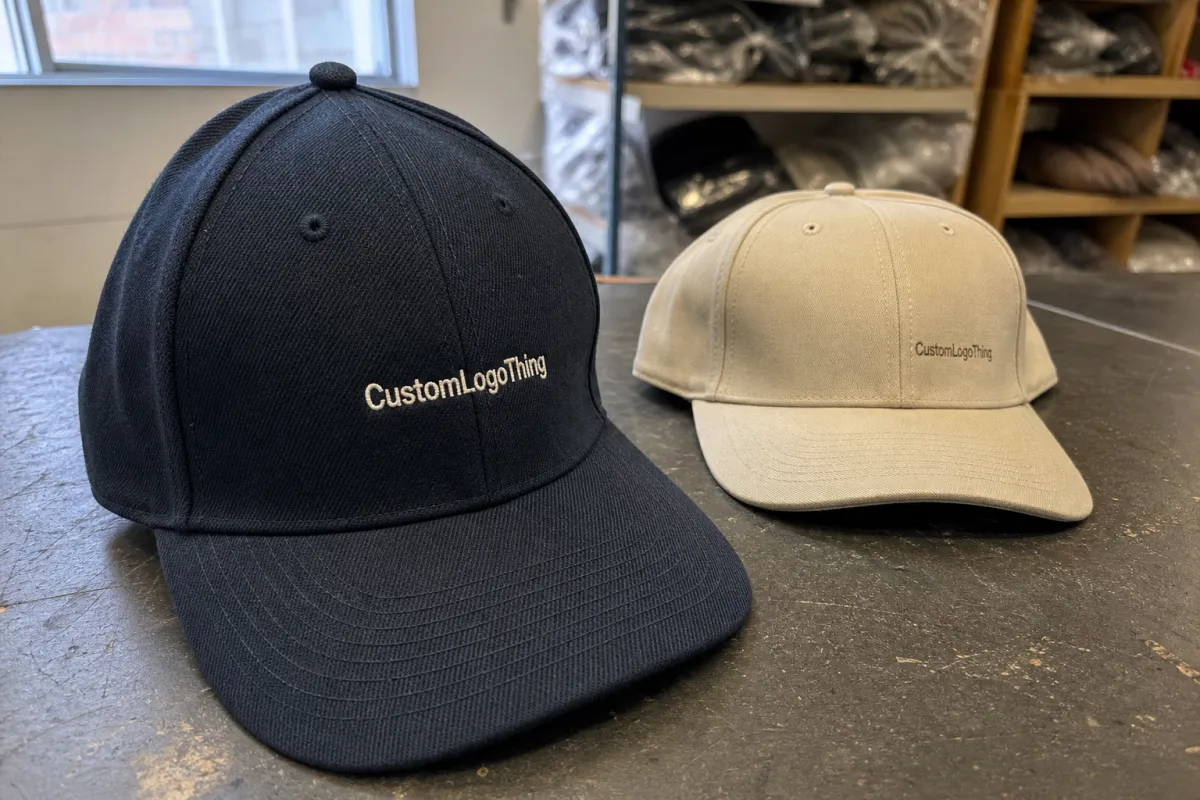
Generic caps are built for volume, not for brand fit. Hotels and resorts need merchandise that feels intentional, because guests buy the item as a reminder of the stay, not just as headwear. If the cap looks like an off-the-shelf blank with a logo added later, it tends to underperform in retail.
Staff uniforms and retail merch are different jobs. Staff caps need repeatable fit, reliable durability, and fabric that survives daily wear. Retail caps need stronger shelf appeal, cleaner finishing, and details that make the item feel worth the price. If one style has to do both, the quote changes because the spec has to satisfy two use cases.
Logo size affects the final look more than many buyers expect. A small embroidered mark on a low-profile dad cap can feel subtle and upscale. The same artwork stretched across the front panel can read as promotional. Panel count matters too: a 5-panel front gives more decoration space, while a 6-panel crown usually looks more classic.
Brim construction also changes the product. A firm, well-curved brim keeps its shape in display and on head. A softer brim can be comfortable, but it can also look tired faster. That is why the same cap style can feel premium in one order and cheap in another. The shell matters, but the finishing is what the guest notices.
Styles and Decoration Options That Actually Sell
The cap styles that usually make sense for hotels are dad caps, structured snapbacks, and truckers. Dad caps work well for resort retail, spa shops, and relaxed properties that want an easy, wearable profile. Structured snapbacks suit younger guests and lifestyle hotels that want a sharper silhouette. Truckers are useful when you want airflow and a style that reads clearly on a display wall.
Decoration choice affects both the look and the unit cost. Flat embroidery is the most common option because it is clean, durable, and works well for many hotel logos. It handles fine detail better than many buyers expect if the artwork is not crowded. 3D embroidery adds depth, but it works best for bold shapes and short text. Woven patches and leatherette patches feel more premium, especially for retail items where texture helps sell the cap.
Extra trims can improve shelf appeal. Common add-ons include woven labels, interior taping, side embroidery, hang tags, barcode stickers, and retail-ready polybags. These are not just decoration; they help the cap feel finished. If you need them, they should be included in the first quote instead of added after the sample comes back.
Style should match the price point. A washed cotton dad cap with a small logo sells differently from a structured cap with a full patch. One feels casual and easy; the other feels more deliberate and usually supports a higher retail price. If the hotel shop sells $18 to $35 accessories, avoid a cap spec that looks like a giveaway item.
For retail programs, ask for clean label placement and a hang tag so the product can go straight to shelf. For branded inserts, fold cards, and sewn identifiers, a complete labels package can help the cap fit into a broader hotel merchandise line.
Construction Specs That Change Fit, Finish, and Cost
The specs that affect fit and price are straightforward: crown height, panel count, brim curve, closure type, and sweatband finish. These details decide whether the cap feels dependable or flimsy. If you want repeat orders, lock them before production rather than guessing after the sample arrives.
For materials, cotton twill is the standard hotel choice. It usually sits around 250 to 280 gsm and takes embroidery cleanly. Polyester blends are better when durability and color stability matter more than a soft hand feel. Mesh backs help in warmer resort climates. Washed cotton gives a softer, broken-in look that often works well for retail.
Fit deserves attention early. Decide whether the cap should be structured or unstructured, low-profile or standard, and what head size range it must cover. A one-size-fits-most cap usually needs an adjustable closure with enough range for both guests and staff. If the cap is for uniforms, test it on a real head, not just a flat proof.
Finish consistency matters on reorders. Stitch color tolerance, logo placement, label position, and seam quality need to stay stable from batch to batch. If the cap must match an existing hotel uniform line, request a controlled reference sample and written approval notes so the second order does not drift.
For sustainability claims, keep them specific. If hang tags or inserts need certified paper, ask for FSC-certified stock and confirm exactly what is certified. For packaging that has to survive distribution, carton handling standards from ISTA are worth reviewing. A box that looks fine on paper can still get crushed in transit.
Hotel Private Label Caps Quote: Pricing, MOQ, and Unit Cost
The main price drivers are quantity, decoration method, fabric choice, color count, packaging, and whether the design needs custom trims or labels. Quantity is usually the biggest lever because fixed setup costs spread out as volume increases. A 300-piece order and a 3,000-piece order belong in different pricing conversations.
Simple embroidered caps can support lower minimums because the setup is light and the decoration is straightforward. Fully custom builds, special patches, branded underbrims, or retail packaging usually require a higher floor because the labor and prep work are heavier. That is basic production math, not a sales tactic.
| Cap Type | Typical MOQ | Typical Unit Price | Best For |
|---|---|---|---|
| Embroidered dad cap | 100-300 pcs | $4.20-$7.80 | Staff gifts, spa retail, casual resort shops |
| Structured snapback with woven patch | 300-500 pcs | $5.60-$9.50 | Youth-facing properties, statement merch |
| Trucker cap with printed or woven patch | 500+ pcs | $4.90-$8.20 | High-visibility retail, pool and beach shops |
| Washed cotton cap with leatherette patch | 300+ pcs | $6.10-$10.20 | Premium souvenir lines, lifestyle hotel retail |
Those ranges are typical factory-level numbers before freight, duty, and tax. They move with logo coverage, thread color count, and whether the cap includes retail packaging. A polybag with a simple sticker costs less than a printed hang tag, folded insert, and barcode label set. If you need those pieces, say so early so the quote does not have to be rewritten later.
Hidden costs usually show up in sampling, setup, and color matching. A sample fee is normal, and so is a modest setup charge for embroidery or patch tooling. Freight can also swing landed cost more than the cap itself on smaller orders. The lowest unit price is not always the best choice if a slightly higher price reduces defects or improves reorders.
One practical approach is to ask for two quote paths: a value version and a premium version. That gives you a clean comparison without restarting the process. If the hotel wants to test sell-through before a larger run, a simpler spec with good decoration is usually smarter than overbuilding the first batch.
Production Steps, Lead Time, and Approval Milestones
The workflow should be predictable: request review, mockup, sample approval, bulk production, quality check, and final packing. If a supplier skips steps or blurs them together, problems usually show up later and become expensive to fix.
Timing depends on the decoration and how much customization is involved. Artwork review and mockups often move in 1 to 2 business days if the logo file is usable. Sample production usually takes 3 to 7 business days. Bulk production often runs 12 to 20 business days after approval, with simple embroidered runs on the shorter end and custom patch or packaging programs on the longer end.
The common delays are easy to predict. Logo revisions slow everything down. Fabric sourcing adds time if you want a specific shade or texture. Closure changes matter more than many buyers expect. Packaging changes after sample approval are another frequent delay. The cap itself is simple; the approvals around it are not.
Before bulk starts, lock the final artwork, Pantone references, size spec, quantity split by color or style, packing format, and delivery date. If the order covers multiple properties, note the ship-to list early. Split shipments can be managed, but they are not something to improvise after production begins.
For larger programs, ask whether cartons are tested against a handling standard like ISTA 3A or a similar drop profile, especially if the caps move through a distribution center before reaching the hotel. If the program includes sustainability-related paper goods, get proof during the sample stage, not after approval.
What a Reliable Supplier Must Get Right for Hotels
Consistency across reorders is the first test. Hotels do not want one batch that looks perfect and the next batch that looks slightly off. The color should hold, the logo should sit in the same place, and the trim should match. If a supplier cannot repeat the spec, they are not really offering a hotel-ready program.
Proof quality matters more than sales language. A clear mockup should show front, side, and back views, plus the decoration method, thread colors, patch size, and label placement. Honest material guidance matters too. If a woven patch will make a tiny logo hard to read, the supplier should say so before production starts.
Operational reliability is also important. You want steady communication, documented approvals, and a factory that can handle both small test runs and larger resort rollouts. Hotel buyers often order uneven quantities, split by color, or move dates when opening schedules change. The supplier should handle that without creating a mess.
Packaging consistency matters more than many merch teams admit. Polybag thickness, sticker placement, fold position, and carton count all affect how the product lands at the property. For seasonal launches, the difference between controlled pack-out and loose packing is the difference between a display-ready shipment and a staff sorting job.
A real supplier should also answer technical questions with specifics. If you ask about stitch count, fabric weight, or label position, you should get numbers or a direct explanation of the tradeoff. Generic reassurance usually means the quote is built on hope rather than a production plan.
How to Request a Fast Quote and Place the Order
To get a clean response, send the basics in one message: logo file, target quantity, preferred cap style, decoration method, color references, packaging needs, and delivery deadline. If you already know the property type, include that too. A spa shop, beach resort, and business hotel may all want caps, but they usually do not want the same finish.
These details help a supplier quote the real job instead of a placeholder number:
- Logo artwork in vector format, ideally AI, EPS, or editable PDF
- Quantity by style and by color
- Cap preference: dad cap, snapback, trucker, or custom build
- Decoration method: embroidery, woven patch, leatherette patch, or mixed
- Pantone or fabric color references
- Retail packaging needs, including hang tags, labels, and barcode stickers
- Ship-to location and deadline
Ask for two versions of the quote if budget is not settled. One can focus on lower unit cost and simpler decoration. The other can include premium finishing, custom labels, or retail packing. That makes internal comparison easier and gives procurement a clearer decision path.
When the mockup comes back, review the decoration size, placement, thread colors, and closure choice. Approve the sample only when the fit and finish match the use case. After that, confirm specs in writing, check payment terms, and release bulk production.
If you want the order to move quickly, give the supplier the artwork, the quantity, and the product standard you actually want. That is how a hotel Private Label Caps quote turns into a usable order instead of a pile of revisions. If you need help building the spec, send the details through Contact Us and start with the cap style, logo file, and target budget.
What affects a hotel cap quote the most?
Quantity is the biggest lever because setup costs spread out as volume rises. Decoration method, packaging, and fabric choice also move the price fast, especially when the order includes custom patches or retail-ready packing.
What is a realistic MOQ for private label hotel caps?
Simple embroidered caps often support lower minimums than fully custom builds. Once you add special trims, custom labels, or branded packaging, the minimum order usually rises because the production prep gets heavier.
Can you match hotel brand colors exactly?
Use Pantone references or physical swatches whenever possible. Exact matching depends on fabric, thread, and decoration method, so proofing matters if the brand color has to stay tight across reorders.
How long does private label cap production usually take?
Mockups and samples move first, then bulk production starts after approval. A simple run may finish in a few weeks, while custom packaging or material changes can add time. Rush orders may be possible, but revisions slow them down quickly.
What should I send to get an accurate hotel cap quote?
Send your logo file, quantity, cap style, decoration method, color references, packaging needs, and delivery location. If you have a target shelf price or opening date, include that too. It makes the quote far more useful.


