Private Label Caps Reorder Plan for Wholesale Buyers
A private label Caps Reorder Plan starts as a simple repeat order and quickly becomes a control exercise. The second run has to match the first in body shape, fit, decoration, and packaging, or the cap can look different enough to affect retail presentation and sell-through.
Wholesale buyers usually focus on quantity and timing, but the real risk sits in the details: crown height, front structure, brim curve, closure tension, fabric hand, label placement, and carton spec. If those details are not written down, the reorder depends on memory, which is a weak production standard.
The cheapest quote is not always the right quote. A supplier can lower the price by changing fabric weight, simplifying the trim, or swapping the packout. That may still produce a usable cap, but it is no longer a true repeat unless the buyer approves the change.
Private Label Caps Reorder Plan: Where Repeat Orders Slip
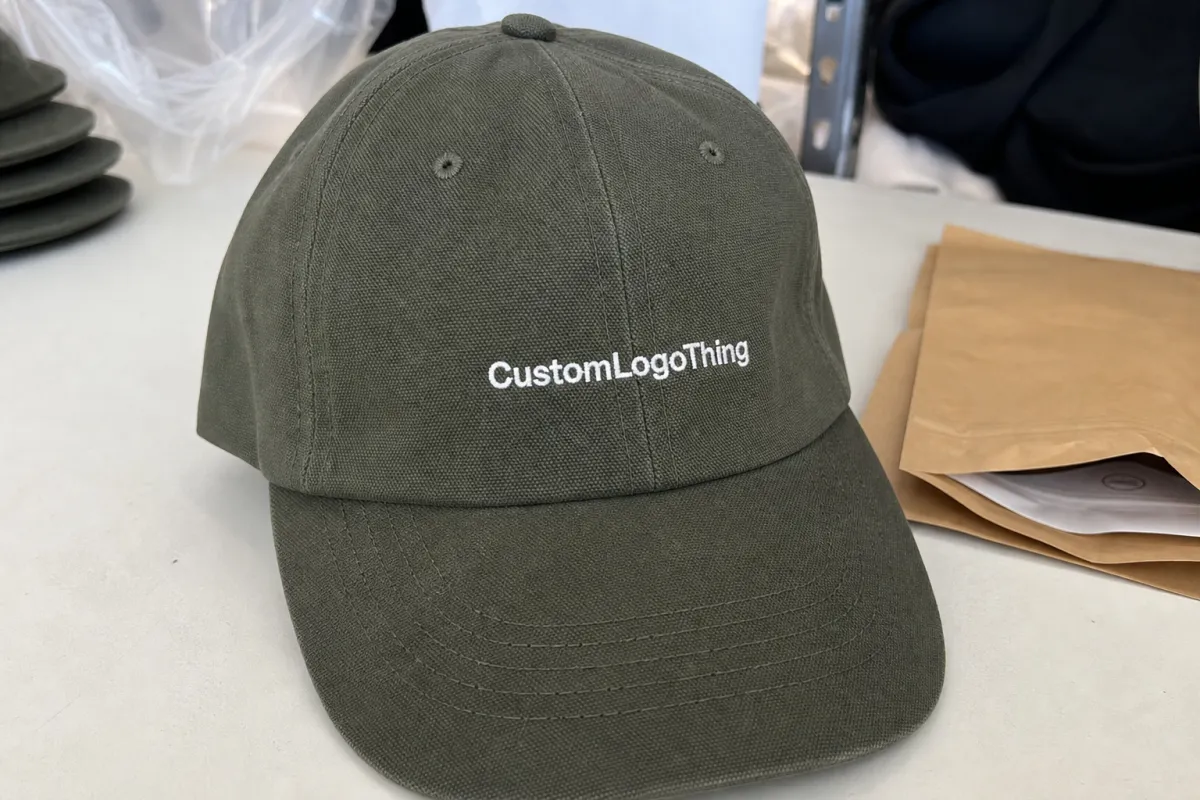
The most common failure point is the cap body, not the logo. A 5-panel unstructured cap and a 6-panel structured cap can carry the same artwork and still look and feel different. Crown profile, panel stiffness, seam shape, and brim curve all change the final appearance.
Fabric is another place where drift happens. A cap made from cotton twill does not behave like brushed cotton, recycled polyester, or a poly-cotton blend. Even when the color looks close, the hand feel and drape can shift enough to matter in retail or photography.
The reorder file should start with the approved spec sheet, not the last invoice. The sheet needs panel count, profile, brim length, closure type, logo location, finishing, and material content. If the first order used a matte snapback, a metal buckle, or a fabric strap with a tuck-in, that has to stay visible.
Trim substitution also causes problems. A factory may source a different sweatband, snap, or thread lot if the details are not locked. That can change fit and hand feel even when the cap looks close at first glance. The same issue applies to decoration size: a logo that grows a few millimeters can look crowded on a shallow crown.
A useful reorder file keeps the style code, artwork revision, packaging spec, and ship-to instructions in one place. Purchase orders help with quantity and dates, but they rarely capture enough detail to recreate the item accurately.
- Panel count and crown profile
- Brim curve, brim length, and stiffness
- Fabric weight, content, and finish
- Closure type and adjustment range
- Decoration method and placement dimensions
- Packaging spec and carton count
The best reorder file leaves little room for interpretation. If the sample, spec sheet, and proof do not match, reconcile the difference before production starts.
That discipline protects more than appearance. A different trim, a new print method, or a changed packout can shift cost enough to erase margin. The quieter the change, the easier it is to miss.
For programs with matching brand assets, keep cap files connected to labels, hangtags, and inserts. If the logo changes on one item, the revision should travel across the whole package set so the product line stays aligned.
How to Lock the Cap Style, Fit, and Decoration Specs
Lock the visible and physical details first: silhouette, panel count, profile, brim size, closure, fabric, and interior finishing. If the first run was built in brushed cotton, polyester twill, canvas, or foam front panels, name it exactly. If the visor was pre-curved, note whether it was lightly shaped or fully formed.
Fit deserves the same attention as graphics. A retail cap, a stadium program, and a corporate uniform order may need different size and closure behavior. A flexible snapback can cover a wide audience, while a cleaner back profile may look better in product photos or on display walls.
Decoration details should be fixed with measured references. Keep logo size, stitch count, patch material, and color references unchanged unless the buyer wants a revision. For embroidery, note stitch density and any underlay that affects texture. For patches, say whether they are woven, embroidered, PVC, rubber, or leatherette. For print, state the method and placement.
Generic language creates avoidable errors. Phrases like “close to original” or “similar placement” invite interpretation, especially when several people touch the order. Measured dimensions work better. A logo placed 25 mm from the visor seam is easier to reproduce than one described as “upper center front.”
Color control should be called out separately. Cap programs often fail on the second order because someone assumed the black was the same black or the navy was the same navy. Fabric, thread, and patch material do not all reflect light the same way. If a specific Pantone, thread chart, or yarn-dye match matters, keep that reference in the file and ask for confirmation against the actual production lot.
A physical sample still matters more than photos. Images help with placement and overall look, but they cannot show texture, stiffness, seam depth, or how the closure feels in hand. The cleanest reorder kit usually includes one approved sample, one current spec sheet, and one image set showing front, side, back, and interior views.
For steady-volume programs, the goal is repeatability over time, not just on paper. A reorder should feel like the original because the brand depends on consistency across stores, channels, and seasons.
Reference Samples, Artwork Files, and Production Checks
Every reorder should move with a clean file set: approved vector artwork, production mockup, logo placement notes, color references, label copy, and any instructions for side panels, back panels, or under-brim decoration. If the cap uses embroidery, keep the digitized file or stitch reference attached. If it uses a woven patch, keep the approved artwork version with it.
Reference samples solve the problem of memory drift. A cap approved months ago may have passed through another buyer, another manager, and a warehouse that kept only one open carton. The sample makes the approved standard visible again.
A practical production check sequence keeps the order from wandering. First is artwork proofing. Then placement verification. Then thread, print, or patch confirmation. After that comes packaging instructions and carton marks. If the supplier changes any of those points, the revision should be called out clearly in the file.
Revision control matters. One active file should exist for the current version, and older versions should be marked inactive. If a hangtag or barcode label changes, the new art should sit beside the main cap file instead of hiding in an old email thread.
Packaging checks matter too. For ecommerce or mixed-channel fulfillment, carton durability and pallet handling can change the outcome. If cartons will travel through parcel networks, a drop and vibration standard aligned with ISTA guidance is worth discussing. If printed inserts, paper tags, or retail sleeves are part of the order, material certification may also matter.
These checks are not theoretical. A cap can pass factory approval and still arrive with a crushed visor if the carton spec is too light for the route. Freight, claims, and replacement goods can quickly erase savings from a cheaper box.
Cost, MOQ, and Quote Variables That Change Unit Price
Reorder pricing usually changes for predictable reasons. Quantity breaks matter most. Decoration method comes next. Packaging and retail prep can matter even more than buyers expect. If the first run shipped in bulk but the next one needs polybags, barcode labels, size stickers, or hangtags, the quote should reflect that.
MOQ rises when the style includes custom-dyed fabric, special trim, or a closure made specifically for one brand. In those cases, the supplier may need a separate production slot or larger material lots. For many private label cap programs, the practical range lands between 300 and 1,000 units per color or style. Premium patches, special finishes, or complex packaging can push the minimum higher.
Unit price also moves with decoration complexity. Simple embroidery on a standard body is usually easier to control than oversized 3D embroidery, multiple patch placements, or mixed methods that combine print and stitch. Buyers comparing quotes should make sure the cap body, decoration method, and packout are identical before reading too much into the numbers.
A true comparison uses the same cap, the same artwork, the same packaging, and the same shipping basis. If one quote is based on a different blank or a simpler carton spec, it is not like-for-like. Freight can distort the picture too. A lower ex-factory price can still produce a higher landed cost if the cartons are larger, the pallet count changes, or the route requires extra handling.
| Reorder Scenario | What Changes | Typical Unit Cost Impact | Buyer Watch-Out |
|---|---|---|---|
| Exact repeat | Same body, same logo, same packout | Lowest variation, often driven mainly by quantity | Confirm the original material is still available |
| Decoration update | Logo size, stitch count, patch type, or print method changes | Moderate increase, often $0.20-$1.20 per unit | New digitizing, tooling, or proof rounds may add cost |
| Packaging-only change | Polybag, hangtag, label, or carton spec changes | Small to moderate increase, often $0.08-$0.45 per unit | Check retail compliance and warehouse receiving rules |
| Material substitution | Different fabric, trim, or closure construction | Can rise sharply depending on availability | Color and fit may shift even if the logo stays the same |
For a common wholesale decorated cap order at 5,000 pieces, a reasonable range might land around $2.10 to $4.10 per unit depending on body construction, decoration method, and packaging spec. Blank styles can sit lower. Premium fabrics, molded patches, and complex finishing can move the number upward. The range is only useful once the spec is fixed.
The cheapest repeat order is not always the best one. If a supplier saves a few cents by changing the body or trimming back on finishing, the buyer may not notice until the cap sits next to the original. Cost control matters, but consistency has its own value.
Process and Lead Time for a Faster Reorder Run
The fastest reorder process is usually the most disciplined one: confirm the style, verify the artwork, lock the specs, approve the proof, then schedule production. Skipping one of those steps is how a buyer ends up with a correction run or a shipment that misses the selling window.
Lead time depends on more than the factory calendar. Material availability is often the first constraint. If the original fabric, closure, or patch component is still in stock, the reorder moves faster. If any of those items need to be sourced again, the schedule lengthens. Decoration queues matter too, because embroidery, sewing, carton sourcing, pallet booking, and export paperwork do not move on the same timeline.
For an exact repeat with stock materials, turnaround can often fall around 12 to 15 business days after proof approval. That is a practical range, not a promise. Peak season, shipping congestion, and slow approvals can stretch it. If the order needs a new logo size, a new label, or a color correction, expect a sample round or strike-off before mass production.
Scattered feedback slows everything down. Multiple approvers create delays because each person sees a different risk. One wants the color darker, another wants the logo bigger, another wants the carton label changed. A clear approval chain keeps the order moving. If the deadline is tied to a promotion, trade show, or retail reset, work backward from the in-hand date and leave one clean approval window.
The more repeatable the process, the more predictable the outcome. A reorder that depends on memory, email fragments, and half-remembered artwork versions usually takes longer than it should.
A consistent internal worksheet helps across product lines. The same structure used for caps can work for labels, inserts, and packaging components. Fewer open questions means fewer corrections and fewer surprises late in the schedule.
Packaging, Labeling, and Ship-To Details That Keep Reorders Clean
Packaging is part of the product. A retail-ready cap may need an individual polybag, a size sticker, a hangtag, a barcode label, and a master carton mark that matches the buyer’s warehouse language. If the receiving team wants one style code per carton or a fixed carton count per pallet, that instruction should be in the reorder file before production begins.
Ship-to details matter even more when the order splits across distribution centers, drop-ship locations, or third-party fulfillment partners. A cap program can look tidy on paper and still stall at receiving if the destination name, pallet count, or carton label is wrong. Keep those instructions attached to the same file as the style spec so nobody has to search old messages.
Palletizing can be the difference between a smooth receipt and a messy one. Carton stacking height, wrap method, corner protection, and carton orientation should be written down if the destination has dock rules. Some buyers also need top-carton markings or a specific pallet label format. Those details are administrative, but they save time at the warehouse and reduce avoidable claims.
Packaging consistency also affects brand perception. A clean master carton, readable label, and correct hangtag tell the buyer the product was handled carefully. On private label accounts, that consistency can matter almost as much as the cap itself.
For recurring programs, a one-page reorder record is often enough: style code, decoration method, packaging spec, ship-to address, carton count, and last approved revision. Keep that page current. The next quote request becomes much simpler, and the next production run is less likely to drift.
When renewal time comes, send the prior PO, approved sample photos, target quantity, delivery date, ship-to address, and any packaging or label changes together. Name one internal approver. State whether the order is an exact repeat, a spec update, or a packaging-only change. That clarity keeps the second run aligned with the first.
What do I need to start a private label caps reorder plan?
Send the prior PO or item code, the approved sample or clear photos, the target quantity, the needed delivery date, and any updated packaging or labeling instructions. Include the artwork file or proof so the next run can be checked against the approved version.
How do I keep cap fit and color consistent on a reorder?
Lock the cap body specs, closure type, and finishing details, then use a physical reference sample or approved photo set for comparison. Ask for confirmation of fabric or thread color references so small dye lot changes do not become visible on the final product.
Why did my reorder quote change if the logo stayed the same?
Pricing can move if the quantity changed, the packaging spec changed, or the original materials and trims are no longer available at the same cost. Decoration setup, freight, and special labeling can also change the unit cost even when the artwork is unchanged.
Does MOQ change on a private label cap reorder?
It can, especially if the cap uses custom-dyed fabric, special trims, or a decoration method that requires a minimum production run. A larger reorder usually improves unit pricing, while a smaller reorder may trigger a higher minimum or a setup charge.
How long should a cap reorder take to produce?
Lead time depends on material availability, decoration queue, proof approval speed, and shipping method. If the style is already approved and the materials are in stock, the turnaround is usually faster than a first-time program.


