Private Label Caps unit cost is usually decided long before the first carton is packed. The blank cap matters, but it rarely tells the full story. Decoration, closure hardware, label work, packaging, and freight can move the finished number far more than the base hat itself.
That is why two quotes for what looks like the same cap can end up separated by 20% or more. One may be pricing only the shell. The other may be pricing a retail-ready product with embroidery, internal labeling, polybags, and carton marks. Those are not interchangeable offers, even if the logo on the spreadsheet makes them look close.
Caps are one of those products that punish vague buying. A buyer who treats them like a commodity usually spends more time clarifying assumptions than negotiating price. A buyer who treats them like a spec-driven item gets cleaner numbers, fewer surprises, and a better read on margin.
The lowest quote is often the one that leaves something out. If setup, labels, packaging, or freight are missing, the number is not wrong so much as incomplete.
Why a simple cap spec can beat a cheap quote
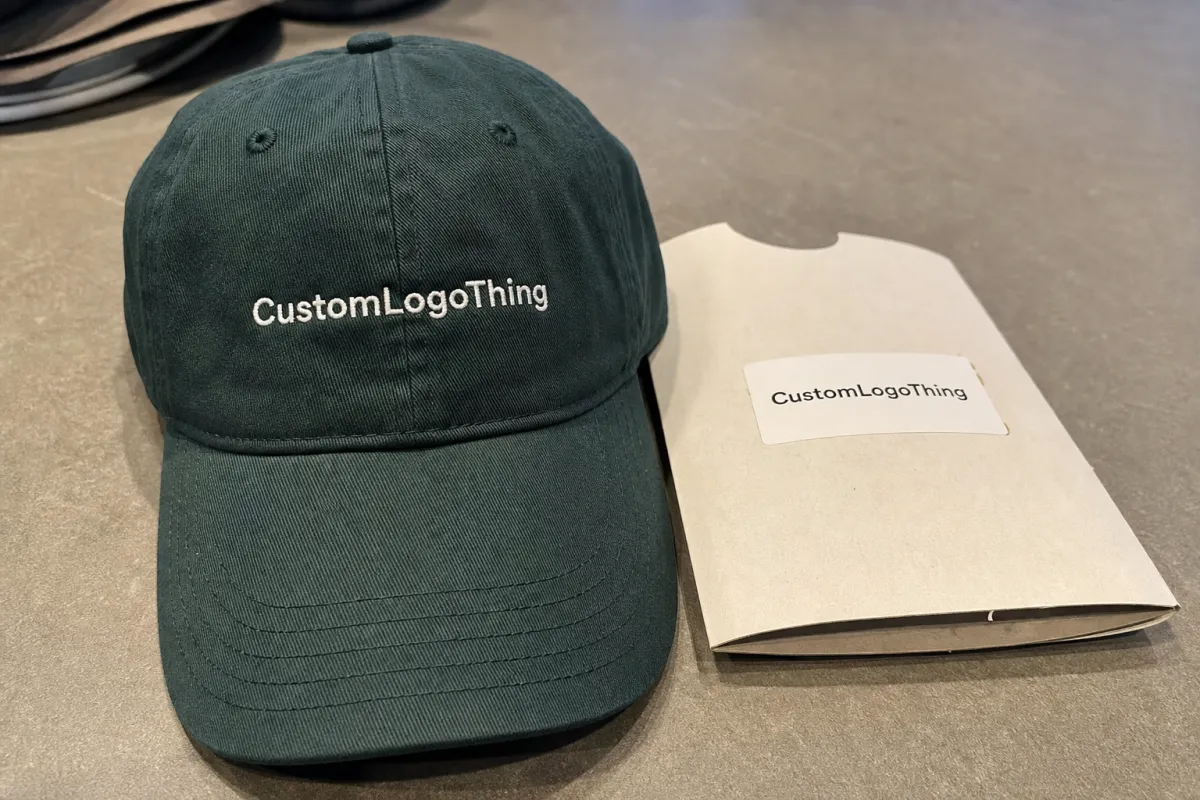
A basic cap can look inexpensive until the full order is assembled. The blank might be only part of the landed cost, especially once a brand asks for decoration and packaging that matches the rest of the line. That is where private label Caps Unit Cost stops behaving like a simple unit price and starts looking like a mini sourcing program.
Buyers get caught by the first number because it is the only one they can compare quickly. Then the rest appears: embroidery digitizing, patch tooling, label insertion, carton labeling, and freight. In many cases, those additions push the real cost up by 18% to 35% versus the headline quote. Not because the supplier is trying to mislead anyone, but because the quote was built around an unfinished spec.
The more useful question is not, “What does the cap cost?” It is, “What does each finished piece cost at my dock?” That means comparing cost per piece, not blank price. For a direct-to-consumer brand or a retail line, an extra forty or sixty cents at the start can be cheaper than rework, a delayed launch, or a product that looks inconsistent beside the rest of the collection.
In practice, simple specs usually win. A clean six-panel cap with one decoration method, a standard closure, and straightforward packaging is easier to quote and easier to reorder. Fewer moving parts means fewer assumptions. Fewer assumptions mean fewer arguments when the final invoice arrives.
There is also a manufacturing logic here that gets overlooked. Every extra element adds either labor, tooling, or quality-control steps. A woven patch sounds small until the supplier has to source it, place it, stitch it, inspect it, and pack it without skewing the front panel. One added detail can ripple through the whole production chain.
Cap styles that change the base price fast
Style choice changes price faster than most first-time buyers expect. A 5-panel cap and a 6-panel cap can both look like “just a cap” from a distance, but they are built differently. Five-panel styles usually give a cleaner front panel for decoration. Six-panel caps often feel more familiar and can suit a broader range of fits and closures.
Structured caps almost always cost more than unstructured versions because the crown needs support. That support comes from reinforcement, extra material, and more handling during sewing. The same is true for a reinforced sweatband. It improves comfort and finish, but it is not a free upgrade.
Fabric is another major lever.
- Cotton twill remains the workhorse: stable, familiar, and usually easy to price.
- Washed cotton carries a softer look and usually a slightly higher cost because the finish adds processing.
- Polyester mesh is common on trucker caps and can reduce fabric expense, though construction still matters.
- Corduroy adds texture and a more distinct retail feel, but the material price and handling both rise.
- Performance blends often cost more because buyers expect better shape retention, sweat management, or color stability.
Brim shape matters too. A flat brim generally needs less shaping work and fits a more modern presentation. A curved brim feels more traditional, but the forming step can add labor and sometimes complicate consistency if the batch is large. Closures have the same effect. A basic plastic snapback is easy to source and usually cost-efficient. A metal buckle, engraved clasp, or textured strap adds a better finish and a higher unit cost.
The cost jump is not always dramatic on its own. What changes the total is the stack of small choices. A structured six-panel cap in cotton twill with flat embroidery and a simple snapback can quote very differently from an unstructured washed cotton cap with a leather patch, woven side label, and custom inner taping. Same product category. Very different economics.
For most buyers, the safest cost-controlled options are a standard six-panel cotton twill cap or a simple trucker cap with one clear decoration method. Those styles quote cleanly, sample predictably, and tend to reorder without much friction. They are popular because they are efficient, not because they are boring.
Build the spec sheet that controls the quote
If you want a usable quote, send a usable spec sheet. Loose language creates loose pricing. The supplier has to guess, and guessing is expensive in both directions. Sometimes it inflates the quote. Sometimes it leaves out something you expected to be included.
At minimum, the spec should lock panel count, crown shape, brim style, closure, fabric, and lining. If those are not defined, the factory will fill the gaps with its own standard. That might be fine for a private label test run, but it is dangerous for a repeatable product line. One supplier’s “standard cap” can mean a structured six-panel snapback; another’s can mean a low-profile dad hat. The words sound similar. The price, fit, and finish do not.
Decoration needs equal precision. Do not ask for “logo work” and expect the quote to be stable. Spell out the method:
- Flat embroidery for straightforward logos and the best cost control
- Puff embroidery for raised detail and a higher labor load
- Woven patch for detailed graphics and fine line work
- Leather patch for a more premium visual finish
- Printed label for low-profile branding on the inside or side
- Mixed decoration for brands that want multiple branded touchpoints
Brand details inside the cap matter more than many buyers think. Taping, woven labels, size tabs, side tags, and carton marks all add setup time and sometimes part cost. They also affect the approval process. A label that is technically fine but visually off-center can slow a bulk run just as much as a fabric issue. It is easier to correct that before production than after cartons are sealed.
That is one reason Custom Labels & Tags deserve a place in the conversation early. A cap line can feel unfinished if the labeling is generic or inconsistent. It can also create problems downstream if the brand name, size, and country-of-origin requirements are not aligned with the product spec from the start. A quote without label placement and label size is only a half-quote.
Tighter specs save time in three ways: less back-and-forth, fewer revision fees, and fewer sample surprises. They also make vendor comparison far easier because every supplier is pricing the same assumptions. That is how Private Label Caps unit cost stays visible instead of turning into a moving target.
One useful habit is to write the spec as if someone else will reorder the cap six months later. If the details are clear enough for that, they are probably clear enough for a factory quotation. If they are not, the first run may still work, but the reorder will probably drift.
Private Label Caps Unit Cost, MOQ, and Quote Tiers
MOQ changes the math immediately. A 300-piece order cannot spread setup charges the same way a 3,000-piece order can. Digitizing, tooling, and approval work get divided across fewer units, which is why bulk pricing often looks less attractive at low quantities. That is not a penalty. It is production arithmetic.
For broad planning, a plain blank cap in volume may sit in the low single digits per piece before decoration, while a finished private label version can move into the mid-single digits quickly once embroidery, labels, and packaging are added. At smaller quantities, the same product can climb higher because the setup load barely changes. A quote for 200 pieces is not just a smaller version of a 2,000-piece quote; it is a different cost structure.
Buyers should separate sample pricing, first-run pricing, and reorder pricing. A sample often costs more than expected because it includes pattern work, decoration testing, and source confirmation. The first bulk order carries the setup burden. Reorders are where the unit cost can improve, but only if the spec stays frozen and the supplier still has the same materials and approvals on file.
| Quote Tier | Typical Order Use | Price Behavior | Best For |
|---|---|---|---|
| Entry tier | Testing a new design or channel | Higher unit cost, lighter finish | Market validation and small launches |
| Balanced tier | Core private label program | Moderate unit cost with stable branding | Healthy margin and repeatability |
| Premium tier | Retail-ready or giftable caps | Higher cost from better finishing and packaging | Brand presentation and shelf appeal |
Ask for all three tiers if you are serious about buying. The entry version shows what the factory can do at the low end. The balanced version tells you where the margin usually sits. The premium version shows how far presentation can be pushed before the product stops making sense commercially. One quote is a snapshot. Three quotes expose the trade-offs.
Every clean quote should show the hidden items clearly:
- Embroidery setup or digitizing charges
- Tooling fees for patches, molds, or special trims
- Labeling and tag insertion
- Packaging such as individual polybags, inserts, or branded cartons
- Freight and whether it is included, prepaid, or billed separately
The best way to compare private label caps unit cost is to ask for a landed price per piece tied to one exact spec, one exact MOQ, and one exact destination. If two vendors are quoting different assumptions, their numbers do not mean the same thing. One is an offer. The other is a placeholder.
It also helps to think about cost in layers: shell cost, decoration cost, packaging cost, and delivery cost. If the shell is cheap but the other three layers are messy, the final economics may be worse than the quote from a supplier with a higher base price and cleaner execution. That happens more often than brands admit.
Production steps and lead time from approval to cartons
A proper cap order follows a predictable sequence: inquiry, spec review, mockup, sampling, approval, bulk production, inspection, packing, and shipment. Skip one step and the schedule usually exposes the gap later. The process is not complicated. It is simply easy to rush in ways that cost time.
Sampling time depends on complexity. Straightforward artwork and available materials can often produce a first sample in 5-10 business days. Bulk production commonly takes 15-30 business days after approval, though special fabrics, dense embroidery, or limited color matching can stretch that window. Peak season adds its own friction. A factory that is quick in March may be slower in late summer if its line is already full.
The things that slow caps down most are not mysterious:
- Artwork changes after the mockup is approved
- Fabric sourcing delays for special colors or textures
- Thread matching when the logo uses exact brand colors
- Packaging changes after production has already started
If speed matters, stability matters more. A simple flat embroidery sample on cotton twill moves faster than a multi-step patch build on a fabric with heavy texture. A standard closure also helps. So does approving the internal label and carton marks before bulk production begins. The bigger the order, the more expensive each small change becomes.
Packaging deserves real attention because it affects both damage risk and unpacking experience. Ask how cartons are built, how caps are packed inside them, and whether any shipment testing standard is being referenced. Industry methods from groups such as ISTA help buyers think about distribution stress in a practical way. A cap is not fragile like glass, but poor packing still causes crushed brims, dirty panels, and avoidable returns.
If your program uses paper-based inserts or cartons, confirm the source claims rather than assuming them. FSC chain-of-custody is not the same as “we use paper.” Ask what the certificate actually covers. The paperwork should match the product, not the marketing copy.
How to vet a cap supplier for repeat orders and color control
A good cap supplier is not the one that speaks in the nicest adjectives. It is the one that can repeat the same product twice and make both runs look identical. That sounds plain because it is. Repeatability is where private label programs live or die.
Look for stable fabric sourcing, disciplined stitching, and a clear approval process. Ask for photos from actual production, not only polished mockups. Mockups sell an idea. Line photos show the real shape, stitch alignment, and label placement. A supplier that can explain tolerances on panel alignment, embroidery position, and closure placement is usually easier to work with than one that avoids those details.
Color control deserves special scrutiny. Caps are unforgiving when a brand wants the same shade across black, navy, charcoal, and seasonal colors. Thread can shift under different light. Fabric dye lots can move too. A navy that looks correct in a sample room can look slightly off under retail lighting or on a warehouse floor. That is not a dramatic failure, but it is enough to annoy a buyer who planned a consistent line.
A practical checklist helps:
- Ask how sample approval is documented
- Confirm carton counts and packing format
- Verify label placement before bulk starts
- Ask what defect rate triggers rework or replacement
- Request reorder pricing if the spec stays unchanged
The conversation should feel specific. If a vendor can discuss stitch density, panel balance, and packaging rules, that is useful. If every product is described as “premium,” the word has stopped carrying information. Buyers should favor measurable answers over polished vocabulary.
For brands that need coordinated finishing across caps and other soft goods, pairing a cap run with Custom Labels & Tags can reduce the chance of mismatched branding. The advantage only holds if the quote is itemized clearly. Convenience is helpful. Hidden costs are not.
One more point that often gets missed: insist on retaining approved samples. A physical reference from the first run is the easiest way to settle later disputes about crown depth, thread tone, or label placement. Photos help, but they do not replace the sample sitting in a drawer with the project notes.
What to send for a clean quote on your next cap run
If you want a fast, accurate quote, send five things immediately: quantity, target unit cost, cap style, decoration method, artwork file, and destination country. The more complete that first message is, the less time gets spent clarifying the basics later. Most quote delays come from missing information, not from supplier secrecy.
Ask for two versions of the price. One should be built for the lowest feasible cost. The other should be built for stronger retail presentation. Side-by-side pricing shows whether the better version still leaves enough margin or whether it turns into a vanity spec that looks nice and earns poorly.
Before deposit, confirm sample charge, production lead time, packaging details, and freight terms. If setup charges are not spelled out, ask again. If the supplier cannot explain the difference between blank price and finished landed price, keep shopping. There are too many capable vendors to settle for a vague spreadsheet with a logo pasted on top.
Here is the cleanest decision path:
- Lock the cap spec.
- Choose one decoration method.
- Confirm MOQ and packaging.
- Request landed pricing per piece.
- Approve the sample only after label and color checks.
That sequence keeps the buying process disciplined and protects private label caps unit cost from being inflated by last-minute changes. It also makes reorders easier, because the supplier is building from a documented baseline instead of memory. In cap sourcing, memory is convenient and unreliable in equal measure.
Keep one final rule in mind: the best cap quote is the one that can be repeated. If the first run lands well but the reorder drifts, the unit cost was never really under control. It only looked that way for one purchase order.
What drives private label caps unit cost the most?
Decoration method, order quantity, and fabric choice usually move pricing the fastest. Packaging, labels, setup charges, and freight can change the landed cost more than the blank cap itself. The cheapest quote on paper is not always the cheapest delivered cap.
How low can MOQ usually go for private label caps?
Small MOQs are possible, but the unit price is usually higher because setup work gets spread across fewer pieces. If you want a test quantity, ask for a sample run and a separate reorder tier. A clear spec sheet helps suppliers quote a realistic minimum without padding the number.
Is embroidery or a patch better for private label caps?
Flat embroidery is often the most cost-efficient choice for simple logos. Patches work well when the design has more detail or you want a stronger retail look. Puff embroidery, complex thread counts, and oversized patches usually raise unit cost.
How long does a private label caps order take after approval?
Sample rounds often take 5-10 business days for straightforward artwork and materials. Bulk production commonly takes 15-30 business days after final approval, depending on complexity. Shipping time is separate, so buyers should plan for transit before setting launch dates.
How do I compare two cap quotes without missing hidden costs?
Check whether setup, labeling, packaging, and freight are included or billed separately. Compare the same cap style, decoration method, and MOQ before judging price. Ask for a landed cost per piece so you are comparing real numbers, not just factory headlines.


