A hotel retail Custom Poly Mailer Bags sample approval checklist matters because a bag can look polished in artwork review and still fail once a folded insert, amenity set, or hang tag goes inside. Most preventable mistakes show up only after the sample is packed, sealed, and handled the way it will be used at retail.
If you are buying branded packaging for a gift shop, spa, lobby boutique, or seasonal retail corner, the sample is the first real test of fit, film behavior, print quality, and shelf presentation. For related formats, see Custom Poly Mailers and the broader Custom Packaging Products catalog.
A useful sample does more than match the artwork. It proves the bag can survive packing, shipping, shelf handling, and guest-facing presentation without creating avoidable rework.
Why a Sample That Looks Fine Can Still Miss the Mark
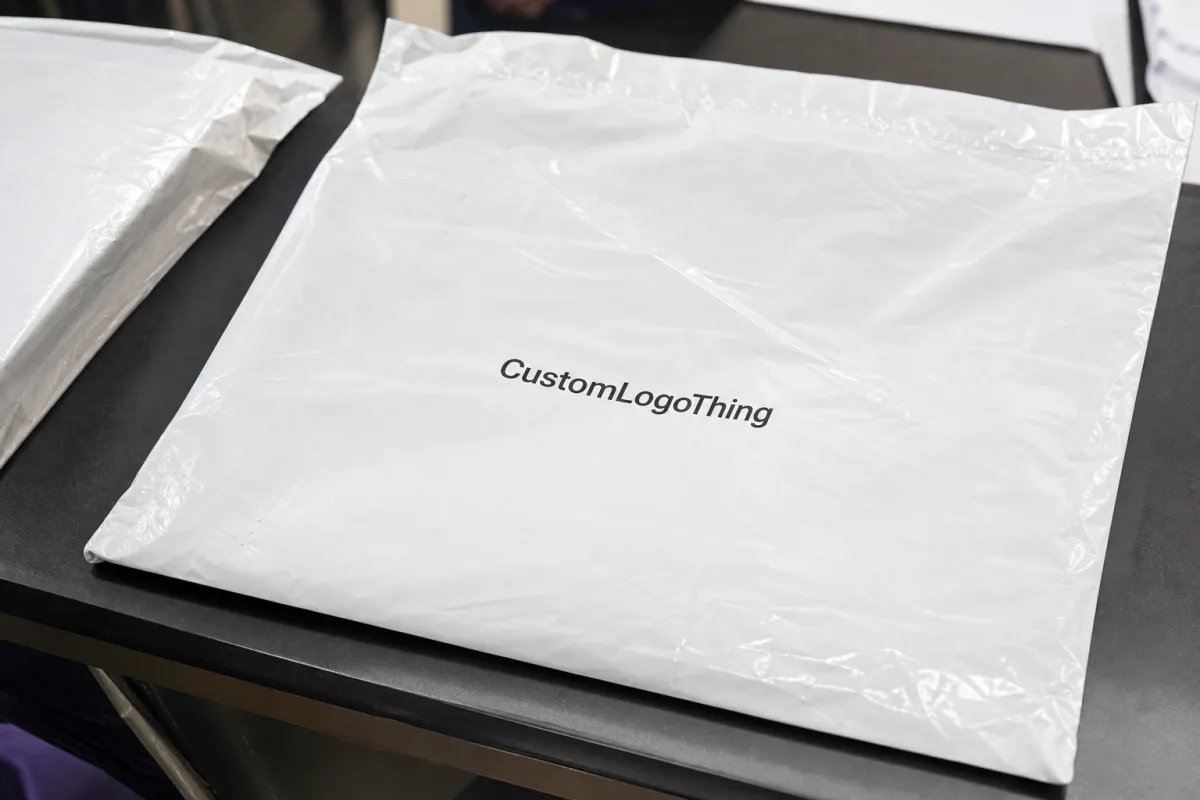
On a flat PDF, a poly mailer can look centered, clean, and fully branded. In hand, the story changes quickly. A 9 x 12 inch bag that seems generous on screen may be tight once a brochure, keycard sleeve, or small retail item is inserted. The reverse happens too: a bag that looks elegant in artwork review can feel oversized once the contents slide around and leave too much empty space.
That is why sample approval matters in hotel retail. The sample has to support the brand presentation in real use, not just in mockup form. A bag that closes securely, holds its shape, and keeps the print sharp on the counter does more for package branding than a flashy concept ever will. Weak punch holes, thin seals, glossy scuffing, and dull-looking white logos are the kinds of issues that are easy to miss until the first physical sample arrives.
Think of the sample as a working prototype for retail packaging, not a proof of concept. That mindset keeps the team focused on fit, handling, and presentation before production starts.
Sample Review Process, Timeline, and Signoff Flow
The cleanest approval flow starts with a complete spec sheet. The supplier should receive artwork, finished size, film target, closure style, print count, and any special requirements such as a hang hole, tear notch, or barcode window. From there, the usual path is digital proof review, physical sample request, internal review, revision if needed, and final signoff. Each step should have one owner so the process does not stall in a pile of comments.
Timing depends on complexity. A digital proof may come back in 1 to 2 business days. A physical sample often takes 5 to 10 business days to produce, then another 3 to 7 business days for shipping. If the first sample needs changes, add another cycle. The biggest schedule risk is often internal: merchandising, operations, and procurement may all want the same sample, but they do not always want the same thing from it.
The fastest signoffs happen when reviewers compare the sample to the written spec, not to memory from a past order. A bag that is 5 mm off in width may still be acceptable, but only if that tolerance is defined before the sample review begins. Without that clarity, a small issue can turn into multiple rounds of debate.
- Step 1: Send artwork and dimensions together.
- Step 2: Review the digital proof for layout, copy, and color intent.
- Step 3: Approve the physical sample only after packed testing.
- Step 4: Collect one consolidated approval from the buyer side.
- Step 5: Release production in writing with the final spec attached.
Sizing, Film, and Print Specs That Change the Feel
Size is the first thing to verify because it affects everything else. A hotel retail bag should fit the intended product with enough room for easy insertion, a clean seal, and a neat shelf presentation. Too small and the seams strain. Too large and the contents shift and look unfinished. Test the sample with the actual packed form, not an empty stand-in.
Film gauge changes the feel of the bag. A 2.0 mil LDPE film can work for lighter retail items, while 2.5 mil or 3.0 mil gives more body, better puncture resistance, and a more substantial hand feel. Clarity, stiffness, and surface finish matter too. Gloss can make colors pop, but it also shows scuffs faster. Matte can look more elevated in some hotel retail settings, though it may soften color and fine type.
Print choices deserve the same attention. One-sided branding may be enough if the bag is always displayed front-facing, but two-sided print can help when shoppers or staff handle it from either direction. Logo size, ink coverage, and color match should be checked against the approved brand standard, especially if the design uses fine lines or a light background. Small shifts in density can change the tone more than most buyers expect.
Also check the functional details: closure style, tear behavior, hang hole, barcode area, and room for folded inserts. Those are the features that often separate a decent-looking bag from a reliable one.
| Option | Typical Use | Relative Unit Cost | What It Changes |
|---|---|---|---|
| 2.0 mil clear LDPE | Light retail inserts, folded cards, small accessories | Lowest | Good clarity, lighter hand feel, less puncture resistance |
| 2.5 mil matte or glossy LDPE | General hotel retail packaging, gift items, branded sets | Moderate | Better body, improved presentation, slightly higher material cost |
| 3.0 mil coex mailer-style film | Heavier contents, higher handling risk, stronger shelf presence | Higher | More durability, stronger seals, more noticeable structure |
For buyers comparing options across a program, sample price and production price often move together. A revised size, special punch, or heavier film can change both the prototype and the final unit cost, so a side-by-side spec comparison is more useful than a generic quote.
For industry standards and testing references, two useful resources are ISTA transport testing standards and the Packaging School and industry learning resources. They will not tell you how your exact bag should look, but they do help frame how packaging is expected to perform under handling and transit.
Cost, MOQ, and Quote Drivers to Compare Fairly
Most price differences come from a handful of levers: size, film thickness, print complexity, number of colors, and any custom punching or finishing. If two bags look similar at first glance, the details usually explain the gap. A larger format uses more resin. A heavier film consumes more material. More print coverage raises setup time and ink usage. Special finishes add process control and cost.
MOQ is tied to setup efficiency and material usage. Smaller runs spread fixed costs across fewer bags, so the unit cost rises even when the design is simple. What buyers should watch for is whether the supplier is quoting a fair step-up or quietly padding the number because the job is awkward. Ask for a like-for-like comparison: same size, same film, same print count, same pack format. Then adjust one variable at a time.
Sample-related charges deserve the same scrutiny. A prototype fee may be reasonable, especially for a custom shape or first-time artwork. Revision fees are common if the team changes size or layout after the first sample. Freight can also surprise people, especially on rush jobs. For hotel retail programs, ask for sample cost, production cost, and shipping cost as separate line items so the landed picture is clear.
If the supplier also handles other categories like custom printed boxes or insert cards, it can help to quote the full branded packaging set together. Sometimes the bag is inexpensive on its own, but the overall package branding budget changes once the insert, label, and shipper are aligned.
Hotel Retail Custom Poly Mailer Bags Sample Approval Checklist
Use the hotel retail Custom Poly Mailer Bags sample approval checklist as a practical pass-fail tool, not a vague review. The sample should be checked under the same conditions it will face in daily use. That means a real folded product, a real insert card, and a real look at how the bag closes, hangs, and stacks.
- Confirm size against the packed item. Insert the actual product, not just a placeholder. Check that the bag closes without stretching seams or leaving so much slack that the contents shift.
- Inspect print placement and readability. Verify spelling, barcode legibility, brand marks, and logo position after the bag is fully packed and sealed.
- Check color and finish in real light. Review the sample under showroom lighting and, if possible, near the intended display area. Gloss, matte, and clear film all behave differently.
- Test seal strength and open/close behavior. The closure should feel clean, not ragged. Look for weak seals, pinholes, or distortion near the seal line.
- Check handling durability. Rub the printed area lightly, flex the film, and inspect for scuffing or ink transfer.
- Confirm display details. If the bag needs a hang hole, header space, or barcode panel, make sure those features are correctly positioned.
- Document the approval. Save dated photos, mark any approved exceptions, and name one person who can authorize production without confusion.
A solid checklist should also record what was tested: flat sample, packed sample, stacked sample, and shipped sample if time allows. That gives future buyers a reference when they reorder later in the season or need to align a second property.
Note what is acceptable and what is not. A 2 mm shift in logo placement may be fine, but a dim barcode might not be. Clear tolerances keep the decision honest and help the supplier correct the right things before production.
Common Approval Mistakes That Create Reorders
The biggest mistake is approving from a mockup alone. Screen color can be misleading, and a flat render does not show how the film behaves when folded, filled, or sealed. A bag that looks perfect in artwork review may still have a weak closure or a printed area that scuffs too easily.
Another common miss is testing an empty bag and calling it done. Empty-film testing can hide poor fit at the corners, weak seams under load, and the way the bag pulls once the contents are inserted. Test the real packed version before anyone signs off.
Conflicting feedback also causes trouble. If merchandising says the color is fine, operations says the bag is too tight, and procurement changes the spec in the middle, the order drifts fast. One owner should gather feedback and send one consolidated response. Otherwise the supplier ends up chasing separate opinions and may build to the wrong version.
Finally, do not ignore transit and storage conditions. A sample that sits flat on a desk may look excellent, then show pressure marks or edge curl after a week in a carton. If the order will move through multiple handling points, ask whether any transport checks or internal handling tests are warranted.
Expert Tips for Faster Signoff Across Buying and Ops
Fast approvals usually come from discipline, not speed. Start by naming one approval owner who gathers input from merchandising, operations, brand, and procurement. That person should return one final decision to the supplier, along with any agreed exceptions. It prevents the back-and-forth that can turn a two-day review into a two-week delay.
Use a printed checklist and keep the sample beside the spec sheet. Side-by-side comparison catches more than memory ever will. If there is an older approved version, place it next to the current sample and compare size, print tone, seal quality, and surface finish. That is especially useful in hotel retail, where small changes can slip by unnoticed between seasons.
Archive everything together once approval is done: final artwork, spec sheet, dated photos, and the approved sample itself. Mark the sample bag clearly and keep it in a labeled reference file or storage bin. Future reorders become much easier when the team can match against a known good version instead of trying to reconstruct a decision from email history.
Decide early which details are non-negotiable and which tolerances are acceptable. If the logo must stay within a certain window, say so. If a minor shift in film sheen is acceptable, say that too. That kind of clarity helps the supplier protect the right details and keeps the approval process moving.
When sample work stretches beyond one bag category, it can help to bundle the review with related packaging items such as inserts, labels, and other Custom Packaging Products. A coordinated review often saves time because the visual system stays consistent across every piece the guest sees.
Final Next Steps Before You Release Production
Before you release production, lock the final artwork, confirm the approved spec sheet, and verify the schedule in writing. If there were revisions, make sure the last sample reflects only the changes everyone agreed to. Then save the approved physical sample in a labeled reference bag and keep the dated photos with it. That small habit prevents confusion later, especially when a seasonal reorder lands months after the first run.
It also helps to confirm pack counts, carton format, and delivery timing one last time. If the hotel retail team needs bags before a seasonal launch or property event, the shipping date matters as much as the bag itself. A production order can be technically correct and still miss the window if the carton count or ship-to instructions are unclear.
That is why the checklist should be treated as the final gate, not a formality. Use it one more time before you give the go-ahead, and keep the approved example close for future orders. When the sample, spec, and signoff all line up, production has a much better chance of delivering exactly what the brand needs.
What should hotel retail teams check first on a custom poly mailer bag sample?
Start with fit. Confirm the intended insert or product slips in cleanly without stretching the seams or leaving too much excess space. After that, check print placement, seal quality, and how the bag looks once it is fully packed and handled.
How many sample rounds are normal for a hotel retail poly mailer approval?
Simple artwork changes may only need one round, while new sizes, closures, or heavier print coverage often need two or more. Each revision should be documented clearly so the next sample reflects only the agreed changes.
What affects unit cost the most on hotel retail custom poly mailer bags?
Size, film gauge, and print complexity usually have the biggest impact because they change both material use and setup time. MOQ also matters, since smaller quantities spread fixed production costs across fewer bags.
How long does the sample approval process usually take?
Digital proof review is often quick, but physical sample production and shipping add the most time to the schedule. Internal review can also stretch the timeline if buying, operations, and brand each need separate signoff.
What should be documented before final signoff on the sample?
Keep the approved artwork, spec sheet, dated photos, and any agreed exceptions in one place. Also record the person authorized to approve production so there is no confusion later.

