Apparel Trucker Caps Reorder Plan: Specs, Pricing, Timing
A solid Apparel Trucker Caps reorder plan starts with one goal: match the cap that already worked. That means locking the details that affect appearance, fit, cost, and timing before anyone starts quoting or sampling. If the first run sold through or served the team well, the next order should reproduce it, not reinterpret it.
Repeat orders fail when buyers rely on memory instead of specs. The cap can look close and still miss the mark because the mesh color shifted, the crown profile changed, or the closure feels different. Small changes become obvious in a stacked shipment, a retail display, or on a person wearing the cap every day.
For promo programs, uniforms, and retail replenishment, consistency is the value. The reorder plan below focuses on the parts that affect whether the next run matches the last one and whether the quote is actually comparable from supplier to supplier.
What This Reorder Plan Prevents Before You Reorder
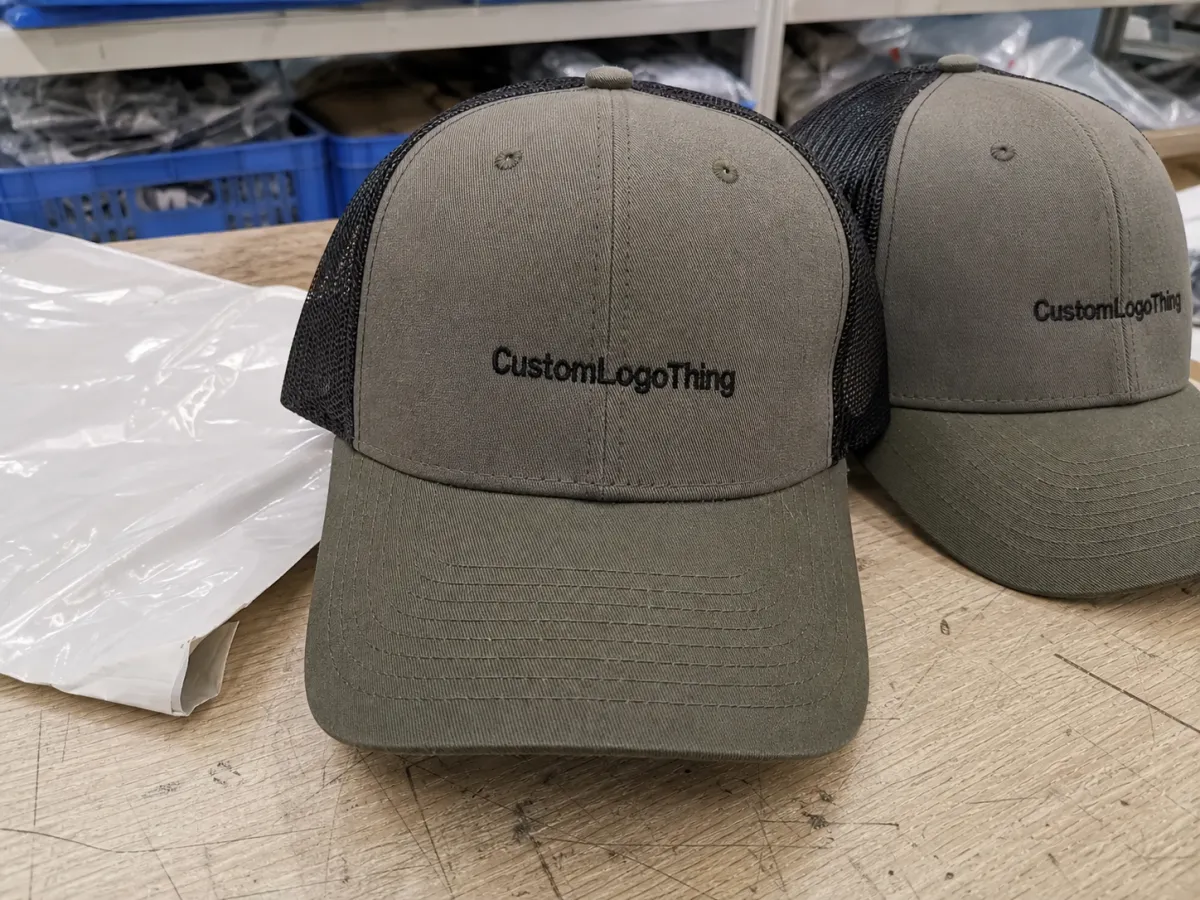
The purpose of a reorder plan is to keep a familiar product from drifting. Trucker caps are made from a short list of components, but a change in any one of them can alter the finished look more than expected.
The usual trouble points are predictable:
- Mesh color changes from black to charcoal or from cream to bright white.
- Crown profile shifts between mid-profile and high-profile.
- Closure type changes from snapback to velcro or buckle.
- Decoration method changes from embroidery to a patch or from flat stitch to 3D puff.
- Logo placement moves enough to look off-center.
The cap body is only part of the product. Structured front, panel count, bill curve, and adjustment range all shape the final result. If those details are not documented, the supplier is forced to guess, and guessing is the fastest way to turn a repeat order into a near match.
The best reorder plans are boring. They reduce interpretation, reuse known specs, and let the supplier quote against existing information instead of rebuilding the product from memory. That saves time and avoids expensive corrections after stitching or packing.
"If the first cap already worked, the safest move is usually to match it exactly before you think about improving it."
Cap Build Details That Affect Repeat Orders
Trucker caps look simple until you compare two supposedly identical samples. Front panel fabric, mesh density, bill shape, stitching, and closure hardware all change how the cap fits, photographs, and wears.
Front panel is the first detail to confirm. Foam front, cotton twill, and polyester front panels behave differently during decoration. A structured front supports embroidery and holds shape better. A softer front can slump, which makes the same artwork look smaller or less deliberate. If the original used a mid-profile structured crown, keep it fixed unless a shape change is intentional.
Mesh back affects appearance more than many buyers expect. Tight mesh reads cleaner and often feels heavier. Looser mesh looks more casual and breathable, but it can also look inconsistent if the weave varies. Color matters too. Black mesh can look matte or slightly shiny, and that difference shows up in product photos and retail lighting.
Bill shape changes the hat immediately. Flat, pre-curved, and lightly curved bills frame the logo differently. If the first run had a distinct curve, repeat it. Even a small change in curvature can alter the silhouette on head and on shelf.
Closure affects perceived fit. Snapback, velcro, and buckle closures all create different adjustment ranges and different amounts of visual bulk. A cap may technically fit the same head sizes as the first order and still feel wrong because the closure changed.
Inside trims matter too. Woven labels, sweatband branding, seam tape, and size stickers do not dominate the front view, but they help define whether the repeat order feels exact. For private label and retail programs, those pieces are part of the product.
Packaging deserves the same discipline. If the caps ship far or stack tightly, carton strength and pack-out method matter. For transit-sensitive shipments, it is reasonable to ask whether the boxes were checked against ISTA transit test methods. If the order includes hangtags or paper inserts and the program makes sustainability claims, FSC-certified paper is a sensible specification rather than a marketing note.
Specification Checklist for Decoration, Fit, and Packaging
The fastest reorder is the one built from real data. A useful spec sheet removes the need to interpret what the buyer meant.
Pull these details from the prior run if you have them:
- Panel count: 5-panel or 6-panel.
- Crown profile: structured, mid-profile, high-profile, or foam-front.
- Main material: cotton twill, polyester, foam front, or blended construction.
- Mesh type and color: standard mesh, fine mesh, black, white, gray, or custom match.
- Bill style: flat, pre-curved, or curved; include underbill color if it matters.
- Decoration: embroidery, woven patch, leather patch, PVC patch, or screen print.
- Logo dimensions: width and height in inches or millimeters.
- Thread colors: Pantone references, supplier thread numbers, or both.
- Decoration placement: center front, side, back, or above the closure.
- Packaging: bulk pack, individual polybag, size sticker, insert card, or retail box.
Fit details matter just as much as logo details. Ask for crown depth, bill length, and adjustment range around the closure. "One size fits most" is not a measurement. Two suppliers can use the same label while building slightly different internal fit profiles, which matters in staff programs and retail assortments.
Artwork control needs its own review. Keep the original file format, stitch direction, underlay notes, and any digitizing adjustments approved in the first run. If the prior order used 3D puff, the file should say so clearly. If the logo was matched to a Pantone reference, keep that reference in the current proof. Guessing on color or stitch density invites revisions.
Packaging is not an afterthought. Bulk packing lowers cost. Polybagging adds material and labor, but it protects retail presentation. Carton counts matter if the caps go straight into warehouse receiving. Barcode labels, size stickers, and master pack data matter if the order has to move through distribution without manual sorting.
A short approval checklist helps keep the order on track:
- Compare the new proof to the prior sample or approval photo.
- Confirm the exact cap model, color codes, and closure style.
- Check logo placement, thread colors, and decoration size.
- Verify packaging notes, carton counts, and shipping marks.
- Approve only after every mismatch is answered in writing.
Pricing, MOQ, and Unit Cost Ranges for Reorders
Repeat orders usually cost less than first runs because the supplier is not starting from zero. The artwork may already be digitized, the cap shape is known, and the sample may already be approved. Even so, there is still a floor under the price. Setup, decoration, packaging, and labor do not disappear on a reorder.
The main cost drivers are straightforward:
- Decoration method: embroidery is often more economical than patch work at scale, but stitch count changes the math.
- Quantity: larger volume spreads setup cost across more caps.
- Material upgrades: premium fabric, specialty mesh, or custom lining raises unit cost.
- Packaging: polybags, inserts, and retail labels add material and handling cost.
- Tooling reuse: existing digitizing, molds, or patch dies can lower repeat-run expense.
These are working ranges for common reorder volumes. They are not promises, because stitch count, color count, patch type, and packaging can move the numbers quickly.
| Reorder Volume | Typical Unit Range | What Usually Happens | Timing Pressure |
|---|---|---|---|
| 100-299 caps | $3.20-$5.80 each | Setup cost has a bigger effect, so the spec must be tight | Moderate to high |
| 300-499 caps | $2.60-$4.60 each | Setup cost spreads better and repeat promo pricing usually improves | Moderate |
| 500+ caps | $2.10-$3.90 each | Stronger unit pricing, with more room for packaging or minor custom details | Lower per unit, but the total run still needs planning |
Minimum order quantity is where buyers often run into quote surprises. A lower MOQ can mean higher unit pricing, tighter color limits, or extra charges for digitizing and proofing. The number on the quote only matters if it includes the same items as the other quotes.
Quote comparison has to be apples to apples: cap style, decoration method, packaging, freight terms, sample charges, and setup or digitizing fees. If one supplier includes proofing and another bills it separately, the unit price is not comparable. If one quote assumes bulk packing and the other includes retail polybags, they are not offering the same product.
The real question is not what the cheapest trucker cap is. It is what the least expensive cap is that still matches the original run and arrives on time.
Reorder Process, Production Steps, and Lead Time
A repeat order moves fastest when the sequence is clean. Confirm the old spec. Review the reference sample. Approve the mockup. Lock the quote. Start production. Skip a step and the delay usually shows up later, after someone has already assumed the order was moving.
Pre-production should cover three checks: artwork, material confirmation, and proof accuracy. If the order is an exact repeat and the supplier still has the files, the process can move quickly. If the mesh color is out of stock, the logo size changes, or the closure style needs to be swapped, the schedule shifts right away.
Typical lead times depend on quantity, decoration, and freight method. A same-spec repeat order often lands in the 10-15 business day range before shipping. A revised order, or one waiting on fabric and artwork approval, can run 15-25 business days or more. Air freight reduces transit time. Ocean freight lowers transport cost. Choose the tradeoff deliberately.
The delays that show up most often are ordinary:
- Late proof approval.
- Missing logo files or low-resolution artwork.
- Color changes that require a new material search.
- Packaging changes requested after production starts.
- Freight decisions made after the schedule is already set.
Ask for a dated schedule with checkpoints rather than a broad estimate. Proof date. Production start. Quality check. Pack-out. Ship date. Those milestones show whether the order is organized or just described that way. A supplier who will not commit to checkpoints is giving you a soft lead time.
Slower proofing is usually cheaper than correcting a bad production run. If the proof does not match the approved sample, stop there. Fixing a placement issue on screen is manageable; fixing a finished order is not.
How to Judge a Supplier for Repeat Cap Runs
The best supplier for a repeat cap run is the one that can match the old order without improvising. That is less about charisma than process. Good repeat partners keep prior specs, read older production notes, and understand the difference between a true reorder and a redesign request.
Strong suppliers usually do four things well:
- Quote clearly with cap cost, decoration, setup, and freight separated.
- Flag conflicts early when a requested change affects price or timing.
- Check quality for panel alignment, embroidery consistency, and mesh color match.
- Respond quickly without dropping the detail work that keeps the order accurate.
Proof accuracy matters more than speed alone. A reply in an hour is not useful if the mockup shows the wrong crown height or the logo placed on the wrong seam. A supplier that can restate the prior order in plain language is often more reliable than one that keeps suggesting upgrades before giving a quote.
Inspection discipline matters at the end of the run. The essentials are enough to separate a clean repeat from a sloppy one: even front panels, centered decoration, consistent stitch tension, stable closure hardware, and packing that keeps the caps from arriving warped or crushed.
For larger orders, ask how final checks are handled before shipping. If the caps are retail-facing, carton labels and master pack counts matter. If the shipment is headed to a warehouse or distributor, receiving marks and carton logic matter too. Those details reduce downstream work and make the reorder easier to receive.
There is a simple supplier test. If they can repeat your old spec without asking you to decode it, they probably understand the job. If they keep nudging you to refresh the cap before quoting, they are telling you they do not want a strict repeat.
Next Steps to Lock the Reorder Without Delays
Before you place the next order, gather the previous PO or invoice number, reference photos, logo files, quantity, delivery date, and the physical sample if it still exists. That gives the supplier an anchor instead of a guess.
Then Request a Quote that separates these items:
- Cap cost
- Decoration cost
- Setup or digitizing
- Packaging
- Freight
Confirm the match points before approval: color, closure, logo placement, panel count, and any retail labeling requirements. If the first run used a specific mesh tone or bill curve, say that directly. If the new caps must match the old sample exactly, say that too. Vague instructions invite interpretation, and interpretation is rarely what a reorder needs.
Lock the milestones in writing as well: proof approval date, start date, pack-out date, and ship date. That is the difference between managing the order and chasing it.
The most reliable apparel trucker Caps Reorder Plan is not complicated. It treats the cap like a spec sheet, not a brainstorming exercise. That keeps the next run close to the first one, holds unit cost in a predictable range, and reduces the odds that a small mismatch becomes a large correction.
What should I include in an apparel trucker caps reorder brief?
Include the previous PO or invoice number, the exact cap style, color references, decoration method, logo files, quantity, target delivery date, and shipping destination. If the goal is to match fit and finish closely, add a reference sample or clear photos of the original run.
Can I reorder trucker caps without a physical sample?
Yes, if the original specs were documented well enough to recreate the cap accurately. A physical sample still helps with color matching, crown shape, and logo placement. Without one, expect more proofing time and a higher chance of small visual differences.
How does an apparel trucker caps reorder plan lower unit cost?
It reuses existing setup work, so the supplier does not have to rebuild the order from scratch. It also reduces back-and-forth on proofs and revisions, which saves time and admin cost. Larger repeat quantities usually price better because setup is spread across more caps.
What usually delays a trucker caps reorder the most?
Late artwork approvals and missing spec details are the biggest avoidable delays. Color changes, unavailable materials, and new packaging requests can also push lead time back. Freight decisions made after production starts often create the most schedule problems.
How do I make sure the repeat order matches the first run?
Keep the same panel structure, closure type, mesh color, bill shape, and logo placement. Compare the proof against the old sample before approving production. Ask the supplier to confirm any spec change in writing so there is no guessing later.