Hotel Embroidered Baseball Caps reorder plan sounds administrative, but it is really about protecting a property’s visual standards under normal operating pressure. Staff turnover, seasonal demand, department transfers, and lost inventory can make a polished uniform program look uneven fast. The invoice is only one line item. The larger cost shows up when a guest sees different caps across front desk, valet, housekeeping, and events.
If a reorder cannot be matched back to the last approved sample quickly, the process is too loose. Missing references turn a simple replenishment into avoidable work.
Good buyers treat repeat orders as an operational control, not a design project. A workable Hotel Embroidered Baseball Caps reorder plan keeps one approved sample, one product code, one embroidery file, and one spec sheet together. That discipline shortens approvals, reduces quote disputes, and lowers the risk that the next batch will drift from the cap already in circulation.
Why a delayed cap reorder costs more than the invoice
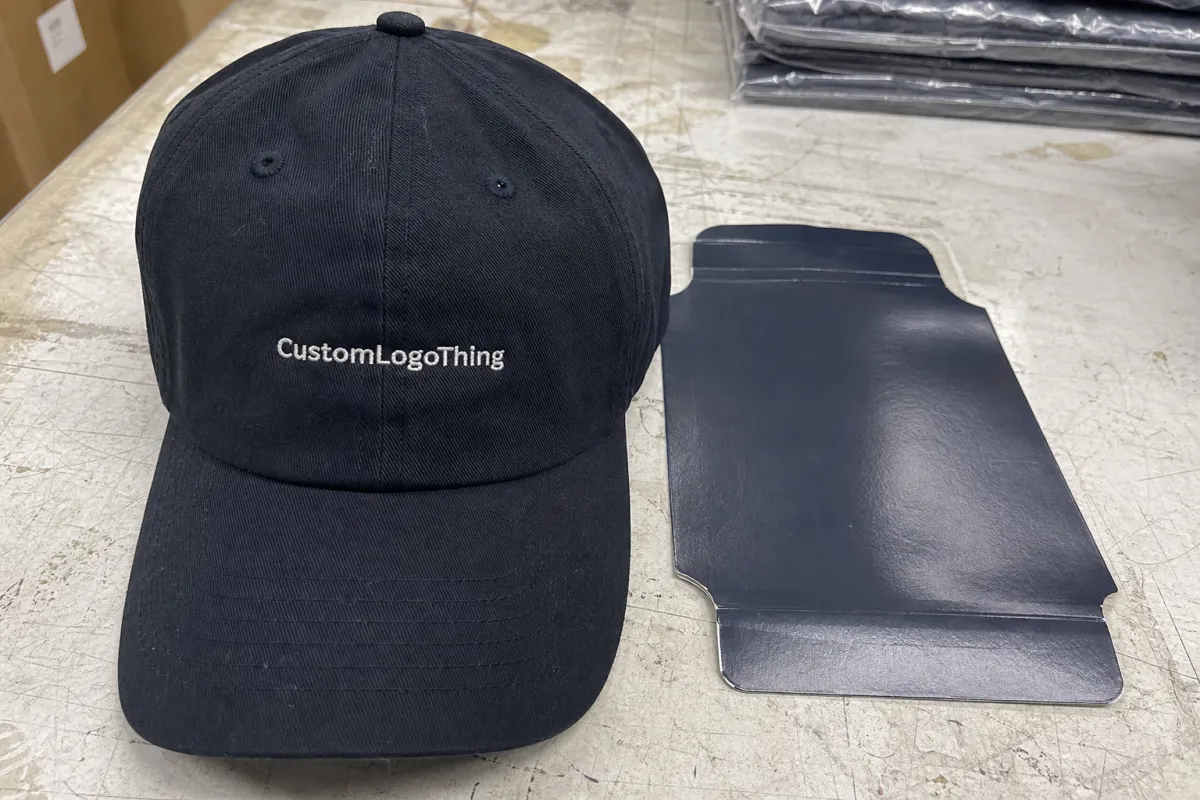
A cap shortage usually begins quietly. A few caps disappear into laundry cycles, a department borrows from another, and usage is spread across too many shifts to notice right away. By the time the gap becomes visible, the property is reacting instead of planning.
In hospitality, the highest usage is rarely evenly distributed. Housekeeping, bell service, valet, golf operations, banquets, and seasonal front-of-house teams usually burn through stock fastest. If one department hits a shortage before the others, the uniform program starts to fracture.
Rush charges are only part of the problem. A delayed reorder often brings higher unit pricing on small quantities, extra freight, and split shipments if the order has to be divided by property or department. Emergency sourcing also tends to miss one of the details that made the original order work: the same cap body, the same crown height, the same thread sheen, or the same embroidery scale.
For a repeat order, the buyer’s best move is not reinvention. It is preservation. Keep the original cap style, decoration method, logo file, and usage history in one place, and the reorder becomes routine instead of improvised.
- Common trigger: inventory falling below a 30- to 45-day use window
- Common weak spot: departments consuming stock at different rates
- Common penalty: rush fees, split freight, and inconsistent visuals
- Common fix: reorder before the count is uncomfortable
The last box is not a planning signal. It is usually a warning that the next order will cost more and move faster than it should.
Embroidery and branding details that must stay consistent
Embroidery is less forgiving than print. A small change in stitch density, outline width, thread finish, or placement can make the same logo look like a different program. That matters in hotels, where uniforms are supposed to read as deliberate and coordinated.
A dependable reorder usually comes down to four anchors: logo placement, thread color, cap color, and decoration method. Flat embroidery gives the cleanest corporate look and tends to repeat well. 3D puff embroidery creates more depth, but it also changes stitch volume and can affect lead time.
Keep a physical sample in the file. A photo helps, but it rarely captures scale, texture, or thread sheen accurately enough for production. The sample should show the approved logo size, center point, panel alignment, and any secondary text.
Multi-property buyers face a familiar choice: one standard cap across every site, or minor variations by property. The first option simplifies procurement and helps with stock transfers. The second can support local identity, but it adds another specification to protect.
- Match the stitch file: do not rebuild a logo from memory
- Match the thread map: note PMS references or approved thread codes
- Match the cap body: crown, brim, and closure should stay consistent
For packing and shipment handling, standards matter too. Suppliers that understand carton testing and transit stress tend to make fewer avoidable mistakes. If the order will be distributed through multiple properties or storage points, ISTA guidance is a useful reference for how packed goods should survive shipping and handling.
Specifications to lock before the next production run
The price of a repeat order is shaped by the spec more than by the logo. A structured cap with a firm front panel behaves differently from an unstructured cap with a softer crown. Cotton twill feels different from brushed chino. Performance polyester may hold up better in heat or humidity.
For most hotel programs, the spec sheet should name the crown profile, the panel count, the visor style, the closure type, the sweatband finish, and the size range. If the original order used a mid-profile, six-panel structured cap with a pre-curved visor and hook-and-loop closure, repeat that exact build unless the property wants a deliberate refresh.
Color should be treated with the same discipline. PMS references help, but they should be paired with a physical sample because fabric and thread can read differently under artificial light. If the cap includes contrast stitching, a tonal undervisor, a top button detail, or matching eyelets, record those too.
Packaging deserves attention as well. Bulk packing is usually the best fit for back-of-house distribution. Retail-style presentation may make more sense for gift shops. Barcoded cartons help property groups sort by department. If the caps are shipped with paper inserts, hang tags, or department labels, FSC-certified paper is a practical benchmark for the non-textile portion of the order. For paper traceability, FSC remains a widely recognized standard.
| Option | Typical quantity | Typical unit price | Common lead time | Best use case |
|---|---|---|---|---|
| Stock blank + one-color embroidery | 200-1,000 | $3.20-$5.50 | 10-15 business days | Fast replenishment with low complexity |
| Custom blank + one to two decoration areas | 300-2,000 | $4.80-$7.25 | 12-18 business days | Standard hotel uniform program |
| Premium fabric + complex embroidery | 500-3,000 | $6.50-$9.50 | 15-22 business days | Flagship properties, retail, or gift shop stock |
These figures move with quantity, stitch count, packaging, and freight. A cleaner spec usually gives the buyer more room to negotiate total cost, which is why a repeat order should read like a production brief, not a wishlist.
Pricing, MOQ, and quote variables for repeat cap orders
Repeat pricing is usually better than first-order pricing, but only when the factory is matching a known build. Change the cap body, add a second logo, or switch closures, and the quote starts moving.
The main variables are quantity, embroidery complexity, blank selection, packaging, and shipping. MOQ depends on whether the order is being matched to a stocked blank or produced as a full custom run. A supplier may quote 100 units for an in-stock style and require 300 or 500 for a special fabric, custom color, or unique closure.
Tiered pricing is more useful than a single number. A quote at 250, 500, and 1,000 units shows how the cost changes as the order scales, which helps a property decide whether to patch a short-term gap or refill the program more completely. Freight, duties, and split delivery charges should be included before comparing suppliers.
Packaging can affect cost almost as much as decoration. Individual bagging, department stickers, retail-ready folds, or separate carton labels all add labor. If the caps need to be sorted by hotel, department, or season, that instruction should be given before the quote is finalized.
Buyers should ask for the landed cost, not just the cap cost. The landed cost includes the cap, decoration, packaging, and shipping. That is the only number that tells the truth about what the order will actually cost.
Process and turnaround: how a reorder moves from file to freight
A clean reorder usually moves quickly because the important decisions have already been made. The issue is whether those decisions are documented well enough to retrieve. A reorder should start with the last approved PO, the sample, and the artwork file.
- Pull the prior order file. Find the PO, sample photo, product code, and cap color note.
- Confirm demand. Split the count by property, department, or event window.
- Request the quote. Ask for unit price, MOQ, freight, and turnaround in one view.
- Approve the proof. Check logo size, placement, and thread colors against the sample.
- Track production. Watch proof approval, production start, QC, packing, and ship date.
Repeat orders often move faster than first-time builds because the artwork and blank style already exist. A simple replenishment on stock blanks can sometimes ship in 10 to 15 business days after proof approval. More complex runs, especially those with special fabric or multi-location packing, are more often in the 12 to 22 business day range.
Buffer time should be built around predictable spikes: holiday occupancy, conference season, outdoor events, and staffing changes that increase cap usage. A property that burns through 15 caps a week should not wait until the storage shelf is empty.
Production timing also depends on how quickly the buyer answers proof questions. A missing thread color approval, an unclear carton label, or a revised department count can add a day without anyone noticing until the freight date slips.
What a reorder-ready supplier should handle without extra back-and-forth
The strongest supplier for a repeat cap order is the one that can find the prior spec without making the buyer resend every attachment. A reorder-ready partner keeps the product code, mockup, thread record, packing notes, and ship history organized so the next order feels like a continuation of the last one.
That matters because some changes are unavoidable. A thread color can be discontinued. A cap blank can be phased out. A closure option may no longer be stocked in the exact color used before. The question is whether the supplier flags them early enough for the buyer to approve the closest match before production begins.
- Version control: the supplier can separate the first approved logo from later edits
- Practical substitutions: a close alternate blank or closure is offered before the schedule slips
- Clear proofing: scale, placement, and thread tone are visible before the run starts
- Simple packing logic: cartons are sorted by department, property, or season without confusion
Communication also needs to reflect how hospitality actually buys. Many teams manage multiple properties, not one site, so the supplier should be comfortable with split quantities, staggered ship dates, and location-specific labeling. If the order has to be manually reassembled every time, the supplier is exporting the work back to the buyer.
Next steps to place the next order before stock runs thin
The smartest way to protect a uniform program is to reorder before the shortage becomes visible. Start with an inventory check: how many caps are on hand, how many are in laundry rotation, and how many are needed over the next 30 to 60 days. Split that estimate by property and department, because usage is rarely even.
Before requesting a quote, gather the last approved sample, the PO number, the cap style, the embroidery file, and any notes on thread color or packaging. Then decide whether the next order is a true replenishment or a minor refresh. If nothing has changed, say so directly.
A final check is straightforward. Does the cap still fit the rest of the uniform system? Does the crown sit correctly? Does the logo read cleanly from 10 feet away? Are the cartons labeled in a way that helps the property team distribute them quickly?
- Set the reorder point before inventory gets tight
- Use one reference sample for future approvals
- Ask for landed cost, not just unit price
A strong hotel Embroidered Baseball Caps reorder plan keeps the brand steady, the buying process predictable, and the uniform budget easier to defend quarter after quarter.
Frequently Asked Questions
How do I start a hotel embroidered baseball caps reorder?
Send the last PO, a photo of the approved sample, and any artwork files you already have. Confirm the exact quantity by property or department, then ask the supplier to match the prior specification before quoting any changes.
What changes the price on a repeat hotel cap order?
Quantity, embroidery stitch count, cap body style, packaging, and shipping method all affect unit cost. Even a small redesign can trigger new setup work, so the quote should state clearly which details are identical and which are not.
Can I change thread colors on a reorder of embroidered hotel caps?
Yes, but the supplier should review the change against a physical sample or PMS reference. A thread swap can alter the look more than buyers expect, and it may add proof time if brand consistency needs to be protected.
How fast is turnaround for a hotel cap reorder compared with the first order?
Reorders are usually faster because the blank style, logo placement, and approval history already exist. Speed still depends on stock levels, production queue, and freight method, and a missing sample can remove that advantage quickly.
What should I verify before approving the final proof?
Check logo scale, stitch placement, cap color, and thread colors against the approved sample. Also confirm quantity, packaging, and delivery address before production starts, especially if the order is split across multiple properties.
Keep the reorder notes, artwork file, and approval trail in one place. That is the simplest way to keep the next cap order moving cleanly when stock starts to dip.


