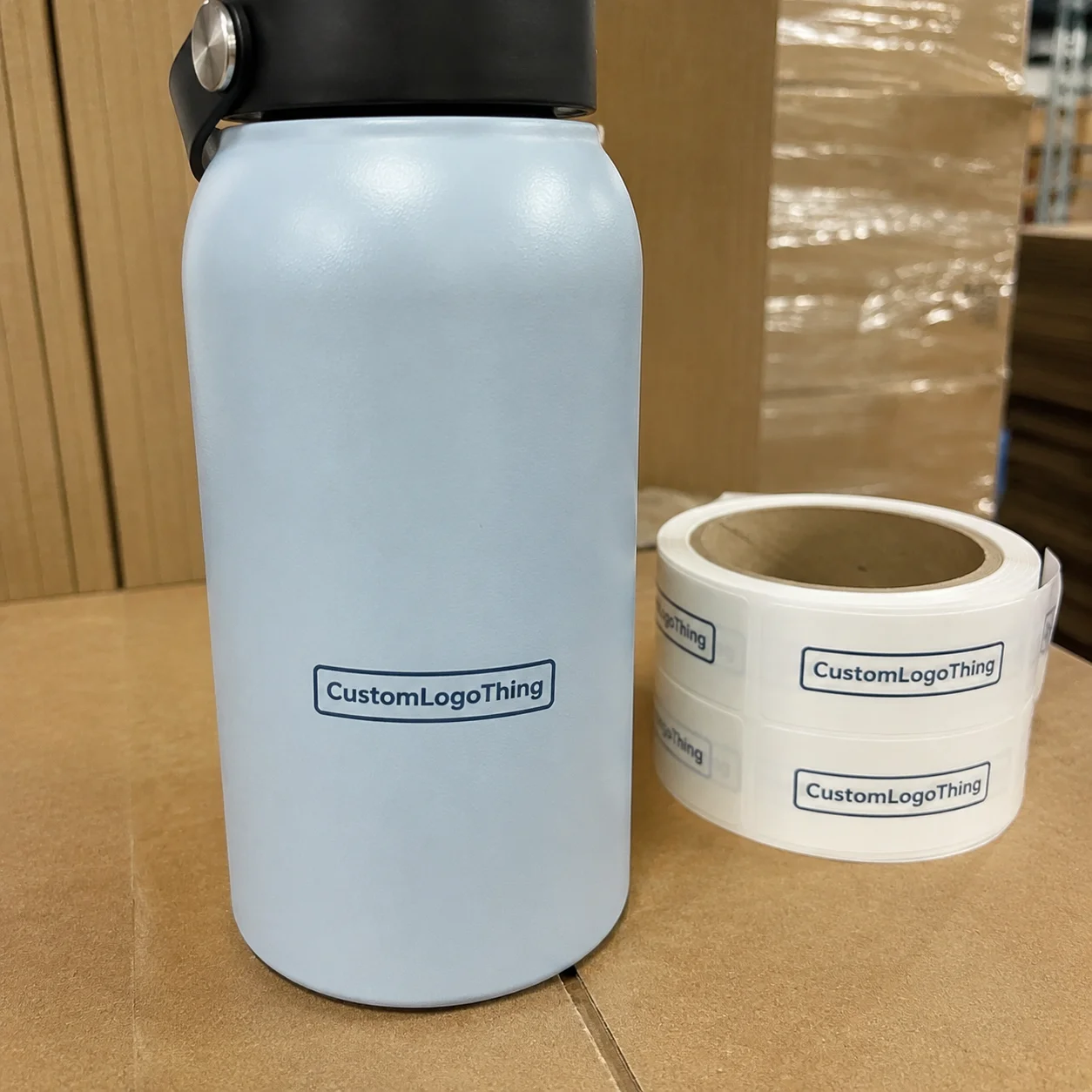
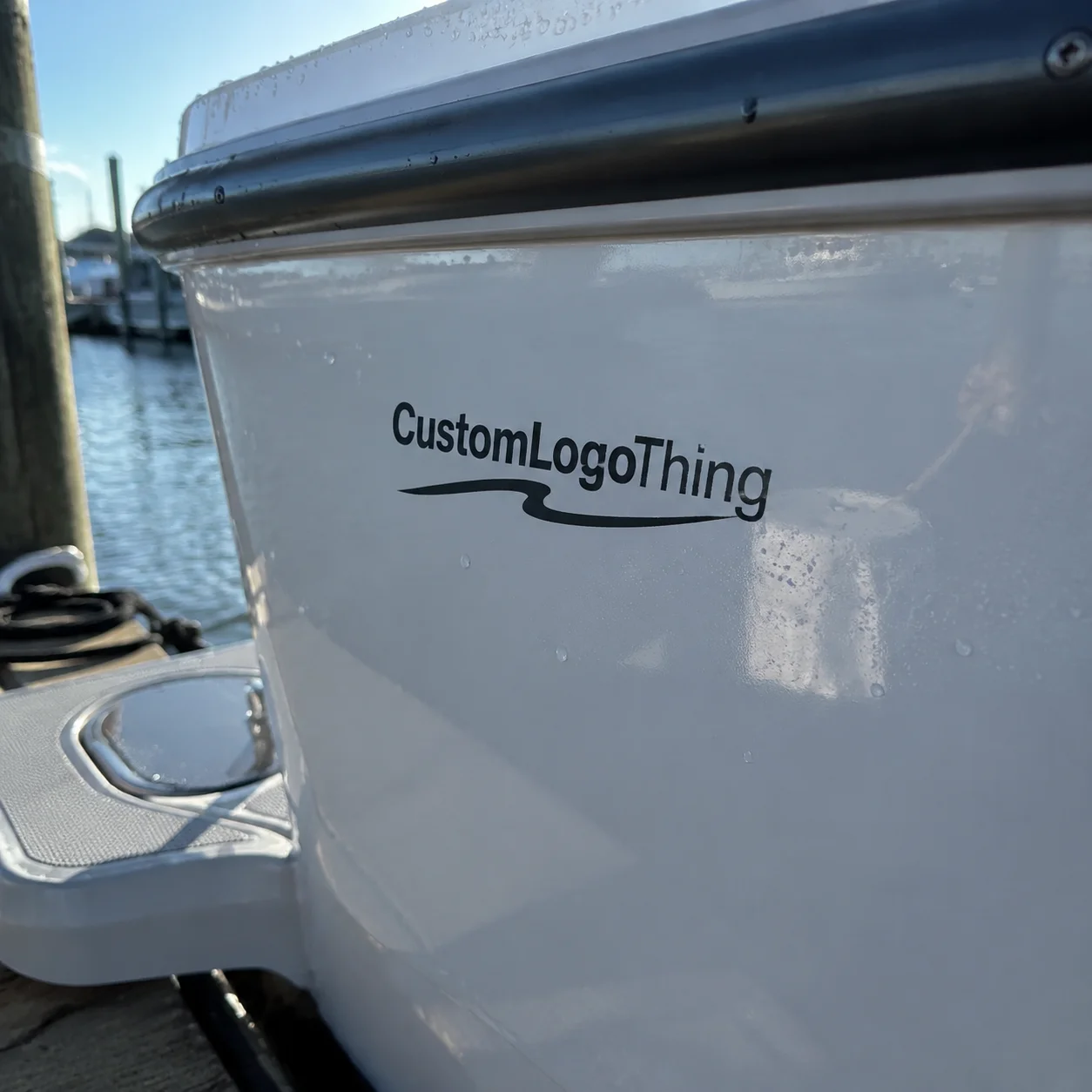
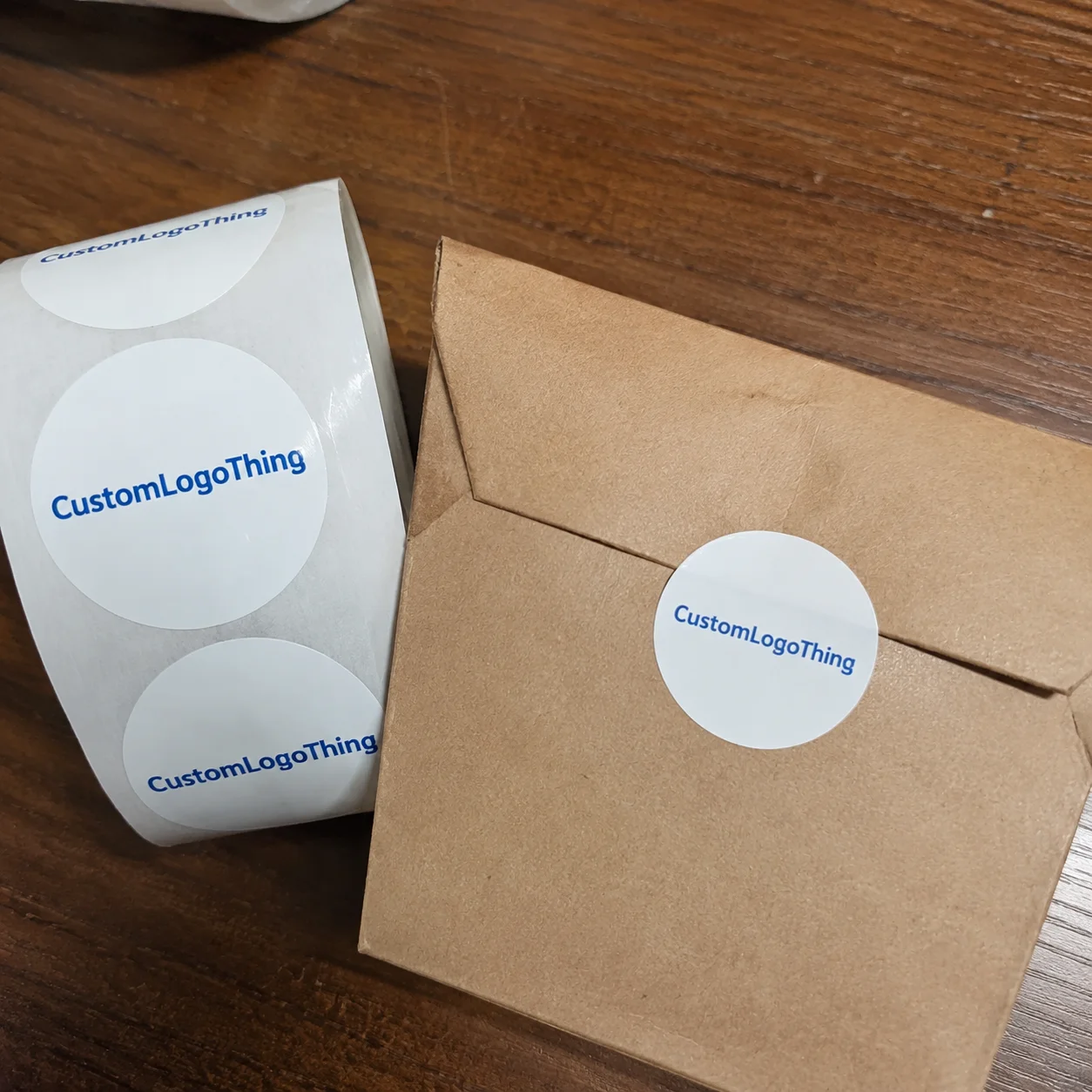
The same artwork can become a three-cent paper seal for tissue wrap, a freezer-grade label for a frozen pouch, or a laminated vinyl decal built to survive rain on a bumper. That is why how much are custom stickers depends less on the design file alone and more on the production recipe behind it.
Sticker pricing is a stack of small decisions: material, adhesive, print method, size, shape, finish, order quantity, setup, proofing, cutting, inspection, and packing. A buyer may ask for “a per-sticker price,” which is reasonable. A manufacturer still has to quote the full job because press setup, file handling, waste allowance, cutting time, and labor are spread across the run. A 2-inch roll label for hand application and a 2-inch die-cut giveaway sticker may look nearly identical on screen. They are not the same job on the production floor.
The goal is not to chase the lowest number. It is to compare quotes cleanly, avoid vague specs, and choose a sticker that fits the surface, environment, and brand presentation without paying for features that do not help. Good pricing starts with plain, specific information.
How Much Are Custom Stickers When You Order for Real Use?
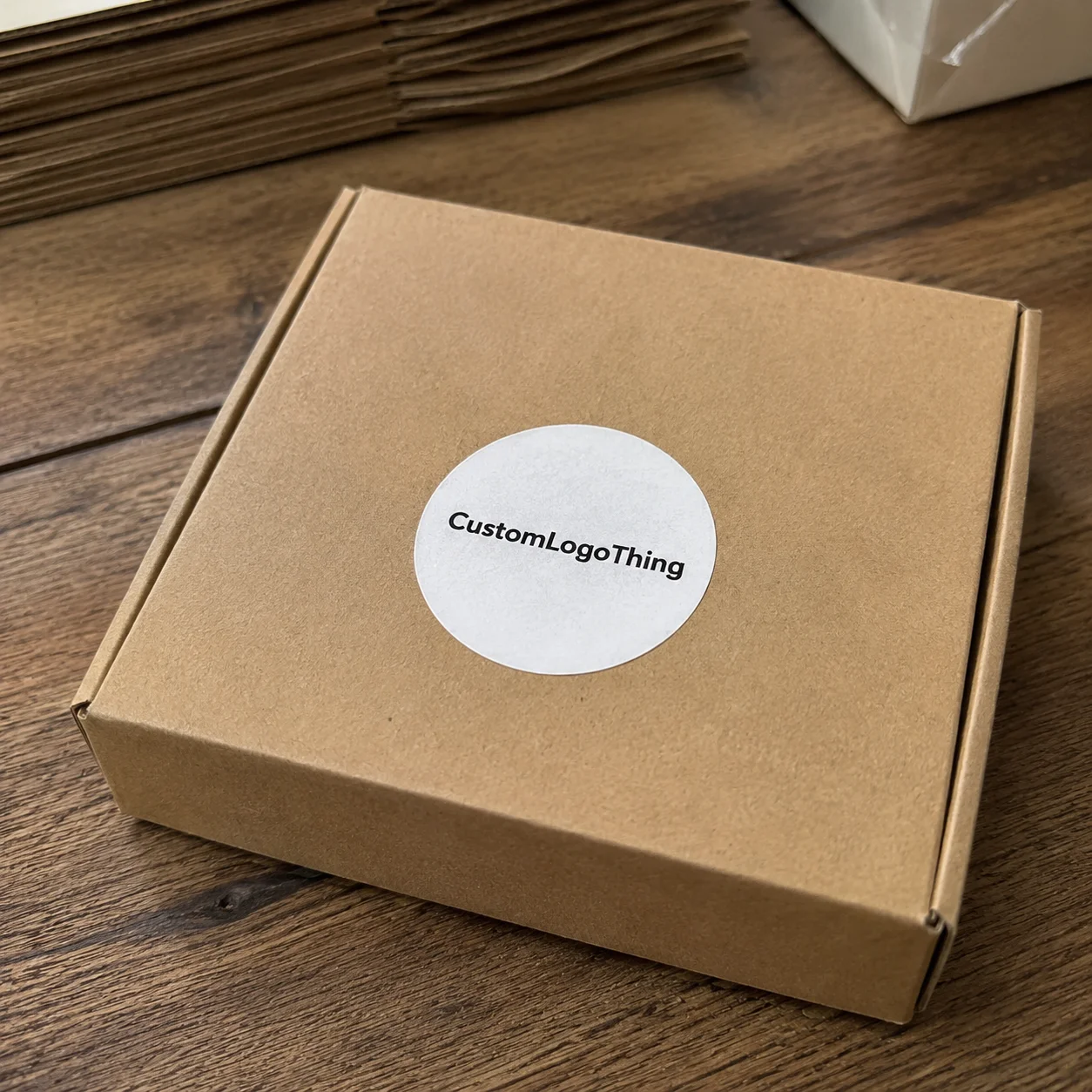
For a practical starting range, simple paper stickers in moderate quantities may land around $0.03 to $0.12 each. Film labels, clear stickers, laminated decals, foil effects, or individually cut promotional stickers often move into the $0.15 to $0.75 each range, sometimes higher. Very small orders can cost several dollars per piece once setup and handling are included. Large roll-label runs can drop sharply because the same setup cost is spread over thousands of pieces.
Context changes the quote fast. A 3-inch matte paper bakery seal ordered at 1,000 pieces will not price like a 3-inch waterproof BOPP jar label with permanent adhesive, heavy ink coverage, and roll direction requirements. A laptop sticker giveaway may need scuff-resistant laminate and individual cutting. A shipping box seal may only need an economical paper or white BOPP label. A frozen food pouch may require freezer adhesive and a film stock that does not wrinkle or lift in cold storage.
Practical rule: The sticker’s job should lead the quote. If it only closes tissue paper, do not quote it like an outdoor decal. If it sits on a wet bottle in a shower, do not quote it like a dry paper label.
Buyers often get confused because two quotes may both say “custom stickers,” while one includes laminate, roll packing, and proofing and another includes only basic printing on an economical stock. Ask what is included. Confirm size, material, adhesive, finish, cutting method, quantity, and shipping terms before comparing price per piece.
Sticker Pricing Starts With the Job Specs
The first pricing question is format. Common options include roll labels, sheet stickers, individually cut singles, kiss-cut stickers, die-cut stickers, decals, clear stickers, and specialty labels. Roll labels are efficient for product packaging and fulfillment because they dispense well by hand or machine. Sheets work for mixed designs or small batches. Individually cut stickers feel more like retail or promotional items, but they require extra trimming, counting, stacking, and packing.
Size affects material yield. A 2-inch circle can usually nest efficiently across a web or sheet. A large contour-cut shape with long points, narrow extensions, or open space around the design creates more waste and slower finishing. In production, waste is not just scrap material. It includes press calibration, test cuts, matrix removal, inspection rejects, and setup sheets.
Shape matters too. Standard circles, squares, ovals, and rectangles usually price lower than custom die-cut shapes. A clean rounded rectangle is quick to cut. A detailed mascot outline with small interior cuts requires more proofing control and slower finishing. Small text near the edge needs safe zones, usually at least 1/16 inch to 1/8 inch inside the cut line depending on the process.
| Sticker Format | Best Use | Typical Cost Behavior |
|---|---|---|
| Roll labels | Jars, bottles, boxes, mailers, retail packaging | Efficient at medium and high quantities |
| Sheet stickers | Small runs, mixed artwork, office or event use | Flexible, but not always lowest per piece |
| Individually cut stickers | Giveaways, inserts, promotional decals | Higher labor due to cutting and packing |
| Die-cut stickers | Brand shapes, logos, decorative package branding | Depends heavily on cut complexity |
| Clear stickers | Glass, clear pouches, minimal-label looks | May require white ink underlays |
Color and ink coverage shape the quote. Most digital sticker jobs allow full-color printing, but heavy coverage, gradients, rich blacks, exact brand color matching, metallic effects, and white ink layers can add time or cost. Clear stickers are the easy example. If the design needs opaque color on transparent film, a white ink underlay may be required so the artwork does not look weak or washed out.
Presentation changes the final number. Stickers on rolls may need a specific core size, outside diameter, roll direction, or unwind direction for an applicator. Individually cut singles need separate finishing and packing labor. For brands coordinating stickers with Custom Labels & Tags, hang tags, insert cards, and Custom Printed Boxes, these details keep the whole product packaging system easier to manage.
Material, Adhesive, and Finish Choices That Move the Price
Material is one of the biggest cost drivers. Paper stickers are economical for dry indoor use, especially bakery seals, tissue stickers, box labels, and simple branded packaging touches. White BOPP is a common film choice for moisture resistance and clean product labels. Clear BOPP gives glass and clear plastic a “no-label” look. Vinyl is common for decals and outdoor stickers. Polyester can be used where durability, heat resistance, or dimensional stability matters. Textured stocks cost more, but they can give retail packaging a tactile, premium feel.
Adhesive is not glamorous. It does the hard work.
Permanent adhesive is common and cost-effective for most product labels. Removable adhesive suits temporary promotions, price stickers, and short-term campaigns. Freezer-grade adhesive is more specialized because it must bond in cold conditions. High-tack adhesive may be needed for corrugated boxes, rough paper, textured containers, flexible pouches, or low-energy plastics. Not every adhesive works on every surface, so sample testing is smart when the application surface is unusual.
Durability requirements add cost for good reasons. Moisture, oils, sunlight, abrasion, refrigeration, and curved containers all affect performance. A shampoo bottle label may need BOPP plus laminate or varnish. A coffee bag sticker may need stronger adhesion to a flexible surface. A bumper decal may need UV resistance and a film built for outdoor exposure. A kraft paper bakery sticker may only need uncoated or semi-gloss paper.
Finish options are another pricing lever. Gloss makes colors pop and is common on food, beverage, and promotional stickers. Matte gives a softer look and pairs well with premium packaging design. Soft-touch lamination feels upscale but adds a process step. Foil stamping, spot UV, embossing, and specialty varnishes can look excellent, yet they require extra setup, registration control, and inspection.
Environmental claims need careful handling. If a brand wants FSC-certified paper stock, ask for chain-of-custody confirmation and use the mark only according to the certification rules published by FSC. If recyclability is part of the packaging story, check how the sticker interacts with the base package and local recycling guidance from sources such as the EPA. A beautiful label that contaminates a recycling stream may create more trouble than value.
Quantity, MOQ, and Unit Cost: Why Bigger Runs Get Cheaper
Quantity has a direct effect on unit cost because many expenses are fixed or semi-fixed. File handling, proofing, press calibration, cutting setup, material changeover, waste, and packing setup happen whether the order is 250 stickers or 5,000 stickers. Once the press is running and the cut path is dialed in, each additional piece often costs less than the first batch.
MOQ means minimum order quantity. It is the smallest quantity that makes sense for the production method, stock, adhesive, or finishing process. Digital printing often supports lower minimums, which helps when testing a new product launch or seasonal package branding idea. Larger production runs usually lower the per-sticker cost, especially for roll labels where material and finishing can run efficiently.
Here is a realistic example. A 2.5-inch full-color white BOPP roll label with matte varnish may be expensive at 250 pieces because setup dominates the job. At 1,000 pieces, the unit cost may drop noticeably. At 5,000 pieces, it may drop again. But moving from 5,000 to 5,500 may not change much if the job stays within the same setup, roll count, and material width. Price breaks are useful, but they are not always linear.
| Example Quantity | Possible Unit Range | Buyer Takeaway |
|---|---|---|
| 250 stickers | $0.35–$0.90 each | Good for testing, higher setup impact |
| 1,000 stickers | $0.12–$0.40 each | Often a practical small business tier |
| 5,000 stickers | $0.05–$0.22 each | Better unit cost for repeat packaging use |
| 25,000 stickers | $0.02–$0.12 each | Strong value when demand is predictable |
Order planning matters. For a launch, include product samples, fulfillment errors, retail displays, replacement labels, marketing inserts, and a safety buffer. A 5% to 10% overage can be cheaper than rushing a second small order with extra freight. The reverse is also true: do not tie up cash in 50,000 labels if the formula, barcode, scent, flavor, or compliance copy may change next month.
If you are pricing stickers for a new product, request two or three quantity tiers. A useful quoting spread might be 1,000, 2,500, and 5,000 pieces. That makes the price break visible and helps you Choose the Right balance between budget and inventory risk.
Process and Timeline From Artwork to Finished Stickers
The usual flow is simple on paper: submit artwork and specs, receive a quote, approve a digital proof, confirm material and finish, print, cut, inspect, pack, and ship. In practice, each step protects the final result. A five-minute specification gap can become a one-day delay if the press team does not know whether the stickers need roll direction number 3 or number 6, or whether a clear label needs white ink behind the logo.
Prepress is where the file gets checked before production. The team reviews resolution, bleed, cut lines, safe zones, color mode, white ink layers, barcode readability, small text, and artwork placement. For most sticker work, artwork should be at least 300 dpi at final size if it uses raster images. Vector logos are preferred because they scale cleanly. Bleed is commonly 1/16 inch to 1/8 inch, depending on the cutting method.
A proof is not just a preview. It is the production map for size, shape, artwork placement, cut path, bleed, and sometimes roll direction or unwind direction. If the proof says the label is 2 inches wide and 3 inches tall, that is what production will follow. If a barcode is too small or quiet zones are missing, fixing that before approval is much cheaper than discovering it after the order ships.
Quality control checks should match the job. For a basic tissue seal, the check may focus on print clarity, clean cutting, adhesive consistency, and count. For a product label, it may also include roll direction, label gap, matrix removal, barcode scanability, color tolerance, laminate coverage, and carton labeling. Outdoor decals may need extra attention to film choice and edge quality because lifting usually starts where the cut edge meets water, dirt, or abrasion.
Timing depends on complexity. Simple digitally printed stickers may move in a few business days after proof approval, especially for standard materials and shapes. Specialty stocks, foil, custom dies, exact color matching, laminates, high quantities, split shipments, or kitting can add several business days. If stickers must coordinate with Custom Packaging Products such as boxes, bags, cards, or sleeves, build in extra time for matching colors and delivery schedules.
Buyer-side delays are common. Missing dielines, low-resolution logos, unclear shipping addresses, late proof approvals, incomplete material choices, and changes after production starts can all stretch the timeline. Most schedule problems begin before the order reaches the press. Complete specs save money and nerves.
Step-by-Step Guide to Getting an Accurate Sticker Quote
A precise quote starts with a precise use case. If a supplier knows the sticker is sealing tissue paper inside a mailer, they can quote something economical. If the sticker is labeling a refrigerated sauce jar, they will think about moisture, cold storage, curved glass, and possible oil exposure. The better the application details, the cleaner the quote.
- Define the sticker’s job. Is it branding a box, sealing tissue paper, labeling jars, decorating mailers, marking compliance information, or creating a giveaway decal?
- Choose size, shape, and format. Provide width and height in inches or millimeters, then note whether the stickers should arrive on rolls, sheets, or as individually cut pieces.
- Describe the use environment. Include indoor or outdoor exposure, moisture, refrigeration, oils, curved surfaces, shipping abrasion, and customer handling.
- Send complete artwork files. Vector PDF, AI, or EPS files are preferred for logos and cut lines. Add brand colors, dielines, white ink notes, clear areas, foil placement, and laminate requirements if available.
- Request quantity tiers. Ask for two or three options so you can see whether 1,000, 2,500, or 5,000 pieces makes better financial sense.
- Confirm timeline and packing. Ask about proofing, production time, shipping method, roll direction, roll quantity, cartons, and coordination with other branded packaging components.
For color-sensitive retail packaging, provide Pantone references or approved brand standards if you have them. Digital CMYK printing can produce strong results, but exact spot-color matching may require extra calibration or a different process. If the sticker has to match custom printed boxes, sleeves, or insert cards, say that early. Matching color across paperboard, film, and coated label stock is possible, but each material reflects ink differently.
If you are still asking how much are custom stickers after gathering specs, stop estimating and send the same complete spec sheet to each supplier. That way, you are comparing similar materials, finishes, adhesives, and packing methods instead of comparing one complete quote against one stripped-down quote.
Common Sticker Buying Mistakes That Raise the Final Bill
The first mistake is asking only for the cheapest sticker without explaining the application. Cheap paper stock is fine for dry indoor uses. It is not fine for a refrigerated bottle, a candle jar exposed to oils, or an outdoor decal. A failed sticker is expensive because it can create rework, returns, relabeling labor, and lost trust at the shelf.
The second mistake is changing the size, shape, or finish after proof approval. Revisions may require new proofs, extra prepress time, new cut paths, additional setup, or a restart if production has already begun. If the sticker coordinates with a folding carton, mailer, pouch, or display tray, check the fit before approving the proof.
Application method gets overlooked. Hand-applied stickers can tolerate many layouts. Stickers used with dispensers or automatic labelers may require a specific roll direction, gap, liner, core size, and outside roll diameter. If a labeler needs a 3-inch core with labels wound out, that belongs in the quote request.
Another common mistake is ordering too few pieces for a launch. A second rush order of 500 stickers can cost more per piece than adding a sensible buffer to the first order. Freight can also distort the total. A cheap sticker quote with expensive shipping may not be cheaper once the cartons arrive.
Do not ignore packaging context. A sticker may need to match a box, bag, hang tag, tissue paper, insert card, or retail display color system. If the rest of the product packaging has a matte premium finish, a high-gloss sticker may feel out of place. If the package uses kraft materials, a bright white label may look sharper than intended unless that contrast is part of the design.
The last mistake is comparing quotes built on different assumptions. One vendor may include laminate, die cutting, proofing, and freight. Another may price only the print run and add finishing later. Ask for line-item clarity. It is reasonable to ask whether the quote includes artwork setup, cut-line preparation, material, adhesive, finish, packing, and shipping.
Next Steps Before You Place a Custom Sticker Order
Before contacting a supplier, create a short spec sheet. Include size, shape, material preference, finish, adhesive need, quantity range, artwork status, application surface, and desired delivery date. Even a half-page note can prevent a lot of back-and-forth. If you do not know the best material, describe the environment instead: dry shelf, freezer, bathroom, outdoor, oily surface, rough corrugate, or flexible pouch.
If the sticker touches a product directly or carries regulated information, slow down and confirm the details. You may need barcode clarity, ingredient space, batch coding, tamper indication, moisture resistance, or a layout that leaves room for variable data. For shipping performance, especially if labels are part of a full pack-out, test the finished package under realistic handling. Organizations such as ISTA publish transit testing resources that can help packaging teams think beyond the printed surface.
Ask for two or three quantity options instead of one number. Price breaks reveal whether a slightly larger order saves enough to justify the inventory. Also ask what is included: proofing, cutting, finishing, packing, freight, specialty setup, roll direction, and revision limits. Clear quoting prevents surprises.
Custom stickers are small, but they do a lot of work. They brand boxes, seal tissue, carry barcodes, decorate mailers, support retail displays, and help package branding feel consistent from first glance to final use. Once the use case, specs, material, finish, adhesive, and quantity are clear, the question of how much are custom stickers becomes a practical quoting exercise instead of a guessing game.
Custom Sticker Pricing FAQs
How much do custom stickers cost for a small business order?
Small business orders often cost more per piece than large runs because setup, proofing, cutting, and handling are spread across fewer stickers. The final price depends on size, material, finish, shape, quantity, and whether the stickers are supplied on rolls, sheets, or as individually cut pieces. For a fair quote, provide at least two quantity options and explain where the sticker will be used.
Why are die-cut custom stickers more expensive than standard shapes?
Die-cut stickers require a custom cut path, more finishing control, and sometimes slower cutting speeds than simple circles, squares, or rectangles. Intricate shapes can create more material waste and may require extra proofing to make sure the border, bleed, and safe zones are correct. Simple contour cuts are usually more economical than detailed silhouettes with tight corners or thin extensions.
Do custom sticker prices include design or only printing?
Many sticker quotes assume print-ready artwork, so design, logo cleanup, dieline creation, or major file rebuilding may be quoted separately. Basic prepress checks are often included, but creating new artwork from scratch is a different service than preparing an approved file for production. Ask whether the quote includes proofing, file setup, revisions, and cut-line preparation.
How can I lower the unit cost of custom stickers?
Increase quantity to spread fixed setup costs across more pieces, and ask for price breaks at practical tiers. Use standard shapes and sizes where possible, avoid unnecessary specialty finishes, and choose a material matched to the real use environment. Keep artwork production-ready to reduce delays, revisions, and extra prepress charges.
How long does it take to produce custom stickers after proof approval?
Production time depends on order complexity, quantity, material availability, finish, cutting method, and packing requirements. Simple digitally printed stickers usually move faster than foil, specialty film, custom color-matched, laminated, or unusually shaped orders. The fastest way to protect the timeline is to approve proofs promptly and provide complete specs before production begins.