Buyer Fit Snapshot
| Best fit | Brand Belly Bands projects where brand print, material claims, artwork control, MOQ, and repeat-order consistency need to be specified before quoting. |
|---|---|
| Quote inputs | Share finished size, material target, print colors, finish, packing count, annual reorder estimate, ship-to region, and any compliance wording. |
| Proofing check | Approve dieline scale, logo placement, barcode or warning zones, color tolerance, closure strength, and carton packing before bulk production. |
| Main risk | Vague material claims, crowded artwork, missing packing details, or unclear freight terms can make a low unit price expensive after revisions. |
Fast answer: Brand Belly Bands: Material, Print, Proofing, and Reorder Risk should be specified like a repeatable production item. The safest quote records material, print method, finish, artwork proof, packing count, and reorder notes in one written spec.
Production checks before approval
Compare the actual filled-product size with the drawing, then confirm tolerance on folds, seals, hang holes, label areas, and retail display edges. Reserve space for logos, QR codes, warning copy, and material claims before decorative graphics fill the panel.
Quote comparison points
Review material grade, print process, finish, sampling route, tooling charges, carton quantity, and freight assumptions side by side. A quote is only useful when the supplier can repeat the same color, closure quality, and packing count on the next order.
How to Brand Belly Bands: A Practical Packaging Guide
How to brand belly bands starts with a simple observation from the pack line: a narrow strip of paper can change how a product is read before the customer ever opens it. Wrap it around a jar, a box, a pouch, or a tray and the package stops looking incidental. It gains structure. It gains intent. A plain container can suddenly feel like part of a brand system rather than a random item pulled from inventory.
That is why belly bands keep appearing on candles, soap, baked goods, apparel bundles, gift sets, and subscription packaging. The format identifies, decorates, and sometimes holds the product together at the same time. For a small maker, that can mean a better shelf presence without paying for a full custom carton. For a larger brand, it can support seasonal or regional variations without rebuilding the whole packaging program.
A belly band should read like part of the packaging structure, not like paper added as an afterthought.
Buyers notice the difference quickly. Plain packaging signals utility. A branded band signals care. That contrast matters on a retail shelf, in an ecommerce thumbnail, and in the first few seconds of unboxing, when people decide whether an item feels premium, handmade, giftable, cheap, or forgettable. Strong results usually come from a careful mix of design, stock choice, sizing accuracy, print method, and assembly planning. Treat the band like a throwaway detail, and it usually shows.
Why Belly Band Branding Works So Well
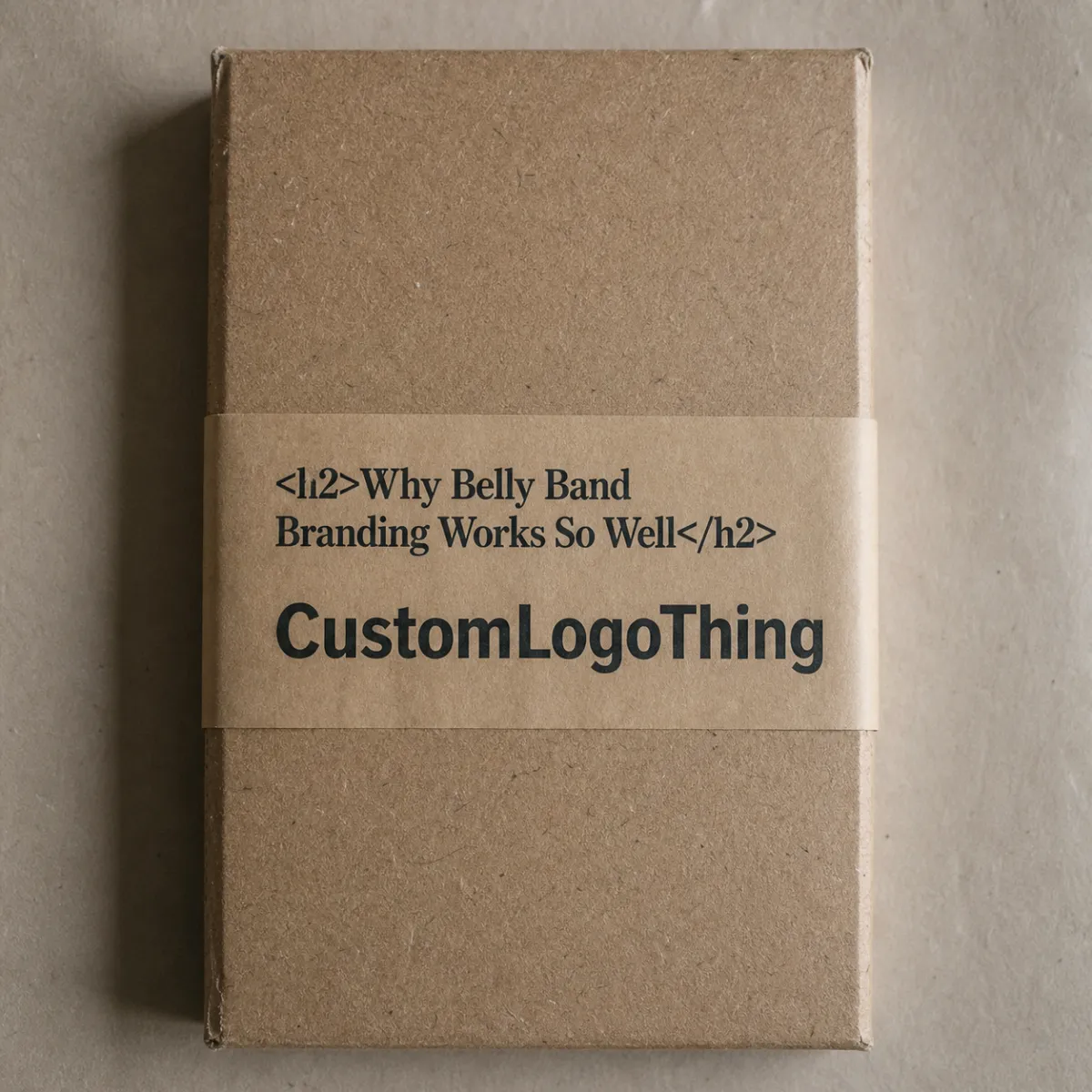
A belly band works because it gives you a visible brand surface without taking over the entire package. On a plain candle jar, a stacked soap set, or a folded apparel bundle, the band becomes the visual anchor. The eye lands there first. That framing effect is stronger than many teams expect, because a package that feels framed also feels deliberate.
There is a practical side too. One element can solve several problems at once: identity, presentation, and, in some cases, product hold. A paper band around a bakery box or gift set also creates a cleaner focal point for photography. Ecommerce images benefit from restraint. So do social posts, where clutter disappears fast and only the clearest details survive.
Think of the band as a compact stage. The product may be simple, but the strip can carry the logo, the product name, the scent, the flavor, the collection title, and a short message if the hierarchy is disciplined. That is a lot of work for a few inches of paper, which is exactly why the design has to be precise.
It also gives brands room to update seasonal lines without reworking the primary package. A winter scent, a holiday set, or a short-run promotion can use the same base container with a fresh printed band. That flexibility keeps inventory lean and lowers the chance of getting stuck with cartons that no longer match the market.
- Candles: bands wrap around glass jars, tins, and multi-pack sets.
- Soap and skincare: they identify scent, ingredients, and collection details.
- Bakery goods: bands can secure kraft trays or window boxes.
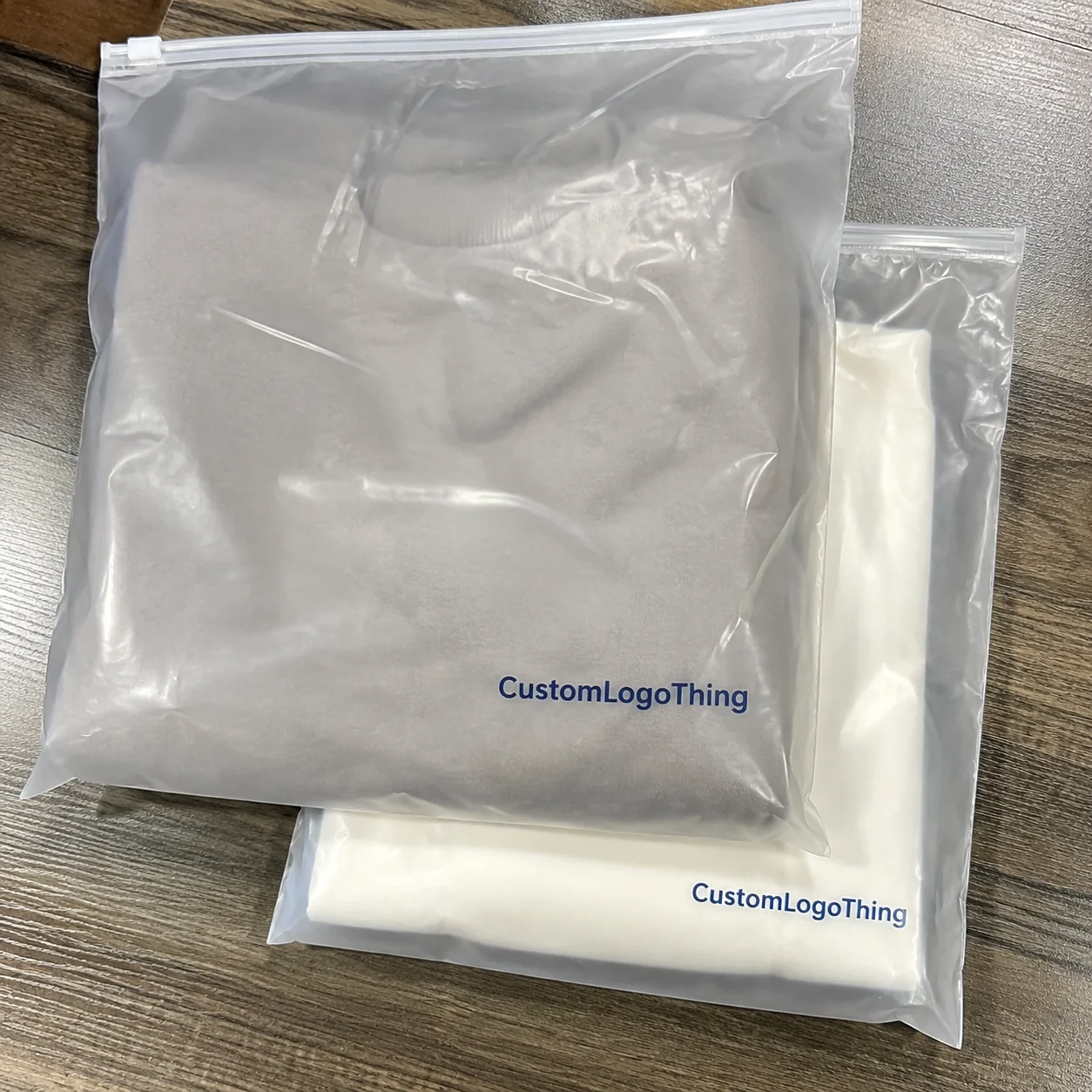
- Apparel and gifts: they keep folded items neat and on-brand.
- Subscription boxes: they add a polished layer without new box tooling.
There is another reason belly bands work so well: the format is unforgiving in a useful way. The print area is narrow, so every decision has to earn its place. That pressure often improves the design. It forces hierarchy. It rewards clear margins. It punishes filler. Brands that try to include too much usually end up with a crowded strip that behaves like a flyer instead of packaging.
If you want to compare how different packaging structures change presentation, our Case Studies page is a practical reference point. Side-by-side examples make the tradeoffs easier to see. A small change in stock or finish can shift the tone of a package more than a complete redesign can.
How to Brand Belly Bands Without Overcrowding the Design
The real answer to how to brand belly bands is not to add more artwork. It is to decide what deserves room and what does not. A narrow band can hold a surprising amount, but it should not hold everything. Start with the essentials: logo, product name, variant or scent, one short support line, and any outer-pack copy that truly needs to be visible.
Whitespace matters more here than most teams expect. A band with clean margins and a clear focal point feels more premium than one packed edge to edge. Under retail lighting, tight layouts blur together fast. What looks orderly on a laptop can turn into visual noise at arm’s length.
Color needs the same discipline. Brand colors help with recognition, but they still have to read well against the stock. Dark ink on warm white or natural kraft can feel refined. Low-contrast combinations can disappear on shelf. Barcodes and ingredient blocks need the same treatment: test them under real lighting, not only in a bright design file.
Typography is usually the point where a band either feels composed or collapses. Sans serif type often performs best in small ingredient-heavy layouts because it stays readable at smaller sizes. Serif type can add warmth or a more elevated tone if the rest of the composition is calm. Decorative fonts have a place, but once the letters start fighting the fold, the layout loses credibility.
Imagery should stay controlled as well. A simple line illustration, a repeating motif, a small icon, or a restrained embossing cue can add personality without crowding the space. A collage almost always behaves like a flyer, not packaging. On a strip this narrow, every graphic has to justify itself.
Design the band as it will exist on the wrapped product, not as a flat rectangle. Seam placement, fold lines, overlap, and die-cut openings all change the final result. A logo centered perfectly on the artwork may land on a seam once wrapped. That single miss can make the whole pack feel careless, even if the design itself is strong.
For brands that print ingredients, scent notes, or legal copy, readability should win over decoration. A tidy separation between “must read” and “nice to have” makes the layout stronger. It also supports consistency across a line, because each SKU can follow the same structure even as color, scent, or flavor changes.
On packages that need to communicate more than one thing, the hierarchy should stay visible:
- Primary message: brand name and product identity.
- Secondary message: variant, scent, flavor, or collection name.
- Tertiary message: short benefit line, ingredients, or compliance notes.
- Functional elements: barcode, recycle marks, or handling instructions.
That order helps the package read well in the hand and in photographs. It also protects customer perception, because the band appears planned rather than crowded. For brands with several SKUs, it makes reorders easier and reduces the odds that one flavor or scent line looks like it belongs to a different company.
There is a buyer-side angle that often gets missed. If the item is sold as a gift, the band is doing emotional work, not just informational work. A crisp layout can make a $12 soap set feel like it belongs in a boutique. A cluttered one can make a $30 candle feel unfinished. Price and presentation are not identical, but shoppers often read them as related.
Belly Band Branding Process and Turnaround Timeline
The production path is straightforward, but it only works if the details are correct. Most delays begin with missing measurements or late-stage artwork changes, not with the press itself. A solid workflow moves from brief to dimensions, dimensions to dieline, dieline to artwork, then to proofing, sampling, printing, finishing, and assembly.
Measurements carry more weight than first-time buyers usually expect. A difference of 2 to 3 mm can shift how the band meets at the seam, especially on round or slightly tapered items. On a wrapped candle box or a folded apparel set, that can mean the difference between a tidy overlap and a band that buckles, slides, or refuses to sit flat.
Turnaround depends on stock, finishing, and quantity. Simple digital bands with flat supply can sometimes move in about 5 to 7 business days after proof approval. Specialty paper, foil stamping, embossing, and custom die-cut shapes usually push that to 10 to 15 business days or longer. If the project needs hand assembly too, labor and inspection add another layer of time.
Where do delays usually appear? Four places stand out in practice: missing artwork files, revisions after proofing starts, color changes after sample review, and barcode or compliance corrections that should have been caught earlier. A supplier can move quickly, but only if the file is complete and the approval chain stays tight.
Digital proofs are useful for layout, copy, and broad color direction. Physical samples matter more when stock texture, fold behavior, or finishing quality will shape the final result. If the belly band is going on a retail product that will be touched repeatedly, a sample is worth the time. Scuffing and fold memory are difficult to judge from a screen.
For shipping-heavy packs, ask whether the printed band and wrapped product were tested against a realistic transit profile. The International Safe Transit Association explains distribution testing clearly on ISTA, and that context helps if your product moves through mailers, cartons, or mixed freight. Broader references on structure and materials are available at packaging.org if you want more background on packaging systems.
Lead time also depends on how the band is supplied. Flat bands ship quickly and store easily. Pre-glued bands reduce labor on your side. Pre-applied bands save the most time, though they demand tighter coordination because product supply, packout capacity, and carton flow all need to align. Seasonal demand can stretch every one of these steps, so planning early matters more than most teams assume.
If you are comparing vendors, ask whether the band is printed digitally or offset, whether finishing is added inline or as a second pass, and whether the quote includes folding or gluing. Those details often matter more than the headline turnaround promise. A fast quote that omits handwork is not a fast quote in practice.
One more practical point: if the packaging will be assembled by a contract packer, send the band and product together for a pack test before approving the final run. A band that works perfectly in a design meeting can fail when a third party tries to apply hundreds of units per hour.
Belly Band Cost, Pricing, MOQ, and Quote Factors
Pricing usually comes down to five variables: stock, print coverage, finishing, quantity, and assembly. A simple one-color band on uncoated text stock may be inexpensive. A thicker cover stock with soft-touch lamination, foil, or a custom cut line can raise the price quickly. MOQ, or minimum order quantity, also shapes unit cost because setup expense gets spread over more pieces as the run grows.
For planning, ranges work better than fixed numbers. The examples below are illustrative, but they reflect the kind of spread buyers often see when comparing standard and premium options for Branded Belly Bands.
| Option | Typical MOQ | Approx. unit cost | Best fit | Notes |
|---|---|---|---|---|
| Basic digital band on text stock | 500-1,000 | $0.05-$0.10 | Events, internal packout, simple product wraps | Low setup, fast approval, limited finishing |
| CMYK band on midweight cover stock | 1,000-3,000 | $0.09-$0.18 | Retail candles, soap, bakery boxes, gift sets | Good balance of cost and presentation |
| Premium band with matte or soft-touch finish | 2,500-5,000 | $0.18-$0.35 | Higher-end gifting and boutique retail | Improves tactile feel and shelf presence |
| Specialty stock with foil, embossing, or custom shape | 5,000+ | $0.25-$0.50+ | Limited editions and brand launch pieces | More setup work, stronger premium signal |
Those figures move up or down depending on the band size, the number of print colors, and whether the artwork covers the whole surface or leaves large unprinted zones. A larger run almost always lowers the per-piece price, even though the total spend rises. That is why MOQ decisions should connect to inventory planning, not just comfort with the upfront number.
Hidden costs deserve attention. Plate or die fees, proof charges, folding or gluing labor, freight, and rush service can change the final quote more than the headline unit price suggests. A low unit price that omits finishing and assembly may cost more than a cleaner all-in quote.
The most useful way to compare quotes is to ask every vendor for the same information:
- Exact finished band size and overlap allowance
- Stock type and caliper or paper weight
- Print method and color count
- Finish type, such as matte, gloss, soft-touch, foil, or embossing
- Whether bands ship flat, folded, glued, or pre-applied
- Setup fees, proof charges, and freight estimates
- Target lead time from proof approval
That list keeps the discussion tied to the actual packaging structure instead of a price number that may leave out half the job. The best quote is not always the cheapest unit cost. It is the one that gives the right presentation, the right assembly method, and the right consistency for the product’s market.
Brands that care about sustainability can also use stock selection to shape perception. FSC-certified paper can support a stronger environmental message, and that matters to many retail buyers and ecommerce customers. The claim still has to be accurate, the supply chain has to be documented, and the finish should not undermine the look the brand is aiming for.
There is a comparison worth making here. A belly band can sometimes replace a full box when the product already has enough structure of its own. That can reduce material use and shipping weight. In other cases, the band is only decorative, and a label may be the smarter choice. The right answer depends on what the package needs to do, not on which format sounds more impressive.
Step-by-Step: From Artwork to Final Assembly
Belly band branding becomes easier once the work is split into clear stages. That keeps design decisions tied to the physical package and reduces the risk of a polished layout turning into an awkward wrap.
- Confirm the product measurements. Measure width, height, depth, and wrap circumference exactly as the item will ship or sit on shelf. For a folded box, use the finished closed dimensions, not the flat carton size.
- Define the wrap and overlap. Decide how much of the back panel the band should cover and whether the ends will meet, overlap, tuck, or lock under a tab. A 6-12 mm overlap is common for many paper bands, but the final number depends on the closure method.
- Build the content hierarchy. Put the brand mark and product name first, then the variant or scent, then any legal copy or barcode. That order keeps the eye moving in a predictable way.
- Place the artwork on the dieline. Check seam location, fold direction, bleed, and safe area. A 3 mm bleed and a 2-3 mm internal safe zone are common starting points, though the supplier’s template should always take priority.
- Review the proof at actual scale. A PDF zoomed to 400% can hide problems that show up immediately on a full-size printout. Check type size, contrast, barcode readability, and whether any copy sits too close to a fold.
- Choose the finishing method. Flat supply works well for in-house wrapping. Glued bands save time. Scored bands help with crisp folding. Pre-applied bands make sense when labor is tight and presentation has to stay identical across every unit.
- Inspect the first production samples. Look for trim consistency, scuff resistance, correct color, and even placement. One off-center seam can be enough to make a premium item feel rushed.
That sequence may sound basic, yet it is where most strong outcomes begin. Artwork alone does not create a good result. The behavior of the stock, the precision of the cut, and the cleanliness of the assembly matter just as much as the graphics.
Practical tip: if the band will be wrapped by hand on a fast-moving line, test it with the people doing the packout. A design that looks elegant in the studio can slow the line down if it is too tight, too slippery, or too hard to align by eye. That is a real cost even when it never appears in the print invoice.
For projects with multiple SKUs, build one master template and change only the variables that truly need changing. That approach protects brand consistency and keeps reorders cleaner. It also reduces the chance that a scent line, flavor line, or gift set drifts away from the core brand identity.
If the product is sold through a retailer, ask the buyer or merchandiser where the eye lands first. Sometimes that answer is the front panel. Sometimes it is the seam. Sometimes it is a hanging tab or a barcode side that stock clerks see more often than shoppers do. The best layout is the one that respects how the package is actually handled.
Common Mistakes That Hurt Belly Band Branding
The biggest mistake is designing for a flat screen instead of the wrapped product. A band that looks balanced in a mockup can fail the moment the seam lands behind a logo or a fold cuts through an important line of copy. The dieline has to be checked before final artwork gets approved.
Tiny type causes trouble too. Designers sometimes shrink ingredient blocks or benefit copy to squeeze in extra messaging, but the result is usually a package that feels busy and hard to read. On a narrow strip, larger type is often the more professional choice because it supports both readability and customer perception.
Low contrast creates another layer of risk. Light gray text on natural kraft may look tasteful on a screen, but it can disappear under retail lighting. The same problem shows up with thin script fonts, which often lose clarity once printed at small sizes. If the text matters, it has to be visible first and decorative second.
Skipping the dieline review is expensive. The band may need a different overlap, a shifted fold, or a seam moved away from the front panel. If those details are not checked early, the print run can be technically correct and visually awkward at the same time.
Too much information is another quiet failure. A belly band is not a brochure. Strong bands usually give the buyer the brand name, the product identity, and one or two support points, then leave the rest to inserts, labels, or the inner packaging. That restraint is part of what makes the format feel polished.
Material mismatch can weaken the result as well. A heavily coated glossy band may feel out of place on a handmade soap bar wrapped in soft recycled paper. A thin, flimsy band can make an otherwise premium candle look less valuable than it is. Stock choice should match the product, the price point, and the selling channel.
Fast approvals can create their own problems. A careful final check catches barcode issues, spelling errors, color drift, and alignment problems that are far cheaper to fix before print than after. That last pass often decides whether the launch looks clean or ends in a reprint.
Another common issue is assuming the band only has to look good once. In practice, it may need to survive storage, shipping, shelf handling, and multiple touches from retail staff. If the ink scuffs easily or the paper creases too early, the package can age badly before a customer even sees it.
A well-made band should disappear into the package structure while making the brand feel clearer, calmer, and more valuable.
Expert Tips and Next Steps for Better Results
If the goal is a stronger first run, test two or three layouts on actual product photos or wrapped mockups. That gives the team a better read on shelf impact, spacing, and hierarchy before any paper gets cut. It is a small step that often saves an entire revision round.
Keep one clear message per band whenever possible. The more the strip tries to say, the less it tends to say well. A single strong idea, supported by clean typography and a disciplined color choice, usually creates better brand recognition than a crowded design loaded with claims.
Choose the paper and finish based on the environment the package will face. A scuff-resistant coating can help for shipped products. Natural uncoated stock often suits artisan goods. Soft-touch or foil can be the right move for giftable items that need a more elevated feel. The stock should support the product, not compete with it.
Build a repeatable review checklist. Include size, copy, color, seam placement, bleed, safe area, barcode clarity, and assembly method. That checklist helps future runs stay consistent, which matters once the packaging becomes part of the brand identity rather than a one-off project.
If the team is still deciding between structures, compare the belly band to other packaging options by asking what it actually needs to do. Does it need to identify, decorate, secure, or all three? Would a label be enough? Would a full custom box add more value than it costs? Those questions keep the decision grounded, especially for smaller brands watching unit cost and setup time.
For a closer look at how different packaging builds shape the final result, browse our Case Studies and pay attention to the relationship between material, finish, and presentation. The strongest packs are rarely the busiest. They are usually the ones where every detail supports the same message.
The last step is simple: measure the product, gather the artwork, request an itemized quote, and ask for a sample if the packaging will face real retail handling. That is the most reliable path for anyone learning how to brand belly bands in a way that looks polished, stays within budget, and supports the product instead of hiding it. Done carefully, how to brand belly bands becomes less of a design puzzle and more of a repeatable packaging system.
One final point from the production side: a belly band should be judged in motion, not only in a presentation file. Hold it, wrap it, stack it, ship it, and look at it again after it has been touched a dozen times. That is usually where the truth appears.
How do I brand belly bands for a small product without making them look crowded?
Focus on the essentials: brand name, product name, and one short support message. Leave generous margins and use type that stays readable once the band is wrapped, folded, and handled. If the product is tiny, reduce the number of elements instead of shrinking everything to fit.
What size should a branded belly band be?
Size depends on product circumference, overlap, and closure style, so measure the wrapped item before designing anything. Ask for a dieline or make a test wrap to confirm the band meets cleanly and does not cover important artwork. On a tapered item, check both the top and bottom edge because the dimensions can change across the wrap.
What affects belly band pricing the most?
Quantity, stock choice, print coverage, and finishing options usually have the biggest effect on price. Rush production, special shapes, and assembly labor can also move the quote more than people expect. Freight matters too, especially for large flat shipments that take up more space than a compact carton would.
How long does the belly band branding process usually take?
Simple printed bands can move quickly once artwork is approved, while specialty finishes and custom die-cuts add time. The biggest timing variable is often proof approval, so quick feedback helps keep turnaround on schedule. If the band is hand-applied, allow time for pack tests and line setup before the full run begins.
Should belly bands be printed flat or assembled before shipping?
Flat shipping is usually better if you have an in-house packout team and want control over application. Preassembled or pre-applied bands make sense when speed, labor reduction, or consistent presentation matters more than hand assembly. The right choice depends on your labor costs, storage space, and how many units must be packed each day.
What is the best material for a premium belly band?
There is no single best material, but midweight cover stock with a matte or soft-touch finish is a strong starting point for premium retail. If the product needs a natural or artisanal feel, uncoated stock can be the better fit. Foil, embossing, and heavy coatings should be used only when they support the product story rather than overpower it.