Tea Brand Belly Bands Cost: Pricing That Fits Real Buyers
If you are trying to manage tea Brand Belly Bands cost without losing the polished look buyers expect, the answer usually is not a heavier carton or a more complicated package. A belly band can do the branding work across pouches, tins, and folding cartons while keeping the structure simple and the spend under control.
That is why many tea buyers start their pricing conversations with tea brand belly bands cost rather than moving straight into full printed packaging. A well-built band can carry flavor names, seasonal artwork, compliance copy, and brand cues with a lighter material footprint and far less press time than a full wraparound box.
For brands carrying 8, 12, or 20 tea blends, the savings become even more noticeable. One base pouch or tin can stay in rotation while the belly band changes from SKU to SKU, which keeps inventory cleaner, reduces leftover stock after promotions, and gives the brand a tighter grip on how each variation appears on shelf.
I have seen teams spend weeks debating carton structures when a belly band would have done the job more cleanly and at a much lower total cost. That kind of practical packaging choice is where a lot of margin quietly lives.
A good belly band has a clear job: identify the tea, support the brand, and avoid wasting material where the base package already handles the protection.
Why Tea Brand Belly Bands Cost Less Than Full Packaging
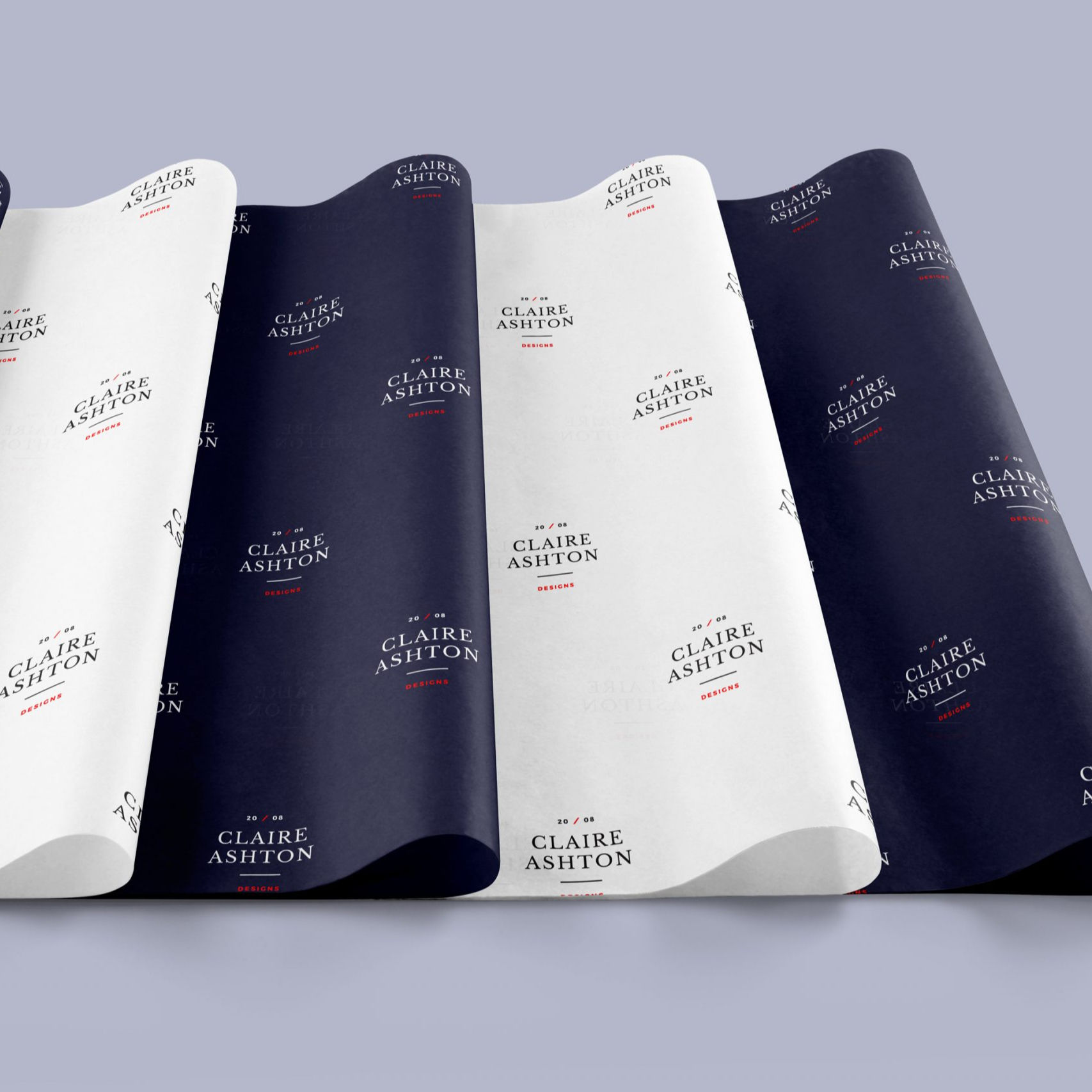
The simplest reason tea brand belly bands cost less than full printed cartons is material usage. A belly band uses less board, less ink, and fewer finishing steps than a complete outer box, so the production load stays lighter from the beginning. In practical buying terms, that difference shows up fast when you compare a seasonal assortment or a small flavored tea run that only needs a branding layer, not a new package structure.
Full cartons usually carry more setup work because the print surface is larger and the structural demands are higher. A belly band is often just a narrow wrap or sleeve, which can be cut, printed, scored, and packed more efficiently. That is one reason tea brand belly bands cost less on a unit basis, especially when the pouch or tin already provides the closure and protection the product needs.
Flexibility adds another layer of value. A tea line with rotating blends can keep the same base pack and swap only the belly band artwork. That keeps launches moving, preserves brand recognition, and cuts down on the amount of dead stock sitting in storage after a seasonal promotion ends. In real production terms, tea brand belly bands cost less because the packaging system stays modular instead of rebuilding the entire package for every new flavor.
Compared with labels, belly bands often give the product a more substantial presence. A label can identify a tea, but a belly band can frame the pack, carry messaging, and create a more deliberate presentation for subscription boxes or gift sets. Compared with sleeves and cartons, the band usually uses less stock and fewer finishing steps, and that is exactly where the savings come from.
The short version is straightforward: less material, less press time, and less structural complexity. That is why tea brand belly bands cost less than many buyers expect while still looking refined on shelf.
Tea Brand Belly Bands Cost: What Drives the Price
Tea brand belly bands cost depends on several variables, and the quote can move quickly once those details are set. Size is the first one. A narrow band for a slim tea pouch is a different job from a wide wrap around a rigid box that needs extra overlap for hand application. Stock choice comes next, and it affects both the look in hand and the behavior on press.
Stock selection matters more than many buyers expect. An uncoated kraft sheet can look natural and honest, but it may absorb ink differently than a smooth white paper. FSC-certified paper can support a sourcing claim, while soft-touch or laminated surfaces add a more premium tactile finish at a higher price point. Heavy ink coverage, dark solid fields, and large flat tones can also add make-ready time and influence the quote for tea brand belly bands cost.
Print coverage is another real driver. One-color black on kraft is usually simpler than a full-bleed four-color design with metallic accents, tiny type, and flavor names that change by SKU. If the same layout needs to be versioned for chamomile, mint, lavender, and jasmine, each change adds handling. Variable data, seasonal copy, or retailer-specific text can also move the price even when the base design stays the same.
Finishing is often where a quote moves from practical to premium. A clean folded band with no embellishment usually sits on the lower end of the market. Add foil, embossing, spot UV, or a specialty coating, and the job becomes more labor-intensive. That does not make the choice wrong; it simply means tea brand belly bands cost more as the presentation becomes more refined.
Quantity has a major effect because setup, trimming, and finishing time are fixed costs. A run of 500 pieces carries a higher unit price than a run of 5,000 because the same preparation work is spread across fewer units. The price curve usually flattens as volume rises. For buyers comparing quotes, the useful question is not only “What is the unit price?” but also “What does the total spend look like at my real order quantity?”
Here is a practical comparison that shows how common choices can affect the quote for tea brand belly bands cost:
| Option | Typical Look | Indicative Unit Cost at 5,000 pcs | Best Fit |
|---|---|---|---|
| Uncoated kraft paper | Natural, earthy, low-glare | $0.08-$0.16 | Herbal teas, organic lines, rustic visual branding |
| White paper stock | Crisp, clean, color-accurate | $0.09-$0.18 | Retail-ready tea brands needing bright graphics |
| FSC-certified paper | Natural or white, sustainability-focused | $0.10-$0.20 | Brands with sourcing claims and brand consistency goals |
| Soft-touch coated stock | Velvety, premium feel | $0.13-$0.26 | Gift sets, higher-end tea collections, shelf-impact packs |
| Foil or embossed finish | High-end accent detail | $0.18-$0.38 | Luxury teas, limited releases, special collections |
Those ranges are working estimates rather than promises, because every quote depends on the exact band dimensions, artwork density, and finish combination. Still, they give buyers a useful way to think about tea brand belly bands cost before sending files. If the band only needs to support brand identity and carry a flavor name, the job can stay simple. If it needs to function like a small presentation piece, the price should reflect that.
Packaging teams often reference industry resources such as ISTA to think through shipping and handling risks, and FSC to verify paper sourcing claims. Those standards do not set the quote by themselves, but they help buyers make better decisions about material choice, transit performance, and sustainability positioning.
There is also a difference between what looks affordable on paper and what stays affordable after the order hits the warehouse. A band that scuffs, curls, or prints poorly can cost more later through replacements or slower packing speed, so the cheapest spec is not always the smart one.
Specifications That Affect Fit and Function
Good pricing starts with fit. A band that is too tight can buckle at the seam, while one that is too loose can shift during packing and make the product look careless. For tea pouches, tins, and cartons, the finished size has to account for overlap, material thickness, and the way the pack moves during handling. That sits at the center of tea brand belly bands cost because the wrong size can trigger rework, and rework is expensive.
Paper weight and stiffness matter just as much as artwork. A light stock may look inexpensive on paper, but if it curls in humidity or during assembly, the buyer pays later in slower line speed and a weaker presentation. A slightly heavier sheet can hold a cleaner edge, sit flatter against the pack, and improve the tactile feel. The right range depends on the package shape, though many tea projects work well in the 150-300 gsm range.
Structure is another practical decision. Some bands are simple straight wraps with a clean overlap. Others use a scored fold, a tab lock, or a light adhesive closure to help keep alignment steady. Each option changes finishing time and can influence tea brand belly bands cost. Hand-applied bands usually need a little tolerance so they are easy to place, while machine-applied bands call for more exact dimensions and a controlled seam.
Print details should be planned with the same level of care. Barcode placement needs clear quiet space. Ingredient copy should remain readable after folding. Flavor names should sit where shoppers can see them quickly. If the brand is managing multiple SKUs, the layout has to support version control without drifting away from visual consistency. A band that looks beautiful but hides the product name behind a seam is not doing its job.
Tea buyers should also ask about storage conditions. If the bands will sit near sealed pouches in a warm warehouse or a humid room, odor control and ink cure become part of the conversation. That matters especially with paper stocks that use strong coatings or rich coverage. The goal is not only to make the pack look good on day one; it is to make sure the band still looks crisp after storage, shipping, and shelf handling. Those details affect tea brand belly bands cost because they shape waste, returns, and replacement runs.
From a packaging buyer’s point of view, the right specification is the one that balances shelf appeal, assembly speed, and material discipline. A good supplier adds value by steering the order toward a spec that fits the actual product instead of pushing the fanciest finish available.
And honestly, that practical tradeoff is where a lot of experienced buyers save money without making the pack feel cheaper.
Process, Timeline, and Production Steps for Tea Brand Belly Bands
A clean order usually moves through the same sequence: quote request, spec review, artwork check, proof approval, production, finishing, packing, and shipment. That sounds simple, yet each step affects tea brand belly bands cost and lead time. The smoother the front end, the fewer surprises later in the job.
During quoting, the supplier should confirm finished dimensions, quantity, stock, print sides, colors, and any special finish. If the band uses a unique fold or locking tab, the dieline should be checked early. If the buyer only sends a logo and asks to “make it fit,” the risk climbs immediately. A solid quoting process turns loose ideas into a manufacturable spec, which is how you avoid an underpriced estimate that changes later.
Proofing is where small mistakes are caught before they become costly. Careful proof review includes line checks, bleed verification, barcode inspection, spelling review, and layout alignment. A digital mockup can show the overall composition, but it should never replace a proper check of the print file. If the brand has multiple tea flavors, every version deserves the same review. That is one of the most overlooked parts of tea brand belly bands cost because rush fixes after proof approval can throw off the whole schedule.
Lead times usually depend on stock availability, finishing complexity, and how quickly the buyer approves artwork. A simple short-run digital job can move faster than a large offset run with foil or embossing. Once special finishes enter the order, the schedule usually stretches because more stations are involved. For many tea packaging jobs, a clean standard-band order can land in roughly 10-15 business days after proof approval, while premium finishing or multi-version work may take longer. That range is not universal, but it gives buyers a realistic starting point.
Digital and offset production serve different needs. Digital printing helps with short runs, versioned flavor names, and faster setup, while offset often wins on consistency and economics at higher quantities. If the brand wants a lower tea brand belly bands cost per unit at scale, offset may be the better route. If the brand is testing a new tea blend, digital can be the smarter first step because it lowers the risk of overcommitting before the market response is clear.
Communication matters just as much as the print method. The buyer should know when sign-off is due, when changes stop being free, and when freight is expected to book. The best jobs stay calm because both sides respect the deadlines. That may not sound dramatic, but it is exactly how tea brand belly bands cost stays predictable from quote to delivery.
For brands that want reassurance about how the packaging fits together, related work and packaging logic are covered in our Case Studies. A structured workflow makes it easier to see how small changes in print coverage, stock, or fold style affect the final result.
MOQ, Quote, and Unit Cost for Tea Brand Belly Bands
MOQ is one of the first questions buyers ask, and for good reason. Minimum order quantity can shape the whole purchasing decision. For tea brand belly bands cost, MOQ usually depends on sheet layout, print method, finishing steps, and how efficiently the bands can be nested or gang-run on press. A lower MOQ is possible, but the per-unit cost usually rises because setup time stays similar while the piece count falls.
The most useful way to judge a quote is to look at unit cost and total order cost together. A low unit price can look attractive until the buyer realizes it requires more inventory than the warehouse can comfortably hold. A slightly higher unit price on a smaller order may be the better business choice if the band supports a seasonal tea launch, a promotional collection, or a product line that may change artwork in a few months. That is why tea brand belly bands cost should always be judged against the real brand plan, not just the lowest spreadsheet number.
To build an accurate quote, the supplier needs finished size, quantity, stock choice, print sides, color count, finish preference, target turnaround, and delivery ZIP code. If the band is hand-applied, say so. If it has to run through a machine, say that too. Those details affect tolerances, packing style, and sometimes material selection. A quote based on complete information is almost always more trustworthy than a quick guess.
Here is a practical way to think about spend tiers for tea brand belly bands cost:
- Test run: 250-1,000 pieces for a new blend, prototype shelf test, or private tasting event.
- Core run: 1,000-5,000 pieces for a steady SKU with moderate sales velocity.
- Volume run: 5,000+ pieces for established tea lines where unit cost matters more than small inventory swings.
That structure is not arbitrary. It reflects how press setup, trimming, and finishing get spread across the order. A test run is useful for speed and validation, but it rarely produces the lowest tea brand belly bands cost. A volume run usually lowers the unit price, yet it can create storage pressure if the design changes quickly. Buyers should choose the run size that fits the product life cycle, not the most flattering quote line.
Another way to save money over time is to compare the quote line by line. Does the price include proofs? Is freight included? Is there a setup charge for a special cut? Are finishing steps itemized? Hidden add-ons can make one supplier look inexpensive on paper and costly at checkout. A fair comparison for tea brand belly bands cost should include the full landed picture, not just the print number.
If you are launching a new tea series, a smaller quantity first can make sense, then you can scale once the artwork and fit are confirmed. If the line is already established and the brand buys repeatedly, larger quantities often deliver a better balance of unit cost and production efficiency. The right answer depends on shelf velocity, SKU count, and how stable the packaging program is through the season.
One more practical point: if your tea assortment is likely to rotate every quarter, do not overbuy just to chase the lowest unit price. That can look efficient in a spreadsheet and still turn into dead stock in the storeroom.
Why Choose Custom Logo Things for Tea Brand Belly Bands
Custom Logo Things is a practical Fit for Buyers who want clear specifications, honest pricing, and packaging advice that respects how tea products are actually packed, stored, and sold. For tea brand belly bands cost, that matters because the cheapest-looking quote is not always the least expensive program once fit issues, reprints, or delays enter the picture.
A useful supplier should be able to talk through stock choices, finishing limits, and how the band will behave on the package without turning the conversation into a maze. That is the real value. A tea buyer does not need vague promises; they need a quote that reflects structure, artwork, and line conditions. Good guidance at the front end keeps the whole order cleaner and helps preserve brand identity across the product range.
Responsiveness matters too. When proof rounds move quickly and file review is careful, the buyer spends less time chasing revisions and more time preparing the launch. That helps with brand consistency, especially if you are coordinating pouch labels, shipping cartons, and tea brand belly bands cost across one campaign. The packaging should feel like one system, not three unrelated purchases.
There is also a real advantage in working with a team that understands the tradeoffs between shelf presentation and manufacturing reality. A gorgeous design that cannot be cut cleanly or applied efficiently is not a win. A slightly simpler structure that prints sharply, fits properly, and looks disciplined on shelf is often the stronger commercial choice. That is how customer perception improves without pushing the budget out of range.
For buyers who want to see how packaging decisions carry across a broader program, the Case Studies page is useful because it shows the reasoning behind different specs, finishes, and product families. Tea brand belly bands cost is rarely just about one item; it is usually part of a larger packaging system that also has to support launch timing, storage, and repeat ordering.
In practical terms, a well-managed belly band program can support multiple tea SKUs, seasonal variants, gift packs, and limited editions without forcing the brand into a full packaging redesign every time the assortment changes. That is where the value becomes obvious. Tea brand belly bands cost stays manageable, the shelf story stays clear, and the brand gets more control over how each collection looks in market.
That control matters even more for smaller teams, because a packaging refresh that looks elegant but drags on operations can quietly eat up the time you need for marketing, sales, and fulfillment.
Next Steps to Get an Accurate Tea Brand Belly Bands Quote
If you want a quote that actually helps you make a buying decision, send a complete spec sheet. The fastest path to an accurate answer on tea brand belly bands cost is to include finished dimensions, package type, quantity, artwork files, stock preference, finish preference, and target ship date. That gives the quoting team enough information to calculate real production costs instead of guessing.
It also helps to decide whether the band will be hand-applied or machine-applied before the order is priced. That single detail can change the size tolerance, closure style, and finishing approach. A hand-applied band can allow a little more forgiveness, while machine application calls for tighter consistency. If you are not sure, send a sample pack or product photo so the team can check fit before production starts. That small step can prevent a lot of back-and-forth and keeps tea brand belly bands cost tied to the real application.
For a new tea line, ask for a sample or proof before approving the full run. For an existing line, confirm whether the artwork has changed since the last order, especially if there are revised ingredients, new barcodes, or seasonal claims. Then confirm the exact lead time, not just the general estimate. Those habits may feel simple, but they are what keep packaging projects on schedule and keep reprint risk low.
From a buying standpoint, the best tea order is the one that lands cleanly, looks right on shelf, and does not create extra headaches in packing. That is why tea brand belly bands cost should be quoted with the whole job in view: material, print, finishing, proofing, and freight. If you send complete specs up front, you get a cleaner quote, fewer surprises, and a better chance of matching the packaging to the brand story without overspending.
So if you are ready to move, gather your measurements, artwork, and quantity first. Then Request a Quote that reflects the real application. That is the fastest way to get a dependable answer on tea brand belly bands cost and move from pricing questions to a packaging program that fits the line. In other words, get the specs right first, and the rest gets a whole lot easier.
FAQ
How much do tea brand belly bands cost per order?
Tea brand belly bands cost depends on size, stock, print coverage, finish, and quantity, so the most useful answer is a quote built from exact specs. Larger runs usually reduce the unit price because setup and finishing are spread across more pieces.
What details do you need to quote tea brand belly bands cost accurately?
Provide finished size, intended package type, quantity, artwork files, material preference, finish preference, and target turnaround. If you already know whether the band will be hand-applied or machine-applied, include that too, because it can change the spec and affect tea brand belly bands cost.
What is the MOQ for tea brand belly bands?
MOQ usually depends on printing method, sheet layout, and finishing steps, not just the design itself. It is smart to ask for a quote at both the minimum and a larger run so you can compare total spend and unit cost before deciding.
How long does production usually take for tea brand belly bands?
Lead time depends on proof approval speed, stock availability, finish complexity, and order size. A clean file set and quick approvals can shorten the schedule significantly, while special finishes or multiple versions usually add time.
Can tea brand belly bands be printed on kraft or recycled stock?
Yes, both kraft and recycled options are common when the brand wants a natural look or a more sustainable packaging story. The final choice should balance print clarity, stiffness, and the feel you want on shelf, especially if the band is meant to support premium tea brand belly bands cost targets without losing visual impact.

