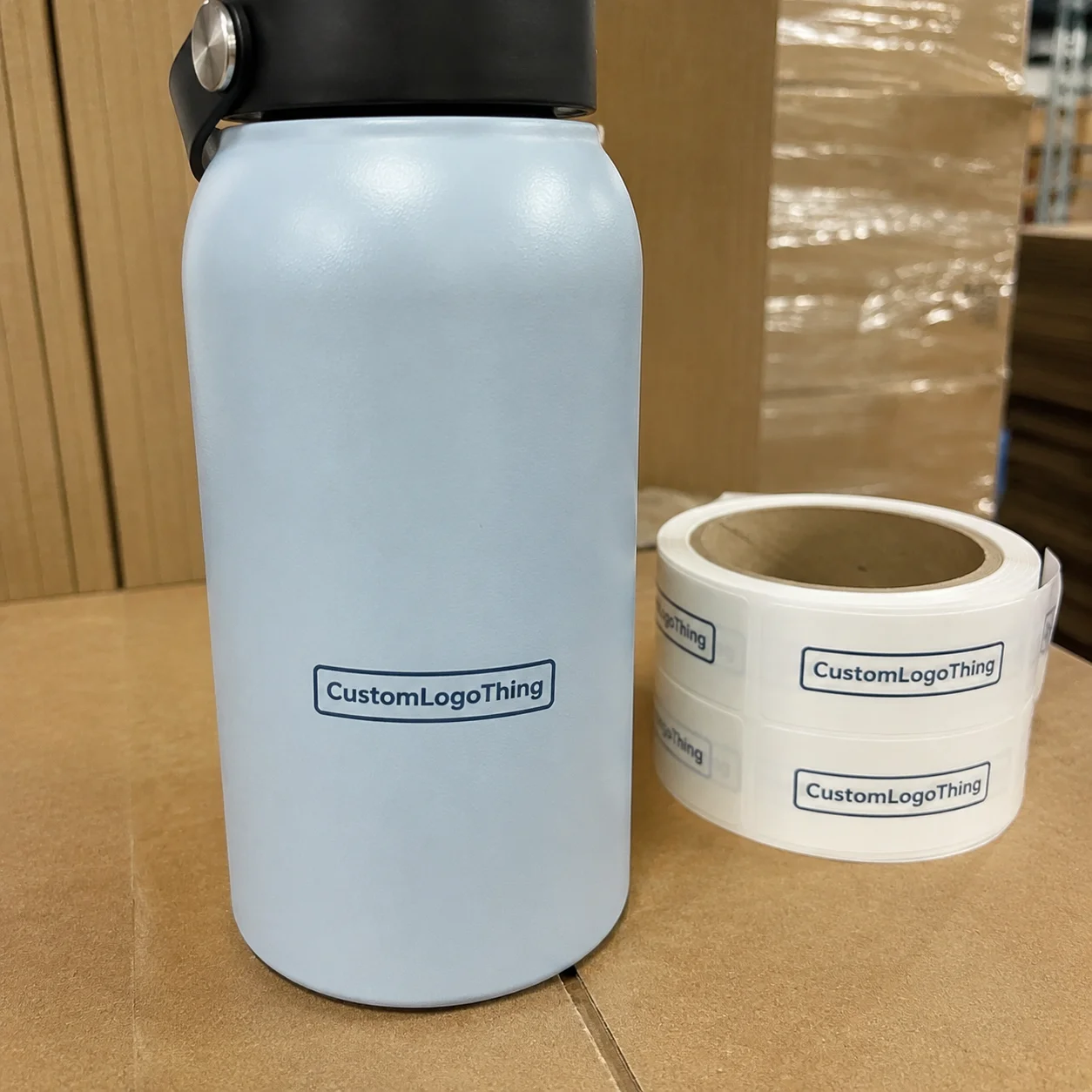
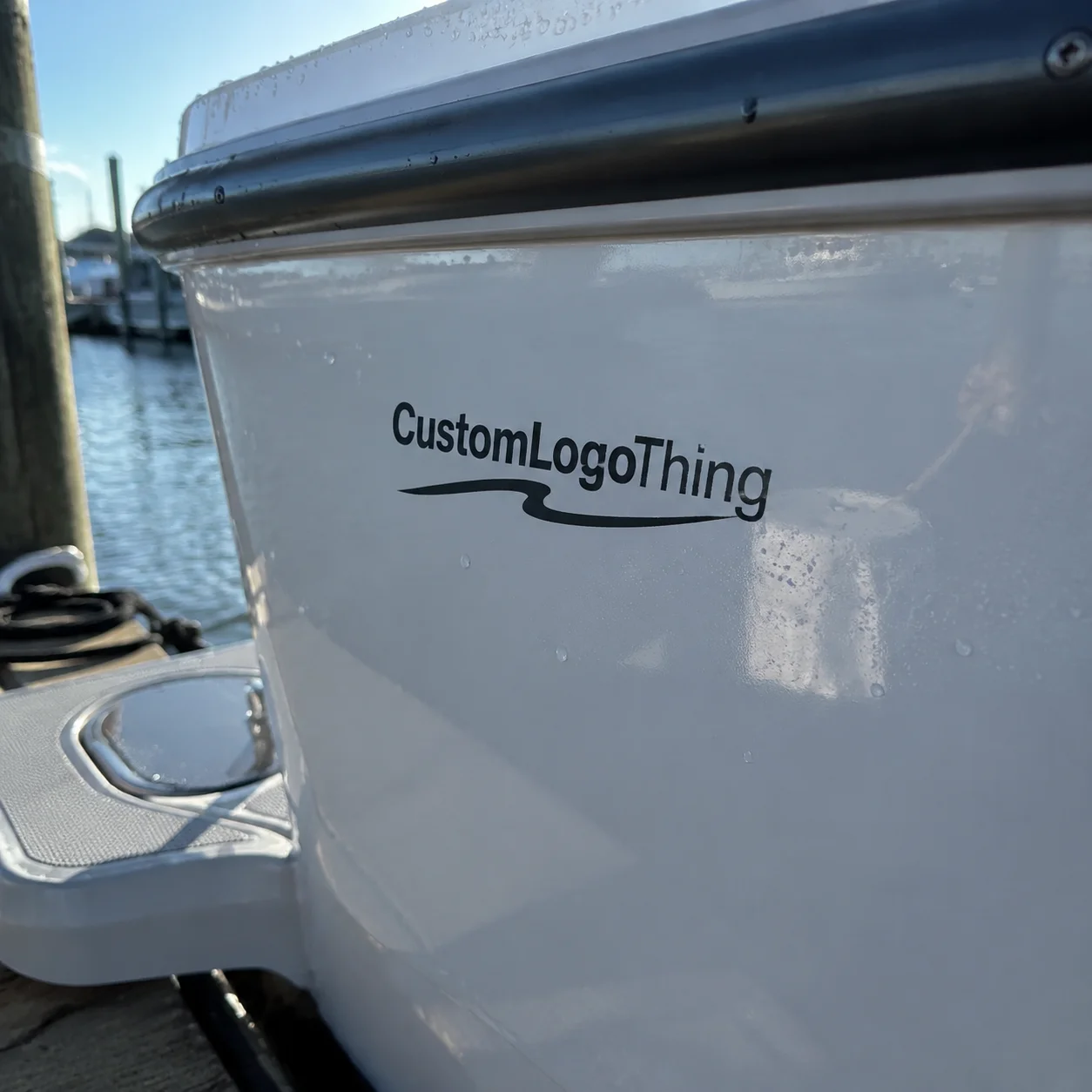
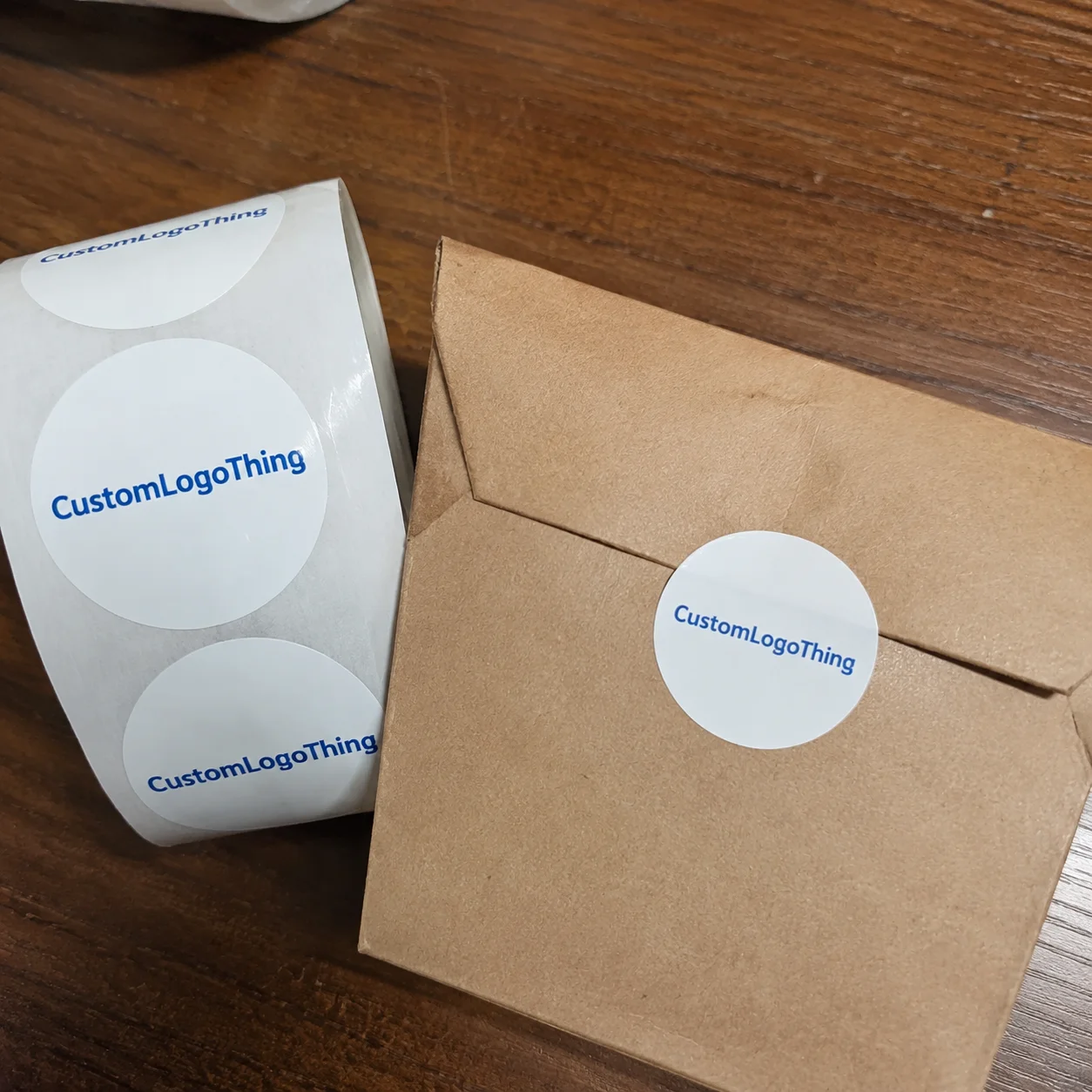
Most sticker failures are not caused by ugly artwork. They happen because the buyer picked the wrong material, adhesive, finish, or format for the job. If you want good quality custom stickers, treat them like a packaging component, not a small decoration someone remembered ten minutes before launch.
A sticker can look crisp on a proof and still peel off a jar, wrinkle on a mailer, scuff during shipping, or turn gummy in a freezer. The real target is not “looks good on screen.” The target is a sticker that prints cleanly, applies consistently, survives the environment, and supports the rest of the branded packaging without creating returns, complaints, or wasted inventory.
Why Stickers Fail Faster Than You'd Expect
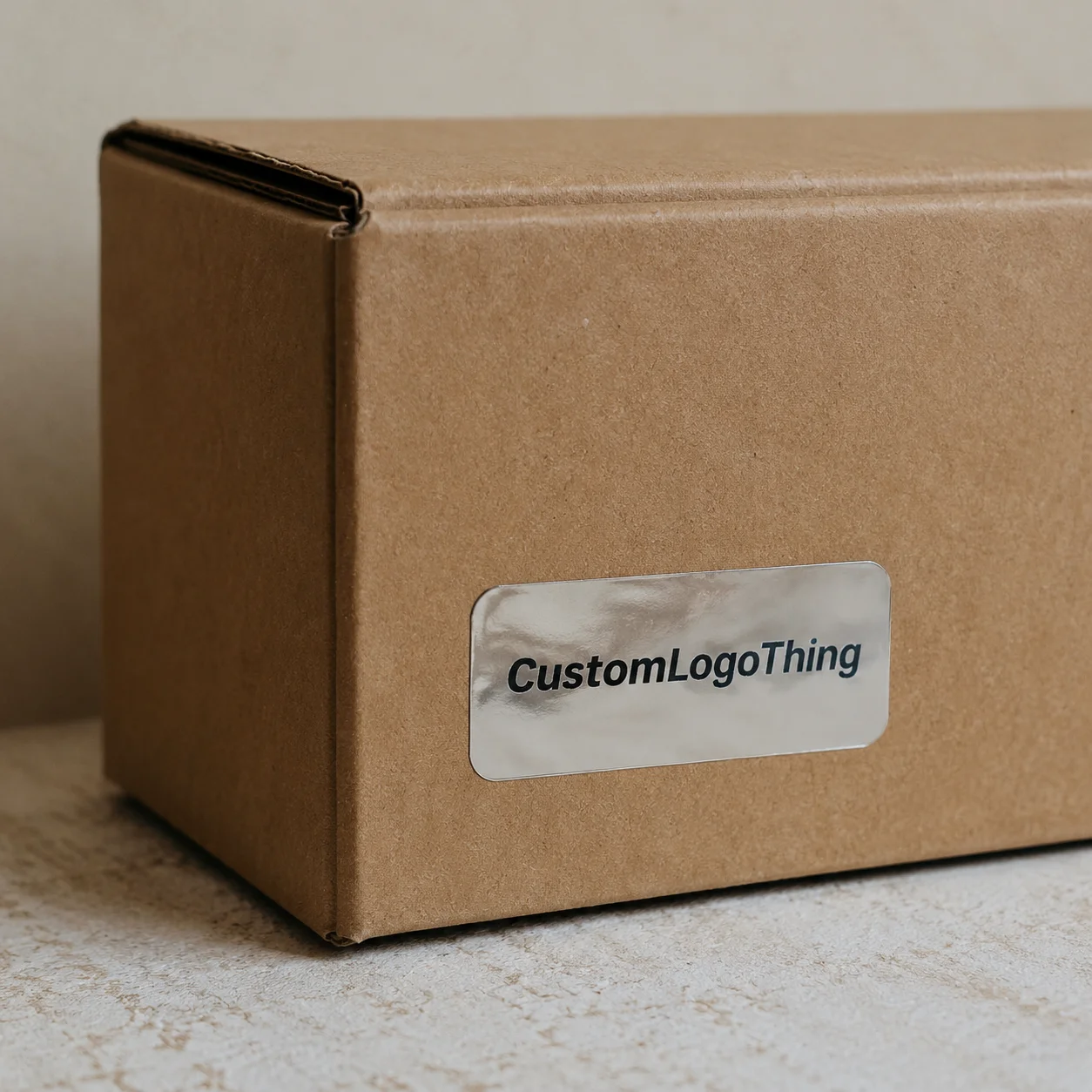
The gap between a sticker that looks good on day one and one that still performs after shipping, handling, moisture, and temperature swings is wider than many buyers expect. Print quality matters. The material stack usually matters more. A glossy paper sticker on a dry retail insert can look excellent. Put that same sticker on a chilled beverage bottle with condensation, and the edges may start curling before the customer gets home.
Quality has four practical parts: durability, print clarity, application ease, and finish consistency. Durability means the sticker stays put and resists scuffs, moisture, oil, sunlight, or cold if the use case demands it. Print clarity means fine lines, logos, barcodes, and color blocks reproduce without fuzziness, banding, or muddy ink. Application ease means your team can place the sticker without fighting bubbles, tearing, or edge lift. Finish consistency means 500 stickers look like they came from the same run, not three different printers and a garage cutter.
Different uses need different builds. A packaging seal on a folding carton needs clean adhesion and predictable release from the backing liner. A promo insert sticker can often use a lower-cost paper stock. A product label for a bottle, pouch, or jar may need BOPP or vinyl with a protective laminate. Same artwork. Different job. That distinction saves money.
Practical rule: match the sticker build to the surface, handling, and exposure. A perfect print on the wrong substrate is still a bad sticker.
For buyers working across Custom Packaging Products, stickers should be planned as part of the larger package branding system. They need to coordinate with boxes, inserts, labels, tissue, and retail packaging, but they also need to survive the specific task they are doing.
How the Custom Sticker Production Process Works
The production process sounds tidy: artwork prep, material selection, proofing, printing, cutting, finishing, inspection, and packing. Each step has a failure point. Low-resolution files create soft edges. Missing bleed leaves white slivers. Bad cut paths make shapes look clumsy. The wrong finish can flatten a premium design or make a simple logo look overproduced. Tiny errors scale beautifully, unfortunately, especially at 5,000 pieces.
Artwork usually starts with a vector logo file, such as AI, EPS, SVG, or press-ready PDF. Raster images can work if they are built at final print size and usually at 300 DPI or higher. For die-cut stickers, the cut line should be a separate vector path, often marked as a spot color named “CutContour” or a similar printer-specific label. Bleed is commonly 0.0625 to 0.125 inches beyond the trim edge. Safe area should keep critical text and logos at least 0.0625 inches inside the cut line.
Boring details? Yes. Also the difference between clean and sloppy.
Proofing is the buyer’s checkpoint before production. A proof is not just a pretty mockup. It confirms size, shape, artwork placement, cut path, quantity, material, finish, and sometimes roll direction if stickers are machine-applied. If you approve a proof with a typo, wrong SKU, or off-center cut line, production usually follows that approved file. Suppliers are not mind readers.
Lead time depends heavily on artwork readiness. A simple paper or vinyl sticker order with approved files may take 4 to 7 business days for production, plus shipping. Specialty materials, laminate, foil, multiple SKUs, or custom packing for the stickers can push production into the 8 to 15 business day range. Revision loops add time because proof approval is the gate before the order enters the production queue.
Materials, Adhesives, and Finishes That Change Quality
Material choice is the first real quality decision. Paper stickers are cost-effective, print nicely, and work well for indoor packaging, retail inserts, thank-you stickers, short-term seals, and dry surfaces. They are not built for repeated moisture, outdoor exposure, or heavy abrasion unless you accept a short lifespan. If the sticker needs to look good for a weekend event, paper may be fine. If it needs to survive a cooler, a warehouse, or a delivery truck in bad weather, stop asking paper to do vinyl’s job.
Vinyl is a stronger choice for outdoor stickers, laptop decals, equipment labels, shipping box branding, and surfaces that see handling or moisture. It is flexible, durable, and generally more forgiving on curved surfaces. BOPP, short for biaxially oriented polypropylene, is common for product packaging labels because it resists water and oil better than paper and gives a clean product-label finish on bottles, jars, cosmetics, supplements, and food-adjacent packaging.
Food packaging adds another layer. The sticker may not touch food directly, but it still needs to suit the storage environment, the container surface, and any applicable packaging requirements. A label on a refrigerated sauce jar is not doing the same job as a thank-you sticker on a paper insert.
Adhesive is just as important as face stock. Permanent adhesive is the default for most product labels, packaging seals, and brand stickers. Removable adhesive works when customers need to peel the sticker without residue, such as temporary promotions or reusable containers. Freezer-safe adhesive is designed for cold application or cold storage, often used for frozen foods, meal kits, and cold-chain products. Specialty adhesives exist for rough, textured, oily, powder-coated, or curved surfaces. They cost more because the chemistry has more work to do.
Finishes change appearance and performance. Matte finish gives a softer look and reduces glare. Gloss finish boosts color vibrancy and shine. Soft-touch laminate can feel premium on beauty, wellness, and retail packaging, though some coatings show fingerprints. Protective lamination, either matte or gloss, improves scratch resistance and water resistance. For outdoor or high-handling stickers, laminate is often worth the extra $0.03 to $0.12 per piece, depending on size, quantity, and supplier.
| Material | Best Use | Typical Strength | Watch-Out |
|---|---|---|---|
| Paper | Indoor packaging, promo inserts, dry retail use | Lower cost, sharp print, easy to write on if uncoated | Poor moisture resistance unless specially coated |
| Vinyl | Outdoor decals, shipping boxes, curved surfaces | Durable, flexible, strong water resistance with laminate | Higher unit cost than paper |
| BOPP | Bottles, jars, cosmetics, food-adjacent labels | Water and oil resistance, clean product-label finish | Needs the right adhesive for cold or textured surfaces |
If sustainability is part of your packaging design requirements, ask about FSC-certified paper materials, recycled content, and liner waste. The Forest Stewardship Council is a useful reference point for paper sourcing claims. Still, a greener material has to perform. A sticker that fails and gets replaced twice is not exactly a sustainability win.
Good Quality Custom Stickers: Pricing, MOQ, and Unit Cost
Pricing for good quality custom stickers is driven by size, quantity, material, finish, shape, and packing format. A 2-inch round paper sticker is not priced like a 4-inch waterproof vinyl die-cut sticker with matte laminate. Custom cutting, specialty adhesive, roll labels, individual kiss-cut sheets, and shrink-wrapped bundles all change the quote.
MOQ, or minimum order quantity, is not a supplier being mysterious for sport. Setup costs exist. File prep, proofing, material loading, press setup, cutting setup, quality checks, and packing all take time whether you order 100 stickers or 10,000. That is why small runs cost more per piece.
A 100-piece order might land around $0.45 to $1.20 per sticker depending on size and finish. A 1,000-piece order might drop to $0.12 to $0.35 each. At 5,000 pieces, simple shapes and common materials may land around $0.04 to $0.18 each, while specialty builds can still sit higher. These are planning ranges, not universal price promises. Freight, rush timing, oversized formats, and material surcharges can move the number quickly.
Do not compare only the lowest sticker price. Compare the final landed cost: proofs, setup fees, rush fees, shipping, material surcharge, laminate surcharge, and whether the stickers arrive on rolls, sheets, or individually cut. A quote at $0.08 each with $95 shipping may not beat a quote at $0.10 each with included freight. Math remains annoying, but useful.
| Order Type | Typical Quantity | Common Unit Range | Best Fit |
|---|---|---|---|
| Small test run | 100-250 pieces | $0.35-$1.20 each | Samples, launch testing, event trials |
| Standard packaging run | 500-2,500 pieces | $0.10-$0.45 each | Product packaging, retail packaging, brand inserts |
| Volume order | 5,000-20,000 pieces | $0.04-$0.22 each | Ongoing labels, shipping box branding, multi-location use |
The smartest buyers quote the same spec with at least two suppliers. Same size. Same material. Same adhesive. Same finish. Same quantity. Same packing format. Otherwise, you may be comparing a paper sticker to a laminated vinyl sticker and wondering why the prices are different. That is not supplier research. That is spreadsheet theater.
Turnaround, Proofing, and Lead Time Explained
Turnaround starts after the supplier has usable artwork and you approve the proof. Not after you send a blurry PNG. Not after you ask someone to “make it pop.” Not after the first email. The clock usually starts when the approved file, final spec, and payment terms are in place.
A normal timeline has five parts: quote review, proof creation, proof approval, production slotting, and shipping. Printing itself may only take a day or two on a simple job, but cutting, lamination, curing, inspection, packing, and carrier pickup add time. For basic stock stickers, expect roughly 5 to 10 business days from proof approval to shipment in many cases. For complex die cuts, specialty adhesives, foil, raised varnish, multi-SKU batches, or special roll direction, 10 to 18 business days is more realistic.
Proof approval is the gatekeeper. A late artwork change resets the proof cycle and can push the ship date back. Changing the color, size, shape, SKU count, or finish after approval may also affect pricing. If a supplier says rush production is possible, ask exactly what changes. Faster turnaround can mean fewer material choices, less review time, higher freight cost, or no room for sampling. Speed is not free. It usually steals from options, cost, or quality control.
For shipping and handling performance, many packaging teams use standards from groups like ISTA to think about transport conditions. Stickers are not always tested on their own under ISTA protocols, but the principle matters: product packaging gets rubbed, compressed, exposed to temperature shifts, and handled by people who are not gently admiring your logo.
Step-by-Step Checklist for Ordering the Right Spec
Start with the use case. Not the color. Not the shape. A packaging seal, product label, promo giveaway, retail insert, machine-applied roll label, and outdoor decal all need different specs. If the sticker will touch a shipping carton, glass jar, kraft mailer, cold pouch, or curved tube, write that down before requesting quotes.
- Define the application surface. List the surface material: paperboard, corrugated, glass, plastic, metal, kraft, coated paper, pouch film, or textured stock.
- Choose the face material. Use paper for dry indoor applications, vinyl for durable decals, and BOPP for many product label applications.
- Select the adhesive. Permanent is common, removable has a specific job, freezer-safe is not optional for cold-chain use, and specialty adhesive may be needed for rough surfaces.
- Set the size and shape. Confirm exact dimensions, corner radius, die-cut shape, and whether stickers ship on rolls, sheets, or as individual pieces.
- Pick the finish. Matte, gloss, soft-touch, UV coating, or laminate should match the brand look and the handling environment.
- Prepare artwork properly. Add bleed, keep text inside the safe area, supply vector cut lines, and convert fonts to outlines if requested.
- Approve the proof carefully. Check spelling, logo placement, cut shape, color expectations, barcode readability, quantity, and final packing format.
If the sticker needs to survive moisture, abrasion, sunlight, refrigeration, or freezer conditions, request a sample or material swatch before the full run. For Custom Labels & Tags, this is especially useful because labels often carry ingredients, compliance text, barcodes, or batch information. Those details need to stay readable after handling.
A basic spec sheet can be short. For example: “2.5-inch round BOPP sticker, permanent adhesive, matte laminate, roll format, 1,000 pieces, applied to PET jar, exposed to bathroom moisture.” That one sentence gives a supplier enough context to recommend a real build. Compare that to “need nice stickers for jars.” One gets a useful quote. The other gets five follow-up emails.
Common Mistakes That Make Stickers Look Cheap
Tiny text is one of the fastest ways to make stickers look weak. If your disclaimer, URL, or ingredient note is under 5 or 6 points, it may print, but it may not read well after cutting or application. Thin lines can disappear, especially on textured materials or uncoated paper. Crowded layouts also fail fast because small stickers do not give you the same visual space as Custom Printed Boxes, pouches, or full retail packaging panels.
Another mistake: choosing gloss because it looked shiny on screen. Gloss can be great for bright colors, kids’ products, food promos, and bold package branding. It is not automatically premium. Matte can look cleaner for wellness, skincare, coffee, apparel, and minimalist product packaging. Soft-touch can feel upscale, but it may be overkill for a shipping carton seal that gets ripped open in five seconds.
Application surface is the issue buyers ignore until it costs money. Textured kraft paper, cold glass, oily plastic, curved tubes, powder-coated bottles, and flexible pouches all behave differently. A sticker that bonds well to a smooth carton may lift on a curved cosmetic tube. Cold surfaces can slow adhesive flow-out. Oily residue can block adhesion. If your pack-out team applies stickers by hand, ask whether the backing liner releases cleanly and whether the sticker is forgiving during placement.
Skipping testing is the classic quality shortcut. Waterproof claims, freezer claims, and outdoor claims should be checked against your actual use. Put samples on the real package. Rub them. Chill them. Wet them. Ship a few. Leave some near a sunny window. No, it is not a laboratory protocol. It is still better than guessing and then acting surprised later.
Expert Tips Before You Place the Order
Before you place an order, build a simple spec sheet. Include material, adhesive, finish, size, shape, quantity, packing format, application surface, and exposure conditions. Add artwork file type, number of SKUs, and target delivery date. This turns a vague request into a buying brief. Suppliers can price accurately, and you can compare quotes without decoding three different interpretations of “premium sticker.”
Compare at least two suppliers using the same spec. If one quote is far lower, ask what changed. Did they remove laminate? Use paper instead of BOPP? Quote sheets instead of rolls? Exclude freight? Use a different adhesive? Sometimes the lower price is efficient. Sometimes it is missing the feature you actually needed.
For larger packaging programs, order a small sample run or at least request a material swatch. This matters if stickers touch shipping boxes, glass, jars, pouches, retail displays, or outdoor surfaces. It also matters if your sticker is part of a bigger packaging design system with cartons, inserts, tissue, mailers, or Custom Printed Boxes. The finish should feel intentional, not like the sticker wandered in from another brand.
Ask for realistic timing in writing. You want production time and shipping time, not just “prints in three days.” A job that prints in three days but ships ground for six more days is not arriving in three days. Check the proof, confirm the use case, verify the timeline, and approve only when the proof matches the job. That is how buyers get good quality custom stickers without crossing their fingers and hoping the adhesive gods are kind.
FAQ
How do I know if I am getting good quality custom stickers?
Check the material, adhesive, and finish against the real surface you will apply them to, not just the mockup. Ask whether the sticker is rated for water, abrasion, heat, outdoor exposure, or freezer use if your application needs it. A proof helps confirm artwork and cut quality, while a sample helps you judge print clarity, edge finish, liner release, and actual adhesion.
What material is best for good quality custom stickers outdoors?
Vinyl or BOPP with a protective laminate is usually the safer choice for rain, sunlight, and frequent handling. Paper stickers generally belong indoors unless the application is very short-lived. For long exposure, ask about UV resistance, laminate options, and whether the adhesive is designed for the target surface, especially if the sticker goes on metal, plastic, glass, or textured equipment.
Are good quality custom stickers waterproof?
They can be, but waterproof performance depends on the full build: face material, adhesive, ink system, and finish. Laminated vinyl or BOPP stickers usually handle moisture much better than uncoated paper. If the sticker will sit in ice, condensation, repeated washing, bathroom humidity, or freezer storage, confirm the exact material and adhesive before ordering.
What affects the price of custom stickers the most?
Size, quantity, material, finish, and shape are the biggest price drivers. Complex cuts, specialty adhesives, protective laminates, rush production, and special packing formats can raise the cost quickly. Unit price usually drops as quantity increases, but proof fees, shipping, and material surcharges can change the final total, so compare landed cost rather than sticker price alone.
How long does it take to make custom stickers?
Simple orders can move quickly once artwork is approved, often within 5 to 10 business days for production depending on the supplier and queue. Specialty materials, complex finishing, multiple SKUs, or custom cutting can take longer. The biggest delay is often proof revision, not printing itself, so submit clean files and ask for a lead time that includes both production and shipping.