How to Buy Matte Zipper Bags: Material Comparison Guide
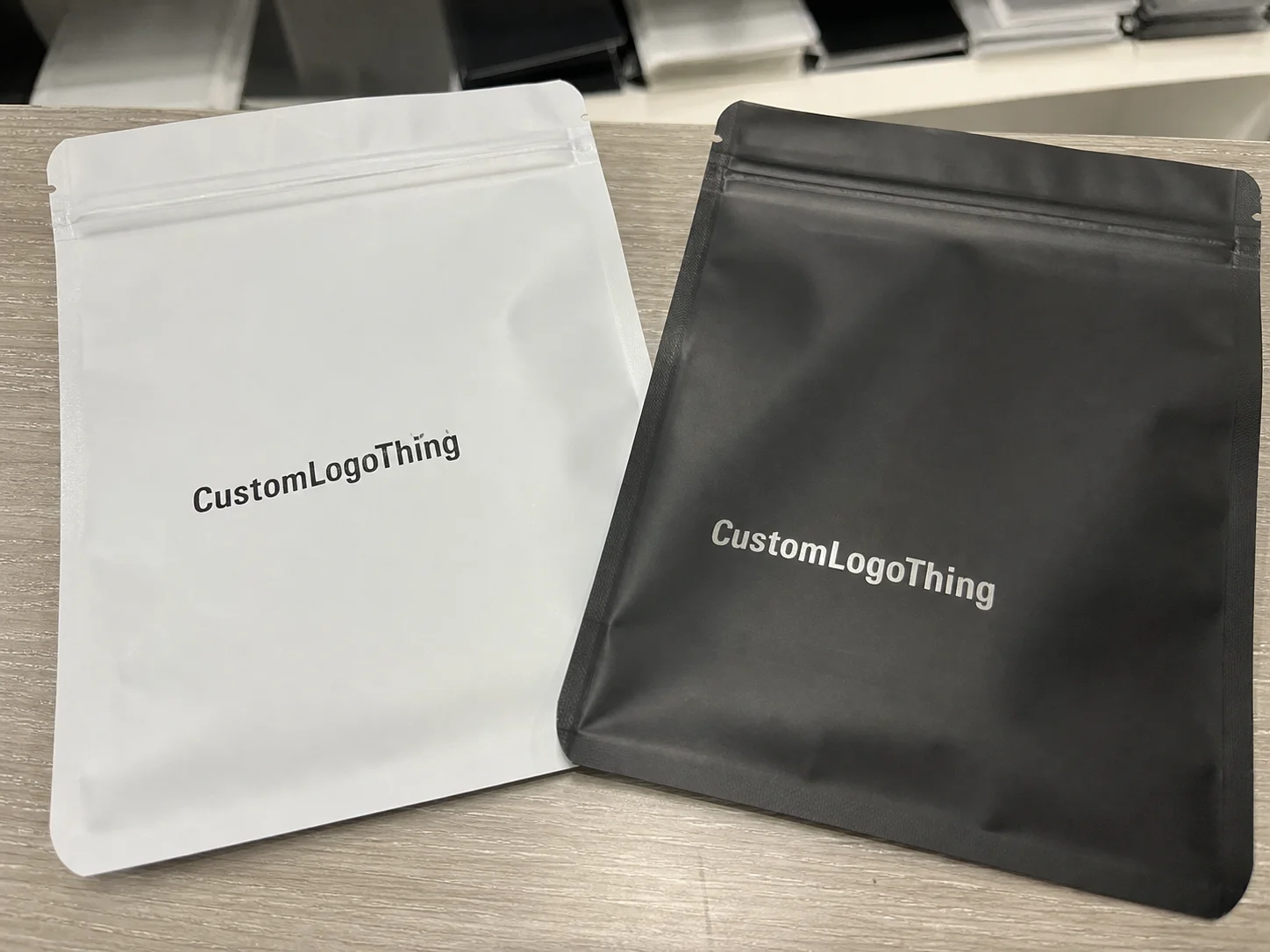
Two Matte Zipper Bags can look nearly identical on a shelf. One protects roasted coffee for months. The other wrinkles, scuffs, leaks aroma, and makes the brand look cheap before the customer even opens it. Same quiet matte finish. Completely different material stack.
This how Buy Matte Zipper bags material comparison guide is for buyers who need to choose film, finish, thickness, zipper style, and barrier level before asking for pricing. Not after. That matters because matte zipper bags are not one standard product. They are a format built from layers: PET, PE, CPP, BOPP, nylon, metallized film, aluminum foil, kraft paper laminate, or mono-material structures depending on what the bag needs to hold.
The outer layer affects print and finish. The middle layer, if there is one, often controls barrier or stiffness. The inner sealant layer decides how well the pouch closes under heat and whether the zipper area holds up after repeated use. That stack drives print quality, seal strength, puncture resistance, oxygen protection, moisture resistance, shelf feel, and unit cost.
Artwork still matters. A good logo on the wrong structure just gives you nicer-looking failure. Packaging is rude like that.
From a buyer’s side, quote accuracy depends on details first-time orders often miss: bag dimensions, bottom gusset, film thickness, material structure, print method, quantity, zipper type, filling method, food-contact requirements, and whether the product is oily, aromatic, sharp, dusty, or regulated. A 5-inch by 8-inch matte zipper pouch for bath salts is not the same job as a 5-inch by 8-inch pouch for granola, cannabis flower, metal screws, supplement powder, or coffee.
The goal is not to buy the most expensive film. The goal is to buy the structure that matches shelf life, handling, fill weight, compliance needs, and brand position. Define what the bag must do before asking what it costs. Barrier, seal strength, and zipper performance drive the real quote.
Matte Zipper Bag Materials Compared by Use Case
A practical material comparison starts with the product, not the decoration. Matte finish can come from matte film, matte lamination, matte varnish, soft-touch matte, or spot matte over gloss. Those choices affect scuff resistance, color depth, lead time, and cost.
Ask the supplier how the matte effect is created. Surface coatings can look good but may rub or scratch more easily. Reverse-printed matte lamination usually protects graphics better because the ink sits between layers. Soft-touch matte feels premium, but it needs careful handling and may show fingerprints or scuffs depending on the film. Spot gloss can make logos pop, though it adds another production step.
| Material Structure | Best Fit | Typical Strength | Tradeoff |
|---|---|---|---|
| PET/PE | Dry foods, samples, powders, light retail goods | Clean print surface, good heat sealing, moderate durability | May not provide enough barrier for aroma-sensitive, oily, or long-shelf-life products |
| PET/CPP | Snacks, candies, dry mixes, products needing strong seals | Good seal strength and a crisper pouch feel | Can cost more than basic PE structures and may be less flexible for some applications |
| Matte BOPP/CPP | Lightweight retail packs, low-cost dry goods, short-run promotional packaging | Lower cost and acceptable print appearance | Usually weaker barrier and less premium stiffness |
| PET/Metallized PE | Coffee, tea, supplements, spices, dry mixes | Better oxygen, aroma, moisture, and light protection than basic films | Harder to recycle and more expensive than standard PET/PE |
| PET/AL/PE | High-barrier coffee, jerky, sensitive powders, freeze-dried foods | Strong oxygen, moisture, aroma, and light barrier | Higher cost, stiffer feel, and limited recycling options |
| Kraft paper laminate | Natural-positioned snacks, tea, handmade goods, bath products | Warm shelf look with printable surface | Usually still includes plastic sealant layers for zipper and heat sealing |
| Mono-material PE or PP | Brands prioritizing recyclability claims where barrier needs are moderate | Can support better recycling alignment than mixed laminates | May limit barrier, finish, stiffness, and print options |
PET/PE is a reliable starting point for many dry goods because PET prints cleanly and PE seals well. It works for items like sample packs, light snacks, bath salts, small accessories, and many powders where shelf life is not heavily dependent on oxygen or aroma protection.
PET/CPP can be better for stronger heat seals or a slightly firmer pouch feel. CPP is often used where seal integrity matters and the product benefits from a cleaner, more structured package. Matte BOPP/CPP is more cost-driven. It can work for lightweight dry retail goods, but it is rarely the first choice for products needing premium feel or serious barrier.
For coffee, tea, jerky, spices, supplement powders, and freeze-dried foods, PET/metallized PE or PET/AL/PE often makes more sense. Oxygen, moisture, aroma, and light protection are not optional if the shelf-life target is real. A coffee pouch that smells great through the carton is not performing. That scent belongs inside the bag.
Kraft paper laminates deserve a blunt note. They look natural, but most stand-up kraft zipper pouches are not simply paper. They usually include PE, CPP, or another sealant layer so the pouch can be heat sealed and use a zipper. If the project needs recycled content, FSC certified paper, compostability, or lower-plastic positioning, say that early. Brown is a color. Not a certification.
Request physical samples when product weight, oil content, aroma strength, shelf-life target, or sharp edges are uncertain. Hardware, pet treats, granola clusters, oily snacks, and fine powders can punish weak structures. Testing a dozen filled bags for a week is cheaper than discovering side-seal failures after 20,000 units arrive.
Key Specifications That Change Bag Performance
Specs are not paperwork theater. They keep quotes from turning into a guessing contest.
Before pricing a custom matte zipper bag, define the bag style, width, height, bottom gusset, film thickness, zipper type, tear notch, hang hole, valve, rounded corners, print coverage, window, and finish. If those details are missing, the supplier fills in the blanks. Then everyone acts shocked when the quote changes.
Thickness is often discussed in mils in the U.S. Lightweight dry goods may work with 3 mil to 4 mil film. Many premium retail zipper pouches land around 4.5 mil to 5.5 mil. Heavy fills, oily products, sharp contents, or high-barrier structures may need 6 mil or higher.
Thickness alone does not equal strength. A poorly chosen 5 mil laminate can perform worse than a well-built 4.5 mil structure. Layer selection, sealant type, lamination quality, and pouch conversion matter just as much.
- Standard press-to-close zipper: common for snacks, samples, tea, light powders, and general retail packs.
- Powder-resistant zipper: useful for protein powder, flour blends, powdered drink mixes, and fine supplements that can clog zipper tracks.
- Child-resistant zipper: often required for cannabis, some supplements, and regulated goods depending on market rules.
- Wider zipper profile: better for heavier fill weights or brands that want a stronger tactile closure.
- Slider zipper: easier for some consumers, but it can increase cost, MOQ, and packing bulk.
Barrier specs do not need to turn every buyer into a lab technician, but oxygen transmission rate and moisture vapor transmission rate matter for products with a shelf-life target. If the product clumps, oxidizes, loses aroma, absorbs moisture, dries out, or changes texture, basic PET/PE may not be enough.
For coffee, ask whether a degassing valve is needed. Fresh roasted coffee releases gas after roasting, and a one-way valve can help prevent pouch swelling while limiting oxygen entry. Valves add cost and another production step, so they should be specified before quoting. Not after the dieline is approved.
Clear windows need the same practical review. A window helps customers see granola, candy, bath salts, colorful powders, or small retail goods. It can also reduce barrier in that area and complicate artwork. For light-sensitive products, skip the window or keep it small. For premium goods, make sure the window shape still looks good after filling. Some clever shapes look less clever once the gusset expands.
Print details matter more on matte surfaces because dull color, poor contrast, and scuffing are easier to notice. White ink underbase helps with color accuracy on clear, metallized, or kraft materials. Metallic ink needs planning so it does not look muddy. Thin reversed text can fill in. Small legal copy can become unreadable if the pouch texture fights the print.
Give fill weight and product density, not just ounces. A 4 oz pouch for fluffy granola is not shaped like a 4 oz pouch for dense protein powder. Shocking, apparently. Density affects bag height, gusset width, opening size, case packing, and whether the filled pouch stands cleanly on a shelf.
Cost, Pricing, MOQ, and Unit Cost Drivers
Matte zipper bag pricing depends on size, structure, thickness, print colors, finish, zipper complexity, order quantity, and print method. Digital printing, flexographic printing, and rotogravure-style production all price differently. The expensive part is not always the ink. Often it is material, lamination, setup, plates, curing time, tooling, or a special zipper.
Small custom runs often start around 1,000 to 5,000 pieces depending on supplier capability and print method. Larger laminated production may make sense from 10,000 to 50,000+ pieces when unit cost matters. Simple small matte zipper bags can fall into lower per-unit pricing at high volume. Premium foil-lined, high-barrier, spot-finished, or child-resistant pouches can cost several times more.
Anyone promising one fixed price without specs is selling vibes, not packaging.
| Order Type | Typical Quantity Range | Cost Behavior | Best Buyer Fit |
|---|---|---|---|
| Digital custom pouches | About 1,000 to 5,000 pieces | Lower setup cost, higher unit cost | Launches, seasonal SKUs, test runs, flavor trials |
| Plate-based laminated production | About 10,000 to 50,000+ pieces | Higher setup cost, lower unit cost at volume | Growing brands with repeat demand |
| High-barrier premium structures | Often 5,000 to 25,000+ pieces | Material cost rises quickly | Coffee, supplements, jerky, regulated goods |
| Special zipper or custom shape | Supplier-dependent | MOQ, tooling, and testing can increase | Child-resistant packs, heavy fills, premium launches |
MOQ tradeoffs are simple. Digital printing can reduce minimums and setup cost, but it may limit material choices, finish options, size flexibility, and per-unit savings. Plate-based production costs more upfront, but it becomes more economical once setup spreads across enough bags.
If the same SKU gets reordered every month, plate-based production may beat digital. If three flavors are being tested and nobody knows which one will sell, digital may keep the brand from drowning in dead inventory.
For a usable quote, send size, quantity tiers, material preference, artwork files, finish, zipper type, window requirements, barrier needs, fill weight, and delivery location. Ask for price breaks at 1,000, 5,000, 10,000, and 25,000 pieces where relevant. Unit cost often changes sharply once setup spreads across more bags.
Do not compare quotes only by unit price. A cheaper bag with weak seals, wrong barrier, muddy matte print, or a zipper customers hate is not savings. It is delayed launch inventory with a zipper.
Production Process and Lead Time for Custom Orders
Custom pouch production has a sequence: quote, material confirmation, dieline, artwork, proof, optional sample, printing, lamination, curing, slitting, pouch conversion, inspection, packing, and shipping. Skip a step and the bill usually finds you later.
Simple digital matte zipper bags can sometimes move in 2 to 4 weeks after proof approval. Laminated high-volume production commonly takes 4 to 8 weeks depending on material availability, print method, curing time, production load, inspection requirements, and freight. Lead time starts after approvals, not after the first email. Buyers love forgetting this.
Missing dimensions, late artwork, and midstream material changes can add more time than production itself. If the launch date is fixed, build the packaging schedule backward from the delivery date. Include proof review, sample testing if needed, freight, and a buffer for corrections. Optimism is not a production plan.
Lamination curing matters. Flexible packaging often uses adhesives between printed film and sealant film. Those adhesives need time to cure before conversion, especially for food-contact or high-barrier structures. Skipping cure time can create odor, weak bonds, poor seal performance, or delamination. That is not efficiency. That is gambling with inventory.
Quality checks should cover more than whether the pouch looks pretty. Check dimensions, gusset formation, zipper alignment, tear notch placement, print registration, color consistency, matte finish scuffing, seal strength, odor, delamination, and carton packing. For products that ship through rough distribution, standards from ISTA can help frame transport testing for drops, compression, and handling.
Shipping planning is boring until it becomes the problem. Air freight is fast and expensive. Ocean freight is slower and usually better for larger orders. Split shipments can help: send a small portion by air for launch needs and the balance by ocean. Domestic warehousing can also matter if multiple fulfillment locations need stock.
Order samples before full production if the product is heavy, oily, aromatic, sharp, regulated, or new. Fill samples. Squeeze them. Drop them. Store them warm and cool. Open and close the zipper twenty times. If the package cannot survive basic handling on a desk, it will not improve in a fulfillment center through the power of hope.
Common Buying Mistakes With Matte Zipper Bags
The first mistake is choosing material from photos alone. Matte finish hides a lot in pictures. It cannot fix poor barrier, weak side seals, bad sizing, or a zipper that feels cheap. Ask for physical samples with similar structure, thickness, and finish before committing to a large run.
The second mistake is under-specifying barrier. If the product loses aroma, absorbs moisture, oxidizes, clumps, or dries out, say that upfront. Coffee, supplements, powdered drink mixes, jerky, spices, and freeze-dried foods often need more than a basic film. A shelf-life target of 3 months versus 12 months can change the structure immediately.
Artwork mistakes are painfully common. Thin reversed text fills in. Low-resolution logos print fuzzy. Missing bleed creates edge problems. Wrong color mode causes dull output. Designs that ignore zipper placement, tear notches, hang holes, and bottom gussets look amateur once converted into a real pouch.
A flat layout is not the same as a filled bag on a shelf.
Another mistake is overbuying premium specs. Not every product needs aluminum foil, soft-touch matte, spot UV, a custom valve, rounded corners, and a zipper that could survive a camping trip. Premium is good. Randomly expensive is not. If the product is short-shelf-life candy sold at events, a cost-controlled PET/PE or BOPP/CPP structure may be smarter than a high-barrier foil laminate.
Clear windows deserve caution. They improve product visibility, which helps for granola, candy, bath salts, and colorful dry goods. They can also reduce barrier and limit layout options. For light-sensitive products, use windows carefully or skip them. For sustainability claims, review guidance from the EPA recycling resources before making broad claims about recyclable, compostable, or biodegradable packaging. Marketing copy should not outrun the actual structure.
Filling compatibility gets ignored until the first production run jams. Some bags need wider openings, stronger side seals, specific bottom gussets, or different zipper placement for automated or semi-automated filling. Hand filling 500 pouches is one thing. Filling 25,000 with powder dust near the zipper is another.
Also check case packing. A pouch that looks great individually may cube poorly in cartons, crush at the zipper, or lean after filling. Stand-up pouches need enough bottom gusset and stiffness to behave on shelf. If the bag collapses in retail display, the material may technically protect the product and still fail commercially.
What to Prepare Before Requesting a Quote
Before contacting a packaging supplier, prepare the basics: target bag size, fill weight, product type, shelf-life needs, quantity range, artwork status, preferred matte finish, zipper requirements, window preference, delivery location, and launch deadline. If there is a competitor bag you like, send photos and measurements. A supplier can often estimate the likely structure or recommend a better one.
Choose two material options for quoting. Ask for one practical cost-controlled structure and one premium structure with better barrier, finish, or durability. That gives you a real comparison instead of quote roulette.
For example, compare PET/PE against PET/metallized PE for supplements. Compare matte BOPP/CPP against PET/CPP for lightweight snacks. Compare kraft laminate against a recyclable mono-material option if the brand story depends on sustainability. Just keep the tradeoff visible: better recyclability can reduce barrier choices, and better barrier can reduce recyclability.
- Send exact dimensions: width, height, bottom gusset, and target fill volume.
- Request quantity breaks: 1,000, 5,000, 10,000, and 25,000 pieces if those volumes fit the forecast.
- State product risks: oil, aroma, moisture sensitivity, sharp edges, powder dust, fragility, or regulated use.
- Attach artwork: vector files are best, with logo, colors, bleed, white ink notes, and required label information.
- Confirm timing: proof approval date, production lead time, freight method, and required delivery date.
- Ask about testing: filled pouch checks, seal strength, zipper function, scuff resistance, and shipping performance.
Custom matte zipper bags are not hard to buy when the specs are clear. They become expensive and annoying when the request starts with “just quote me a bag” and then the size, barrier, finish, and zipper change after proofing.
Use the material comparison as a buying checklist before approving the structure, price, artwork proof, and production timeline. Confirm what the bag needs to protect. Match the film to the product. Test samples if the product has any real risk. And do not wait until launch week. Packaging does not teleport.
FAQ
What material is best for matte zipper bags?
For general dry retail goods, PET/PE is a reliable starting point because it prints well, seals cleanly, and supports matte finishes. For coffee, supplements, jerky, spices, or aroma-sensitive products, compare metallized or foil laminate structures for stronger oxygen, moisture, aroma, and light protection. For lightweight budget packs, matte BOPP/CPP can work, but it usually offers lower barrier performance and a less premium feel.
How much do custom matte zipper bags cost?
Cost depends on size, material structure, thickness, finish, zipper type, print method, and quantity. There is no honest one-price answer without specs. Small custom orders usually cost more per bag because setup, proofing, and print preparation are spread across fewer units. Request multiple quantity breaks so unit cost can be compared against inventory risk.
What MOQ should I expect for matte zipper bags with a custom logo?
Digital printing may support lower MOQs, often around 1,000 to 5,000 pieces depending on size and supplier capability. Plate-based or high-volume laminated production may start around 10,000 pieces or more, but it can reduce unit cost significantly. Special materials, child-resistant zippers, foil structures, valves, or custom shapes can push MOQ higher.
How long does production take for matte zipper bags?
Simple digital orders may take about 2 to 4 weeks after artwork and proof approval. Laminated high-volume orders commonly take about 4 to 8 weeks because printing, lamination, curing, conversion, inspection, and shipping all take time. Artwork delays, material changes, and freight choices can change the timeline.
Can matte zipper bags be recyclable or eco-friendly?
Some mono-material PE or PP structures can support recyclability goals, but they may limit barrier, finish, stiffness, or print options. Foil, metallized, and multi-layer high-barrier bags usually protect products better but are harder to recycle through standard streams. Define whether shelf life, recyclability, premium finish, or lowest unit cost matters most before choosing the structure.
Do matte finishes scuff more than glossy finishes?
They can. Standard matte films and soft-touch finishes may show rub marks, fingerprints, or carton abrasion more clearly than gloss. Scuff-resistant matte lamination costs more, but it is often worth considering for premium food, supplements, cosmetics, and products handled heavily before sale.


