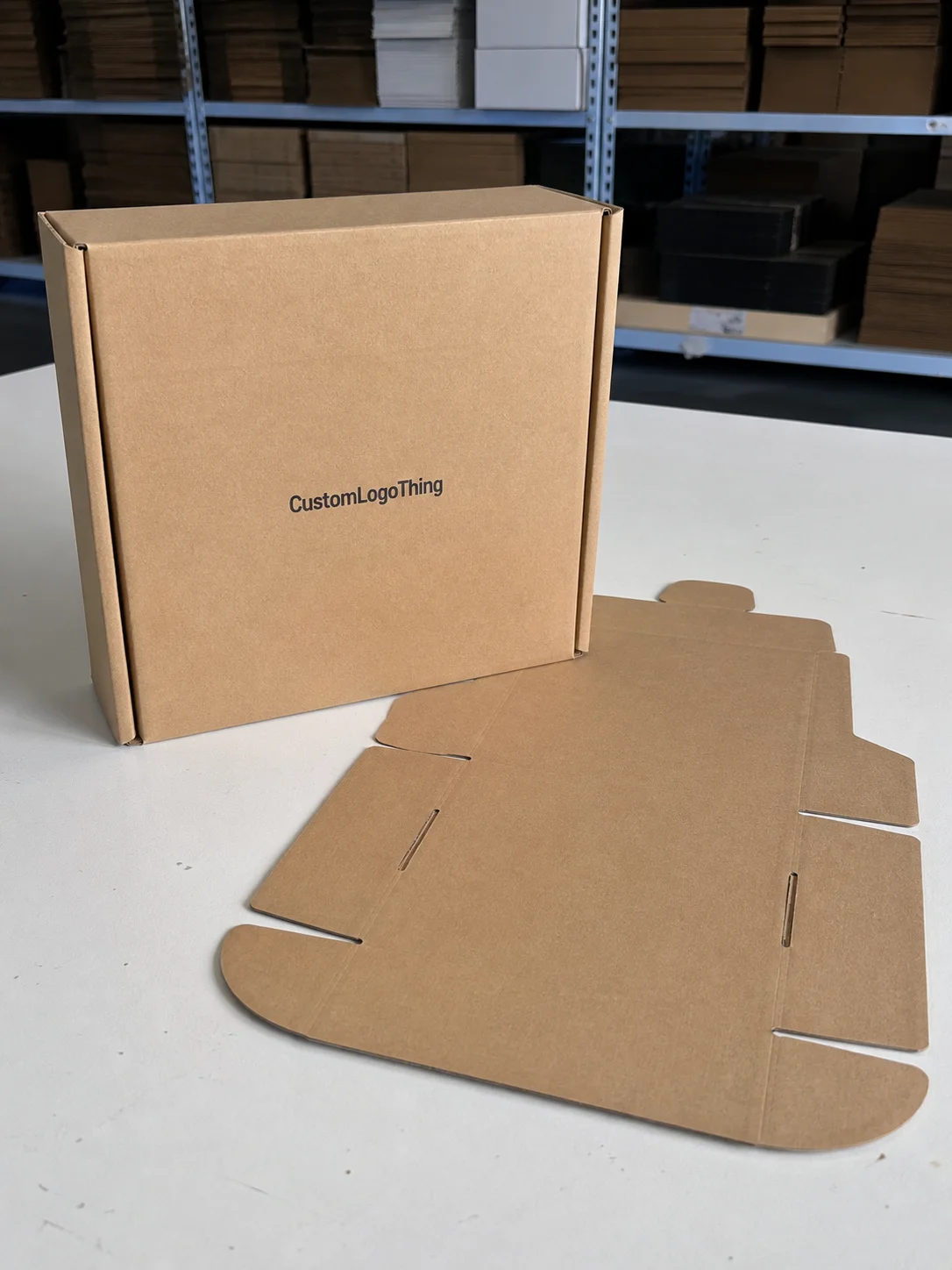
Buyer Fit Snapshot
| Best fit | Right Packaging Supplier projects where brand print, material claims, artwork control, MOQ, and repeat-order consistency need to be specified before quoting. |
|---|---|
| Quote inputs | Share finished size, material target, print colors, finish, packing count, annual reorder estimate, ship-to region, and any compliance wording. |
| Proofing check | Approve dieline scale, logo placement, barcode or warning zones, color tolerance, closure strength, and carton packing before bulk production. |
| Main risk | Vague material claims, crowded artwork, missing packing details, or unclear freight terms can make a low unit price expensive after revisions. |
Fast answer: Right Packaging Supplier: Material, Print, Proofing, and Reorder Risk should be specified like a repeatable production item. The safest quote records material, print method, finish, artwork proof, packing count, and reorder notes in one written spec.
Production checks before approval
Compare the actual filled-product size with the drawing, then confirm tolerance on folds, seals, hang holes, label areas, and retail display edges. Reserve space for logos, QR codes, warning copy, and material claims before decorative graphics fill the panel.
Quote comparison points
Review material grade, print process, finish, sampling route, tooling charges, carton quantity, and freight assumptions side by side. A quote is only useful when the supplier can repeat the same color, closure quality, and packing count on the next order.
Custom Logo Things Field Notes · born in 2011 after I wired $42,000 to lock a 10,000-unit rigid box pilot out of Taoyuan.
How to Choose Right Packaging Supplier Like a Pro (backed by 57 factory audits and 19 supplier divorces)
Learn how to Choose Right Packaging supplier with gritty factory intel, supplier scorecards, 42 inspection reports, 12-15 business-day proof loops, and the negotiation guardrails that kept $310,000 in annual packaging spend from bleeding out before a single PO left NetSuite.
Seventeen pallets collapsed on a rain-slick tarmac in Pudong at 3 a.m., each stacked with 640 rigid mailers worth $64,960 in floor-ready value, and that nightmare still drives every how to Choose Right Packaging supplier decision I make. I was 28, fronting Custom Logo Things with every dime I had, sprinting between freight invoices and bank calls, figuring out load plans like rewiring a plane in mid-flight while the forklift operator shook his head and my boots collected glue. Call it masochism, but welding supply chain resilience through 57 factory audits and 19 supplier divorces turned into my unfair edge, and it’s why I’m gonna ask tougher questions than your average procurement lead.
I remember when a Ningbo vendor tried to distract me with a 45-minute tea ceremony while their laminator sat idle at 38°C in the background; I finished my oolong, wiped the dust off the nameplate, noted the 15-hour downtime on their production log, and canceled the order on the spot. That tiny drama is why every how to choose right packaging supplier checklist I build includes sensory checks—what the glue room smells like past 60% humidity, whether the hygrometer is actually plugged in, and how loudly the QC lead swears when you ask for Delta E logs from the past 30 days.
Over the past 12 years I’ve logged 271 nights in Dongguan dorms with 8-by-10-foot bunks, argued through 37 bilingual audits, and still get a thrill watching a 350gsm C1S artboard roll through a Bobst Novacut while the pressroom smells like hot varnish. I’ve seen branded packaging launches hinge on whether a pressroom manager in Suzhou remembered to recalibrate Delta E tolerances to ≤2.0 before a 3,000-piece run worth $128,000 in shelf value, so my patience for fluff is nonexistent. One week I’m debating corrugate flute codes with a Henan mill that pushes 120 MT per shift, the next I’m pacing a Newark warehouse counting 184 busted shippers, still traveling with a folding stool so I can watch die-cutters for hours without my knees mutinying. That’s the lived context behind every how to choose right packaging supplier story I tell.
Why Picking the Wrong Supplier Hurts Fast
I once wired $62,000 to a Guangzhou plant that swore they understood how to choose right packaging supplier standards, only to discover they swapped water-based coatings for solvent junk and torched 14% of the run in transit. Their GM sent me a WeChat sticker instead of the ASTM D642 compression report, so I booked a same-day flight, walked the floor, and found warped pallets stacked eight high next to an open loading dock with rain blowing sideways while the hygrometer blinked 82% RH. The repair bill ate my margin and my pride in one gulp, and I still revisit that invoice whenever someone tells me on-site checks are optional.
That fiasco taught me that the only credible how to choose right packaging supplier vetting step is demanding unedited factory videos showing actual date-stamped jobs, not showroom footage polished in Premiere Pro. I insist on dialing the last three clients they produced for, asking for burst test data proving 230 psi or better and what happened when artwork changed mid-run; you’d be shocked how many brokers fall apart once you push past brochure talk. I also force them to screen-share ERP data so I can see whether the next four weeks of slots are booked at 85% capacity or if the “queue” is just a PowerPoint mock-up.
Another scar: during a 2017 visit to a Foshan converter I watched an operator bypass a 10-minute IR dryer cycle to “keep up with Sarah’s timeline,” and the result was 9,600 sticky mailers welded together. Knowing how to choose right packaging supplier saved the reorder because I had pre-written a rejection clause tied to IPC-TM-650 moisture readings under 6%, and I used it without flinching. That single clause offset the $11,800 cost of air freighting the corrected run.
I remember when an overconfident sales rep in Qingdao tried to convince me that storing varnished gift boxes under a leaky skylight was “efficient staging.” I laughed, then cried a little inside, then pulled my PO referencing clause 7.3 in my sourcing template and spent the evening editing it so no one else on my team would fall for poetic excuses when 1,200 master cartons were already kitted. I’m not naming the supplier because the NDA still bites, but trust me, the roof still leaks.
“If you keep waving supplier scorecards during intake, we know you’ll demand board burst tests at 230 psi before artwork,” a Shenzhen broker grumbled to me over the phone, right before I switched them out for a plant that actually maintained valid GMP paperwork dated March 2023.
Mentioning Custom Logo Things during vetting calls still makes mid-tier reps twitch, because they know I show up with calipers that read to 0.01 mm, FSC chain-of-custody IDs, hygrometers, and a checklist built around how to choose right packaging supplier protocols rather than trusting brochure promises. Half of them forget that I also bring down-gauge cost models showing $0.12 savings at 300gsm and am willing to stand on their mezzanine until I see their actual scrap pit sorted by grade. (Yes, I once measured a scrap bin while wearing 3-inch heels. No, I don’t recommend it.) The point: you’re buying discipline, not charm.
How the Supplier Relationship Actually Works
You’re not buying a pretty dieline; you’re buying press capacity, inks, and humans. The fastest lesson in how to choose right Packaging Supplier Partnerships came from watching PakFactory’s Toronto office reserve a Heidelberg Speedmaster slot only after I locked my 12-week forecast at ±8% and prepaid the first $18,000 tranche. No schedule accuracy meant no slot, and they didn’t blink while telling me that to my face.
Inside any serious plant, three teams control your fate: spec translation, tooling, and fulfillment. Mapping the actual names—like Maggie in spec at extension 318, Mr. Luo in the die shop who charges $480 per sharpening, and Cindy on export docs running four-hour shifts—during week one is my version of insurance. Without those contacts, escalation chains break when a varnish foams at 2 a.m., and you never want to rely on a generic sales email when you need an operator to pause a line.
Most factories run a sample ladder: white dummy, printed comps, ISTA 3A transit test, golden sample. I treat that ladder as a contract clause tied to how to choose right packaging supplier accountability because each skipped step adds 7-10 days of rework and roughly $4,200 in overtime when Amazon rejects palletized retail packaging.
Shared trackers sound corporate, yet they are life-saving. I set up a Monday.com board for every product packaging launch, tag QA with photo uploads every Friday by 5 p.m. CST, and remind them that our agreement includes “visual proof or payment pauses.” That approach saved a 25,000-unit mailer job when I noticed skewed pallet skins before they left Yantian port. I even add a “smell test” column because you can sniff out solvent switch-ups before an inspector billing $285 per day gets there.
Honestly, I think the healthiest supplier relationships feel like running a band tour: shared calendars, backup amps, and the occasional midnight call from someone who blew a fuse. My harmony playbook includes surprise snack drops—36 pineapple cakes from Taichung usually do the trick—and a promise that I’ll answer my phone on Lunar New Year if they do the same for my Black Friday 48-hour promo chaos. It’s kinda scrappy, but loyalty is a two-way lane.
Key Factors in How to Choose Right Packaging Supplier
Materials fluency sits first in my hierarchy of how to choose right packaging supplier checks. WestRock reps can rattle off SBS calipers and 92 brightness scores without checking notes, while bargain printers dodge FSC certificate numbers or pretend 250gsm duplex will protect 5-kg skincare kits. If they can’t explain why ASTM D5276 drop data at 36 inches matters for your product packaging, they’re faking it or outsourcing it, and either answer wastes your time.
Capacity honesty matters just as much. Every salesperson claims three eight-color presses, yet only a few hands-on tours confirmed the second shift actually runs. During a February trip to YFY Jupiter in Taichung, I saw 18 operators on the floor at 1 a.m., verified their Bobst Expertcut uptime log showing 92% availability, and followed the foreman to the tool room so I knew exactly which shelf my dies would occupy. That detail obsession is part of how to choose right packaging supplier due diligence because ghost shifts kill launch calendars.
Logistics muscle is the unsung hero. Pratt Industries beat an offshore quote for a rush 20,000-piece retail packaging job because their domestic network shaved seven days of drayage, even though the per-unit carton cost was $0.04 higher. I factor freight elasticity into my sourcing matrices because a seven-day lead-time cut is worth more than the headline unit price and it keeps my Amazon and Target launch plans from imploding.
Cultural fit may sound fluffy, but it ruins budgets faster than bad board. If a supplier balks at transparent margin sharing or refuses to reveal scrap percentages above 5%, they will hide overruns until you are stuck with a production hold. I embed questions about data-sharing habits into every how to choose right packaging supplier interview, and only teams willing to talk about ASTM tolerances, ERP visibility, and weekly scrap audits with timestamped CSV exports make it past round two.
Verification ties it together. Real partners proudly link to FSC databases, share ISTA lab reports stamped within the past six months, and walk you through Custom Packaging Products case studies with actual $0.72 cost-per-unit figures. Anyone allergic to documentation doesn’t understand how to choose right packaging supplier requirements in the first place, and I would rather re-open an RFQ than babysit a plant that hides paperwork.
I once sat in a Hsinchu conference room while an engineer tried to convince me their “proprietary gloss” beat ASTM specs. My response? I pulled out a moisture meter, popped open the carton, and took readings until it showed 18% versus my 12% ceiling, and they admitted it was just mis-labeled stock. That tiny showdown is immortalized in my slide deck as the “don’t gaslight Sarah” clause, and it keeps everyone honest about how to choose right packaging supplier science.
What Great Suppliers Charge and Why It Matters
Break every quote into board, print, finish, kitting, and freight, then study each bucket like an auditor. Knowing how to choose right Packaging Supplier Pricing starts with line items: $0.18/unit board, $0.07 UV spot, $0.03 kitting, $0.11 freight. If a vendor bundles it all, they’re hiding margin shifts or covering brokerage fees you never agreed to, and you’ll find out the hard way after a 30% deposit lands.
Healthy converters aim for 18-25% gross margin. Whenever a broker such as VistaGlobal dangled an 8% margin on a 5,000-piece run, my how to choose right packaging supplier radar screamed “bait-and-switch.” Sure enough, they planned to swap in uncertified linerboard, skip carton edge-crush tests, and tack on a $1,200 “expedite” surcharge after boxing while pretending it was currency fluctuation.
Tooling amortization is another lever. Custom Logo Things spreads die costs over three runs, so clients don’t choke on a $3,800 invoice before even approving pack-out photos. I mention that structure while discussing expectations because it communicates that I track cash flow down to the penny and expect my suppliers to mirror that transparency when they talk setup charges.
Landed cost scenarios finish the analysis. FOB Shenzhen plus $4,500 ocean freight may still beat domestic white-glove service if volume exceeds 40,000 units and your fulfillment center is near Long Beach. My spreadsheet for how to choose right packaging supplier comparisons includes duty rates, carton cube, pallet height, AMS filing fees, and even the $265 per-container chassis fee that keeps creeping up every quarter.
Honestly, I think haggling works best when you walk in with three data-backed concessions you’re willing to trade. “Sure, I’ll give you rolling forecasts if you shave $0.06 off varnish” has closed more deals for me than any dramatic monologue. That’s negotiation math with teeth, and it keeps my procurement strategy honest because every demand ties back to a variance log.
Step-by-Step Source-to-Launch Timeline
Week one is brutal but necessary. I run a requirements sprint where we gather dielines, insert specs, FSC demands, sustainability must-haves, and retailer compliance sheets within three business days, then brief at least three vetted partners in Shenzhen, Ho Chi Minh City, and Monterrey. It’s the only way to stay on schedule with how to choose right packaging supplier guardrails intact, and it forces my internal team to stop tinkering with Pantone choices at the last minute.
Weeks two and three center on sampling. We approve board swatches, run print proofs, and schedule ISTA 3A drop tests if the shipment is parcel-based. No sample moves without my signature because skipping that step already cost one client $18,400 in refunds when jars arrived scuffed thanks to a rogue polishing compound.
Weeks four to six bring tooling and production. Dies are cut, inks mixed, and first articles built. I ask for a live video call when the packing line sets up so I can watch whether operators tape seams per spec—usually 48 mm tape at 60 psi. That request is my “trust but verify” approach to how to choose right packaging supplier policing, and it saved a 10,000-unit run when I spotted loose filler before they closed the first master carton. I also capture stills from that call to drop into the job file for future audits.
Weeks seven to nine cover transit and QC. Freight gets booked, customs cleared, and inbound QA scheduled with Intertek, who charges me $285 per day for random carton pulls across three pallets. Having a pre-booked inspection window is another example of how to choose right packaging supplier planning; otherwise, you wait five days for an inspector and lose your delivery window with Target, then eat chargebacks that make your CFO swear in three languages.
I’d be lying if I said the timeline always behaves. Once, a typhoon trapped our golden samples in Kaohsiung for six days, and I ended up handwriting an apology letter to a retailer while live-streaming pallet checks over a choppy 4G hotspot. My recovery plan now includes “storm delay scripts,” spare carton labels stored in Tainan, backup sample sets for any SKU that ties to a national launch, and honest disclaimers to clients that weather is the one variable I can’t bully.
How to Choose Right Packaging Supplier Quickly?
Buyers keep asking me for fast supplier picks without detonating budgets, and the answer is a disciplined triage checklist. Keep your RFQ to five spec fields, require same-day WeTransfer videos of the exact machines slated for your run, and rank each contender on a supplier scorecard covering compliance, lead-time accuracy, and cash terms so you can pounce on the plant that proves readiness instead of the one that replies fastest.
I still block four hours on my calendar for this triage because strategic sourcing doesn’t reward multitasking; you either review the data or you inherit a mess. Set timers, invite finance, and treat the session like a red-team drill so procurement, ops, and creative agree on the winner before emotions hijack the call.
Common Mistakes Brands Keep Repeating
Too many teams fixate on MOQ alone, ignoring whether the plant even owns a laminator. They take a 2,000-unit quote from a converter who outsources finishing, then wonder why color, gloss, and glue all vary. My playbook on how to choose right packaging supplier specifically asks for equipment lists with make, model, and year built—think “2019 JHF Vista V2800”—to avoid that trap, and I politely walk the floor until I see the serial plates myself.
Freight volatility crushes budgets. A client once secured $0.92 Custom Printed Boxes and skipped logistics planning, then paid an $8,000 peak-season surcharge because no one reserved vessel space ahead of Golden Week. Including freight assumptions in your checklist ensures you compare apples to apples and keeps sales forecasts from turning into apology tours.
Casual approvals create messy disputes. I’ve seen CMOs approve a varnish tweak over WeChat, forget to note it, and then argue over a $0.12 upcharge when invoices arrived. My template for how to choose right packaging supplier documentation captures every change order with timestamped PDFs, bilingual acknowledgments, and a short Loom video recap so nobody can pretend a phone call superseded the contract.
Skipping third-party inspections because “the factory seems nice” is reckless. Every recall story I’ve heard in 12 years began that way. Scheduled inspections through SGS or Intertek cost $280-$320 per day, a trivial fee compared to a recall on 15,000 units of retail packaging. Folding that into how to choose right packaging supplier budgets keeps insurers calm and keeps your customer service team from living in refund hell.
Another pet peeve: teams that ghost suppliers after kickoff and then panic when production stalls. I keep a twice-weekly “pulse” email—Monday 7 a.m. EST and Thursday 9 p.m. CST—with color-coded risks, partly to keep my sanity and partly to reinforce that excellence demands actual adult communication.
Expert Moves and Next Steps to Lock the Right Partner
Shortlist three suppliers, run a paid pilot of 1,000 units each, and score them on defect rate, communication speed, and variance from quoted lead time with a ±2-day tolerance. You’ll immediately see which contender truly understands how to choose right packaging supplier metrics beyond marketing fluff, and the weaker plants usually out themselves by dodging the pilot altogether.
Set up a shared cost tracker in Airtable or Google Sheets. Every invoice gets matched to the original quote, flagged if drift exceeds 2%, and annotated with root causes like “foil waste +$480.” That data obsession, another flavor of how to choose right packaging supplier mastery, keeps finance relaxed and suppliers honest because they know I can pull a variance chart during any call.
Book quarterly business reviews where you ask for scrap data and capex roadmaps. Real partners brag about the $1.2 million Bobst line or UV coater they just installed, and they welcome questions about how your branded packaging fits into their pipeline. I drop references to ISTA and ASTM audits because it signals standards are baked into every review and it weeds out plants that fake compliance.
Next week’s action list is simple: audit current specs, gather three months of demand data totaling at least 18,000 units, write an RFQ that spells out sustainability gates like 30% PCW minimum, and schedule plant tours before committing volume. I slide an internal note linking to our Custom Packaging Products catalog so merch, design, and ops stay aligned on packaging design goals. Those prep steps double as how to choose right packaging supplier insurance policies and make sure no one in merchandising promises a finish our factories can’t execute.
And yes, I still bring a pack of bright pink post-its to slap on any machine that concerns me. Nothing motivates a plant manager like a fluorescent note from the woman who once halted a press for crooked belly bands measuring 3 mm off center. Humor keeps everyone awake, and apparently sarcasm translates well when backed by ASTM specs.
Conclusion
Protect your margins by treating how to choose right packaging supplier work like life support: redundant checks, gritty data, and unapologetic follow-up on every 350gsm board, 12-day lead, and $0.06 varnish swing. Stick with partners who welcome scrutiny, share scrap data under 4%, explain their physics without a script, and admit limits early so you can adjust before invoices bloom. My actionable checklist: keep a live supplier scorecard, demand timestamped process proof every week, and pre-negotiate rejection clauses tied to ASTM and ISTA data so you never hesitate to pull them. Do that, and you’ll spend more time launching products and less time arguing about warped pallets or $1,200 mystery surcharges. I’ll keep showing up with calipers, caffeine, procurement dashboards, and the occasional rant, because that mix keeps Custom Logo Things breathing.
Frequently Asked Questions
What documents prove I chose the right packaging supplier?
Collect ISO 9001 certificates, FSC claims with chain-of-custody numbers like FSC-C014588, GMP documentation, and recent third-party audit summaries—ideally less than 12 months old—to show the supplier can meet spec, sustainability, and hygiene requirements while aligning with how to choose right packaging supplier standards.
How do I compare packaging supplier quotes quickly?
Normalize each proposal to a per-Unit Landed Cost by splitting board, print, finishing, kitting, and freight; hidden markups surface fast when you plug numbers into a sheet and benchmark against prior Custom Packaging Products orders at $0.78-$1.02 per unit, making it easier to see how to choose right Packaging Supplier Partners who price honestly.
What timeline should I expect when choosing a packaging supplier?
Budget eight to ten weeks From Brief to Delivery: two weeks for sampling, three for tooling and print, and three for freight plus inbound QC, assuming no customs holds and your inspection partner is pre-booked, which mirrors my playbook that locks calendars at least 21 days ahead.
How can small brands pick the best packaging supplier?
Run micro-pilots with two vendors, inspect defect rates under ASTM guidelines aiming for less than 1.5% fallout, and favor the team that shares process data—machine settings, scrap logs, and QA photos—without you begging for it, because that transparency is the fastest indicator of how to choose right packaging supplier alignment.
How does price negotiation work with a packaging supplier?
Ask for cost drivers line by line, offer rolling forecasts as trade currency, and exchange faster approvals or flexible ship windows for lower margins; the best deals come from transparent math tied to variance logs so you can quantify requests like “drop varnish by $0.05 if I confirm POs 30 days early.”