Jewelry unstructured dad hats Bulk Order Planning looks simple until the order has to land before a showroom reset, holiday promotion, or event launch. Unstructured caps are popular because they pack flatter, wear more casually, and usually cost less to store than structured styles. That makes them practical for jewelry teams that already manage boxes, pouches, cards, and shipping materials.
For a jewelry brand, the hat is rarely a standalone item. It may serve as staff wear, a retail add-on, an influencer kit piece, or a packaging accessory. That changes the buying logic. Quantity, logo scale, Color Control, and Delivery date often matter more than the catalog name or style code.
The strongest orders start with a clear spec and a realistic timeline. The weakest ones start with a loose idea and end in rushed proofing. Buyers who know where the cost and timing risks sit usually protect margin and avoid delays.
Bulk Order Planning for Jewelry Unstructured Dad Hats
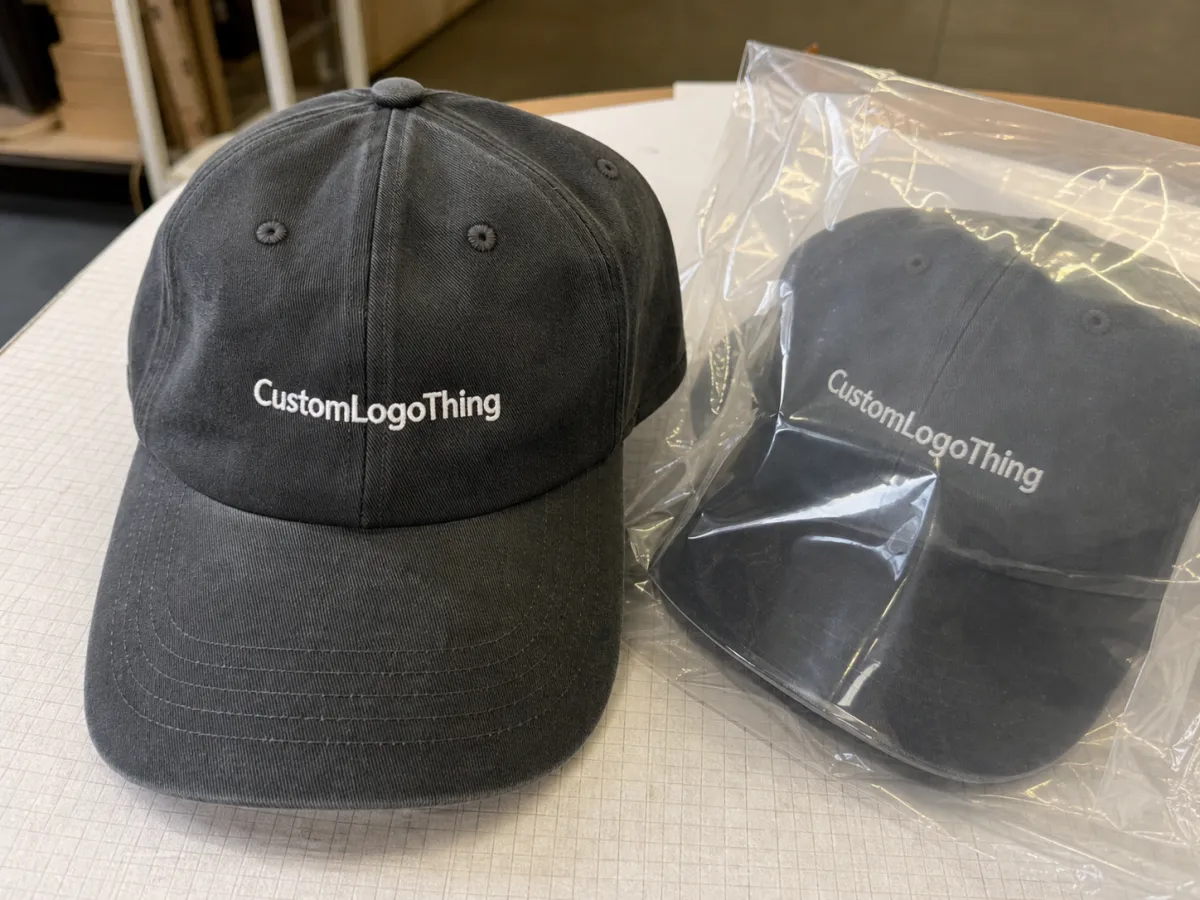
An unstructured dad hat uses a soft front panel instead of a stiff internal frame. The front collapses more naturally, which creates a relaxed profile and makes the cap easier to pack. For jewelry operations, that flatter stack is useful when hats ship alongside boxed inventory or mixed retail orders.
The use case should guide the buy. Staff uniforms need repeatability. Influencer kits need a polished look in photos. Seasonal gifting needs a product that adds value without slowing packout. Retail add-ons need broad fit appeal and a presentation that matches the rest of the assortment.
That is why Bulk Order Planning is more about production reality than style preference. A 1,000-piece run with one embroidery location is not the same as a 4,000-piece order split across three colors, a woven patch, and custom inserts. Decoration, packaging, freight, and the launch date all affect the quote.
- Quantity: Higher volume can lower unit cost if the spec stays fixed.
- Color count: More colors usually mean more sourcing steps and a higher minimum.
- Decoration: Embroidery, patchwork, and print behave differently on a soft front panel.
- Delivery date: A fixed launch can trigger rush pricing if the timeline is tight.
From the buyer side, the real question is not whether the hat looks good on screen. It is whether the order can be approved, produced, and delivered without surprises.
Construction Choices That Change Fit and Finish
Front-panel construction is where many buyers underestimate sample differences. Unstructured caps do not rely on buckram or heavy support, so the crown drapes more loosely. That gives the hat a casual shape, but it also means stitch quality, patch weight, and packing method show up more clearly.
Fabric choice affects feel, color depth, and wear. Cotton twill is common because it is durable and cost-effective. Washed cotton has a broken-in character that fits lifestyle branding. Brushed chino reads cleaner under embroidery. Garment-dyed fabric creates a muted, premium tone, but buyers should expect more shade variation than with standard stock colors.
| Option | Typical Feel | Best Use Case | Common Unit Cost Impact |
|---|---|---|---|
| Cotton twill + flat embroidery | Classic, durable | Staff uniforms, repeat orders | Lowest to moderate |
| Washed cotton + patch | Soft, casual | Influencer kits, lifestyle merch | Moderate |
| Brushed chino + woven label | Smooth, refined | Retail add-ons, premium gifting | Moderate to higher |
| Garment-dyed + custom packaging | Muted, premium | Seasonal launches, curated sets | Higher |
Closure style affects both appearance and perceived value. A self-fabric strap with a metal buckle feels more tailored. A metal slide can look more finished. Snapbacks still work, but they often read more promotional than premium. Closure choice will not make or break the order, but it can change how the cap sits beside the rest of the brand assortment.
Decoration should follow the artwork. Embroidery is durable and usually the safest for repeat wear. Patches add texture and can help when a soft front panel limits stitch detail. Woven labels work well for small logos. Print can be efficient, but large or detailed art may distort if it spreads too wide across the crown.
Small details matter more than they seem to in a sample photo. Brim curve changes the silhouette. Eyelet placement affects ventilation and balance. Sweatband quality affects comfort. Stitch density affects how the logo reads from a few feet away, which is the distance that matters on a sales floor or at an event.
Spec Sheet Details Buyers Should Confirm Before Ordering
The fastest way to slow down a bulk cap order is to approve a quote before the spec sheet is locked. Product photos are useful for direction, but they do not replace a real spec. A clear spec sheet removes guesswork and keeps the buyer from making decisions by assumption.
Buyers should confirm crown height, panel count, brim style, closure range, and fit tolerance. These details sound technical until a cap arrives that fits one head size well and sits awkwardly on another. For programs that mix staff wear with customer gifting, fit range is a core quality issue.
Decoration placement deserves close review on soft-front caps. A centered logo that looks balanced in a digital proof may sit too high or too low once the front panel relaxes. Large stacked art often needs simplification. Fine text and thin lines may disappear after stitching or patch cutting.
Color standards should be explicit. Pantone references help with thread matching and consistency. Fabric dye expectations should be discussed early, especially if the order uses garment-dyed fabric or multiple cap colors. If trim, patch border, or thread matching matters, write it down.
A solid spec sheet does not just describe the hat. It freezes the decisions that protect margin, timing, and brand consistency.
Review the sample as a real object, not a formality. Check shape, logo scale, thread tension, symmetry, and fabric hand. If the supplier offers a pre-production sample, use it as the control point before the full run starts.
- Measurements: Crown height, panel count, brim style, closure range, and fit tolerance.
- Artwork: Final vector files and simplified versions if the logo is too detailed.
- Color: Pantone targets, thread notes, and fabric shade expectations.
- Approval: Digital proof, physical sample, or both, depending on risk.
If the order includes branded boxes, inserts, or hang tags, those components need the same discipline. Paper stock, finish, and transit packaging should match the actual shipment profile, especially when hats ship with jewelry pieces that are more sensitive than the cap itself.
Pricing, MOQ, and Unit Cost Breakpoints
Cap pricing is driven by more than the blank hat. Quantity tier, decoration method, patch complexity, packaging, and freight all affect the final number. Buyers comparing one line item are usually comparing incomplete bids. The lowest quote may leave out digitizing, artwork cleanup, packaging labor, or freight assumptions that appear later.
For planning, many branded unstructured dad hat runs land around $3.10 to $6.80 per unit before freight. Simpler embroidery at higher volumes sits toward the low end. A garment-dyed cap with a custom patch, insert card, and retail-ready packing moves higher. The useful question is whether every quote uses the same assumptions.
| Quote Factor | What It Changes | Why Buyers Should Ask |
|---|---|---|
| MOQ | Minimum order size | Can change by cap color and decoration style |
| Setup | Digitizing, patch tooling, proofs | May add a fixed cost before production starts |
| Packaging | Polybag, insert card, custom box | Retail presentation can add labor and materials |
| Freight | Transit method and destination count | Split shipments often raise landed cost |
MOQ should be treated as vendor-specific, not universal. A simple one-color embroidery order may allow a lower threshold than a multi-color patch order. Some cap colors are stocked more deeply than others, so the color itself can affect the minimum.
Common cost traps are predictable. Last-minute art changes can trigger a new digitizing fee or new patch tooling. A color swap can affect fabric availability. Split shipments can turn one clean freight move into two expensive ones. Upgraded packaging often looks minor on paper and large in practice.
Brands comparing sourcing options can save time by standardizing the request format before they send quotes. If the project sits inside a wider rollout, the Wholesale Programs page is the right place to confirm the order structure first. If a term or production constraint is unclear, the FAQ helps keep the comparison anchored in the same rules.
Process and Timeline From Artwork Approval to Delivery
The order flow should be predictable enough to map on a calendar: brief, artwork submission, digital proof, sample or pre-production approval, production, quality check, packing, and shipment. If a supplier cannot show that sequence clearly, the buyer takes on extra risk before production even begins.
Lead time is usually lost in revision cycles, not in sewing. Artwork changes, thread matching, and final sign-off can each add days. A logo that looks fine at full size may need simplification once it is reduced for a front panel. If both cap color and decoration are custom, expect more back-and-forth than a stock blank with a standard mark.
For a straightforward run, about 12 to 15 business days after proof approval is a realistic baseline. More complex orders can run longer. Sampling adds time when the artwork is new. Seasonal launches and event dates deserve buffer time because freight rarely behaves like a fixed variable.
The best scheduling rule is simple: lock the art files and quantities early. Once those are fixed, the supplier can quote accurately and move the order without reopening the spec. That usually protects more margin than shaving a small amount off the unit price.
- Fastest path: Final vector art, one decoration method, one shipping destination.
- Slower path: Multiple cap colors, custom labels, and split delivery points.
- Risk buffer: Add extra days for revisions and freight variability.
- Best practice: Approve the sample before the full run starts.
If packaging is being tested with the hats, confirm that the carton spec and drop expectations match the shipment profile. That matters more when the order includes jewelry cards, gift boxes, or delicate inserts. The cap can survive a rougher journey; the rest of the kit may not.
What a Reliable Cap Supplier Should Offer Jewelry Brands
A good cap supplier does more than quote a blank. It reduces uncertainty. Fast responses matter because delayed answers hold up artwork approval. Clear proofs matter because buyers need to see logo scale, placement, and thread count before they commit. Straightforward communication matters because a small spec change can alter cost or timing quickly.
There is a real difference between a vendor that only sells caps and one that understands branded merchandise. Jewelry brands care about presentation, packaging, and reorder consistency. A supplier that can speak clearly about repeat runs, saved specs, and packaging choices makes future orders easier to manage.
Inventory depth matters too. If a style performs well, the brand may reorder it for staff, events, and seasonal promotions. If the style is unavailable or the fabric lot shifts too much, the reorder becomes messy. Buyers should ask how repeatability is handled, especially for programs that may continue across several drops.
Quality-control signals are usually visible: sample consistency, stable stitching, repeatable color, and written documentation of the approved spec. Support features matter as well: artwork guidance, packaging options, reorder tracking, and clear production updates. Those are the controls that keep bulk planning from turning into avoidable problems.
The strongest supplier relationship is the one that reduces uncertainty before production, not after the shipment is already late.
One practical test is the quality of the answers. If the supplier explains the impact of closure style, decoration area, or packaging choice in plain language, that is a positive sign. If the quote arrives with little context or too many assumptions left unstated, the buyer should ask for a fuller breakdown.
For teams comparing options, keep the same checklist across every conversation. That makes the comparison clean and keeps emotion out of the purchase. A hat order should feel controlled and measurable, not improvised.
Next Steps Before You Request Quotes and Place Orders
Before sending quote requests, gather quantities by color, confirm decoration placement, and organize the logo files in vector format. If the artwork is intricate, prepare a simplified version too. Clean inputs usually produce cleaner quotes.
Decide the non-negotiables first: target price, minimum acceptable quality, lead time, packaging, and any retail or gifting requirement. Those priorities should be clear before the first quote comes back. Otherwise the team ends up debating side issues while the launch window shrinks.
If the order has a tight date or a premium presentation requirement, request at least one sample or proof. That step is inexpensive insurance. It can reveal logo size issues, stitch tension problems, or a closure that feels too casual for the brand position.
- Pre-order checklist: Final art files, Pantone references, quantities by color, shipping address, carton count, and approval contacts.
- Production checklist: Sample approval, packaging instructions, and a backup contact for sign-off.
- Reorder checklist: Approved spec sheet, saved artwork, and prior shipment details.
For jewelry teams, the order works best when decisions are locked before production starts. That is the core of bulk planning: not just selecting a comfortable cap, but controlling the variables that affect cost, timing, and presentation.
What quantity usually counts as a bulk order?
Most suppliers define bulk by their MOQ, and that number often changes with decoration method, cap color, and whether the hat is stock or custom. For planning, ask for tiered pricing at the exact volume you expect to launch with or reorder at, not a generic threshold.
What artwork files are best for unstructured dad hats bulk order planning?
Vector files such as AI, EPS, or SVG usually produce the cleanest embroidery or patch results. If the logo is intricate, ask for a simplified version so small front-panel decoration keeps its shape and does not blur at production size.
How can jewelry brands reduce unit cost without hurting quality?
Use one decoration method, limit color changes, and avoid split shipping whenever possible. Bigger runs usually lower unit cost, but only if the artwork and specs stay consistent across the full order. A low quote that depends on constant revisions is not a real saving.
How long does a bulk order of unstructured dad hats usually take?
Timeline depends on artwork approval, sampling, production queue, and freight method. A straightforward order can often move in about 12 to 15 business days after proof approval, but buyers should add buffer time for revisions, especially if the order is tied to a store launch or event date.
Can one bulk order mix colors or decoration placements?
Yes, but mixed colors and mixed placements can raise setup complexity and may change pricing or MOQ assumptions. The cleanest approach is to confirm exactly which variations are allowed before the quote is approved, so the vendor can price the order on the real scope.

