Jewelry Ribbed Winter Beanies Bulk Order Planning Checklist
Jewelry Ribbed Winter Beanies Bulk Order planning comes down to a few practical decisions: fabric, cuff height, decoration method, MOQ, lead time, and inspection. Small spec changes can affect fit and logo space at the same time, so the buyer should treat the beanie as a production item rather than a generic winter accessory. The goal is to choose a style that looks clean, ships well, and holds up after repeated wear.
For jewelry brands, accessory buyers, and merchandising teams, the most useful question is not “what looks nice?” It is “what will still look right after folding, packing, shipping, and daily use?” A ribbed beanie works when it balances warmth, structure, and branding area without forcing the decoration to fight the knit.
That is why the order should start with use case. Staff uniforms, holiday gifts, retail programs, and resale all need different spec priorities. A simple embroidery program can stay lean on cost, while a retail-ready version may justify a heavier handfeel, more polished packaging, or a stronger decoration treatment.
The best bulk orders usually begin with one question: can the hat still look intentional after it has been folded, packed, shipped, opened, and worn?
Jewelry Ribbed Winter Beanies Bulk Order Planning That Sells Through
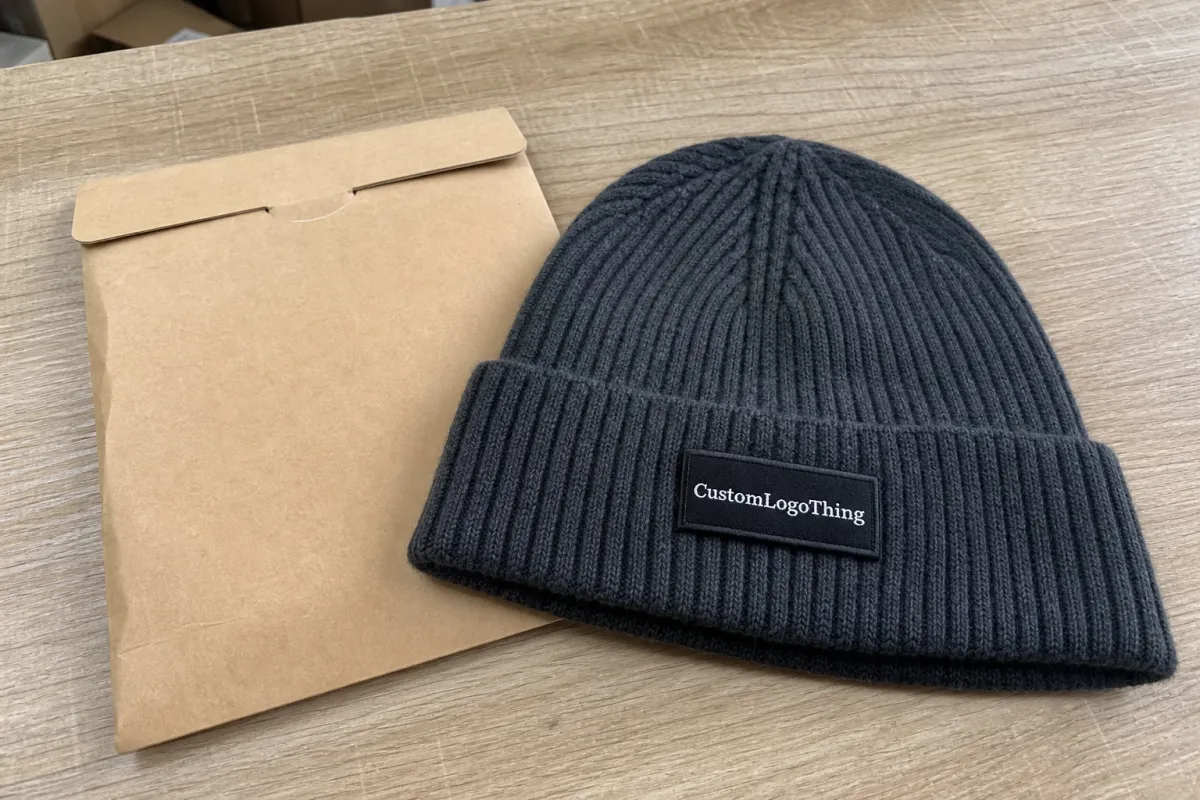
Ribbed Winter Beanies sell well because they sit between casual and branded. The cuff gives the buyer a clear decoration zone, while the knit still feels practical and easy to wear. A tighter rib usually reads cleaner on shelf and handles logo placement better than a loose knit, especially when the aim is a neat retail or uniform presentation.
They also pack efficiently. Ribbed beanies compress well in cartons and recover better than softer constructions, which helps when orders move to multiple locations or need to arrive ready for distribution. If the knit loses shape in transit, the perceived quality drops fast even if the materials are acceptable.
One style rarely fits every channel. A lower-cost acrylic version may work for internal use, while a thicker acrylic-wool blend may suit retail. The decoration choice matters just as much. A small embroidered mark keeps cost controlled. A patch or woven label can raise the perceived value, but it also adds setup, lead time, and another approval point.
Before quoting, buyers should lock three basics:
- Warmth target: light winter accessory, midweight retail item, or heavier cold-weather wear.
- Brand visibility: subtle logo, everyday uniform branding, or a stronger retail mark.
- Land cost ceiling: the all-in number after decoration, packaging, and freight.
Those answers keep the spec grounded and prevent the common mistake of approving a premium decoration method that no longer fits the margin model.
Fabric, Rib Density, and Cuff Height That Affect Decoration
Fabric choice affects cost, feel, and decoration behavior. Acrylic remains the most common option because it is cost-effective, dyes consistently, and scales predictably. Acrylic-wool blends usually feel warmer and heavier, and that extra body can help the cuff hold a cleaner shape. Recycled polyester can support a sustainability story, but the buyer should verify softness and stretch with a physical sample rather than relying on a material claim.
Rib density matters almost as much as fiber content. Tighter ribbing gives the surface more stability, which helps embroidery sit cleanly without distorting as the hat stretches. Looser ribbing can feel softer, but it moves more under decoration and is less forgiving for larger embroidered areas.
Cuff height should be checked before artwork is approved. Taller cuffs create more room for decoration and make the logo easier to see whether the brim is folded once or twice. Short cuffs shrink the usable zone quickly and can make the mark feel crowded. The decoration area, not the mockup, should set the artwork size.
Optional features should earn their cost. Fleece lining can help in colder regions but changes fit and price. Poms add seasonal appeal, though they increase bulk in cartons. Retail labels and hangtags are useful when the beanie is sold as a finished item; they add less value in a purely functional program.
For a quick buying comparison, this table usually clarifies the tradeoffs better than a long quote thread:
| Build option | Typical MOQ | Typical unit cost | Best fit | Main tradeoff |
|---|---|---|---|---|
| Stock acrylic beanie with 1-color embroidery | 100-300 pieces | $2.40-$4.20 | Staff use, giveaways, basic retail | Lower premium feel |
| Acrylic-wool blend with embroidery or patch | 300-500 pieces | $3.90-$6.80 | Mid-tier resale and colder climates | Higher material cost |
| Custom-dyed rib knit with woven label and retail packaging | 500-1,000 pieces | $5.80-$9.50 | Premium retail and branded launches | Longer lead time and higher setup |
These are starting points, not guarantees, but they help a buyer judge whether the direction makes sense before spending time on a sample round that was never going to fit the budget.
Size Specs, Stitch Count, and Color Control for Bulk Runs
Fit is one of the easiest places for a beanie program to drift. The main measurements are relaxed circumference, stretch range, body depth, cuff height, and fold depth. A standard adult ribbed beanie often starts around 19 to 21 inches relaxed, but yarn choice, tension, and cuff structure change the actual feel. Too tight feels restrictive. Too loose loses the crisp shape buyers usually want.
Stitch count and knit tension affect weight, drape, and durability. Two samples can carry the same logo and still feel completely different in hand. One may recover well after stretching, while another sags after wear. That is why buyers should ask for sample weight, gauge, and construction notes instead of judging by appearance alone.
Color control deserves early attention. Yarn matching is not the same as printing, and PMS references only guide the target. Mills work within practical dye limits and material-specific variation. Lab dips, strike-offs, or approved swatches should happen before bulk starts. Even a navy can shift under store lighting, and heather blends can vary more when the fiber ratio changes.
Logo placement needs a physical check too. The mark should sit far enough from the side seam to avoid distortion and far enough above the fold to stay visible when the cuff is worn down. If a woven label or patch is part of the spec, confirm whether it belongs on center front, the cuff edge, or the side before the first proof is approved.
For larger orders, lot tracking matters. If the program includes several colors or delivery groups, carton labeling should be clear enough that receiving teams can sort without opening every box. Small packing mistakes become bigger problems when the order arrives at multiple destinations.
Shipment testing is also practical. The ISTA standards help define how a packed product should handle transit stress without flattening the cuff or tearing packaging. If hangtags or cartons need forestry compliance, FSC certification should be checked early rather than after artwork is already approved.
Pricing, MOQ, and Quote Drivers Buyers Should Compare
The best quote shows what is actually inside the number. Yarn choice, knit complexity, decoration method, packaging, and color count all move cost. So does whether the order uses stock materials or custom-dyed components. A buyer comparing only the headline unit price can miss the real difference between two offers, especially if freight, setup, or packaging is handled differently.
MOQ usually rises as the build becomes more custom. A stock beanie with simple embroidery can support a lower minimum because the supplier is not sourcing special yarn or building a unique knit program. Add woven labels, special trim, custom color matching, or retail packaging, and the order often needs a larger commitment to cover setup and sourcing.
Good quote comparisons usually include five things:
- Unit price: base cost per finished beanie at the target quantity.
- Setup charges: digitizing, patch tooling, label development, or packaging setup.
- Sample fees: the cost of physical approvals and whether they credit back later.
- Freight basis: EXW, FOB, or delivered pricing, plus duty assumptions.
- Carton format: bulk packed, polybagged, size-assorted, or retail-ready.
Tiered pricing is useful in winter programs. A 500-piece quote, a 1,000-piece quote, and a 2,500-piece quote usually show where the savings begin. Sometimes the jump from 500 to 1,000 is modest enough to justify extra stock. Other times the curve is flatter, which tells the buyer not to chase a discount that barely changes the landed cost.
| Quote element | Why it matters | What to ask |
|---|---|---|
| Setup charges | Can change the true first-order cost | Is setup one-time, and does volume reduce it? |
| Sample fees | Shows how much approval costs before bulk | Are sample charges refundable on approval? |
| Freight basis | Affects landed cost more than many buyers expect | Is the quote EXW, FOB, or delivered? |
| Packaging | Can shift shelf appeal and carton efficiency | Are pieces bulk packed or retail packed? |
If the buying team is still shaping a wholesale assortment, the Wholesale Programs page can help frame which bulk structures are usually easiest to scale before the final request for quote goes out.
Production Steps, Lead Time, and Approval Gates
A clean production schedule starts with artwork review and spec confirmation. After that come sampling, bulk knitting, decoration, inspection, packing, and shipment. Lead time grows when buyers add custom yarn sourcing, switch decoration methods, or request extra sample rounds. Late packaging edits can add days on their own if cartons or inserts need to be reprinted.
Lead time depends on the build. A stock beanie with simple embroidery may move in about 12 to 15 business days after approval. A more custom program with special labels, custom colors, or retail packaging often needs 20 to 35 business days, and sometimes longer if yarn must be sourced separately. What matters is whether the supplier can show where the time goes.
The usual approval gates are:
- Digital mockup signoff: confirms logo placement, thread color, and scale.
- Sample review: checks handfeel, stretch, and decoration accuracy.
- Color approval: locks yarn or trim references before bulk begins.
- Pre-production confirmation: final check on quantity, packaging, and ship-to details.
Buyers can shorten delays by sending vector logo files, quantity by color, packaging instructions, and the delivery window together. If the sales team already promised a ship week, the purchase order should reflect that same window rather than a loose estimate that still needs internal approval.
Change control matters. If the proof is approved and the quantity changes later, yarn usage, carton counts, and decoration runs may need to be recalculated. Even a small revision can ripple through the schedule, and the more custom the order, the more expensive late changes become.
For shipping-sensitive programs, ask whether carton testing or parcel testing is part of the process. Standards from organizations like ISTA help define how a packed product should handle transit stress, especially when the beanie is sold as a retail-ready set rather than loose bulk inventory.
What a Reliable Beanie Supplier Should Document
Documentation is where supplier quality becomes visible. A reliable partner should provide a spec sheet, decoration placement notes, color references, packaging instructions, and a written summary of every approved change. If a buyer needs to compare the first proof against the final sample, the paper trail should make that easy.
Photos and clear proofs matter because cuff decoration behaves differently on ribbed knit than on a smooth surface. A logo that looks centered in a mockup can sit slightly off once the fabric stretches. That is easier to catch in a proper proof than in a rushed receiving inspection. If the color standard is strict, the supplier should compare approved swatches or prior samples instead of guessing at a close match.
Process control shows up in small but important ways. Lot tracking helps isolate a color if one run needs review. Final inspection catches placement errors before cartons are sealed. Count verification reduces the chance that a buying team opens the shipment and finds a shortage only after distribution has started.
The strongest suppliers also explain tradeoffs plainly. If the budget is tight, they should say which parts of the build need to be simplified. If the buyer wants a sharper retail finish, they should explain what that means for MOQ, lead time, and unit cost. That is more useful than polished language and a fast promise.
When the order passes through multiple approvals, the documentation should be boring in the best sense: clear, repeatable, and easy to audit. That is what protects the timeline and keeps the program from slipping into avoidable confusion halfway through production.
Next Steps Before You Release a Purchase Order
Before the purchase order is released, group the order by color, size, and destination so the quote reflects the real build rather than a rough total. Send the logo file, placement target, packaging preference, and delivery window together. A complete request usually shortens the review cycle because the supplier does not have to chase missing details in the middle of quoting.
Ask for the sample or mockup review first, then confirm unit price, MOQ, and Lead Time before budget is committed. If the order includes multiple colors, confirm whether each one carries its own setup or dye-lot requirement. If retail packaging is part of the spec, ask whether it changes carton count, freight method, or label application.
A final approval note should restate the artwork, quantity, finish, packaging, and ship date in plain language. That note is not paperwork for its own sake. It is the cleanest way to protect the order from avoidable drift after signoff.
FAQ
What is the usual MOQ for jewelry ribbed winter beanies?
MOQ depends on yarn color, decoration method, and whether the order uses stocked materials or custom-dyed components. Simple embroidery on a stocked beanie usually supports a lower minimum than woven labels, special trims, or a fully custom knit.
Which decoration method works best on a ribbed cuff?
Flat embroidery is often the most practical option because it reads clearly on the cuff and handles stretch better than heavier applications. Woven labels and patches can also work, but they need enough cuff height and enough space to stay visible after folding.
How long does bulk production usually take after approval?
Lead time depends on whether the beanie is stock-based or fully custom, and on how many approval rounds happen before production starts. Simple orders can move in about 12 to 15 business days after approval, while custom programs often need 20 to 35 business days or more.
What should I confirm before requesting a quote for jewelry winter beanies?
Confirm quantity, color count, logo placement, decoration method, packaging requirements, and the target delivery window. Include ship-to location too, since freight assumptions can change the final landed cost.
Can I mix colors or sizes in one jewelry ribbed winter beanies bulk order?
Mixing colors is often possible, but it can affect MOQ and unit price because each color may carry its own setup or dye-lot requirement. Size mixing is usually less of an issue for standard beanies, though it still helps to confirm packaging and assortment instructions before production.