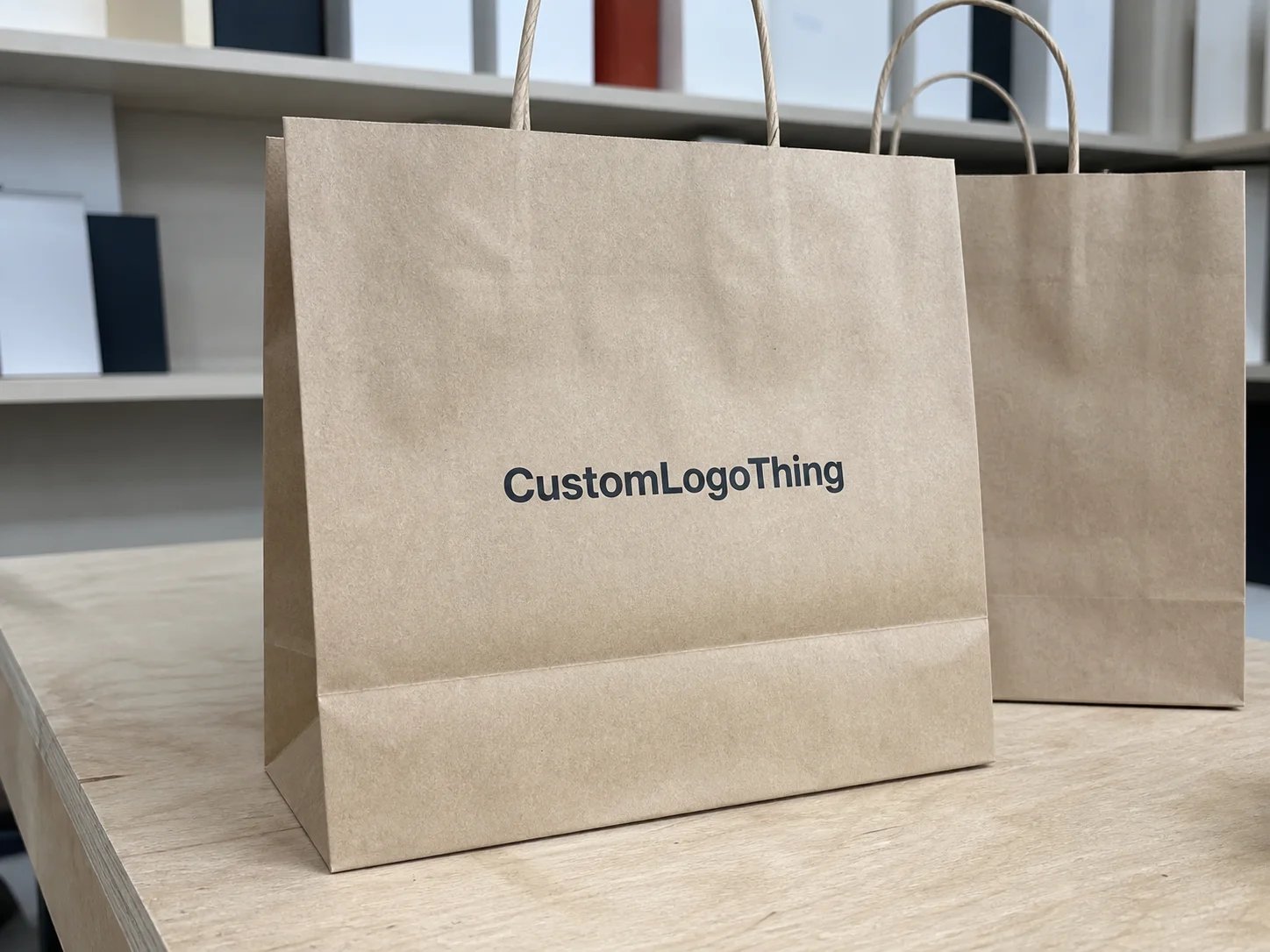
Buyer Fit Snapshot
| Best fit | Lamination Finishes for Retail Boxes projects where brand print, material claims, artwork control, MOQ, and repeat-order consistency need to be specified before quoting. |
|---|---|
| Quote inputs | Share finished size, material target, print colors, finish, packing count, annual reorder estimate, ship-to region, and any compliance wording. |
| Proofing check | Approve dieline scale, logo placement, barcode or warning zones, color tolerance, closure strength, and carton packing before bulk production. |
| Main risk | Vague material claims, crowded artwork, missing packing details, or unclear freight terms can make a low unit price expensive after revisions. |
Fast answer: Lamination Finishes for Retail Boxes: Board, Finish, Dieline, and Unit Cost should be specified like a repeatable production item. The safest quote records material, print method, finish, artwork proof, packing count, and reorder notes in one written spec.
Production checks before approval
Compare the actual filled-product size with the drawing, then confirm tolerance on folds, seals, hang holes, label areas, and retail display edges. Reserve space for logos, QR codes, warning copy, and material claims before decorative graphics fill the panel.
Quote comparison points
Review material grade, print process, finish, sampling route, tooling charges, carton quantity, and freight assumptions side by side. A quote is only useful when the supplier can repeat the same color, closure quality, and packing count on the next order.
Two retail boxes can leave the same press, carry the same logo, and still feel like entirely different brands once the light moves across them. That is why lamination finishes for retail boxes often shape the first impression faster than the artwork itself. A finish can sharpen color, soften glare, change texture, and alter how a customer reads value in just a couple of seconds.
At its simplest, lamination is a thin protective film bonded to the printed surface of the carton. The practical effect runs deeper than many teams expect. lamination finishes for retail boxes influence gloss, matte depth, scuff resistance, fingerprint visibility, and even the way black ink sits beside white space. The result is both a branding choice and a production choice.
That is the part people miss. They treat lamination as a cosmetic extra, then wonder why a box that looked elegant on screen feels too shiny, too flat, or too slick in hand. A better way to judge lamination finishes for retail boxes is against the product story, the shelf environment, the shipping path, and the budget the business can actually sustain.
Below, I will break down the main finish families buyers usually compare: gloss, matte, soft-touch, anti-scratch, and hybrid combinations with spot UV, foil stamping, or embossing. The right choice is rarely about finding the prettiest sample. It is about matching finish behavior to how the box will live in the real world.
Lamination Finishes for Retail Boxes: Why They Matter
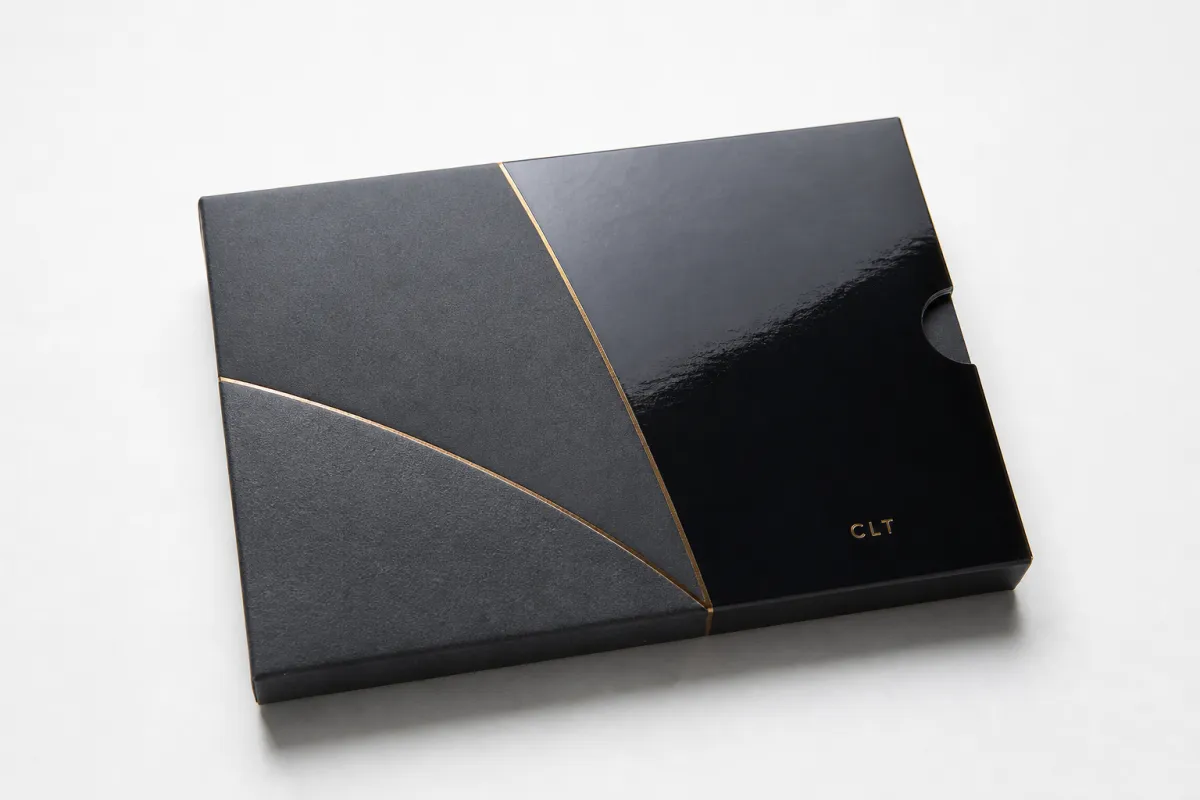
The shelf is a harsh test. Bright LEDs can make a gloss finish pop, flatten weak artwork, or expose every inconsistency in a dark solid. A matte film, by contrast, can quiet the same layout and make typography feel more deliberate. That is why lamination finishes for retail boxes are not a side note; they are part of the sales signal.
Think about what the customer actually sees. Most shoppers do not study a carton under perfect studio lighting. They see it beneath store fixtures, through a window display, or in a stack near a checkout lane. Those conditions change how a finish behaves. lamination finishes for retail boxes can deepen photography, help color blocks keep their contrast, and keep the box from reading as thin or flimsy once it is handled.
There is also a tactile layer. A soft-touch film creates a velvet-like feel that often suggests premium cosmetics, electronics accessories, or giftable products. A gloss film feels more energetic and usually reads as cleaner or louder. Matte sits between those poles, usually calmer and less reflective. Buyers comparing lamination finishes for retail boxes should ask one question first: what emotional response should the surface create before the box is even opened?
A buyer can forgive a simpler design. They are much less forgiving when a box scuffs in transit, fingerprints under store lights, or looks dull beside a competitor that chose the better finish.
From a packaging production point of view, the finish also affects risk. Some cartons need a barrier against abrasion because they travel through distribution, sit in secondary packs, and get touched repeatedly on shelf. Others need a visual lift more than physical protection. That is why experienced teams compare lamination finishes for retail boxes against handling conditions, not just mood boards.
If your team is building a packaging program from scratch, it helps to compare options alongside other structural and decorative choices in Custom Packaging Products. Lamination rarely works alone. It usually sits in the same decision set as die cutting, foil stamping, embossing, and coating selection.
How Lamination Finishes for Retail Boxes Work
The process is simple enough to explain, but the sequence matters. First, the artwork is printed onto the chosen board. Then the lamination film is selected based on the look and performance target. Adhesive or thermal bonding is applied, the film is pressed onto the sheet, and the laminated sheet is cured or stabilized before die cutting, creasing, folding, and final packing. If any of those steps are rushed, the finish can show defects later.
Most folding cartons use BOPP or OPP film, and some specialty programs call for polyester-based films or anti-scratch variants. The exact material depends on the press room, the board, and the finishing line, so there is no one-size-fits-all answer here. A supplier who knows the setup can usually tell you pretty quickly whether a given film is going to run cleanly or cause headaches.
Film lamination is different from a varnish-style surface treatment. Varnish or UV coating sits more like a liquid layer on top of the print surface, while lamination adds a separate film. That film is usually why laminated cartons feel more substantial and more resistant to scuffing. In practical terms, lamination finishes for retail boxes usually provide a stronger tactile and visual effect than a standard coating alone.
Because the film changes how light reflects, it changes the reading distance too. Gloss often increases contrast and saturation. Matte reduces glare and can make fine type easier to scan from an angle. Soft-touch diffuses reflections even more, which is why it can make a box feel expensive even when the structure is simple. For many brands, the real value of lamination finishes for retail boxes is not just durability; it is the clarity of the message from three feet away.
The finish becomes most noticeable at the edges and touch points. Corners, fold lines, high-contact surfaces, and areas that rub against inserts or neighboring cartons reveal problems fastest. That is why teams should not judge lamination finishes for retail boxes only from a flat proof. They should look at wrapped samples, folded samples, and cartons that have moved through a short handling simulation.
One more distinction matters. A laminated surface can interact differently with foil, embossing, and spot UV. Some combinations produce clean contrast. Others become busy or muddy. If the design already uses metallic ink, photographic shadows, or deep black backgrounds, the film choice can either support the artwork or fight with it. That is why finish selection should happen before decoration is locked.
Key Factors That Shape the Right Finish
Brand position comes first. A luxury skincare line, a children’s accessory box, and a technical electronics carton do not need the same surface behavior. lamination finishes for retail boxes should match the emotional tone of the typography, icon style, photography, and product promise. If the brand voice is quiet and refined, high-gloss can feel loud. If the brand is playful and color-forward, matte can feel too restrained.
Color palette is the next filter. Gloss tends to deepen saturation and increase contrast, which helps bright artwork and heavy solids. Matte can soften intense hues and make gradients feel more controlled. Soft-touch often mutes glare so much that deep colors feel velvety. When buyers compare lamination finishes for retail boxes, they should test the actual print palette, not a generic sample card.
Substrate matters as well. A 350gsm SBS or C1S artboard behaves differently from a natural kraft board or a heavier 16pt to 24pt stock. Heavy ink coverage, metallic elements, fine reverse type, and dense photographic imagery all react differently under film. In some layouts, lamination finishes for retail boxes can make a design feel richer. In others, they can flatten subtle paper texture that was part of the brand story.
Handling conditions are often ignored until the first complaint arrives. If the carton will be shipped in master cases, opened, re-closed, and displayed by retail staff, durability is not optional. If the box will mostly sit in a gift set or on a protected shelf, visual appeal may matter more than abrasion resistance. Good lamination finishes for retail boxes balance the best-case look with the worst-case handling path.
There is also a perception problem. Matte can read as modern, clinical, and elegant, but it may show fingerprints more visibly on very dark designs. Gloss can hide some handling marks better, yet it may also reveal scratches in harsh light. Soft-touch is often associated with premium packaging, but the tactile effect needs to survive shipping and shelf time. The smartest teams compare lamination finishes for retail boxes against actual use cases, not assumptions.
Finally, think about the rest of the finishing stack. If the design already includes foil stamping, embossing, debossing, or spot UV, the laminate should support those accents rather than compete with them. Too many effects can make the box feel overworked. On the other hand, the right finish can make one well-placed accent feel intentional instead of decorative.
For regulated or sustainability-focused programs, also check whether the board needs to align with FSC chain-of-custody requirements. The Forest Stewardship Council is a useful reference point when your packaging spec includes certified paperboard. The finish choice does not replace sourcing discipline; it sits on top of it.
Step-by-Step Guide to Choosing Lamination
Step 1: Define the box job
Start with the purpose. Is the carton meant for premium display, repeated shelf handling, direct-to-consumer unboxing, a seasonal promotion, or a protective outer shell? The answer shapes everything that follows. lamination finishes for retail boxes should reinforce the box’s job, not just decorate it.
Step 2: Match brand cues to finish behavior
Compare the brand tone to how each finish behaves under light. Gloss makes artwork feel stronger and more energetic. Matte makes the same layout feel calmer. Soft-touch adds a tactile cue that many shoppers read as luxury. If the logo system is already busy, a restrained finish may be smarter. If the brand depends on bold color, lamination finishes for retail boxes should keep that color from getting washed out.
Step 3: Request physical samples
Sample kits are not optional. Ask for printed swatches or finished mockups on the actual board stock whenever possible. Compare them under office light, daylight, and the kind of retail lighting the box will see in real life. I’m gonna be blunt here: this is where many teams discover that lamination finishes for retail boxes behave very differently from screen renderings.
Step 4: Test durability and touch points
Handle the samples. Rub the corners. Check whether fingerprints, scratches, or scuffs appear after a short trial. If the product is high-touch, ask how the finish performs after repeated handling. For many brands, lamination finishes for retail boxes are judged less by a visual mockup and more by what survives in the hand.
Step 5: Confirm decorative compatibility
If the design includes foil stamping, spot UV, or embossed elements, verify the build order and finish compatibility early. Some effects sit beautifully under matte. Others need gloss for contrast. A good supplier will tell you where the risk is before the file is sent to press. That is how lamination finishes for retail boxes stay aligned with the design, not just the budget.
A practical shortcut helps here: create a shortlist of two or three finishes and compare them with the same artwork, the same substrate, and the same lighting. The goal is not to find a universal winner. The goal is to find the finish that performs best for the product, the route to market, and the brand promise.
For boxes that need shipping validation, it is worth pairing finish testing with distribution testing. Programs that face rough transit often benefit from ISTA-style simulation, such as the protocols discussed by the International Safe Transit Association. A carton can look great on a desk and still fail once vibration, drop exposure, and corner abrasion enter the picture.
Process and Timeline for Lamination Finishes for Retail Boxes
Production usually begins after artwork approval. Printed sheets move into lamination, the film is bonded, then the material is dried or cured as needed. After that come die cutting, creasing, folding, gluing, packing, and shipping. Each stage depends on the one before it. If the finish is not approved early, lamination finishes for retail boxes can easily become the schedule bottleneck.
Delays often start with samples. A team sees the first proof and decides the finish should be a little more matte or slightly more tactile. That sounds minor, but it can mean a fresh material order, another sampling round, and a new approval window. When lamination finishes for retail boxes are treated as a late-stage decision, the schedule usually pays for it.
Material availability also matters. Standard gloss and matte films are usually easier to source than specialty anti-scratch or premium soft-touch films. If the order is large, or if several SKUs are moving through the same line, a film change can affect machine setup and output windows. This is especially true when lamination finishes for retail boxes are paired with foil stamping or multiple finishing steps.
Here is a realistic planning frame: standard production might move in a fairly tight window once proofs are signed off, but sample approval and specialty finishes can add days or even weeks depending on order complexity. A buyer should ask for a milestone calendar up front. That calendar should show file deadline, proof date, finish lock date, production start, finishing date, and freight handoff. That is how lamination finishes for retail boxes stay on schedule instead of turning into a launch surprise.
Another timing issue is the approval chain. Marketing wants the look right. Operations wants the line to run cleanly. Procurement wants the cost controlled. If those three groups do not review the same sample, the order can stall later. Strong supplier communication helps, but so does internal discipline. Before you lock lamination finishes for retail boxes, make sure everyone who can say no has already seen the sample.
When the project includes a structural pack, build the timeline around die cutting and folding too. A finish that looks great on a sheet can still complicate crease performance if the board, adhesive, or film is mismatched. This is one reason professional converters separate decoration decisions from structural checks. A carton is a system, not a single material layer.
Cost, Pricing, MOQ, and Quote Drivers for Lamination Finishes for Retail Boxes
There is no single price for lamination. Cost shifts with film type, sheet size, print coverage, finish complexity, box format, and order quantity. That is why lamination finishes for retail boxes should be quoted as a package, not as a generic line item. A simple gloss film on a large run will not price the same way a soft-touch film on a small run does.
MOQ matters because setup time does not scale down neatly. On smaller runs, the equipment setup, test sheets, material waste, and operator time are spread across fewer cartons. That pushes unit cost up. If a brand is comparing lamination finishes for retail boxes across three SKUs, it should ask whether the per-unit price changes once quantities cross a threshold.
The other driver is complexity. Heavy solids, full-bleed artwork, specialty inks, multiple SKUs, and extra finishing steps all influence the quote. If the order includes spot UV, foil stamping, or embossing, the finishing stack becomes more expensive and more schedule-sensitive. In many cases, lamination finishes for retail boxes are inexpensive compared with a reprint caused by a poor finish choice.
| Finish Type | Typical Look | Durability | Typical Cost Impact on a 5,000-Piece Run | Best Fit |
|---|---|---|---|---|
| Gloss lamination | Bright, reflective, high contrast | Good scuff protection | $0.04-$0.08 per unit | Bold color, retail display, energetic brands |
| Matte lamination | Low glare, softer contrast | Good, depending on handling | $0.05-$0.09 per unit | Calm, premium, editorial-style packaging |
| Soft-touch lamination | Velvety, tactile, premium | Very good, but check fingerprint behavior | $0.08-$0.15 per unit | Giftable, cosmetic, luxury-oriented cartons |
| Anti-scratch lamination | Similar to matte or gloss, with added resistance | Excellent for handling and transit | $0.10-$0.18 per unit | High-touch retail, shipping-heavy programs |
| Specialty hybrid finish | Combined effects, often with spot UV or foil | Depends on stack-up | $0.12-$0.25+ per unit | Premium launch boxes and display packaging |
Those ranges are directional, not universal. Geography, substrate, tooling, and run length all shift the actual number. Still, they help compare options. If the brand wants premium positioning but cannot support the cost of a specialty finish, a well-chosen matte or gloss base may be smarter than forcing an expensive treatment. The key is that lamination finishes for retail boxes should support margin, not erode it.
A useful quote request includes more than size and quantity. Ask for board type, number of SKUs, print coverage, additional decoration, and shipping assumptions. If the supplier knows the finish will be combined with a rigid insert, a sleeve, or a decorated shipper, the estimate gets more accurate. In packaging, bad assumptions are often what make lamination finishes for retail boxes look “expensive” when the real issue was a vague brief.
If budget pressure is strong, compare the visual return on each upgrade. Sometimes a better laminate gives more shelf impact than adding another decorative step. That comparison is especially useful when the design already includes strong typography or a sharp brand mark. In those cases, lamination finishes for retail boxes may outperform a more complicated but less coherent embellishment package.
Common Mistakes With Lamination Finishes
The first mistake is choosing from a screen mockup alone. Digital rendering cannot show reflection, texture, touch response, or how a finish changes deep blacks and bright whites. I have seen brands approve a look online, then reject the same look in hand because the finish felt too cold or too shiny. That is why lamination finishes for retail boxes need physical review.
The second mistake is a brand mismatch. A rugged product in a delicate-feeling carton can confuse buyers. A luxury product in a surface that fingerprints badly can also weaken trust. There is a reason lamination finishes for retail boxes are often chosen by product category first, and only then by personal taste. The surface has to tell the same story as the product.
Technical mistakes are common too. Tiny type placed across a glare line can become hard to read. Fold lines can show stress marks if the film and board are not paired well. Too many premium effects can crowd the design and make the carton feel busy rather than premium. A good packaging spec keeps lamination finishes for retail boxes aligned with structural logic, not just surface styling.
The budget mistake is even more expensive. Some teams chase the lowest quote and then pay for it later through customer complaints, damaged inventory, or a second print run. A cheaper laminate is not a bargain if it reduces sell-through or creates rework. The point of lamination finishes for retail boxes is to lower the total cost of a bad first impression, not just the invoice total.
Another oversight is ignoring the downstream channel. A box destined for a flagship store, a subscription shipper, and a wholesale rack do not face the same wear pattern. If the laminate is chosen only for a studio sample, the program can miss the real risks. In practice, the best lamination finishes for retail boxes are the ones that survive actual distribution and still photograph well in merchandising photos.
Here is a simple rule I like: if the finish makes the box harder to read, harder to hold, or harder to trust, it is probably the wrong finish. The box should do more than look polished. It should behave well from packout to shelf.
Expert Tips and Next Steps
Build a finish checklist before you request quotes. Include target audience, shelf environment, handling level, budget ceiling, print coverage, and any decorative elements such as foil stamping or spot UV. That checklist makes it easier to compare lamination finishes for retail boxes without getting distracted by sample-room aesthetics.
Ask for side-by-side samples on the actual board stock whenever possible. A generic swatch tells you something, but it does not tell you enough about color shift, fiber structure, or fold performance. A proper sample comparison turns lamination finishes for retail boxes from a guessing game into a practical buying decision.
Bring marketing, operations, and procurement into the same conversation early. Marketing cares about shelf appeal. Operations cares about line performance and damage resistance. Procurement cares about cost and MOQ. If those groups make separate decisions, the project usually gets stuck in revision. The cleanest lamination finishes for retail boxes choices happen when everyone is looking at the same evidence.
For products that need distribution testing, tie your finish choice to the shipping profile. If the box is going to travel far, stack high, or sit in a warehouse before retail, ask how the laminate handles abrasion and corner wear. Programs with high transit stress often benefit from better scuff resistance, even if the finish costs a little more. That is a sensible trade when lamination finishes for retail boxes are part of a launch, not a reprint.
If you are narrowing options now, compare two or three finishes, request a sample kit, confirm MOQ and lead time, and approve the final surface only after checking it under real retail lighting. That sequence saves money, but more importantly, it protects brand perception. Strong lamination finishes for retail boxes do not just look good in a mockup; they hold up in the market.
For teams building a wider packaging program, it can also help to map lamination alongside the rest of the decoration stack. If you know where die cutting, embossing, foil stamping, and coating fit in the timeline, you can make smarter tradeoffs before production starts. That is usually where a packaging program gets its efficiency, not in the last-minute scramble.
FAQ
What are the best lamination finishes for retail boxes with bright colors?
Gloss usually boosts saturation and contrast, so it can make vivid artwork feel more energetic. Matte can calm intense color palettes and reduce glare if the design needs a more sophisticated look. The safest move is to compare printed samples under retail lighting, because color shifts are more obvious after lamination finishes for retail boxes are applied.
Are soft-touch lamination finishes for retail boxes worth the extra cost?
Soft-touch is often worth it for premium, giftable, or cosmetic packaging where tactile feel influences perceived value. It does cost more than standard gloss or matte, so the return should come from stronger shelf impact or a better unboxing moment. If the box will be handled a lot, ask about scuff resistance and fingerprint visibility before you commit to lamination finishes for retail boxes in this category.
Can lamination finishes for retail boxes be combined with foil or spot UV?
Yes, many premium cartons combine lamination with foil stamping or spot UV for contrast and emphasis. The order of operations matters, so confirm with the supplier whether the finish can support the added effect cleanly. Test a sample first, because some combinations look great on screen but become busy or low-contrast in person.
How do I choose a finish for retail boxes that will ship and sit on shelves?
Use durability as a filter. If the box will travel far or be handled often, prioritize scratch resistance and scuff control. If the box lives mostly on shelf, visual impact may matter more than heavy-duty protection. For hybrid use, request a sample that simulates both shipping wear and store lighting before approving lamination finishes for retail boxes.
How much lead time do lamination finishes for retail boxes usually add?
Standard lamination may add only a small amount of time once artwork is approved, but specialty films and sample rounds can extend the schedule. The biggest timing risks are proof delays, finish changes, and material availability. Ask for a milestone calendar early so you can plan launches around approval, production, and freight windows for lamination finishes for retail boxes.
If you want the shortest practical answer, choose the finish that best matches the product story, the shelf environment, and the handling risk. That is the real job of lamination finishes for retail boxes: to make the carton look right, feel right, and survive the route to the customer without turning into a repair project.
Final takeaway: pick two finishes, proof them on the actual board, and review them under retail lighting before you lock the spec. If one option supports the brand story, survives handling, and keeps the budget in line, that is the one worth running. That small discipline is usually what separates packaging that merely looks polished from lamination finishes for retail boxes that do real work on shelf and in transit.
Related packaging resources
Use these related guides to compare specs, costs, quality checks, and buyer decisions before making the final call.